

It wasn’t important time spent because my kids went on to do well in higher education and their careers–though they did. It also wasn’t because I rescued them from a failing government school system–though I think that is important.
Homeschooling was so valuable because I discipled my children in God’s Word. I was able to invest in my relationship with them, and I had the time and energy available to go through the Bible four times with them before they graduated. For my husband and I, discipleship was the whole point of homeschooling.
Even when you have a clear vision of your purpose (the why), implementation (the how) can be difficult. If you are new to homeschooling, if you are adding children to your family dynamic, or if you are just working to tune up your routine, you may be wondering how to homeschool multiple grades. After all, there is only one of you, and your kids have you outnumbered!
Here are four tips on how to homeschool multiple grades.

How to Homeschool Multiple Grades
It’s easy to think of homeschooling as public-school-at-home. That makes sense. After all, learning with a room full of our same-age peers, using workbooks or worksheets, and listening to a teacher at the front of the room with a white board is how most of us think of school.
Instead, try thinking of homeschool as education rather than “school”.
The goal of educating our children at home isn’t to recreate a public school classroom. Rather, it is to build relationships, to help our children explore new ideas and information, and to teach them how to learn. Instead of being teachers at the front of the classroom, we are facilitators of our children’s learning. That is a wonderful thing, since we are also busy moms and caretakers of of our homes.
Every homeschool is different because every family is different. In fact, your homeschool will change every year–maybe every season. You’ll want to take these tips and adapt them to your own good purposes.
The most important thing you will teach your kids is to learn and love God’s Word!
1) Learn together.
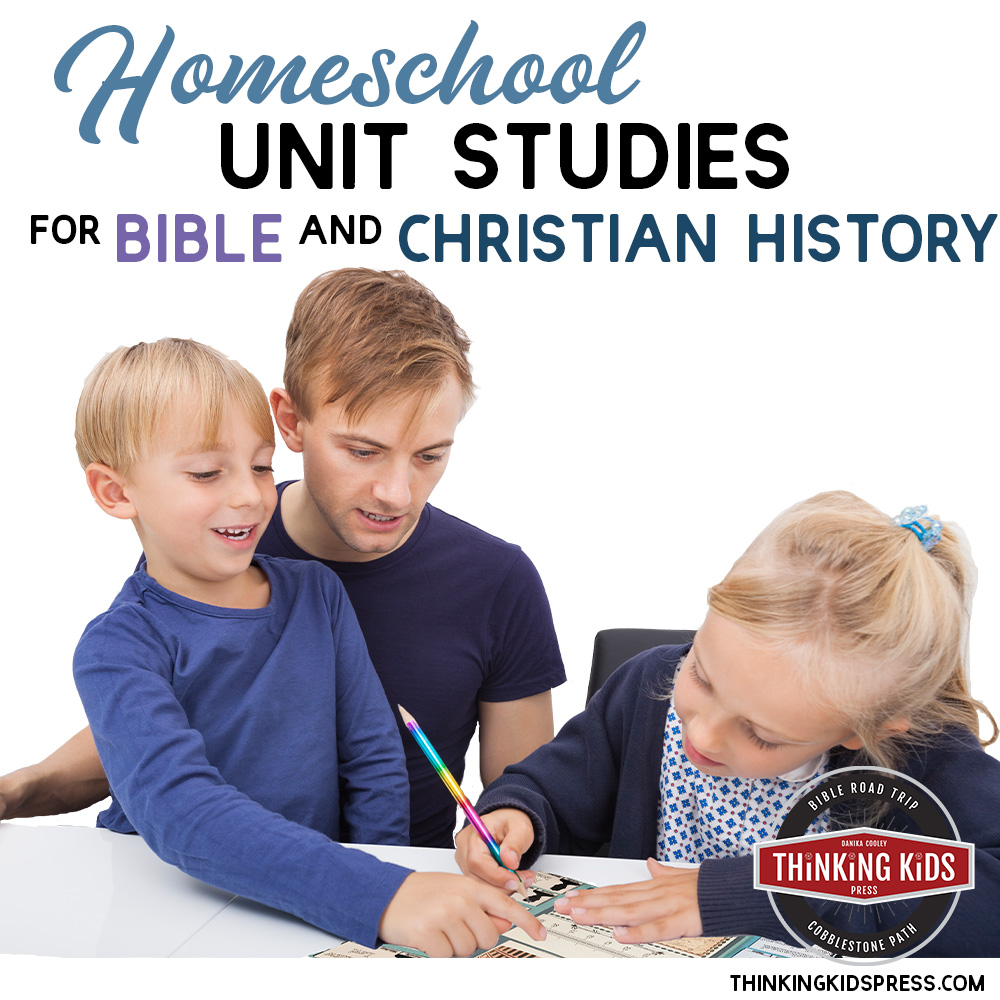
My first tip for homeschooling multiple kids is to learn together. As tempting as it is to get individual curriculum and grade-specific workbooks for each child, it’s really hard to have every child doing something different. Instead, think one-room-schoolhouse meets family-on-the-couch.
There are a number of homeschool methods to choose from. We used a classical Christian educational philosophy. (Check out, for example, how to teach the Bible to different grades using the classical philosophy of child development.)
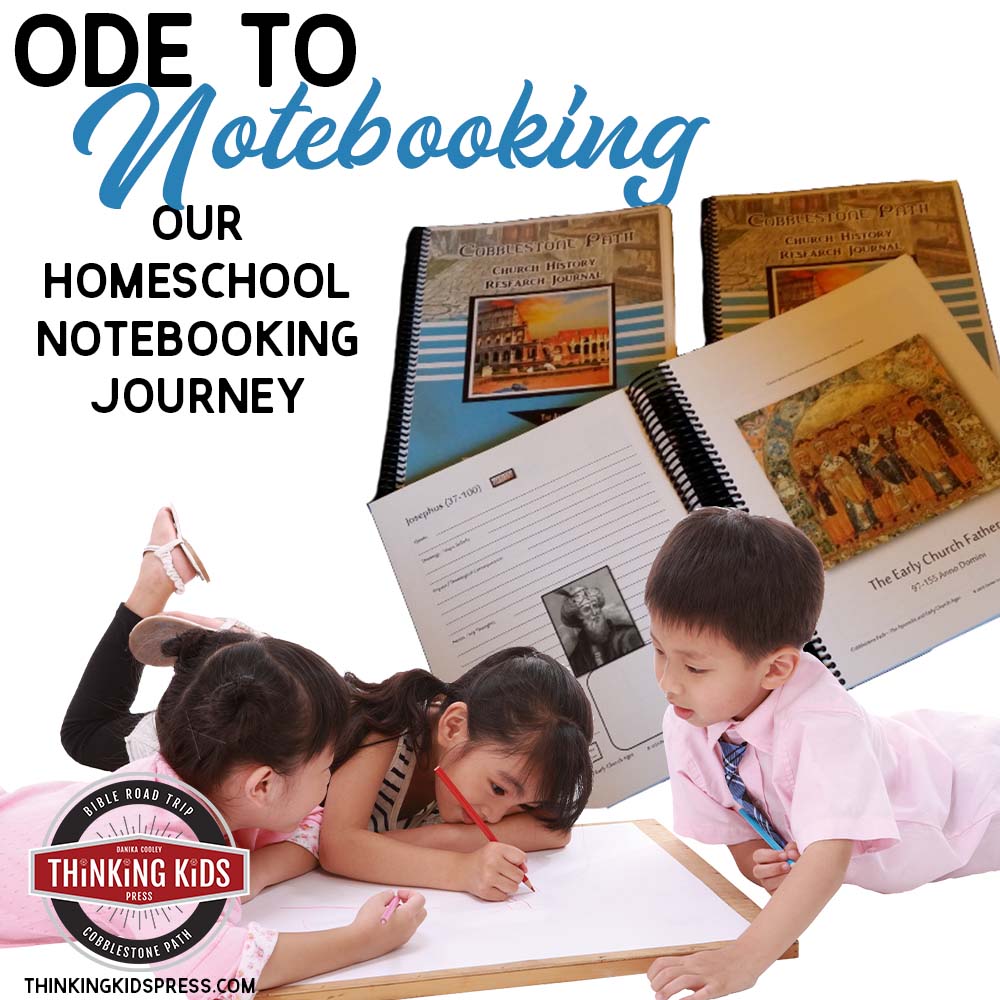
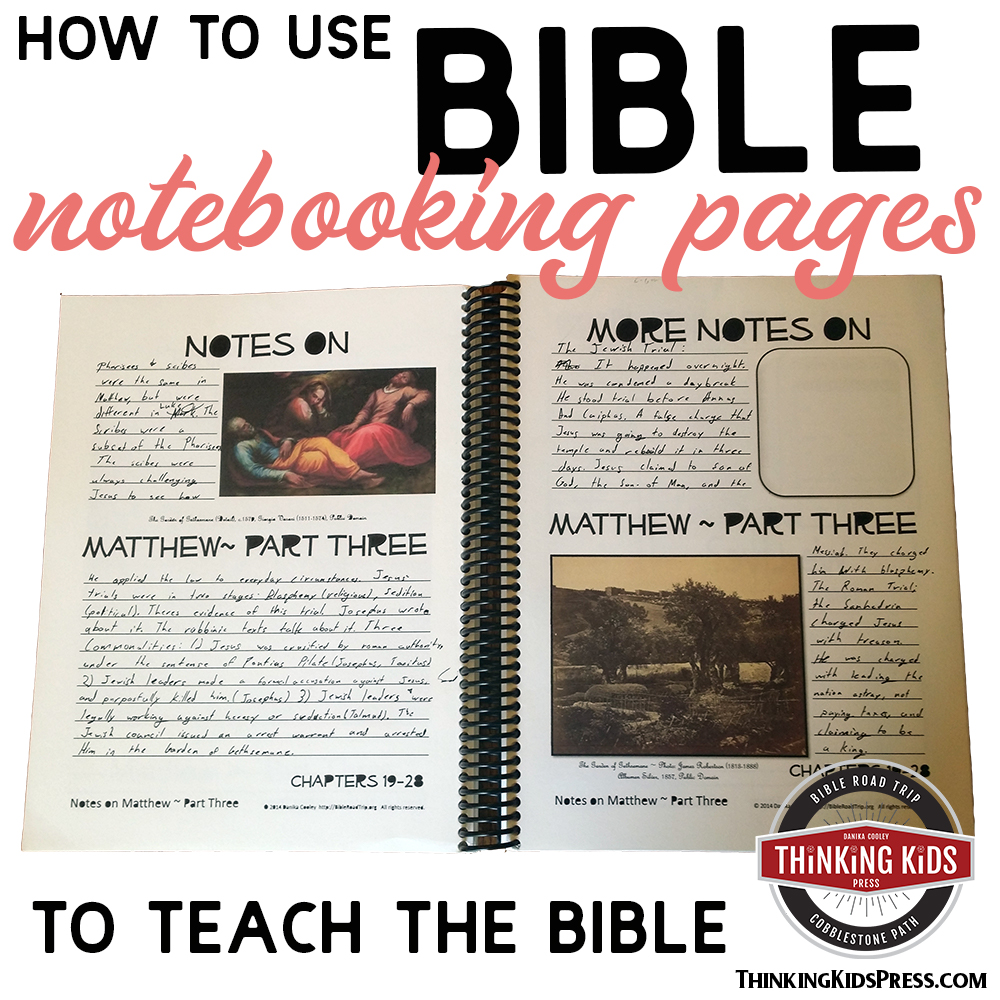
Then, we used a literature-based learning method to teach using classical Christian philosophy. (I pulled in a few Charlotte Mason-ish ideas, like narration. We used notebooking as the vehicle for our written narration.)
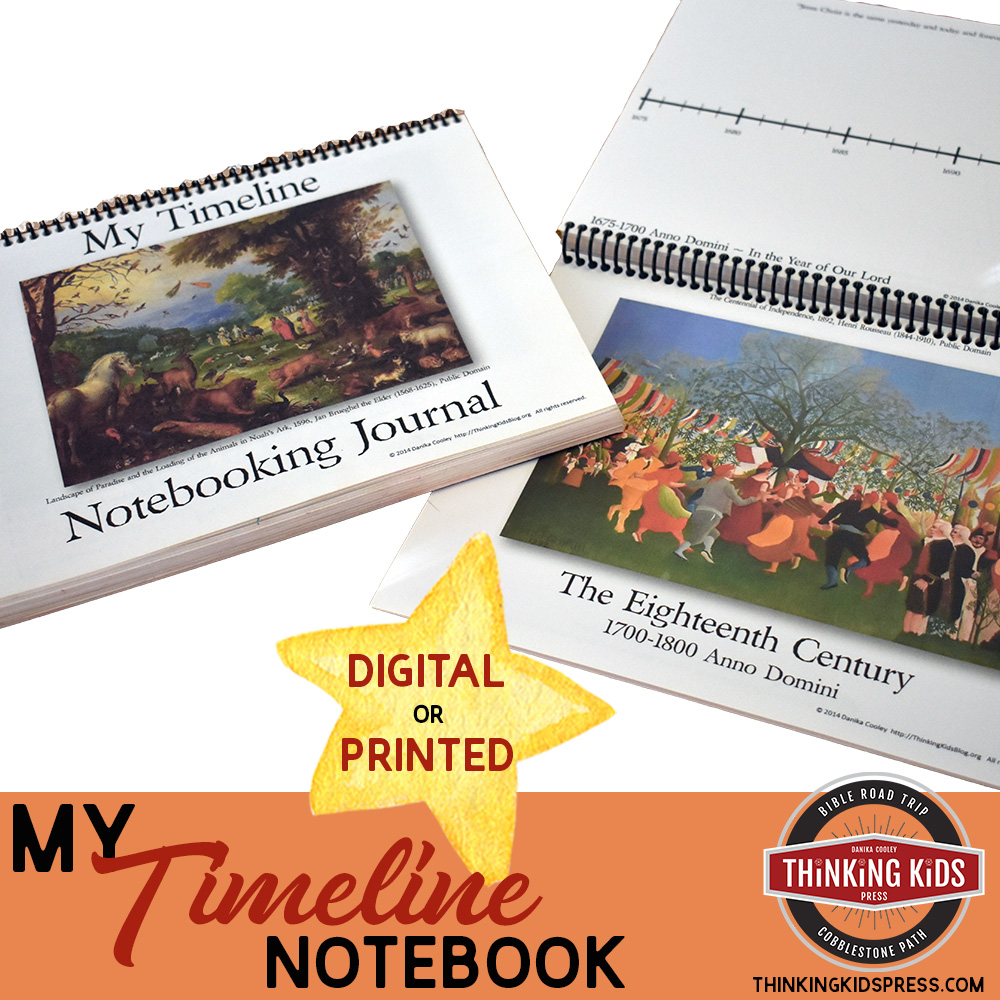
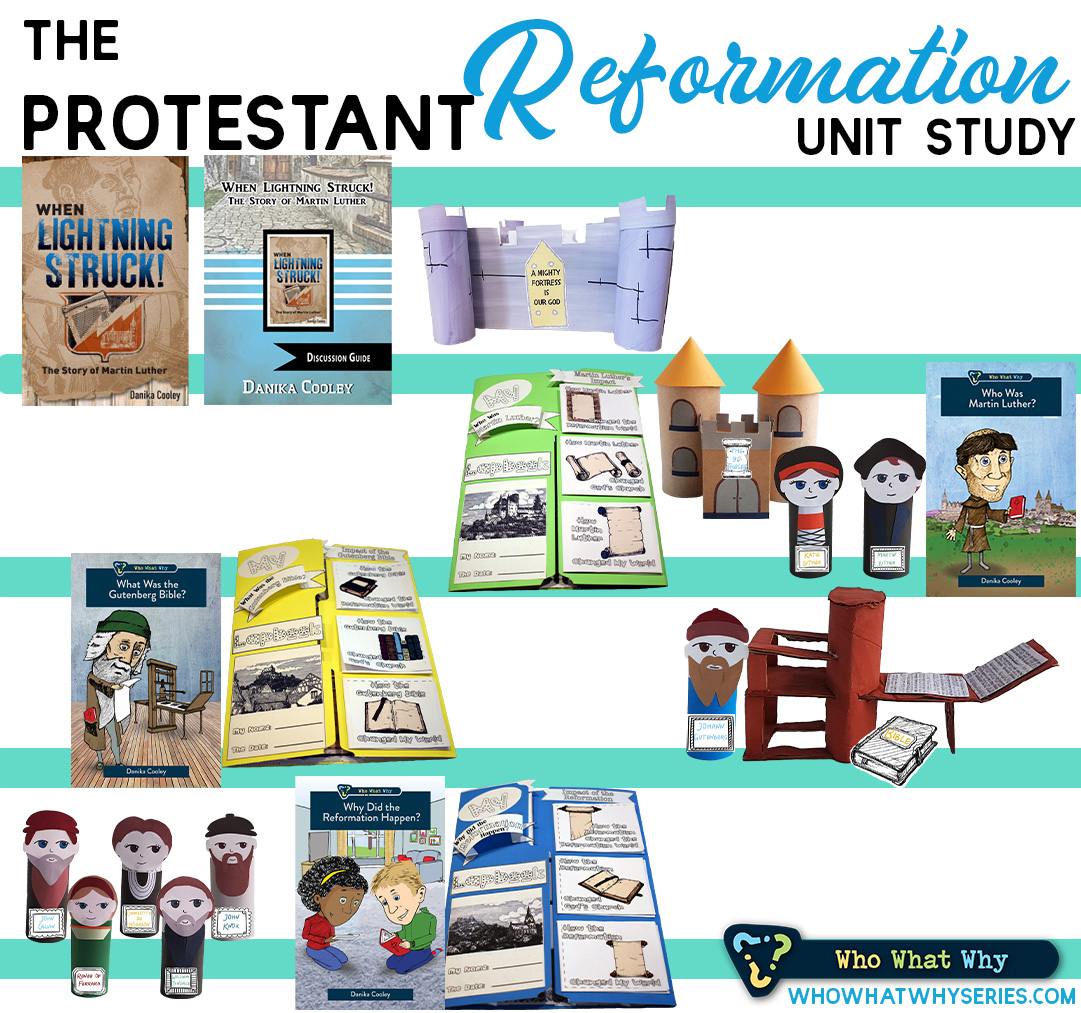
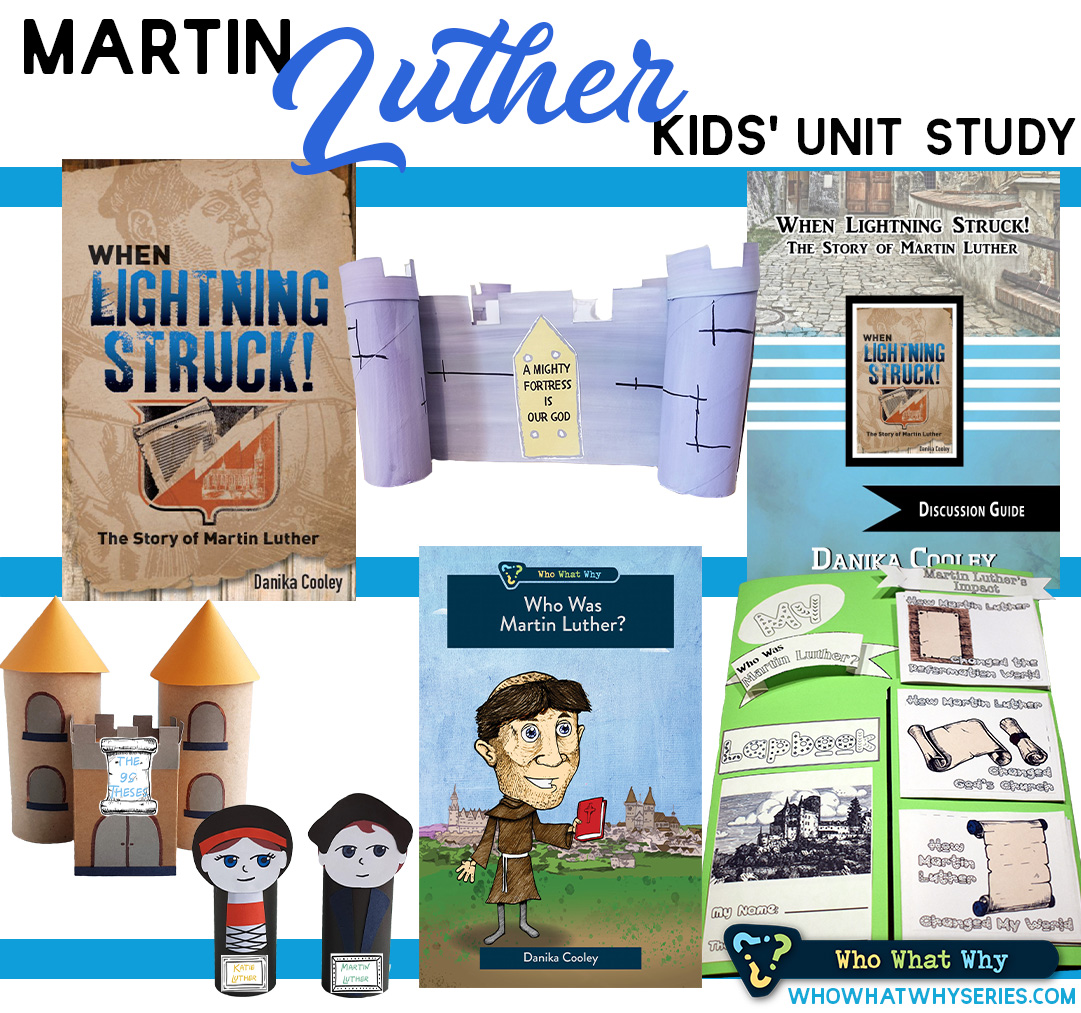
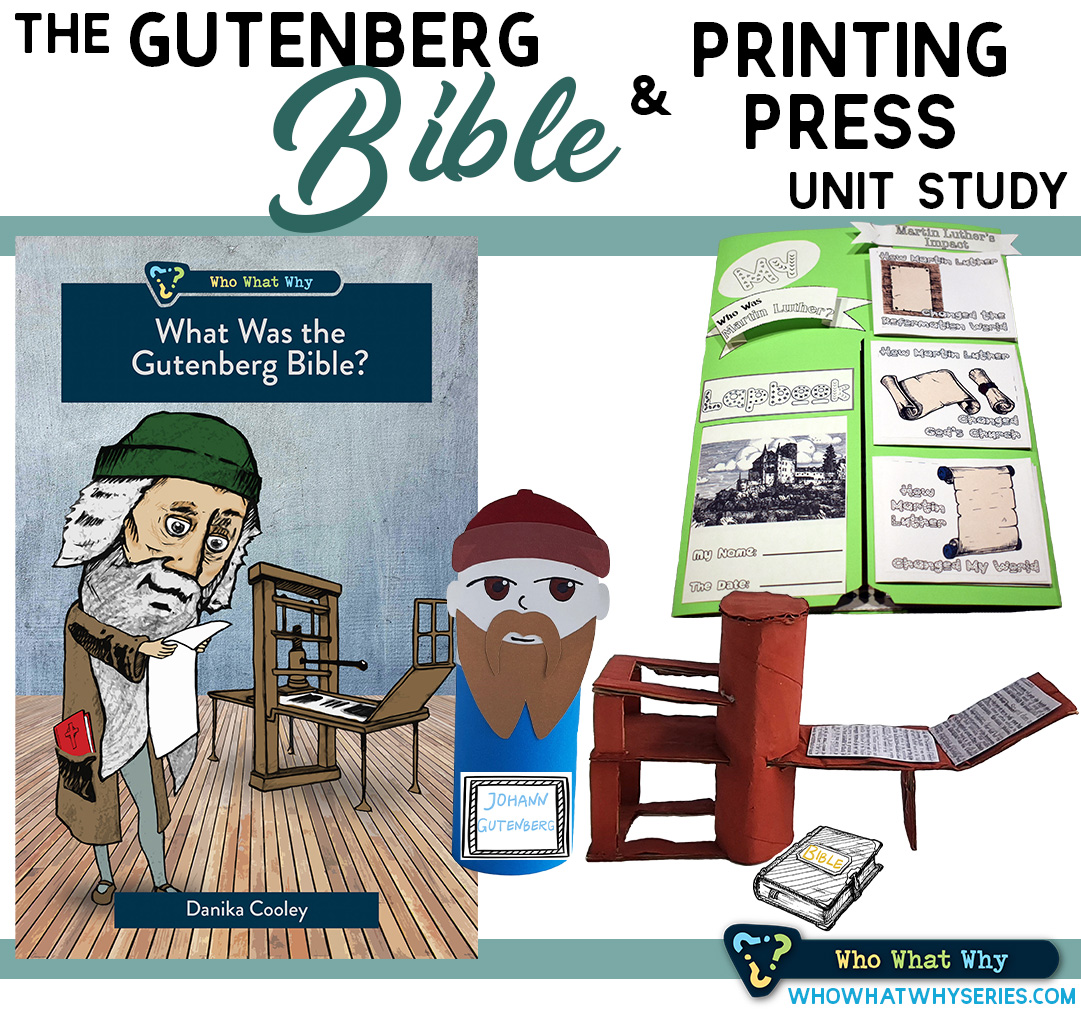
So, what did that look like for our family? We set the mornings aside to read the Bible, discuss it, and pray. Then, we hung out on the couch, reading historical fiction, nonfiction chapters about history and science, and a chapter of literature written in the time period we were studying. Before lunch, we would work on a hands-on project and notebooking. I would help the kids construct a styrofoam block castle, and walk them through adding thoughts to their various notebooks. (Take a look at some of our notebooks here.)
Of course, we took a lot of breaks. Growing kids need to move, and children who have been for a walk are a lot easier to read a book to!
Kids also learn better when they are moving their hands, so as I was reading aloud, our kids were able to work quietly. Older kids worked on history coloring books, while younger children would play with blocks, stickers, or felt playsets.
Start your homeschool days with biblical prayer!
2) Teach up.
What do I mean by teach up? In a group of kids, it works best to teach at a level your older kids will benefit from. So, if you have preschoolers, grade schoolers, and middle schoolers, your read alouds may be aimed at a sixth or seventh grade level, with an interesting chapter or picture book thrown in. Your grade schoolers will be excited to hear amazing stories and information from your seventh grader’s reading list, while your preschoolers and kindergartners are learning to learn.
Of course, your littles won’t be engaged for all of the time your family spends learning, but they can enjoy playing quietly or cuddling as you spend time reading, discussing, and working on projects. They will, of course, want to be involved in hands-on work!
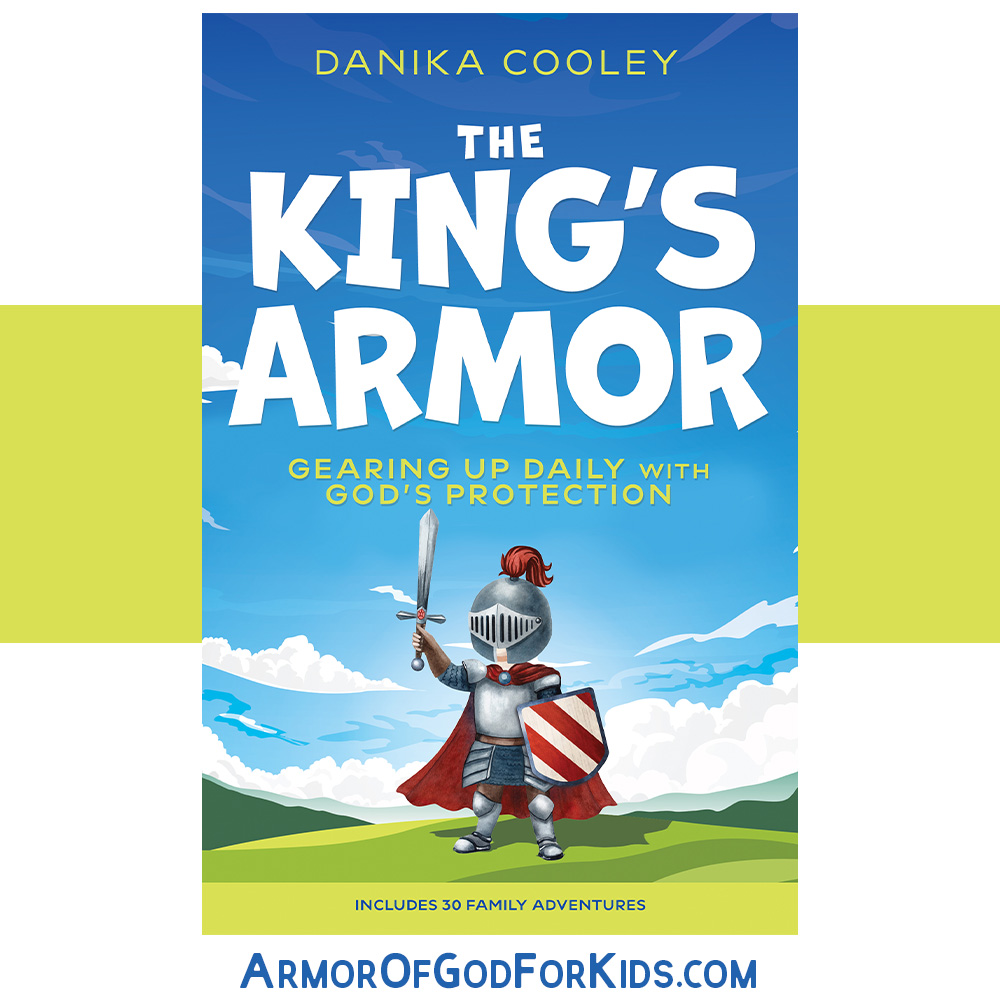
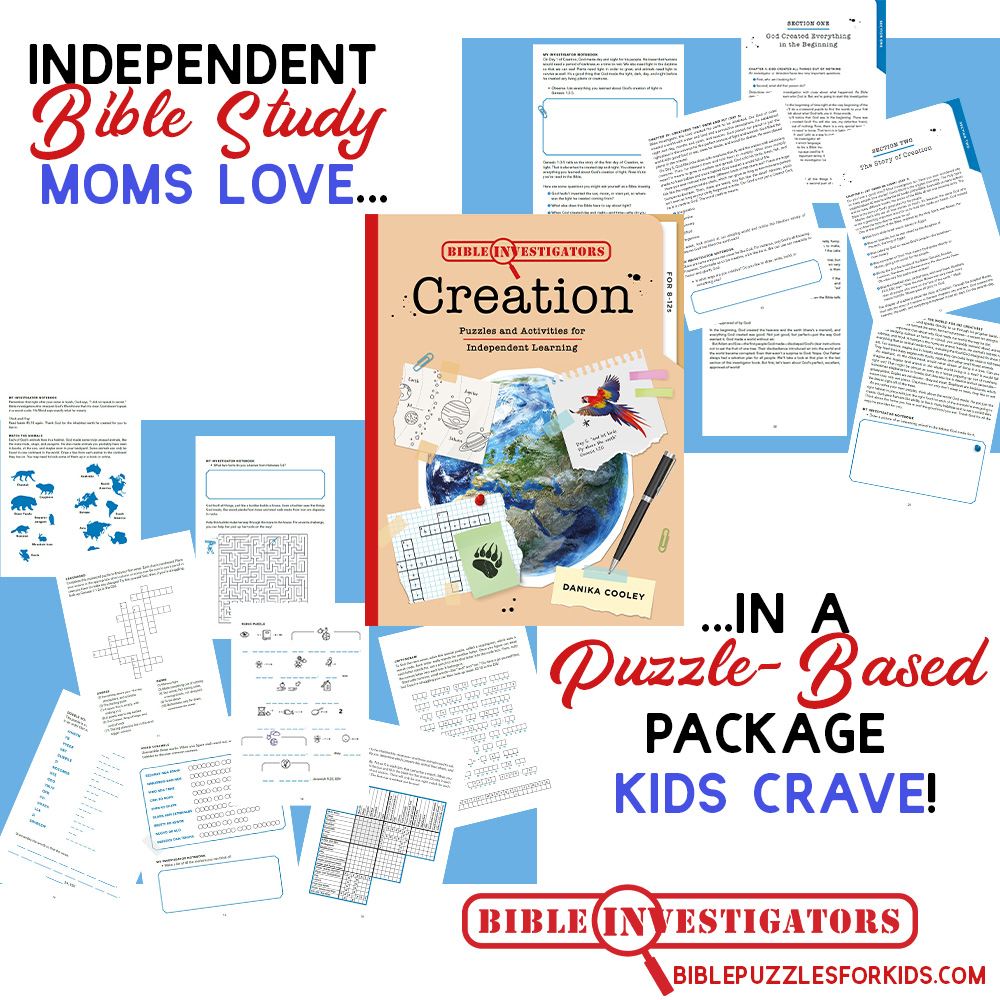
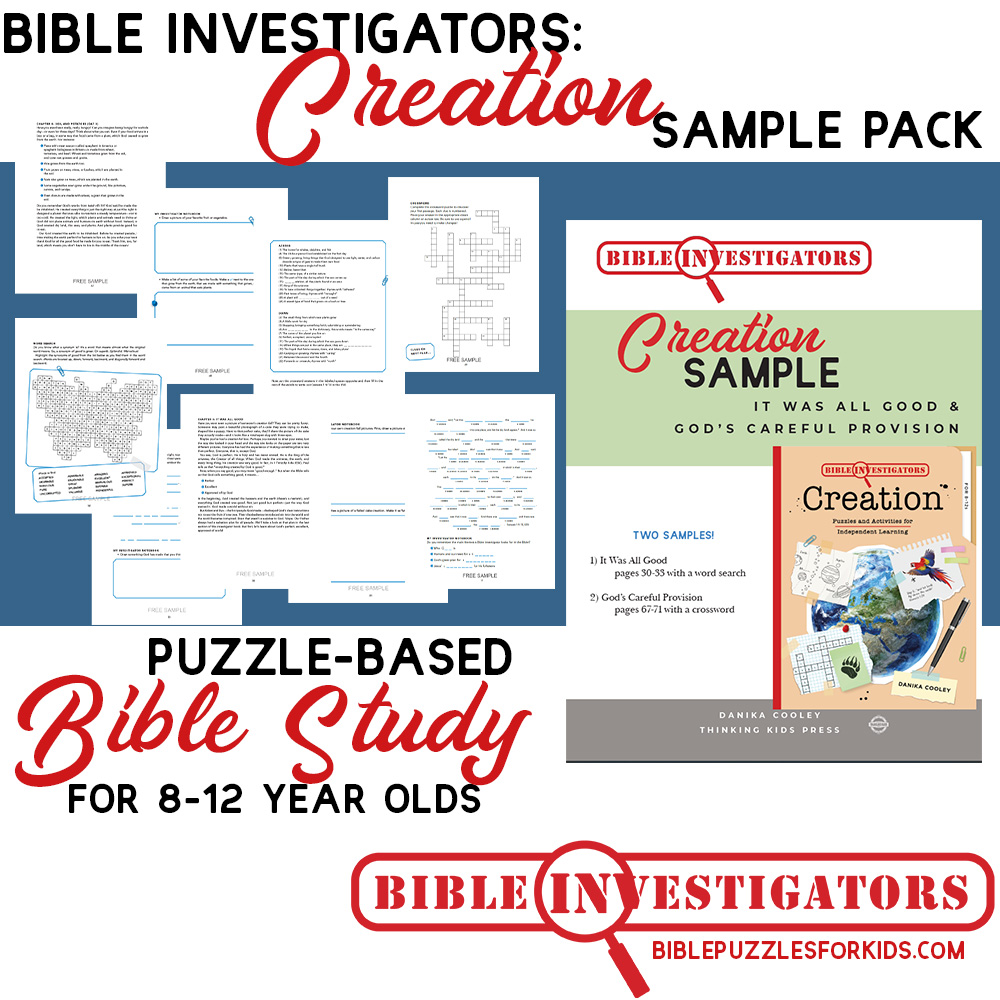
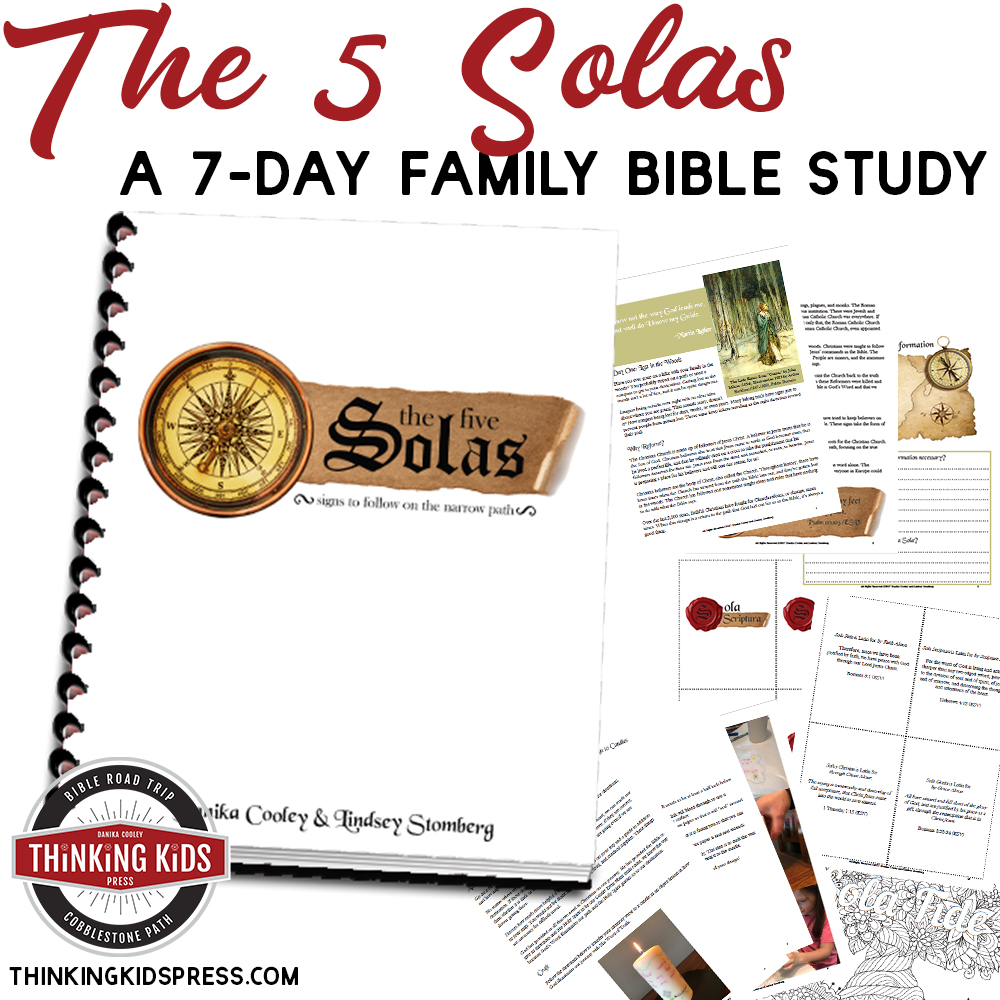
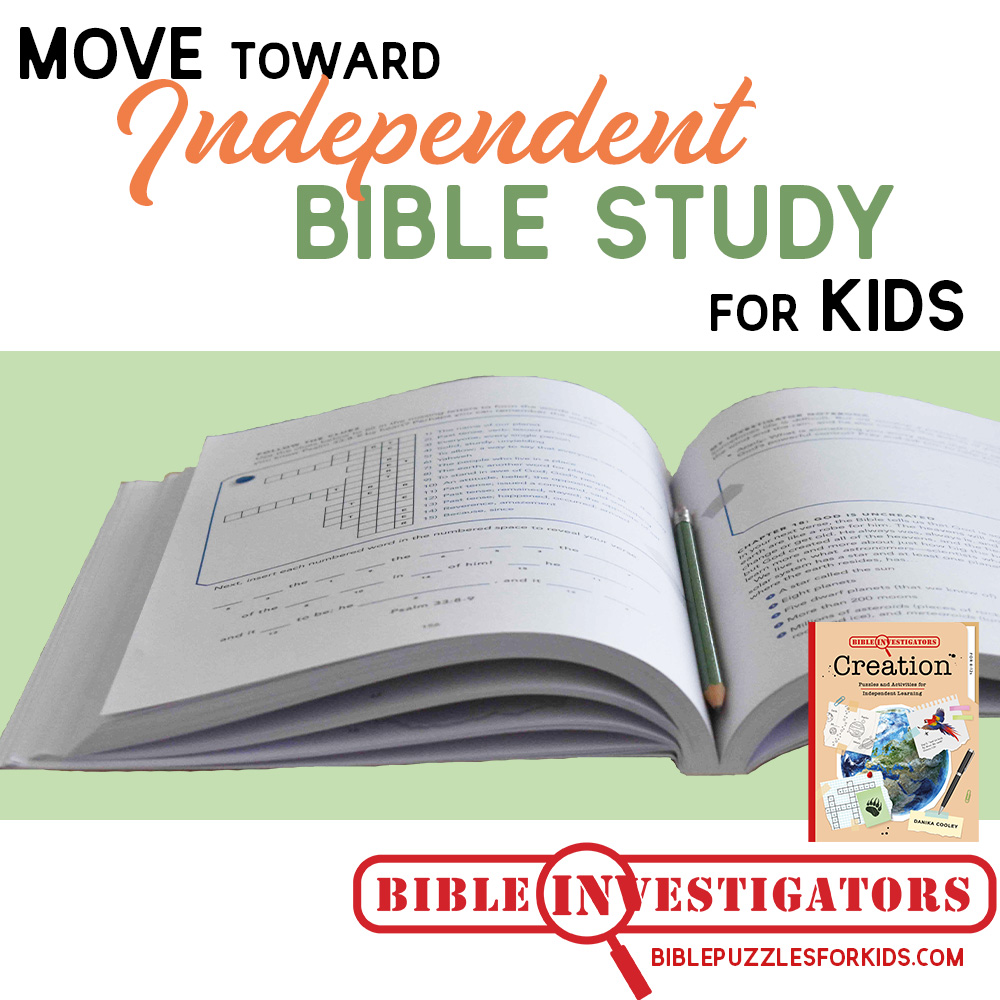
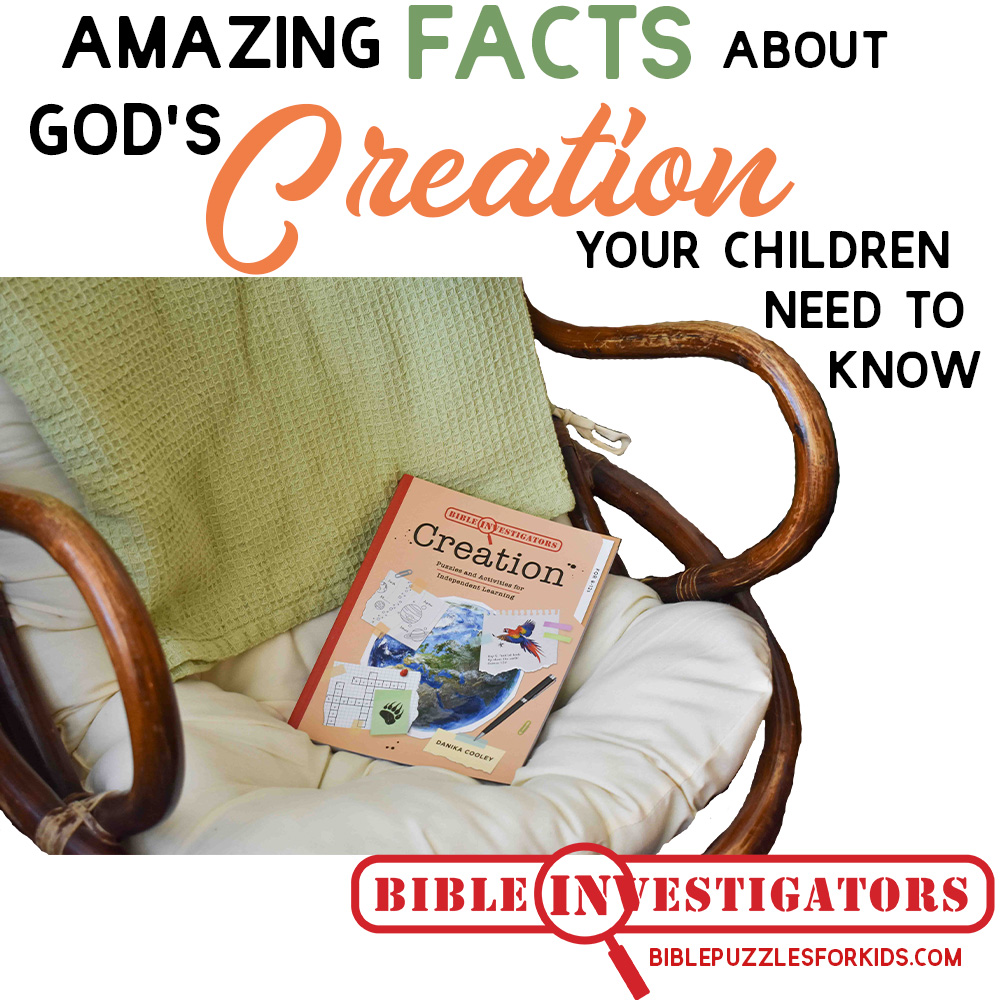
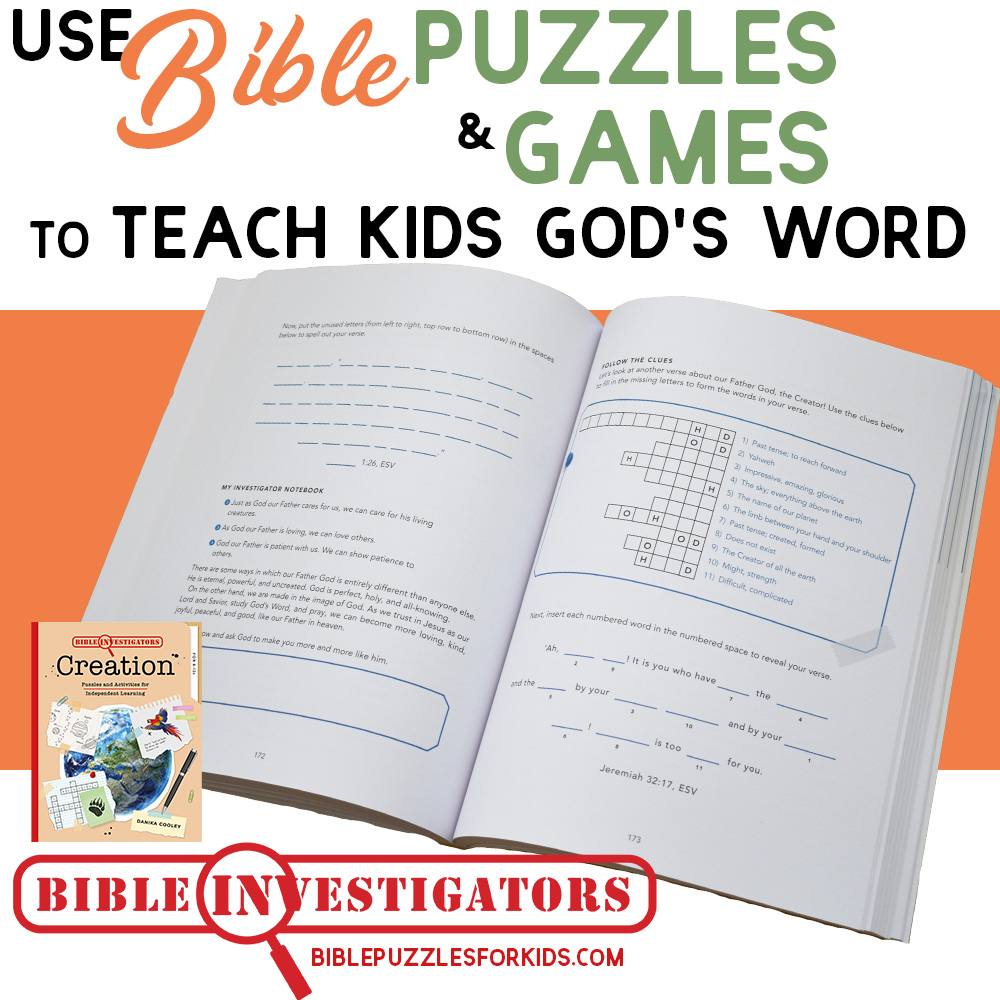
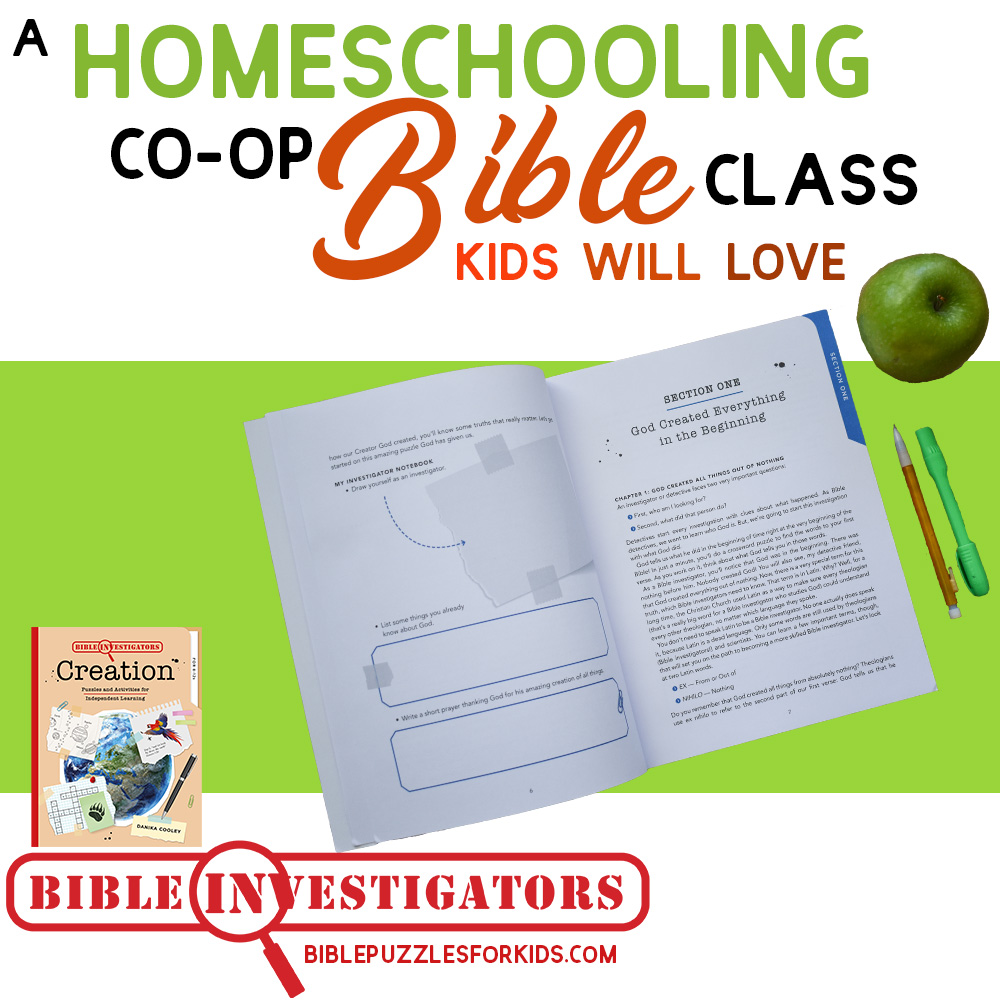
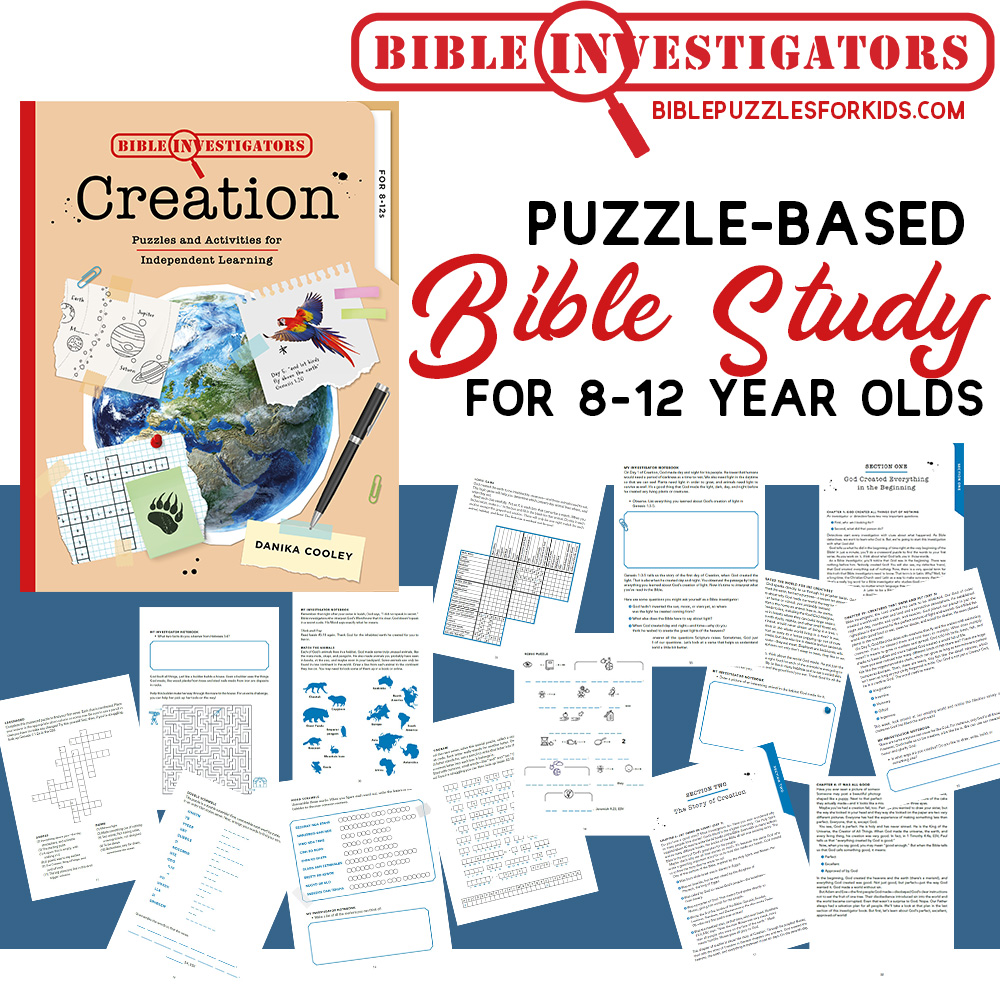
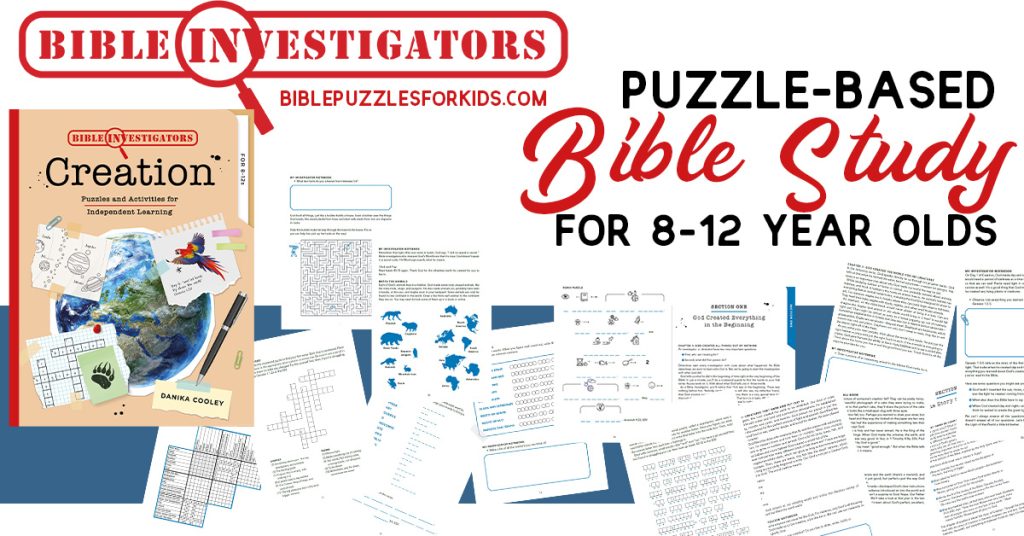 Help your kids study the doctrine of Creation with this fun, 272-page, puzzle-based Bible study!
3) Transition middle and high school students into more independent work in afternoons.
As kids age, they can begin to do more independent work. Middle and high school students are capable of transitioning into independent work in math, science, and writing.
(Many homeschool parents attempt to have kids do independent work too early. Your seven year old isn’t ready for independent math. You just need to budget the time to spend fifteen minutes each day with them as they work on addition.)
This after-lunch time, when your older students are working on their own, is the perfect time to work with your younger kids on letters and numbers, math, reading, and memory work. These individual teaching sessions should be kept short and sweet. In fact, your kids may work on different subjects on different days.
The afternoons are a good time to float your attention between children, to involve your littles in a few minutes cleaning an area of the house together, to go on an outside adventure, and to start dinner.
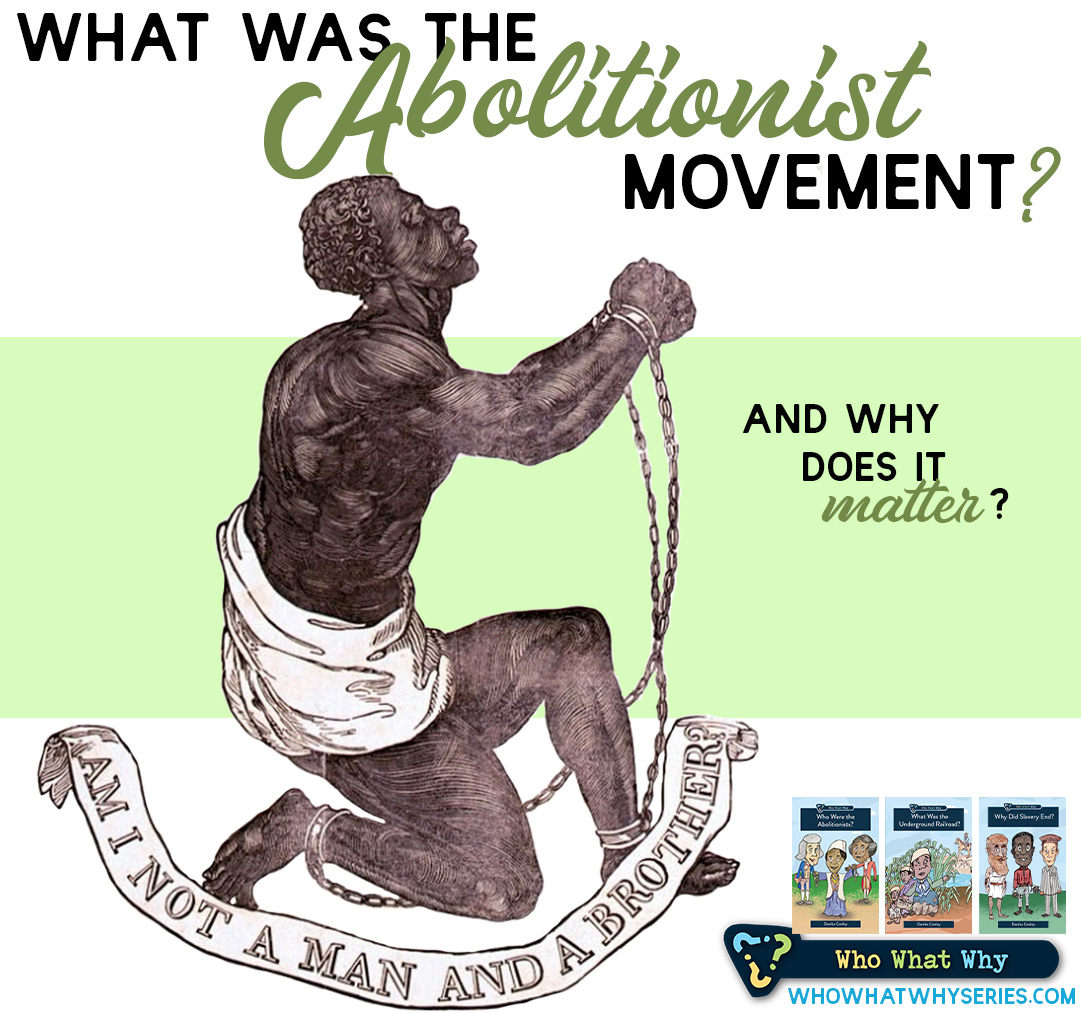
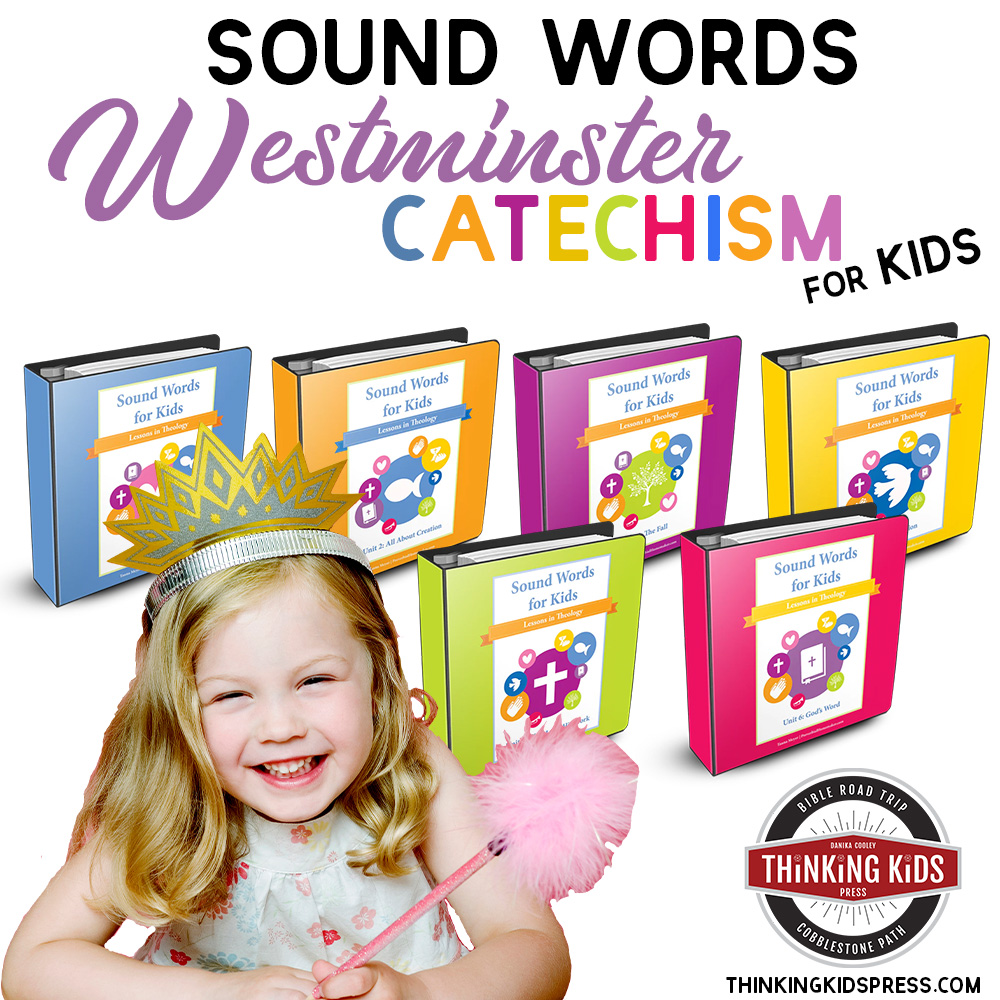
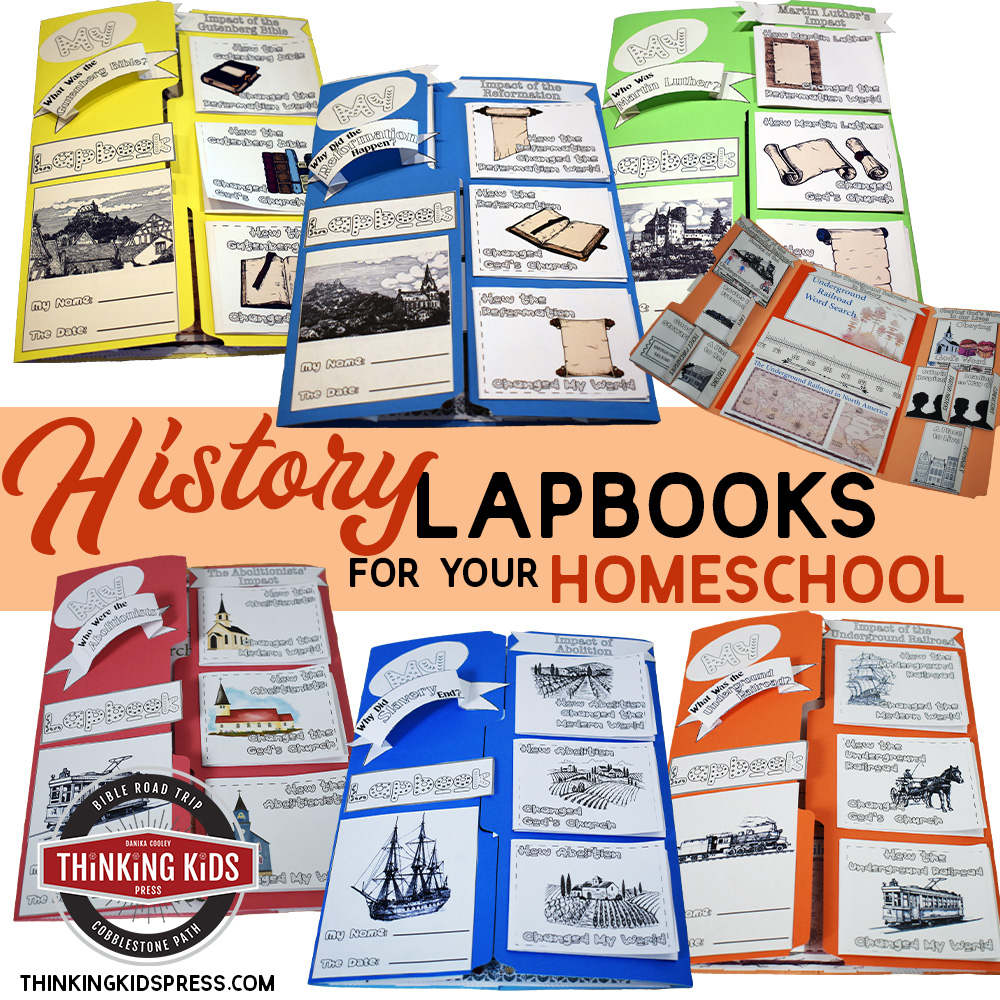
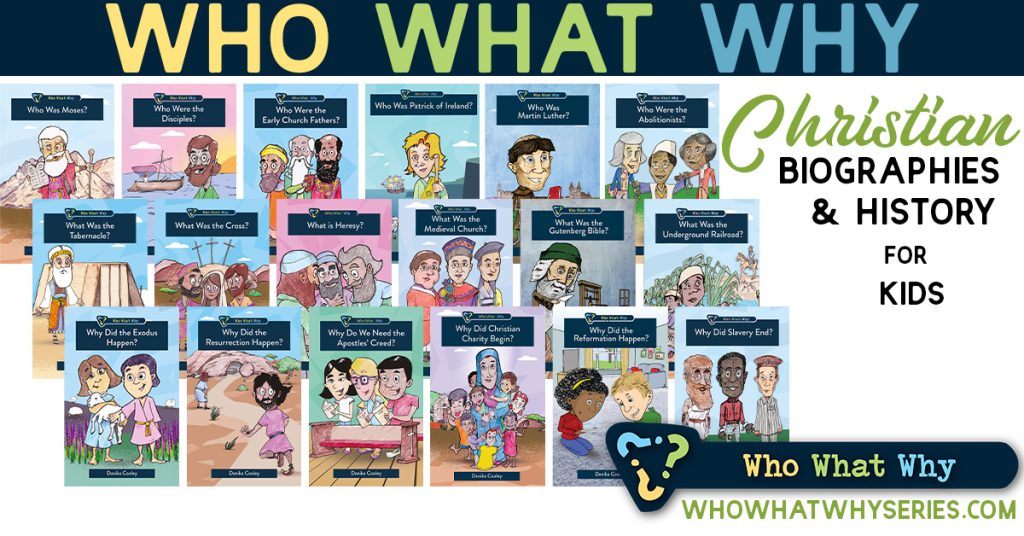 History and theology matter. Teach your 8-12 year olds about both in a fun way with a little sass.
4) Leave plenty of time.
As homeschoolers, we want to pack our kids’ days with tons of learning. After all, we can feel a lot of pressure when we remember we are their only teachers!
Still, you have twelve years to teach your kids how to learn. The goal isn’t to stuff their brains full of information. Instead, it is to help them learn how to research, to record information, and to love learning.
As you plan your homeschool, leave plenty of time in your schedule. Having buffers built into your routine gives you space to meet your kids’ individual needs, it allows you to plan to give grace and patience to your kids, and it is a way of predicting the unpredictable. With children, there are always plenty of unpredictable events occurring.
Homeschooling your children is a wonderful way to help them learn to learn. It is also a great way to disciple your children in God’s Word. I hope these tips are helpful as you spend time shepherding the children God blessed you with!
Books Make Great Gifts!
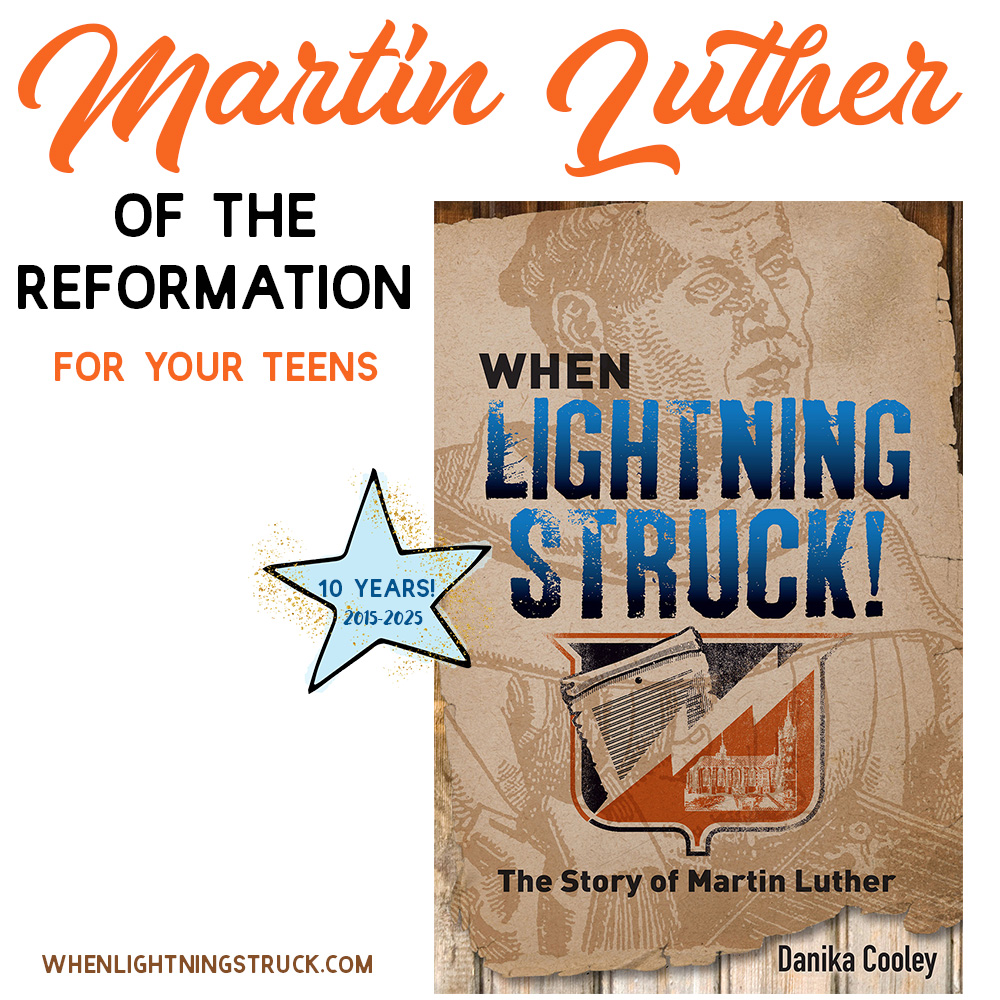
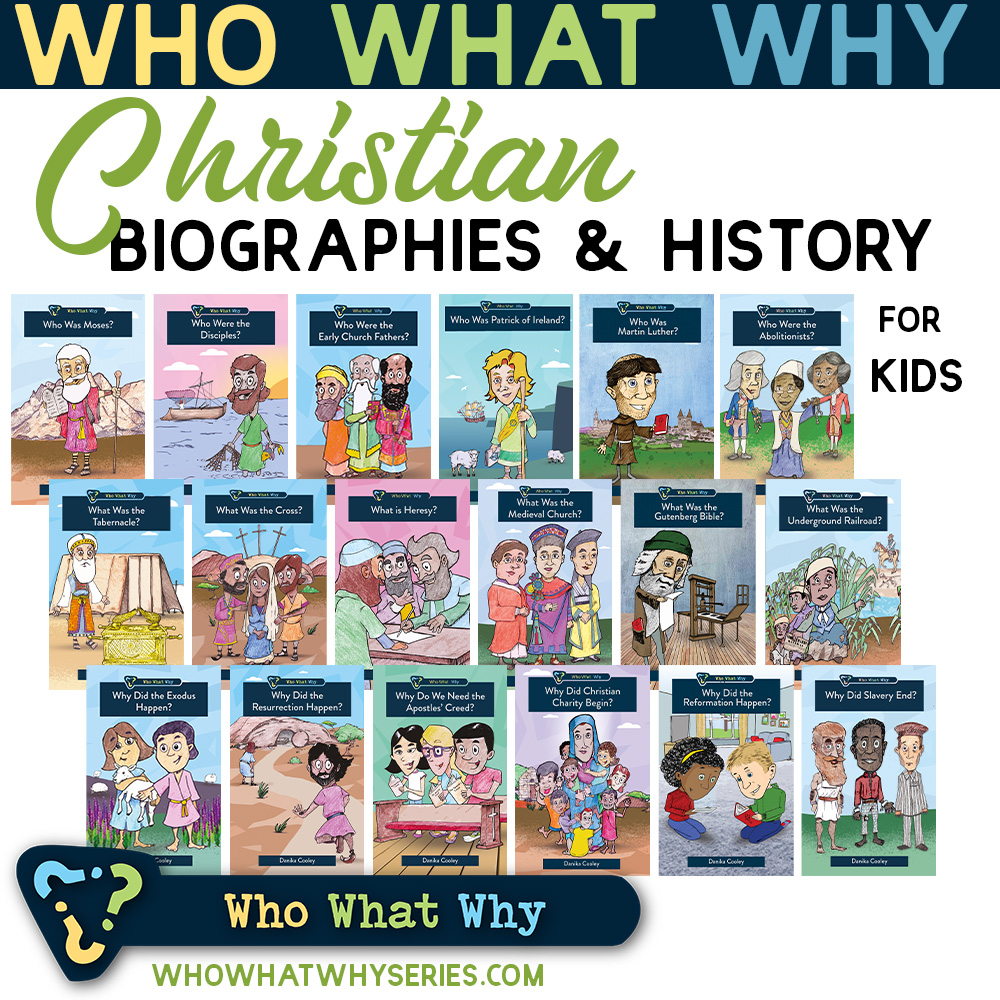
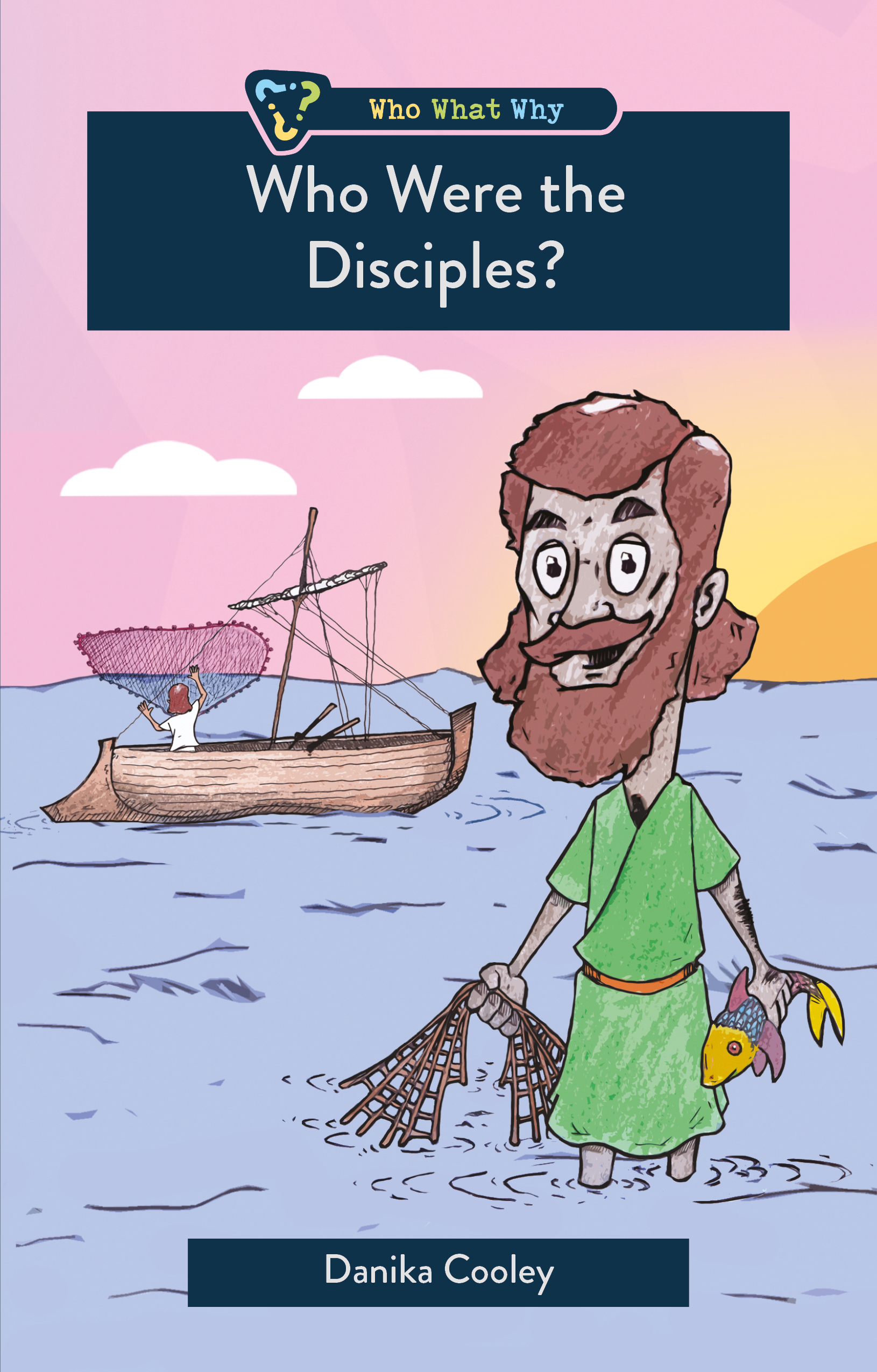
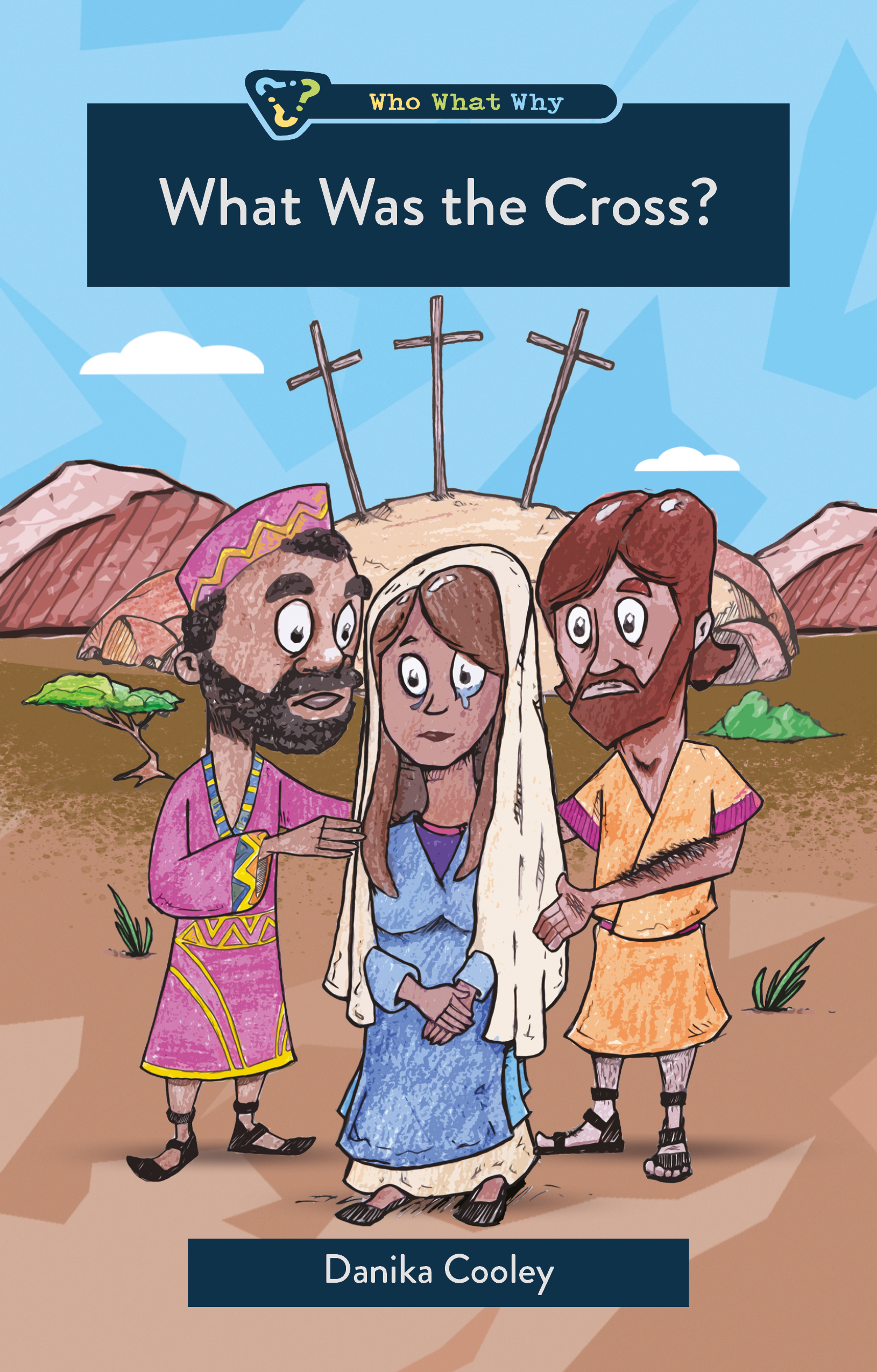
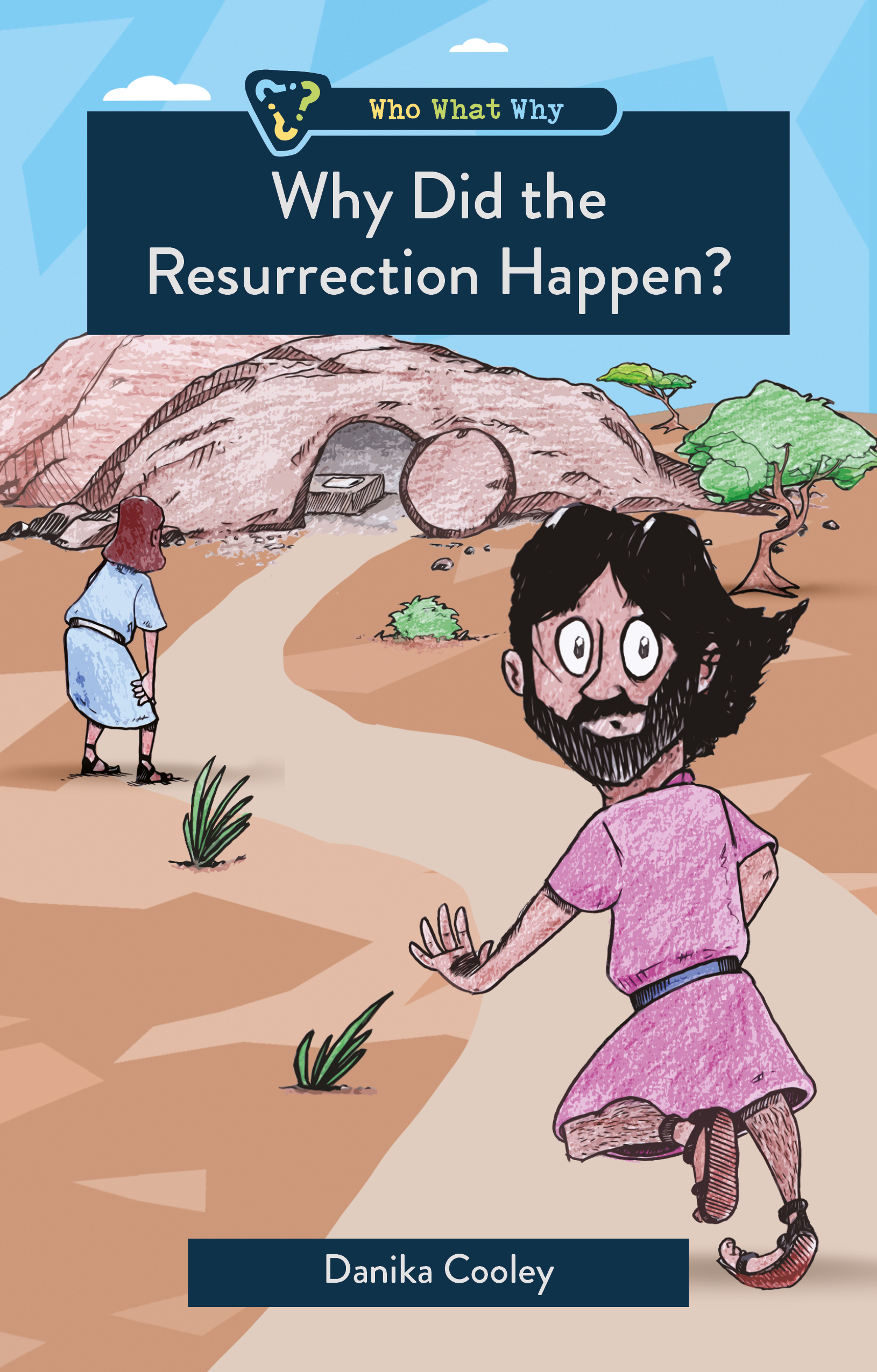
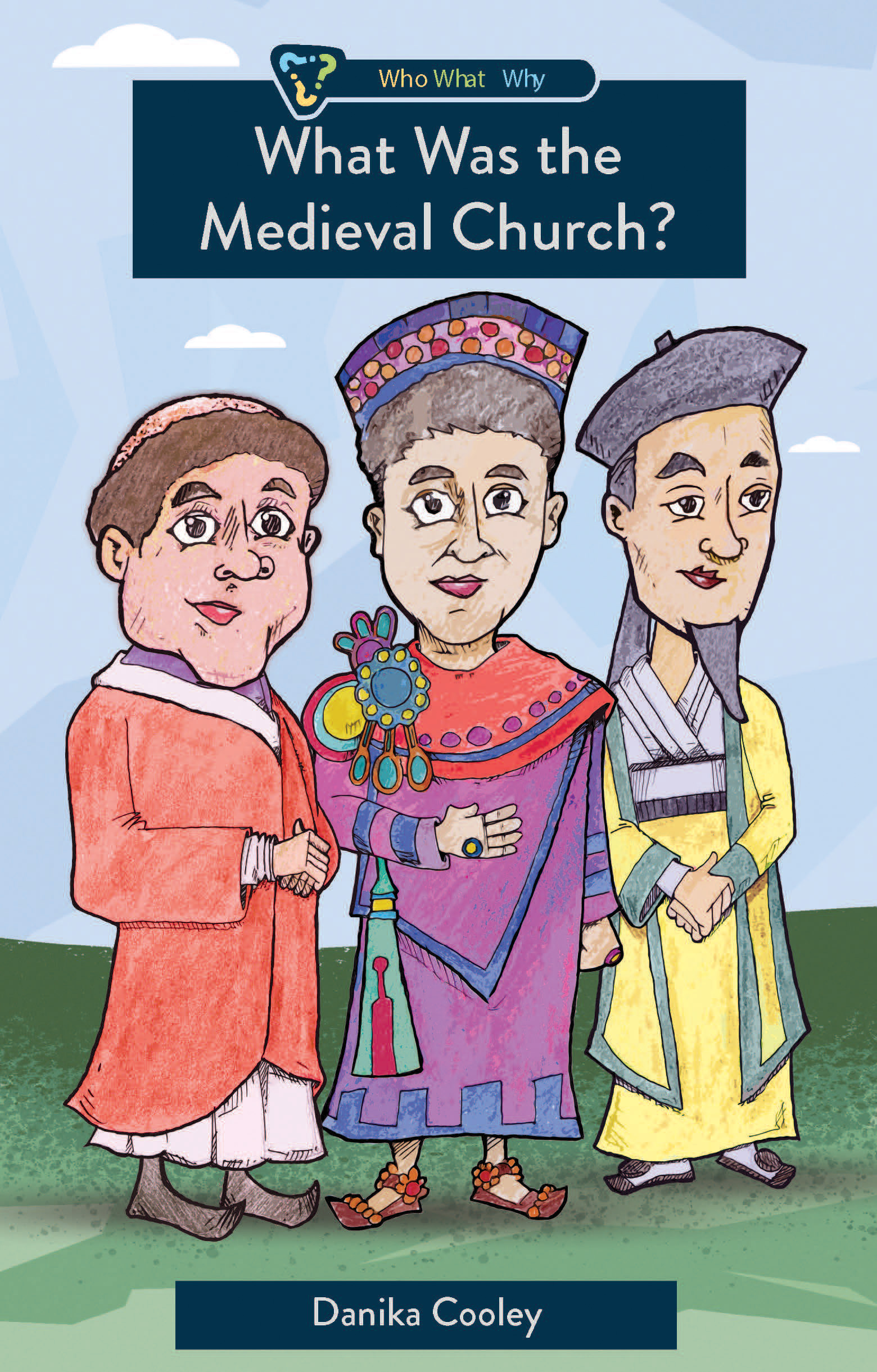
Teach the kids about the Bible and Christian history…
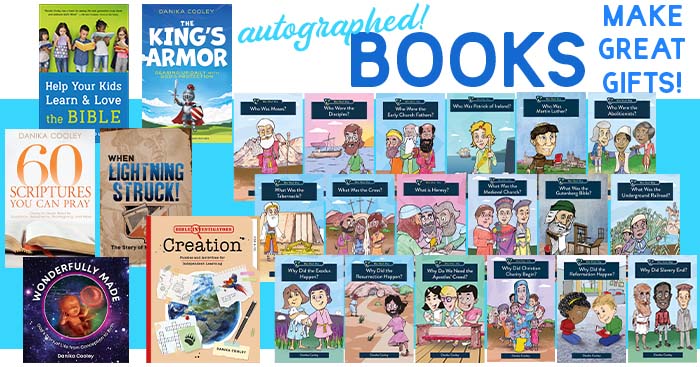
…with fun books they’ll love reading!
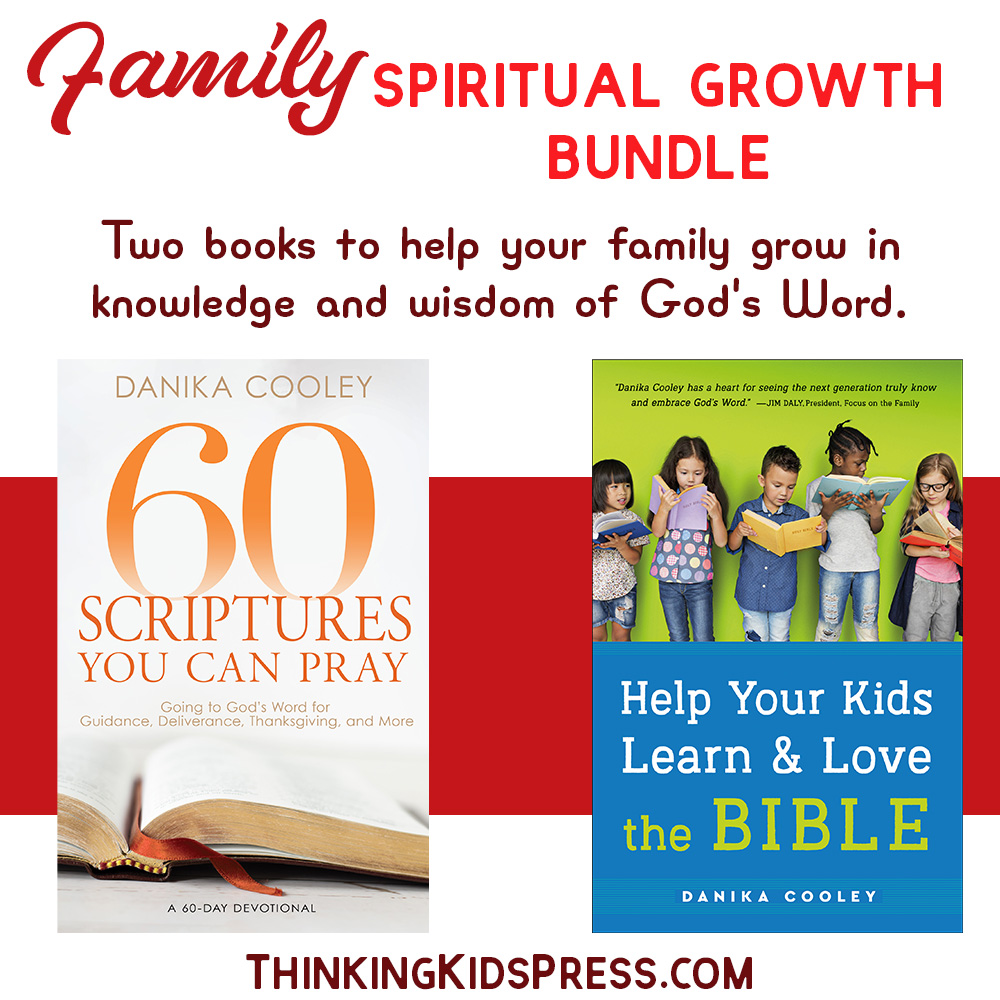
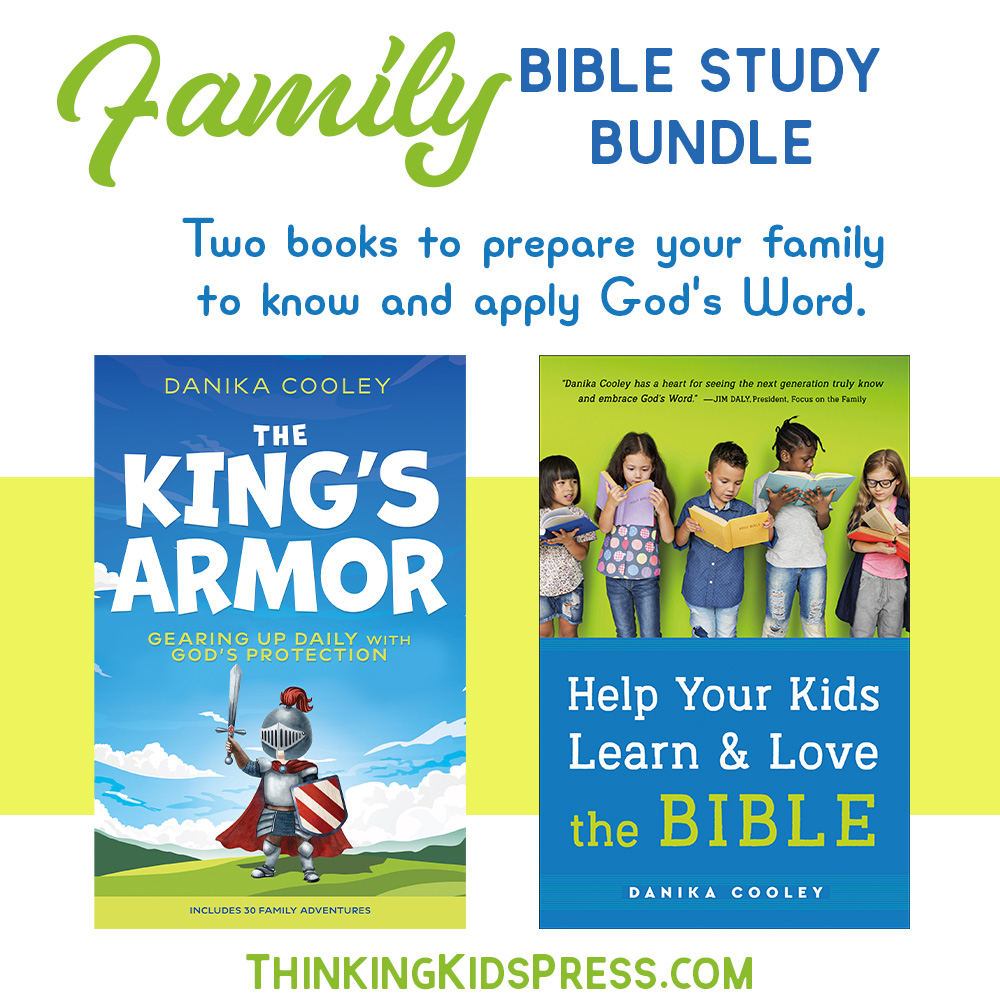
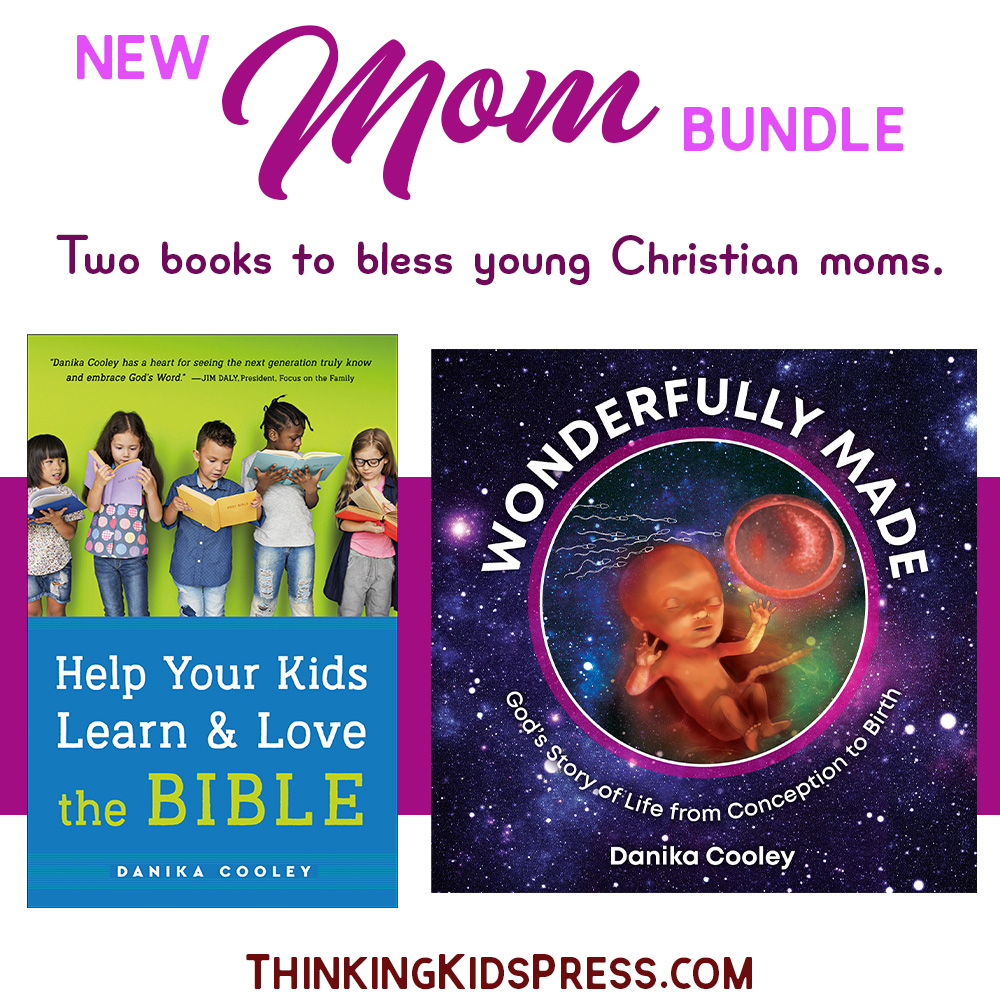
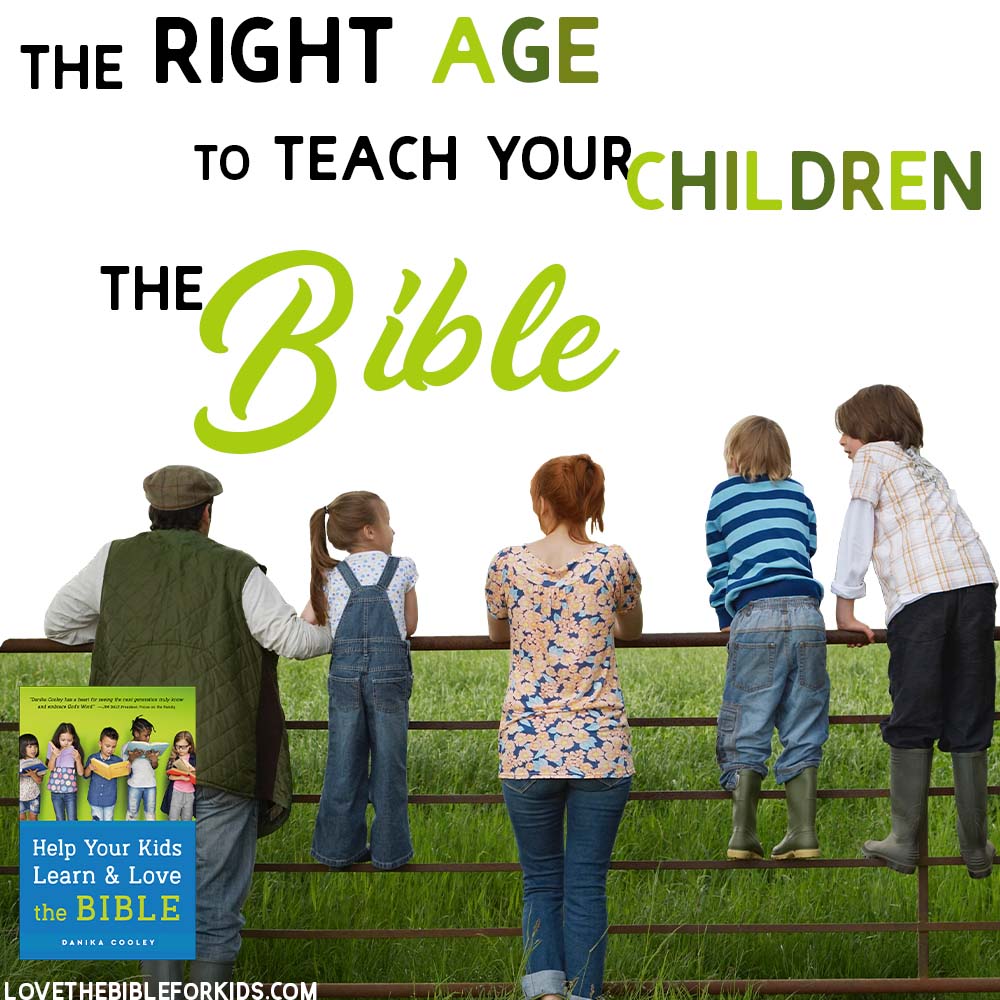
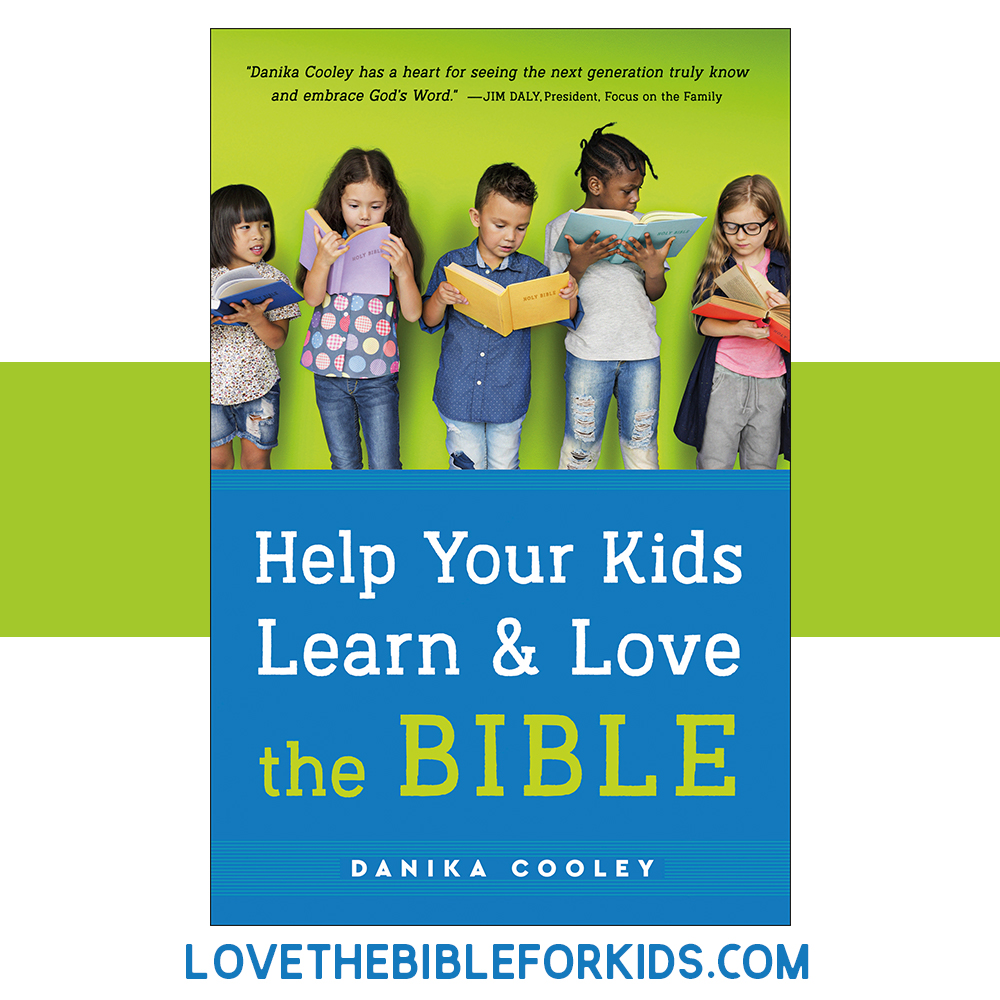
Introduce your children to engaging stories written in an engaging narrative they’ll want to read. As they learn more about God’s Word and gain real-life heroes, they will learn to apply Scripture to their own lives. And, give yourself the gift of a book that will help your kids learn and love the Bible.













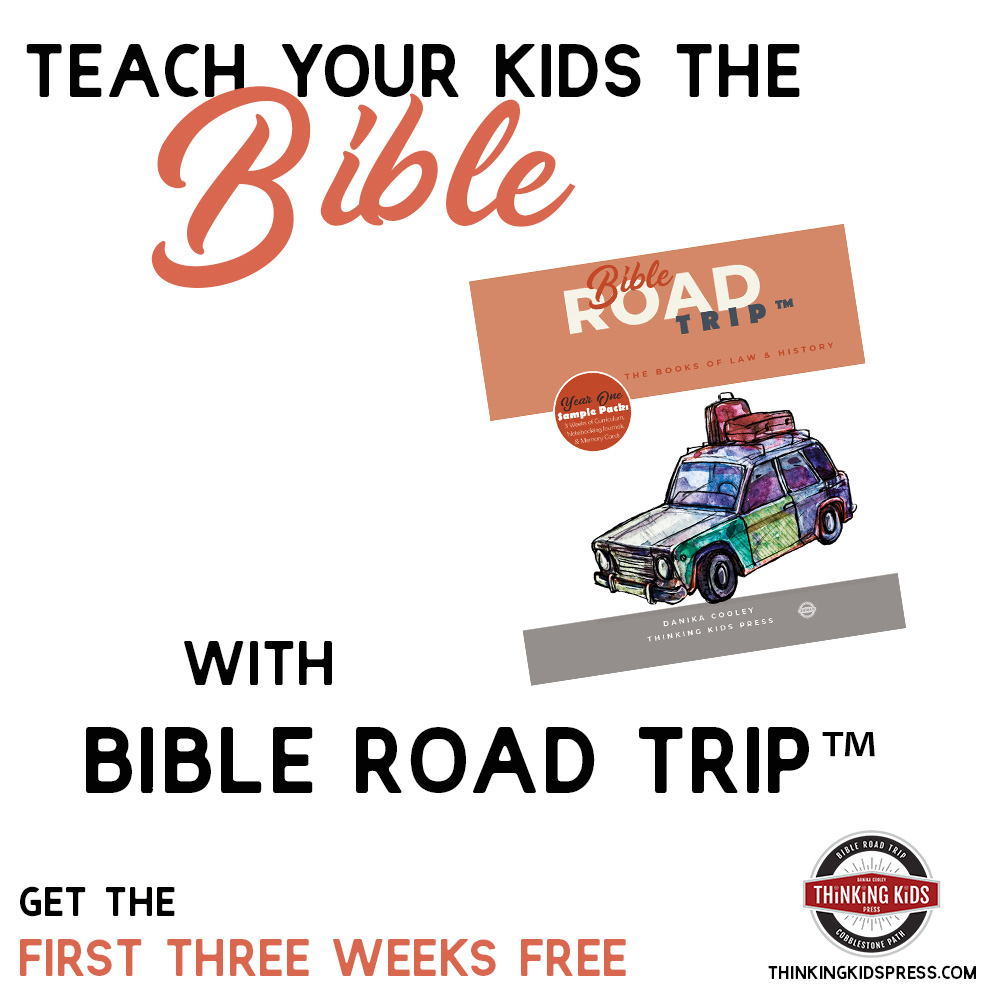
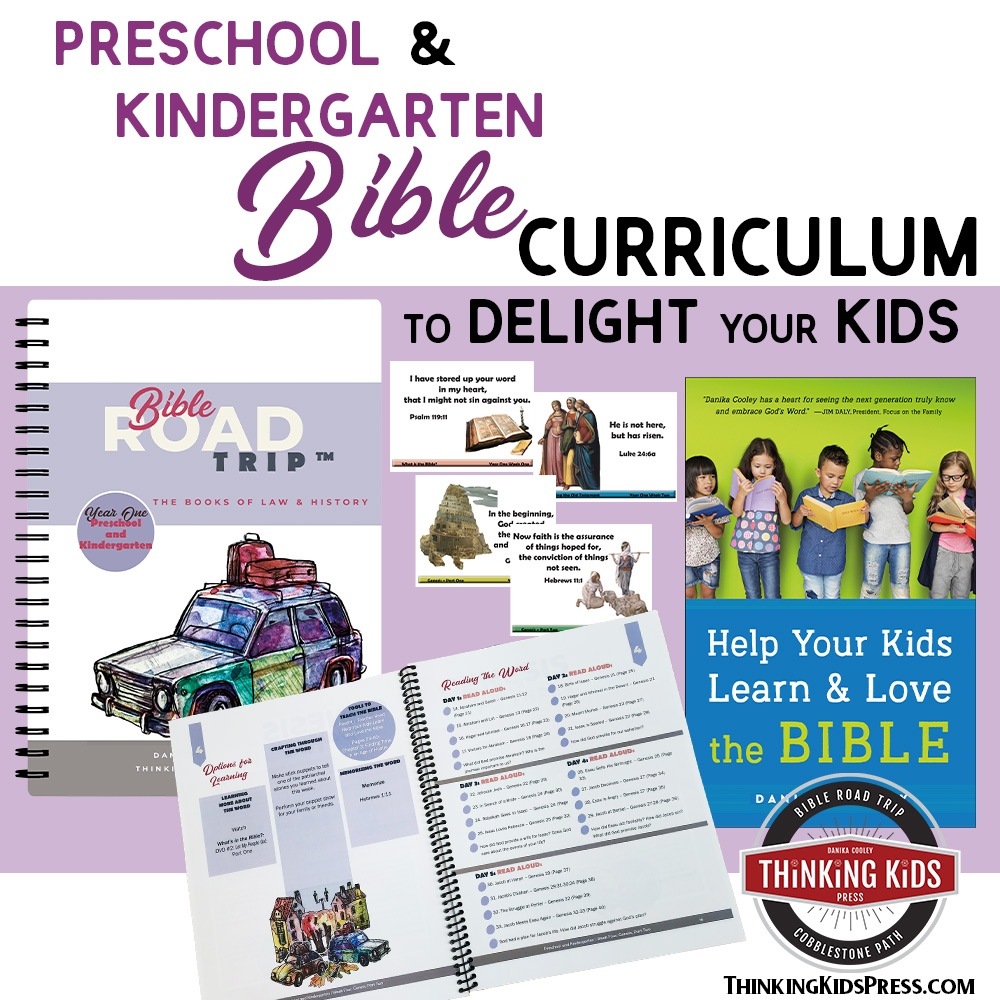
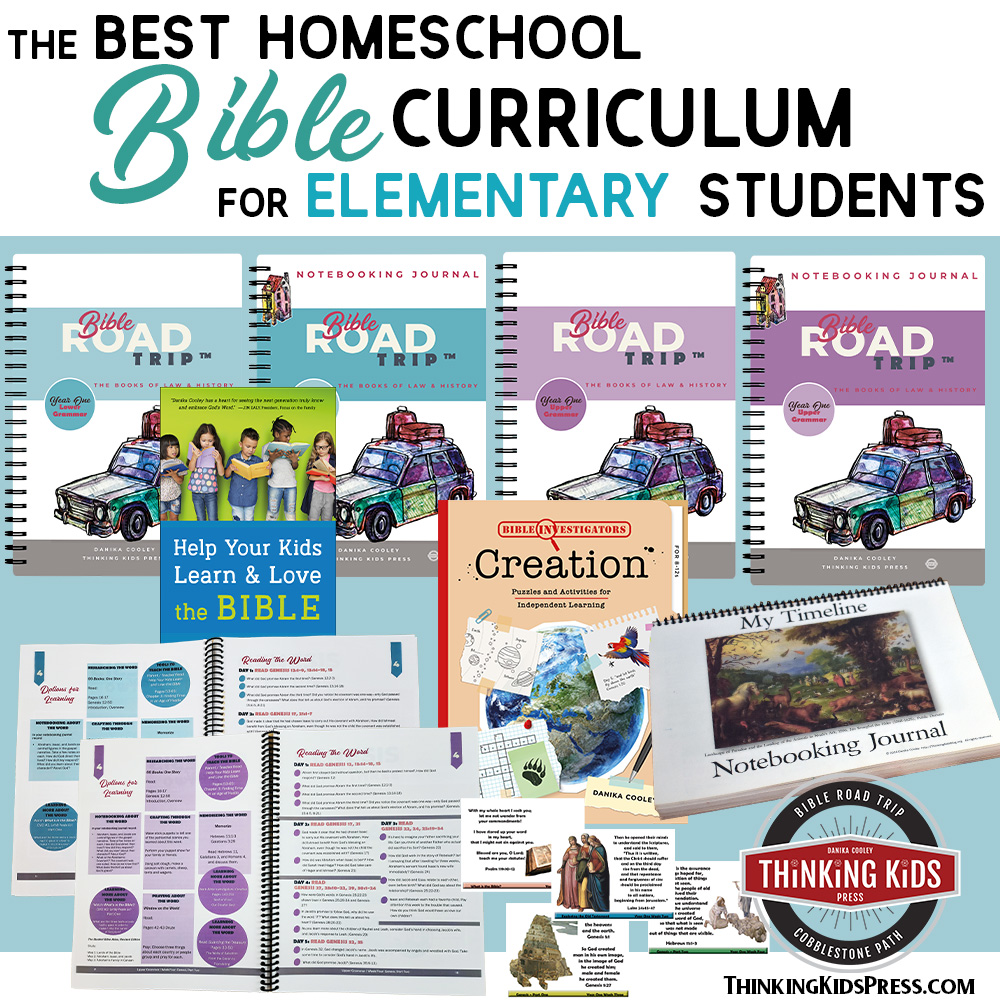
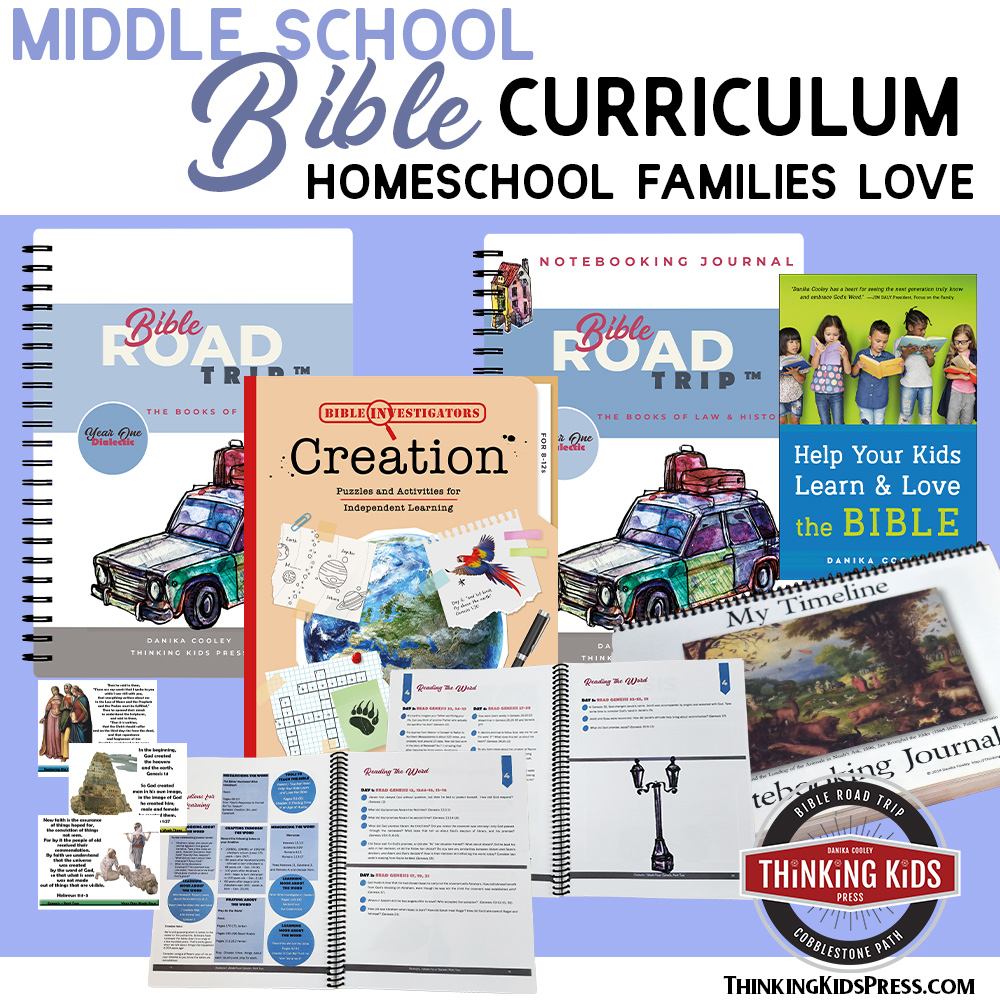
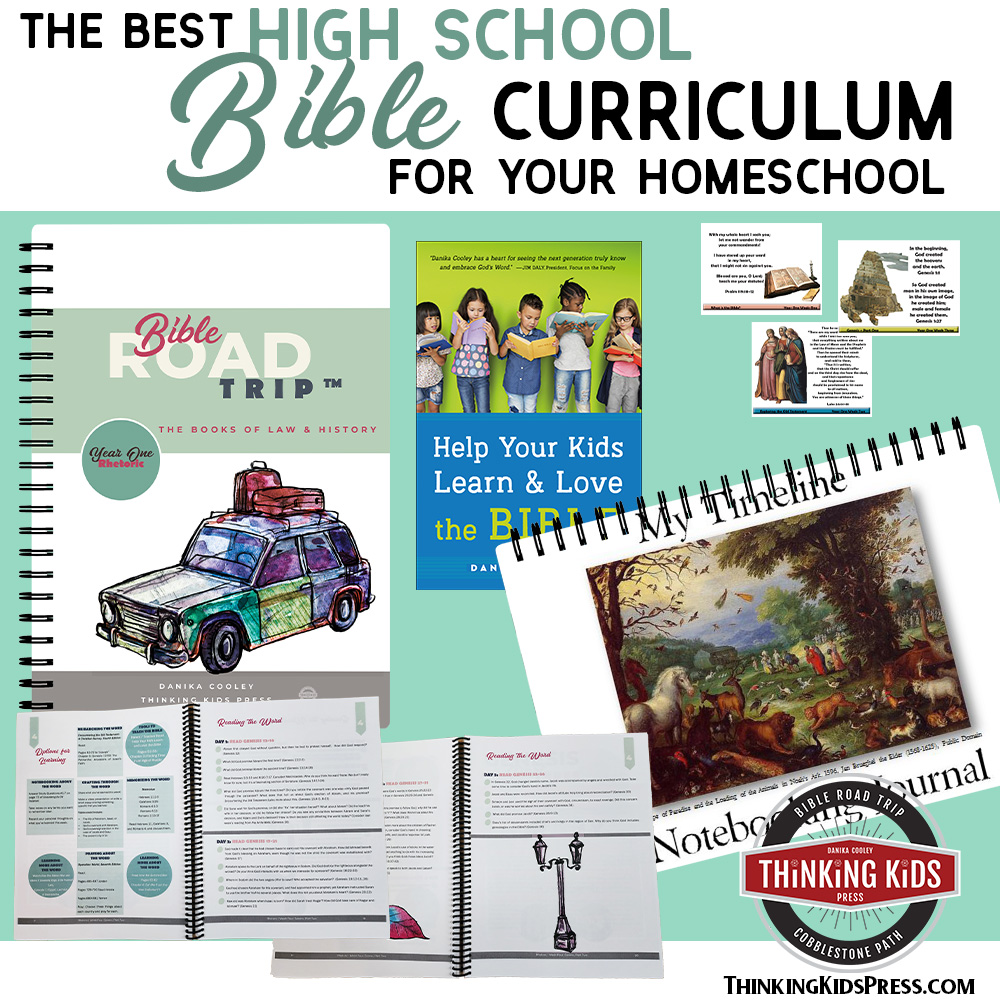
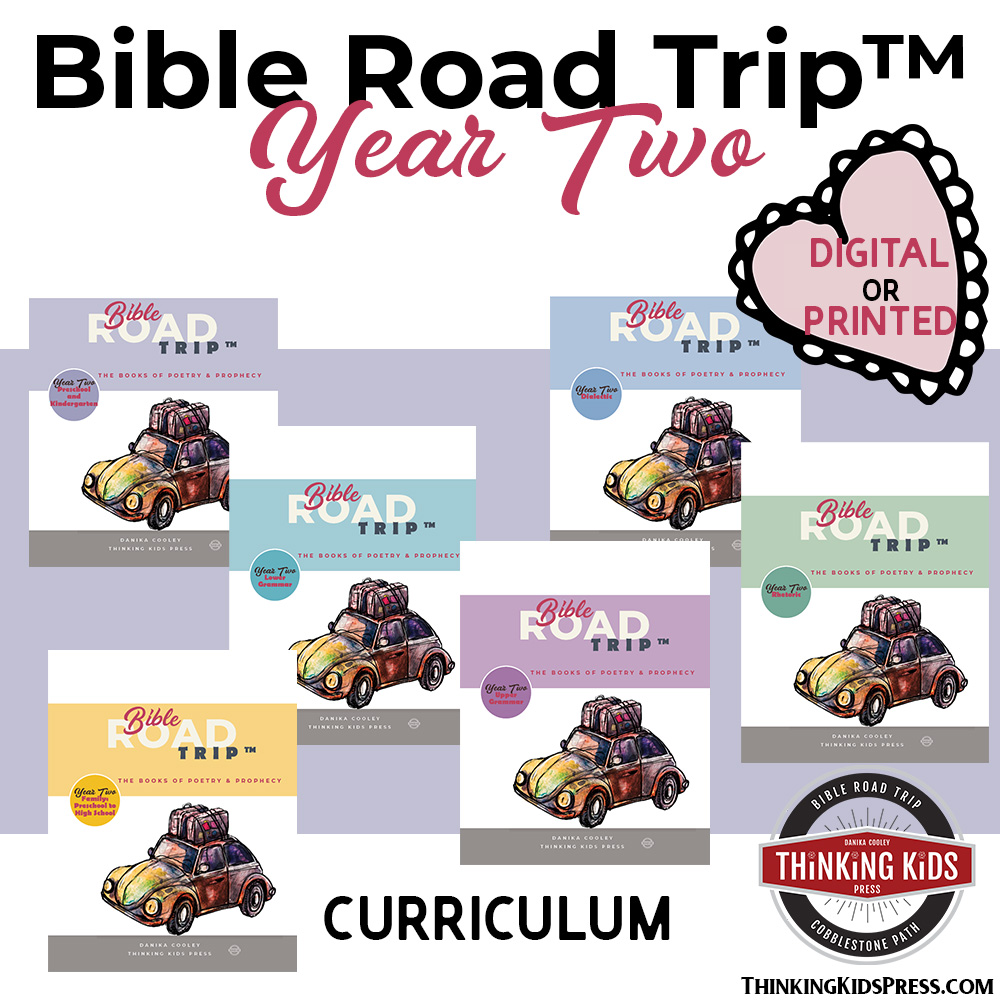
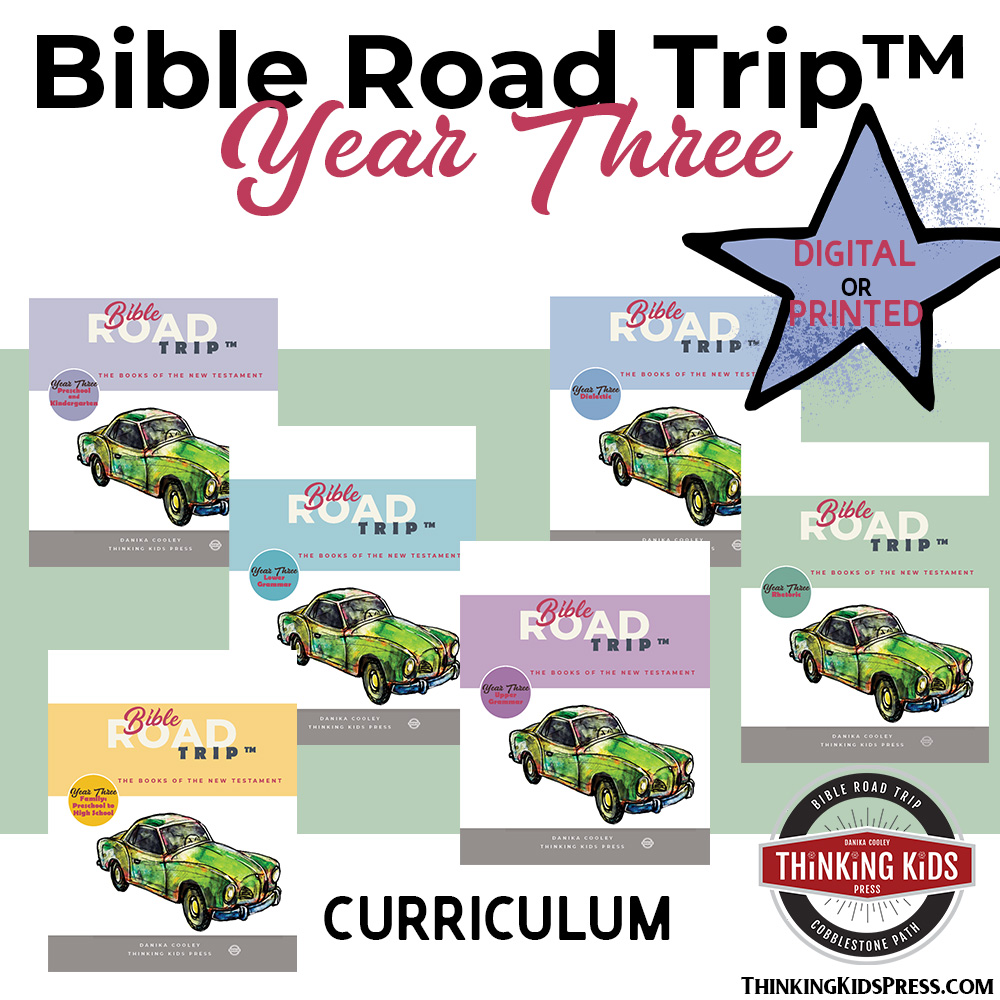
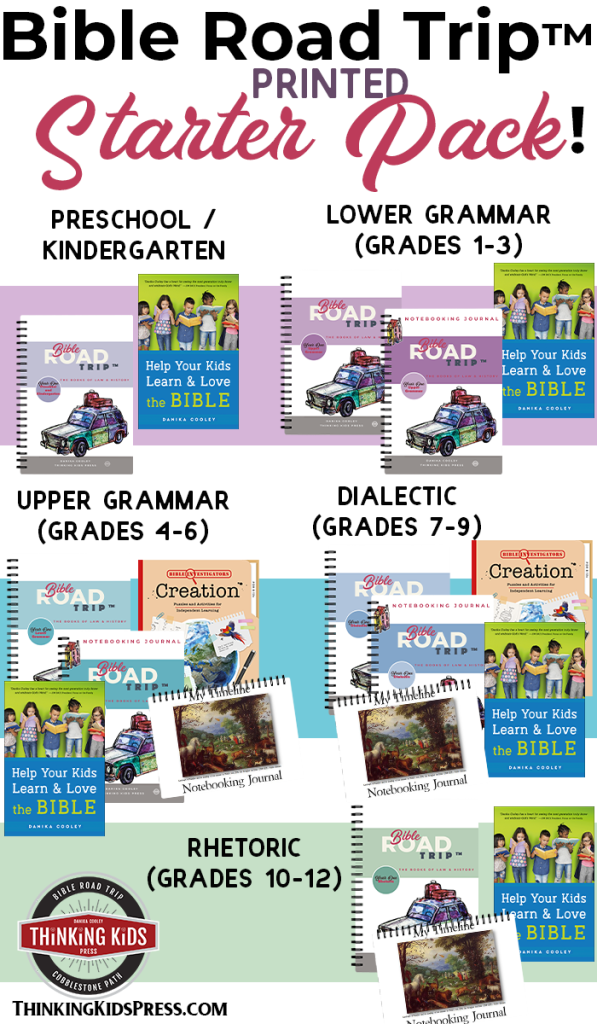
Teach Your Kids the Bible with Bible Road Trip™
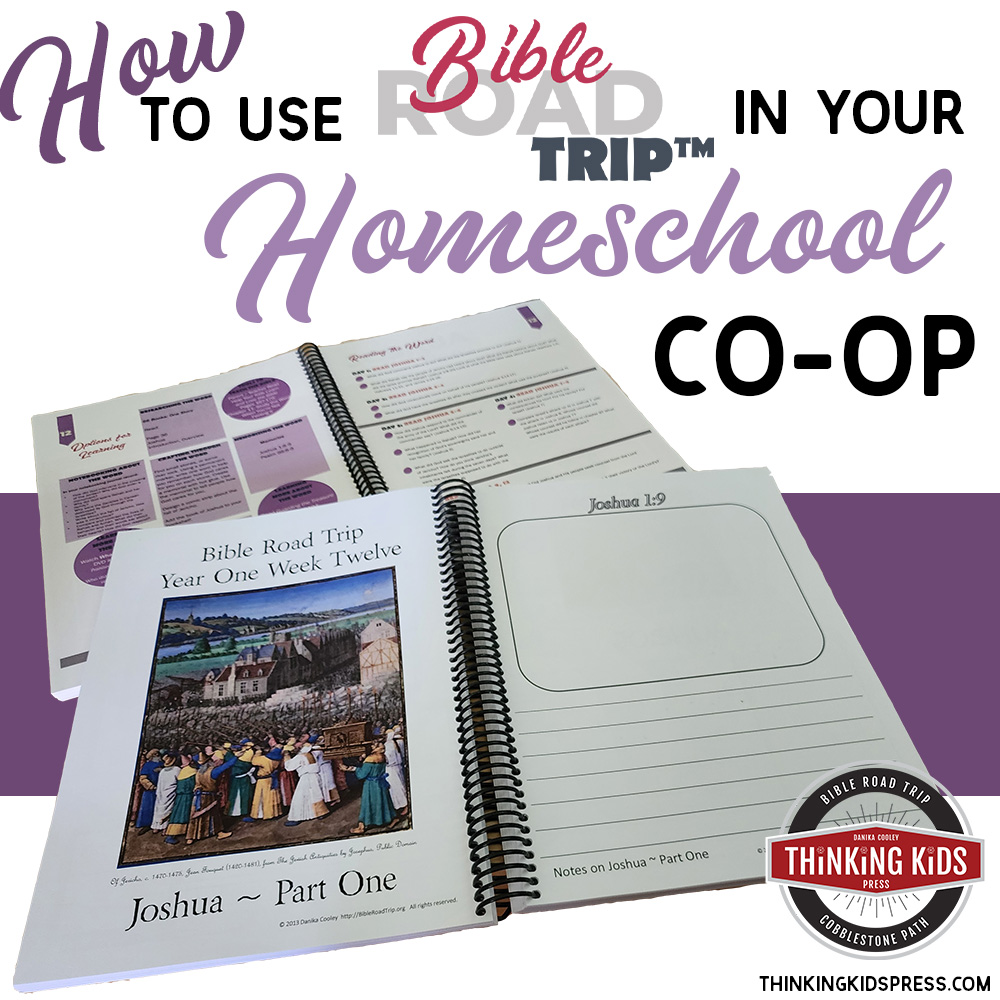
To help you get the most out of your studies, Bible Road Trip™ has an array of coordinating weekly activities:
- Researching the section of the Bible you’re studying
- Reading and discussing the Bible
- Memorizing Scripture
- Notebooking about your studies
- Praying for the nations
- Suggestions for further study
- Crafting about what you’ve learned
- For your older students: A project to share what they’ve learned
- Bible Road Trip™ also has some great tools you can use along with it, such as:
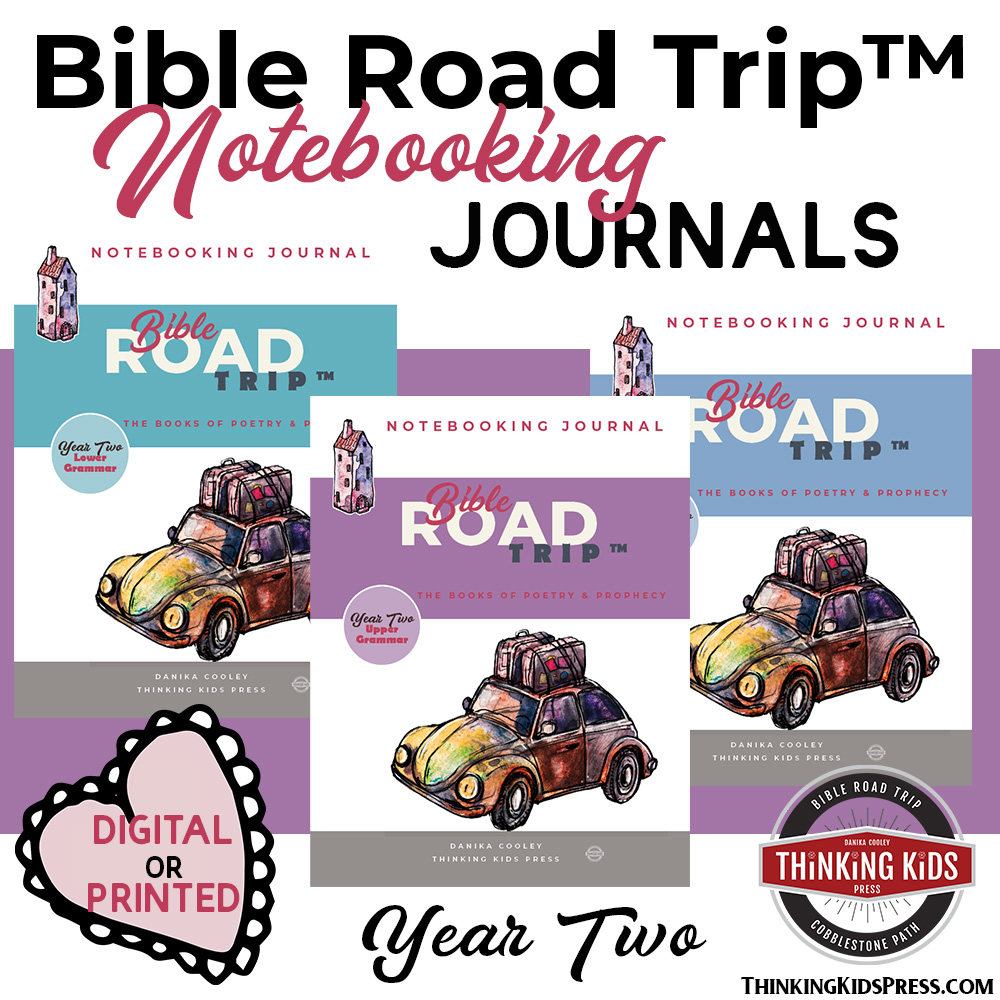
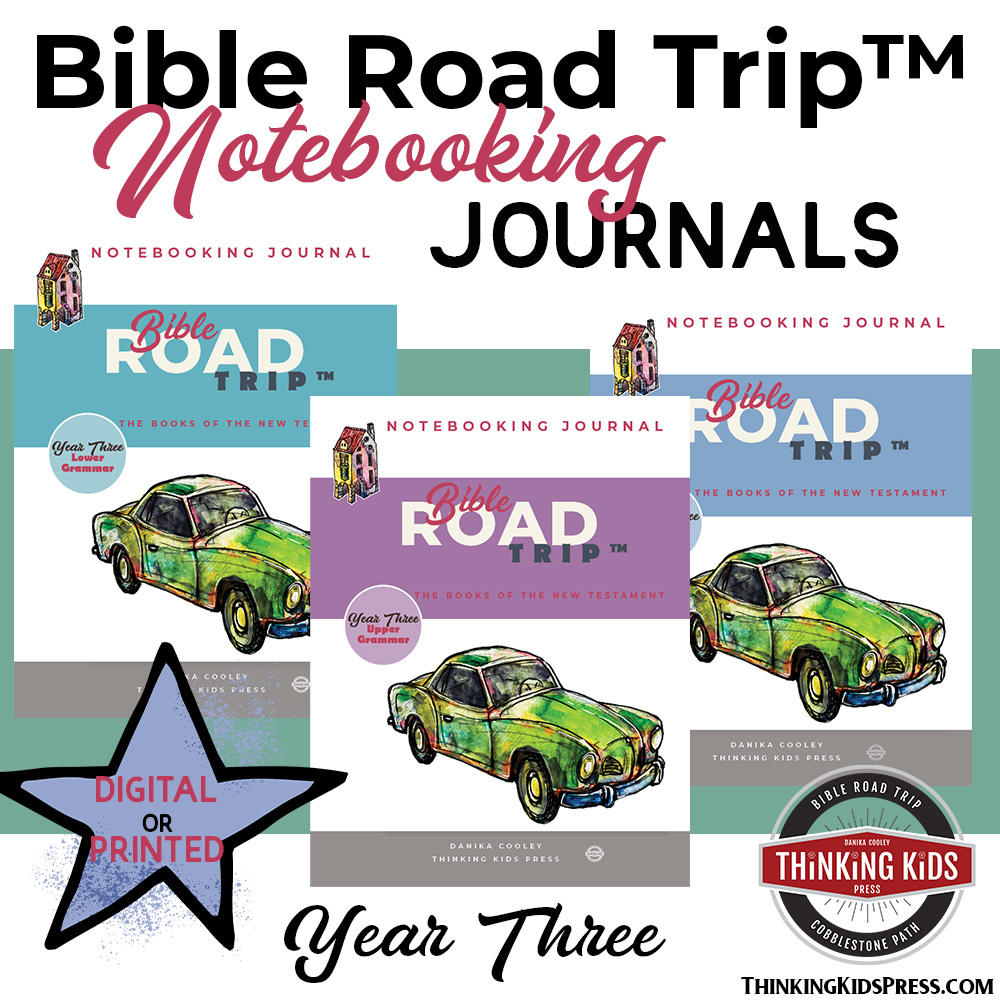
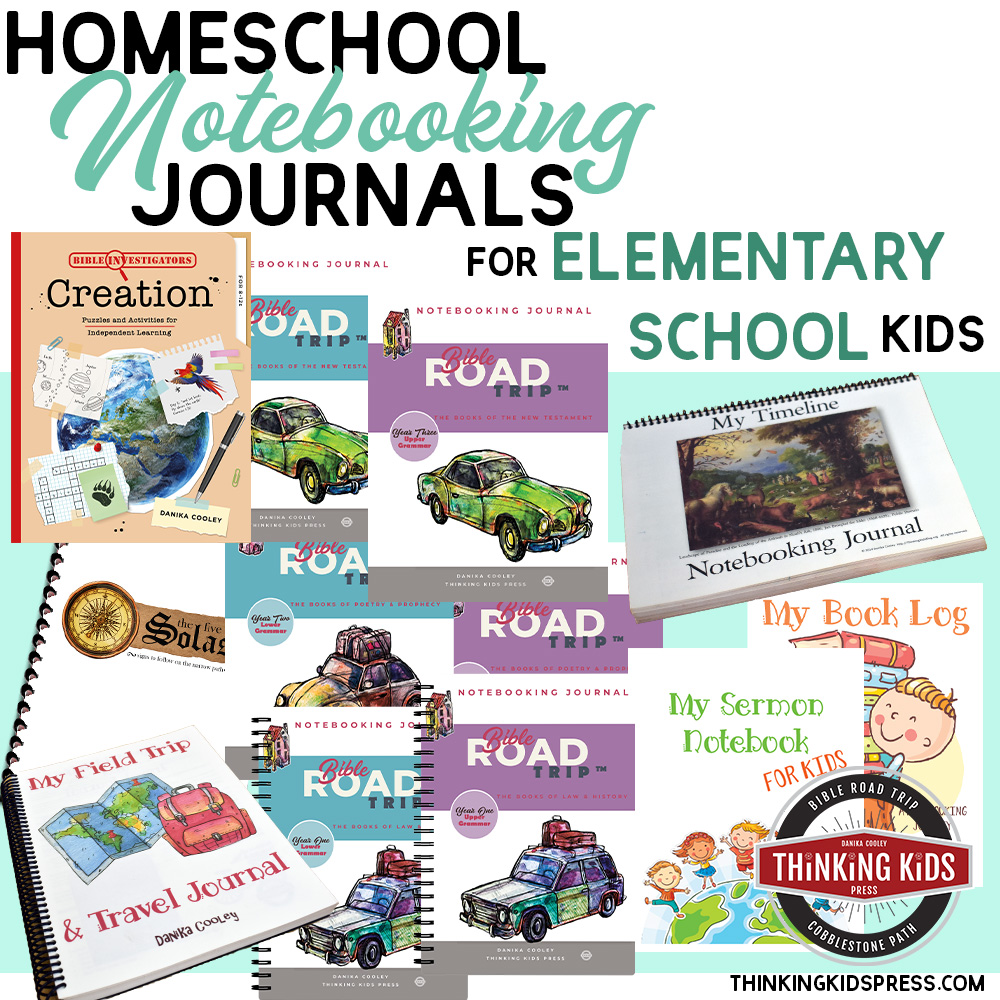
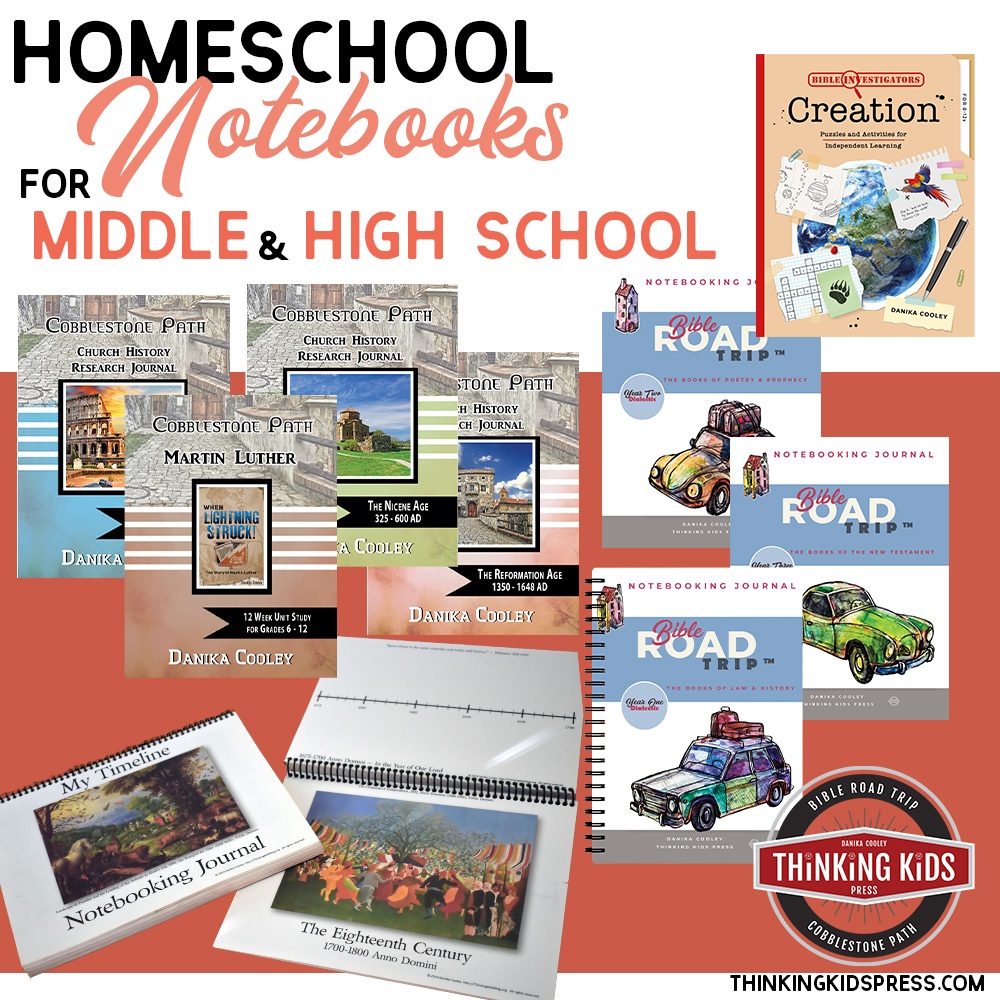
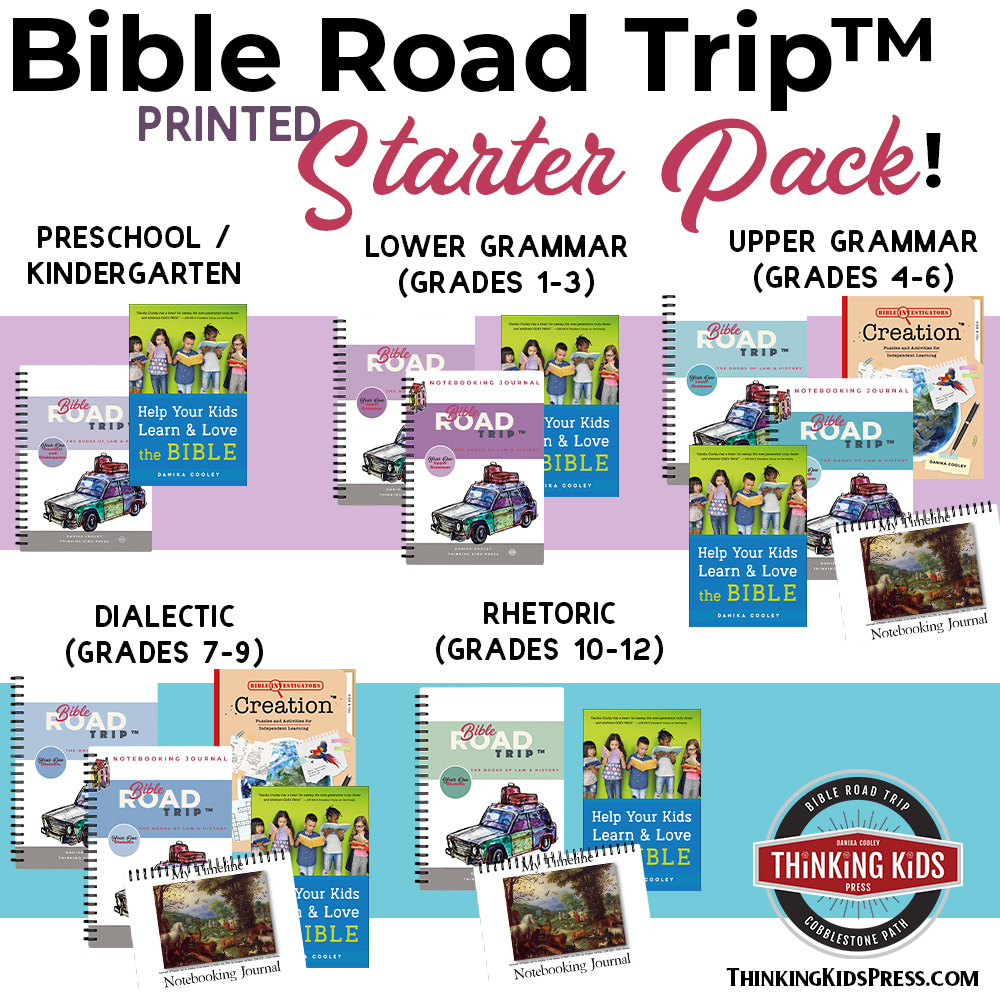
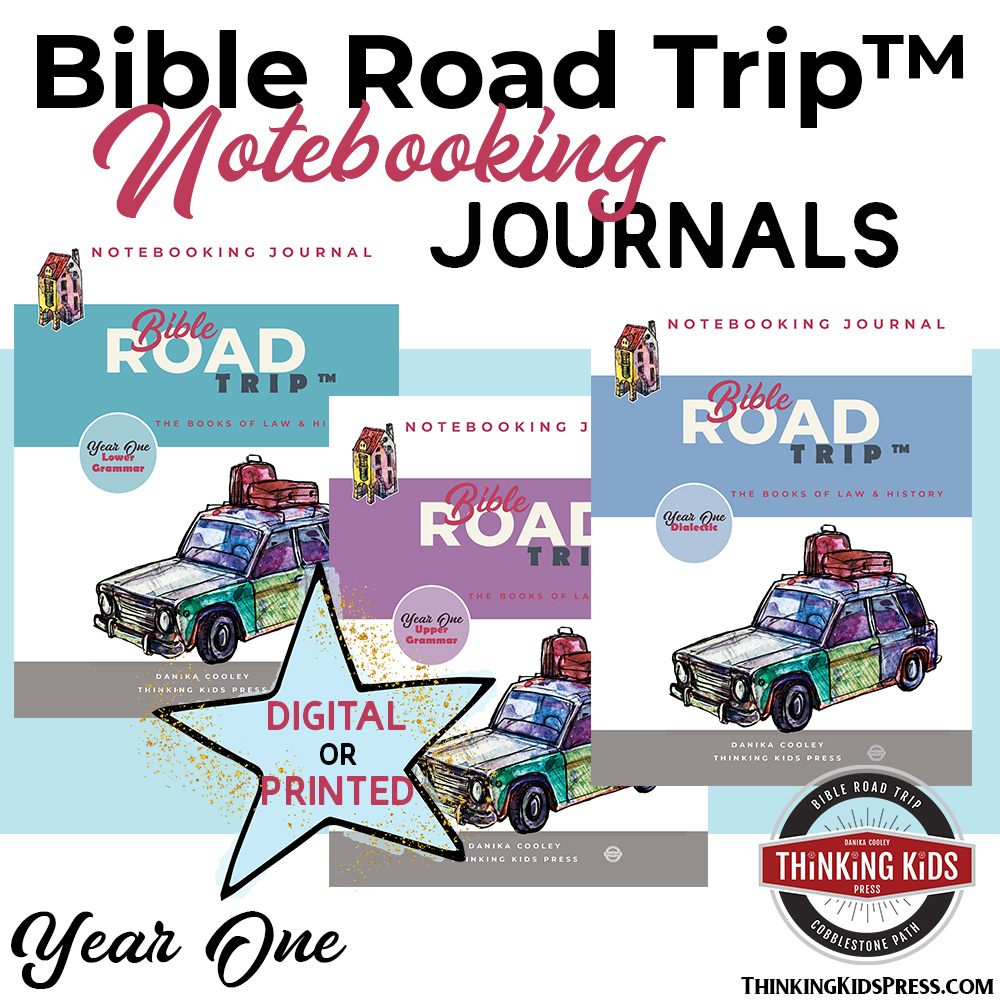
- Notebooking Journals for grades 1-9. Want a structured notebooking journal for high school? Don’t hesitate to use the Dialectic journal (grades 7-9).
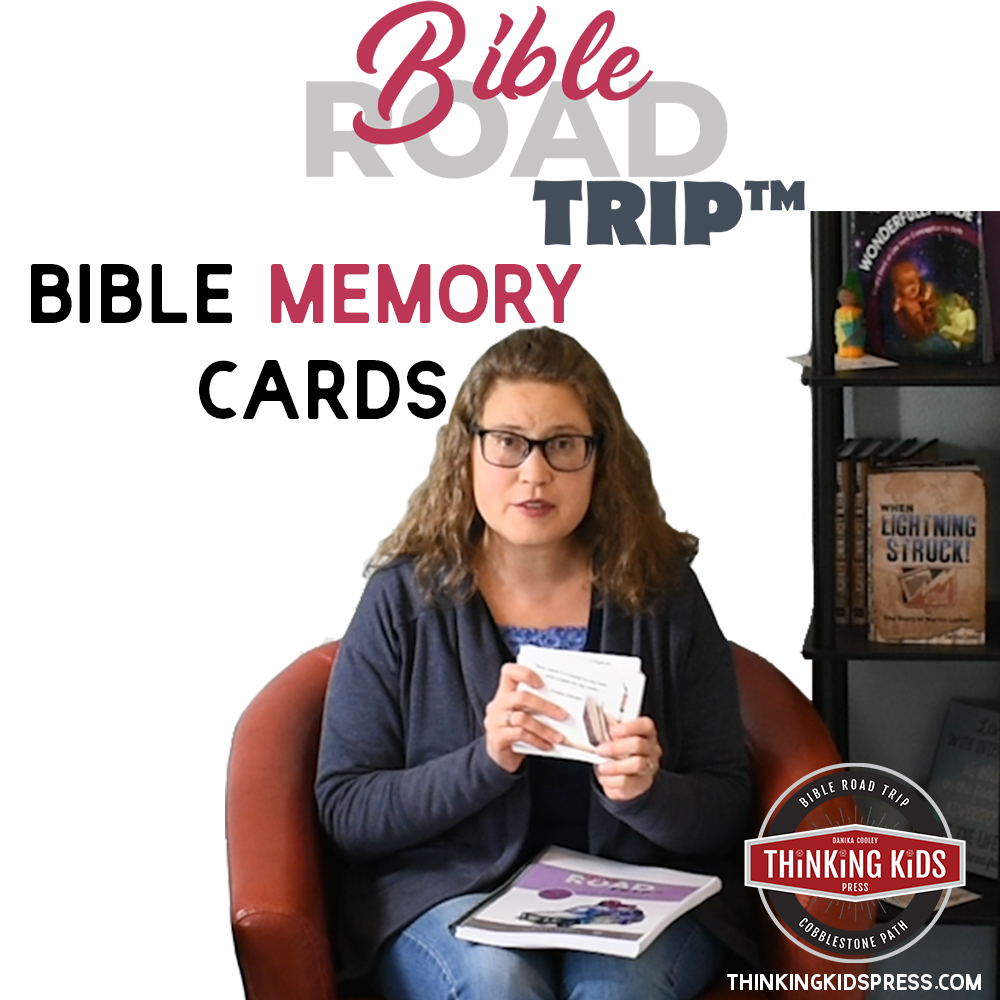
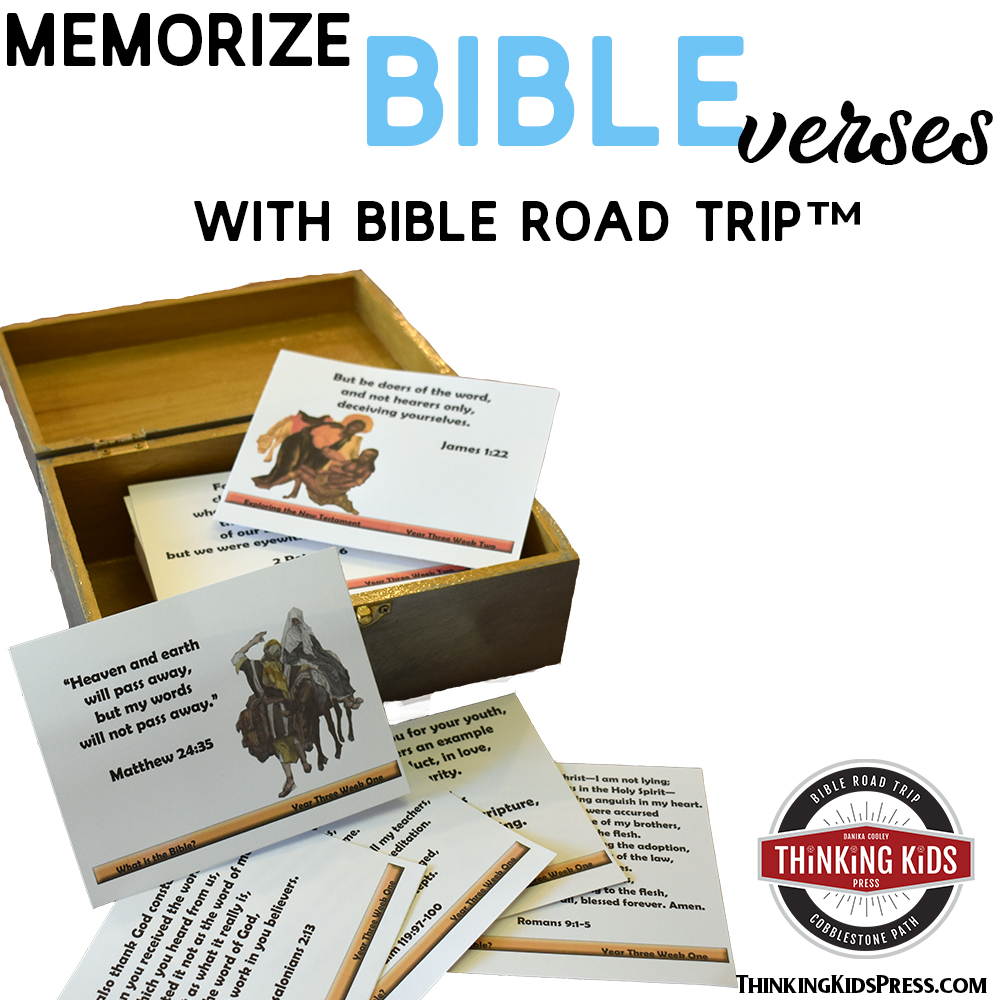
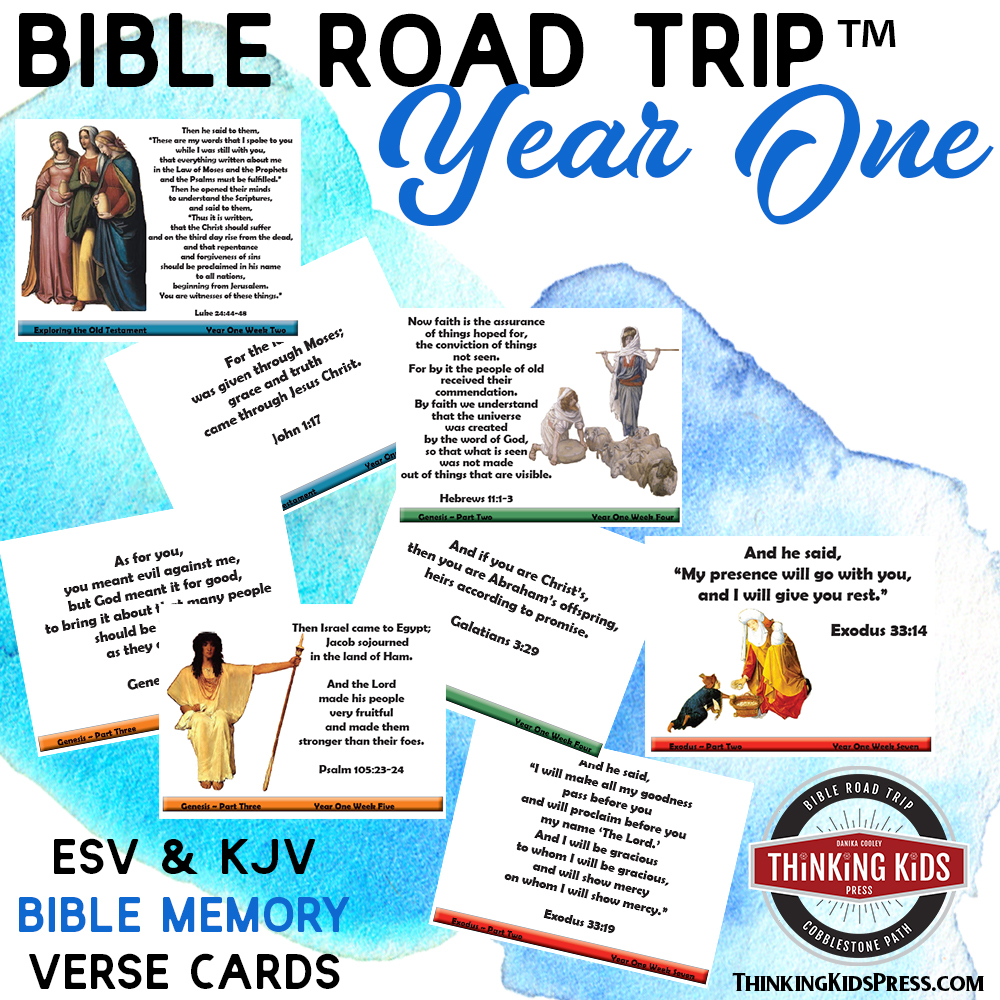
- Bible Memory Card Sets for all five levels of study, preschool to high school. These are available in both ESV and KJV.

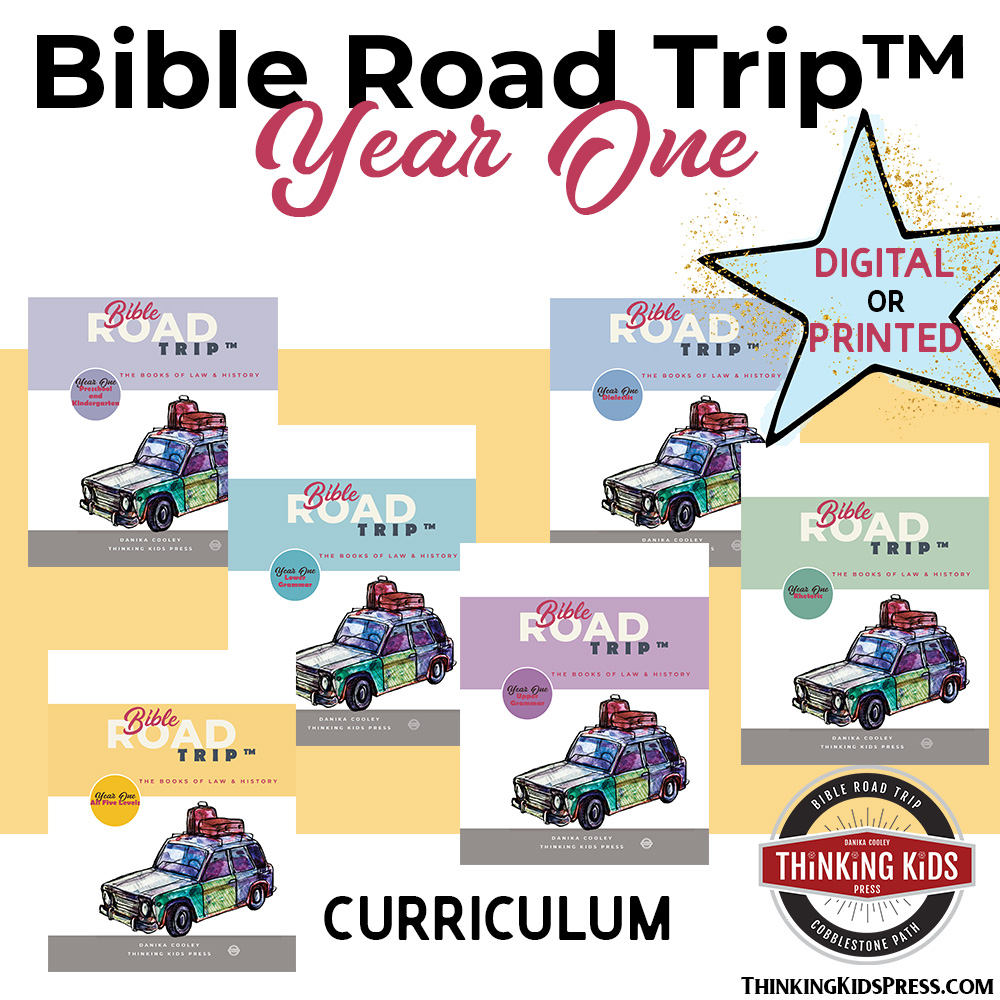
Grab your Bible Road Trip™ Year One Sample Pack. You’ll get:
- The Bible Road Trip™ Parent / Teacher Guide.
- The first three weeks of the curriculum for all five learning levels. Week Three is where we really dive into the Bible and begin to our systematic study. Week Three will give you a good feel for the rest of the curriculum.
- The first three weeks of the Bible Memory Card sets for all five levels, in ESV and KJV.
- The first three weeks of each of the three leveled Notebooking Journals.
Grab the Sample Pack for FREE:

Disciple your kids by taking your family through the Bible together in a meaningful way!

The 2024 Practical Homeschooling® Reader Awards™ were announced in the Fall 2024 issue of Practical Homeschooling® magazine.
The Reader Awards have been a regular feature in the magazine since 1998.
Thousands of homeschoolers rank the curriculum they have used, and the products with the highest satisfaction ratings win.
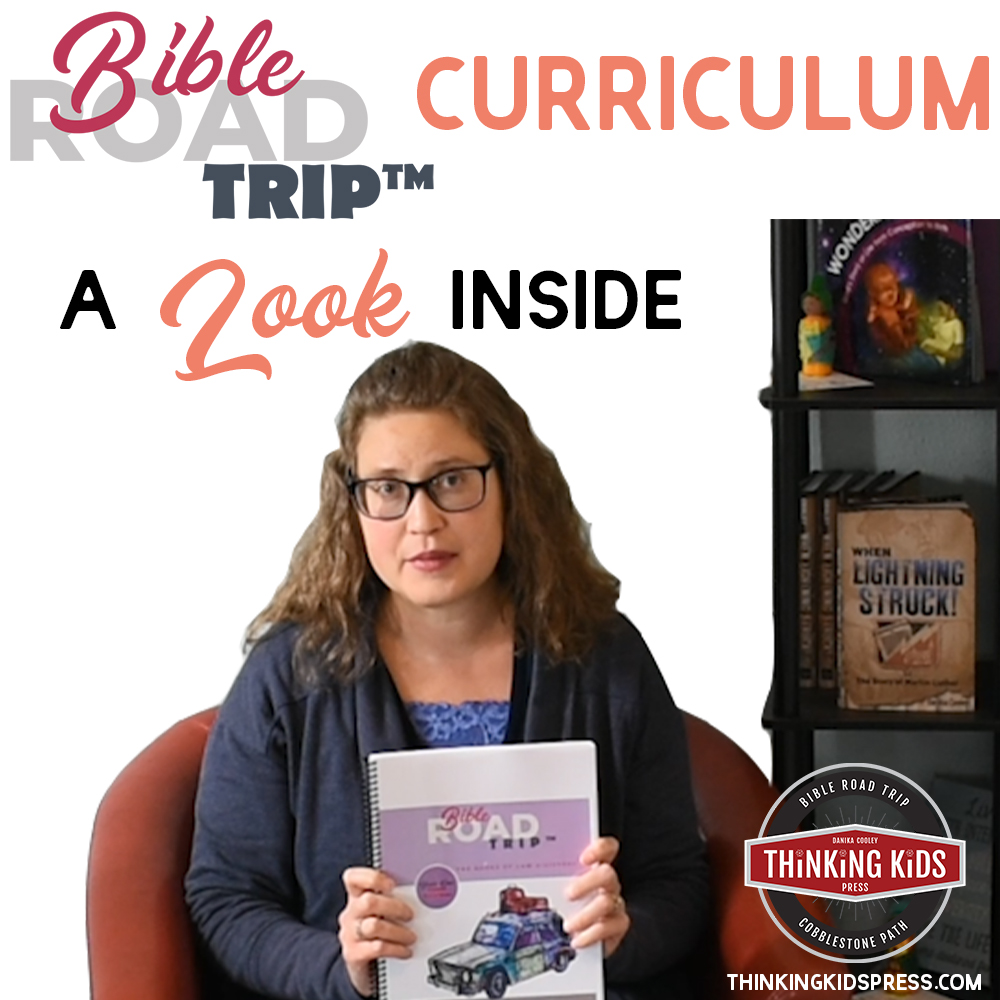
Bible Road Trip™ Curriculum
Take a look inside the Bible Road Trip™ curriculum! Let me show you around:
Bible Resources for Your Kids
Learn More HereLearn More HereLearn More HereLearn More HereLearn More HereLearn More Here
More Thinking Kids Posts You’ll Love