

Now, more than ever, it’s important that they understand history, and that they see God’s hand in the movements and events of the past.
Slavery for Kids
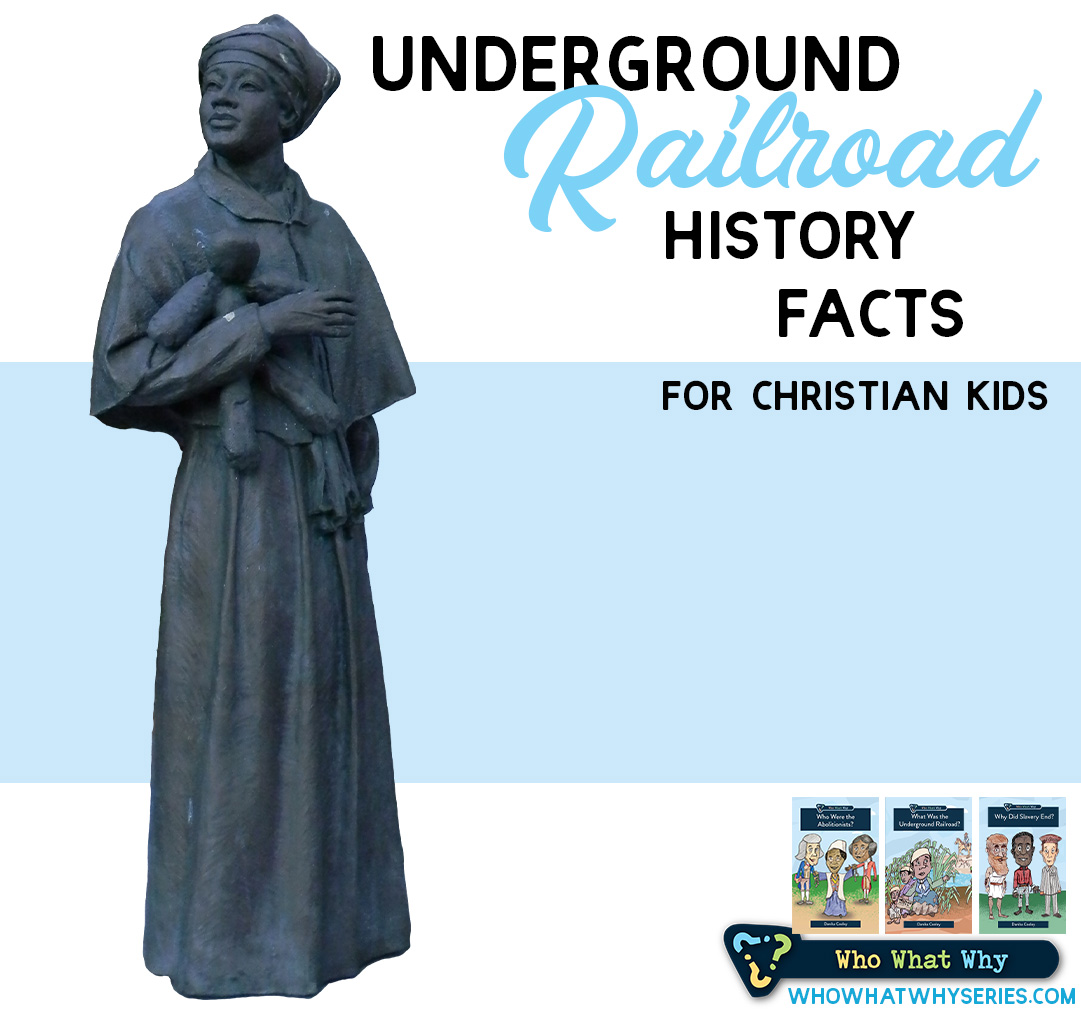
Slavery is a subject that’s difficult to cover with children. There are few appropriate resources that offer an accurate overview of the history of the end of slavery. Further, it’s nearly impossible to find middle grade resources that present a theological explanation of what the Bible says about chattel slavery.
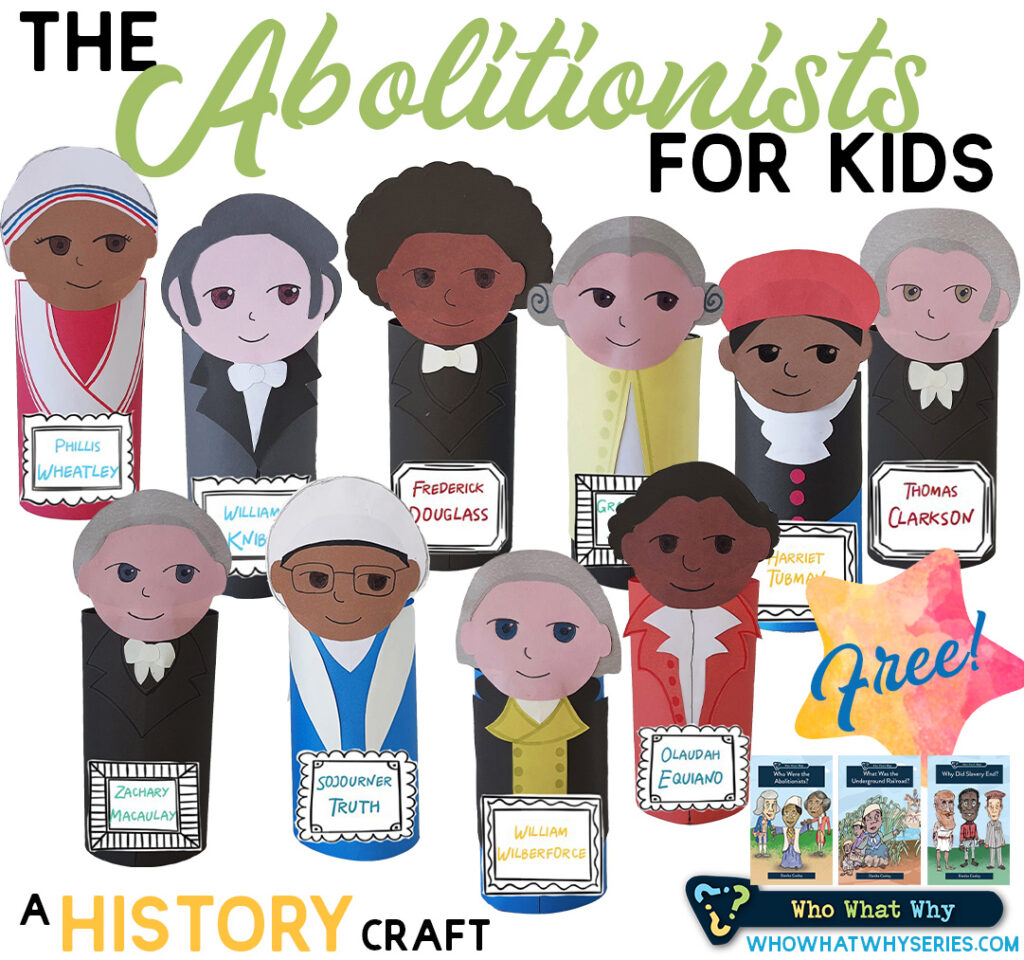
This unit study on the end of slavery will help your kids learn what the Bible says about kidnapping and selling humans and about how God constrains sin. Your kids will also learn that we are created in the image of God, about God’s plan for his family, and about biblical justice. Children will study the fight for abolition in each region–and many countries–of the world.
Best, your kids will use God-honoring, biblical resources that are appropriate, engaging, and uplifting for 7-12 year olds.

A Unit Study that’s Fun, Christian, Biblical, and Non-Woke
It’s so important that our kids can explain the biblical basis for abolition. After all, the Christian fight to end slavery was a battle to return to the truths of Scripture.
This unit study on the abolition of slavery is written and designed from a Christian worldview with Scripture as the lens, rather than from a cultural Marxist view where race is the lens through which society is filtered. Our children need to understand that the bulk of the work done to end chattel slavery was done by Christians, to the glory of God. Their arguments were based on Scripture, and God does–in fact–outlaw chattel slavery in his Word.
They will learn, too, that there were people who claimed their wickedness was supported by God’s Word. It’s vital that our kids know what the Bible actually says so they can live according to God’s commands for his people. We need to know, too, that there are those who seek to twist God’s Word for evil gains. As followers of Christ, we are to be on the lookout for false teachers and prophets (2 Peter 2).
Christian history is important. We don’t want to skip teaching our kids about important movements because we are afraid they will fall into a common or pervasive misunderstanding or misrepresentation of history.
Rather, we want to teach them:
- What God’s Word says
- How God used his people to end injustice and further hope
- How we can respond today to those who would malign the cause of Christ using false arguments.
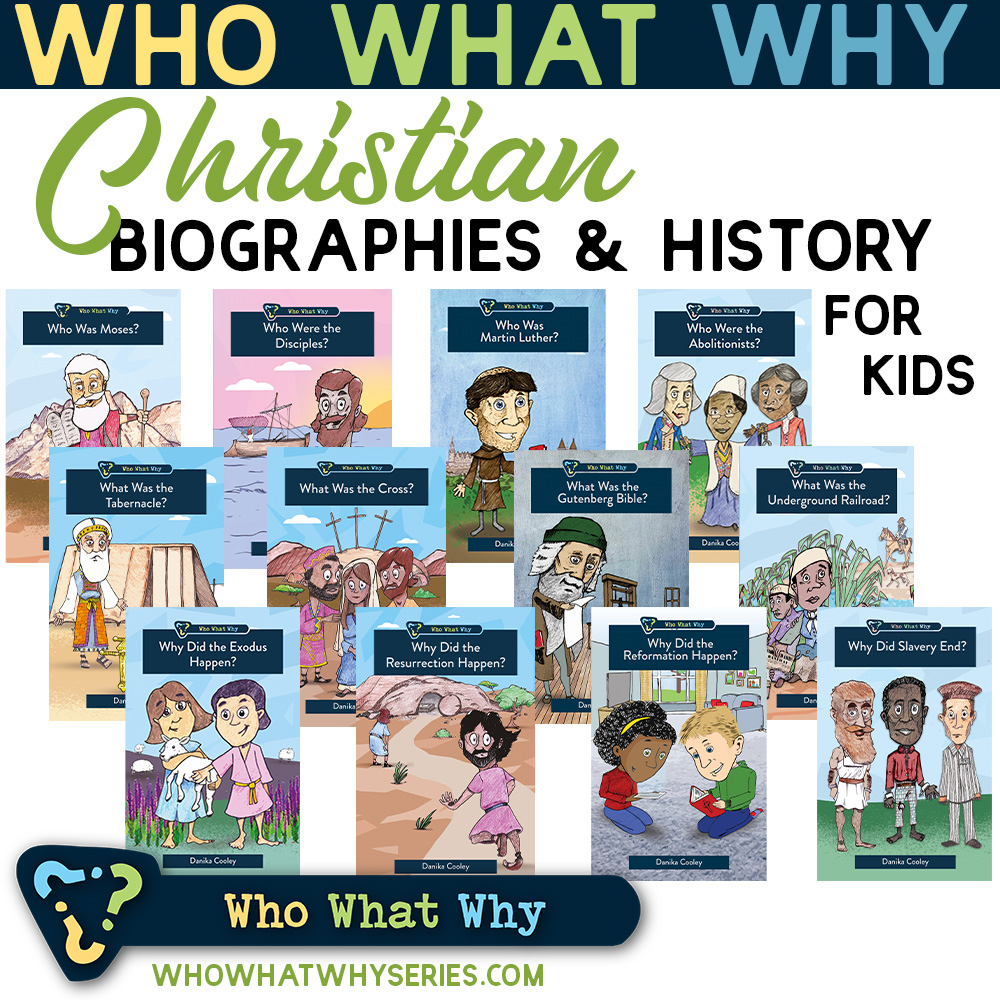
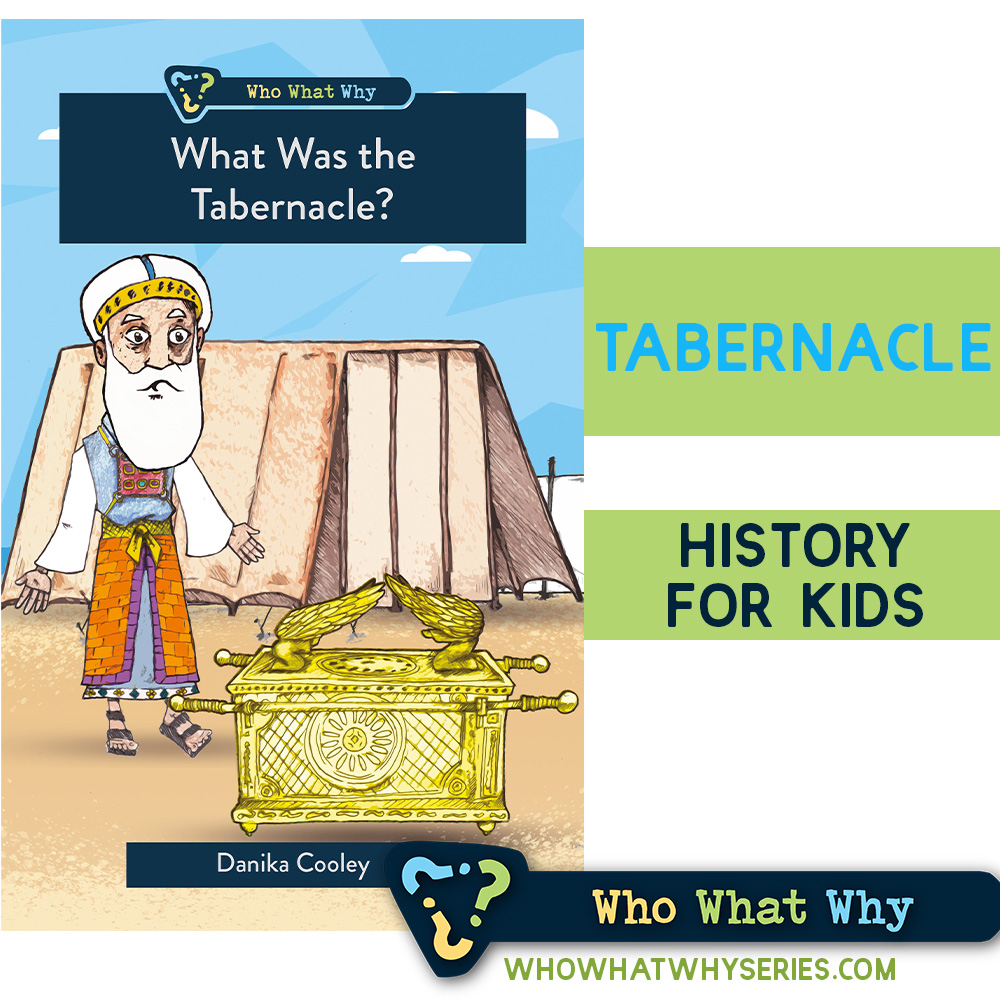
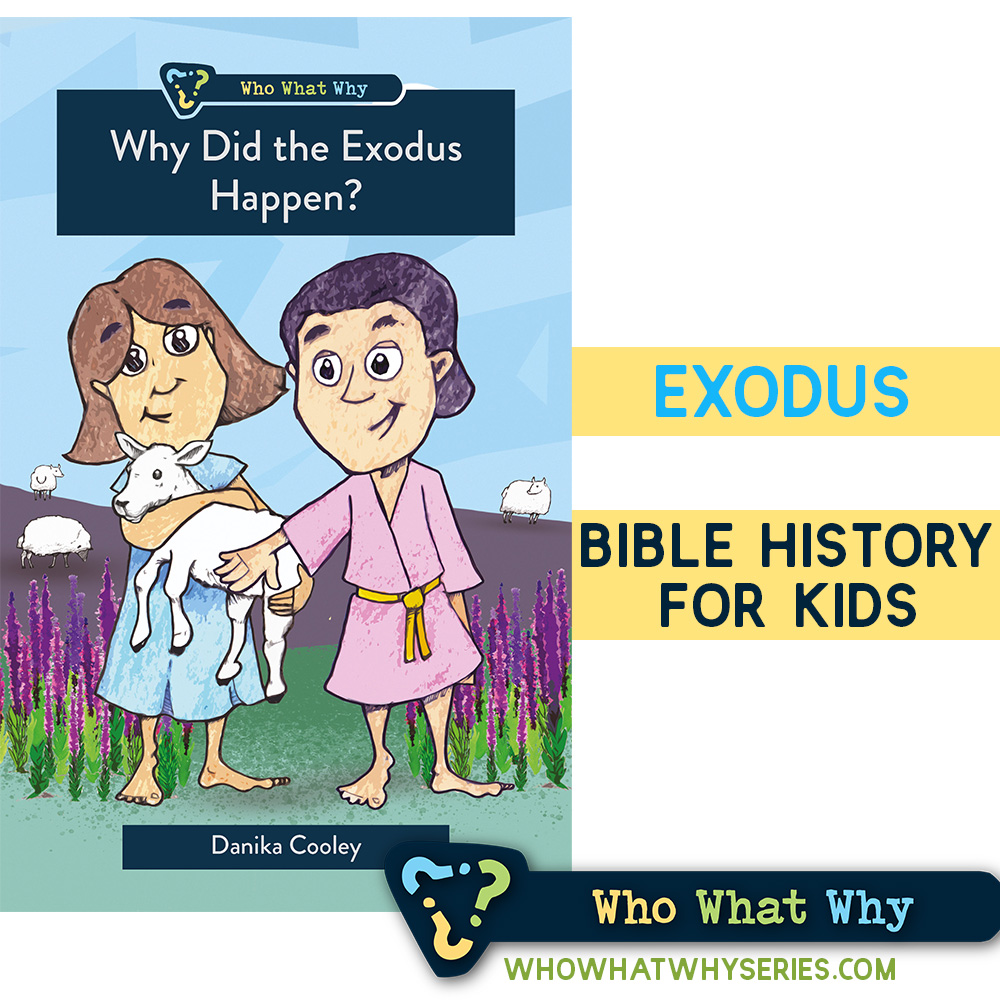
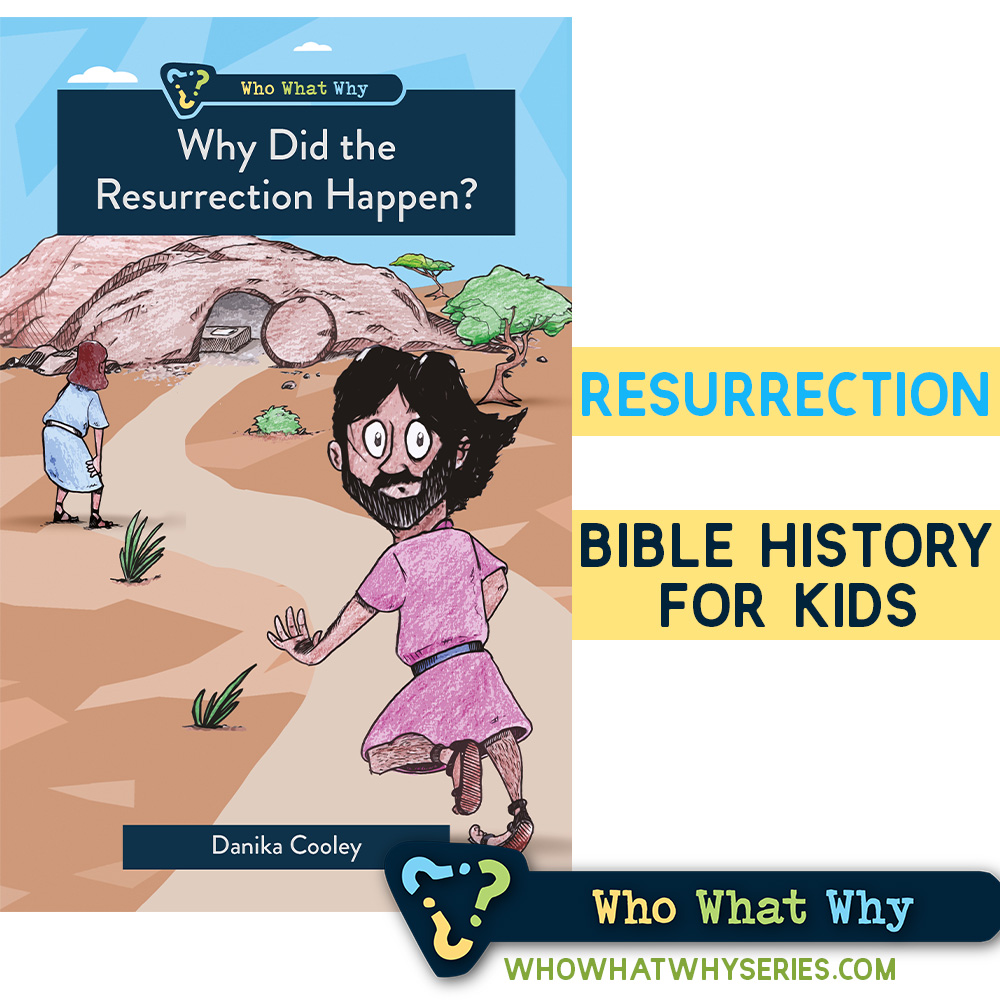
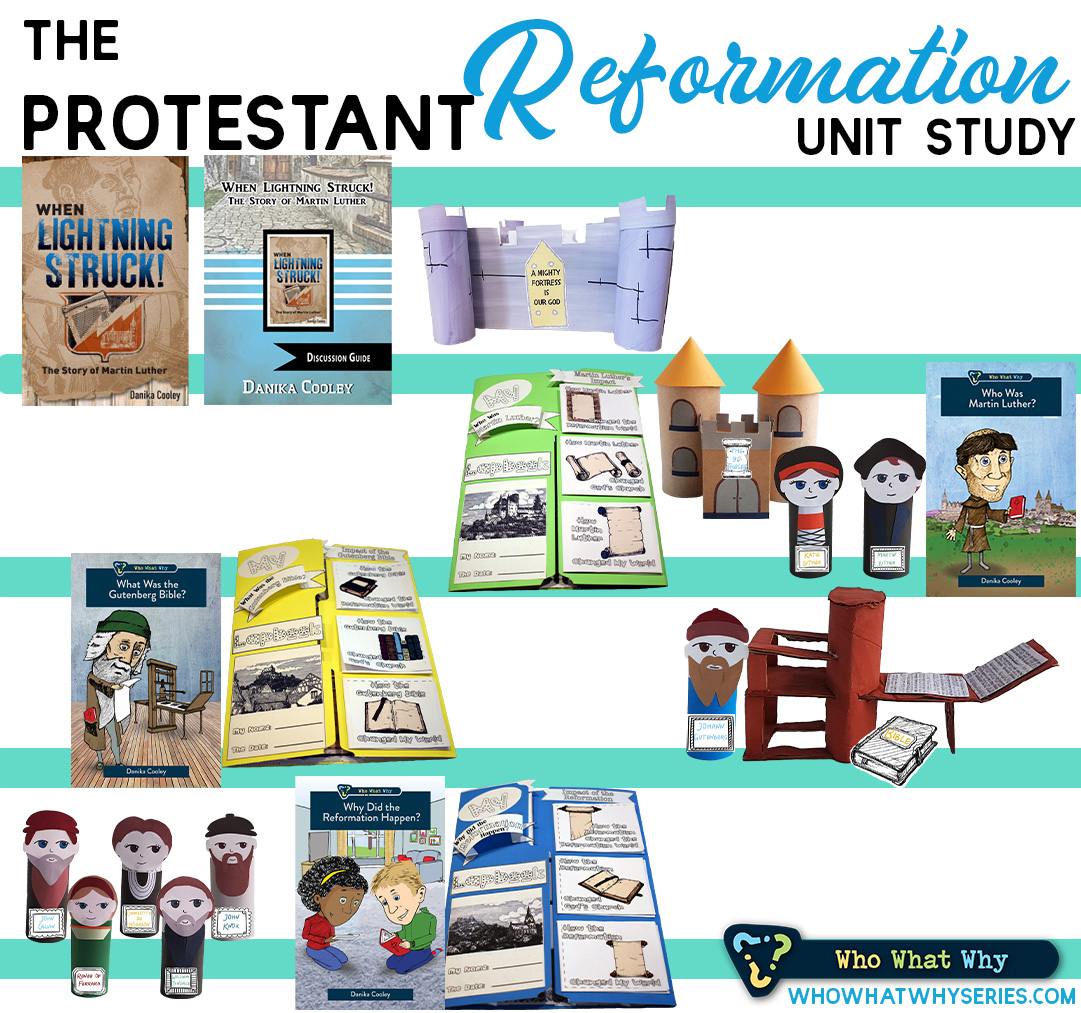
That’s what the Who What Why Christian history series works to do for your children.
The Ending of Slavery Unit Study
They will also have a good overview of how the slave trade ended and how each nation emancipated their enslaved citizens. Your kids will also learn about a 20th-century re-occurrence of slavery and how the world came together to fight against it.

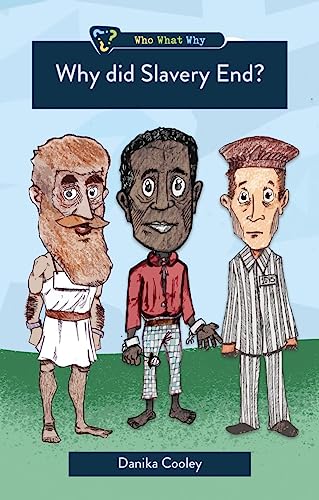


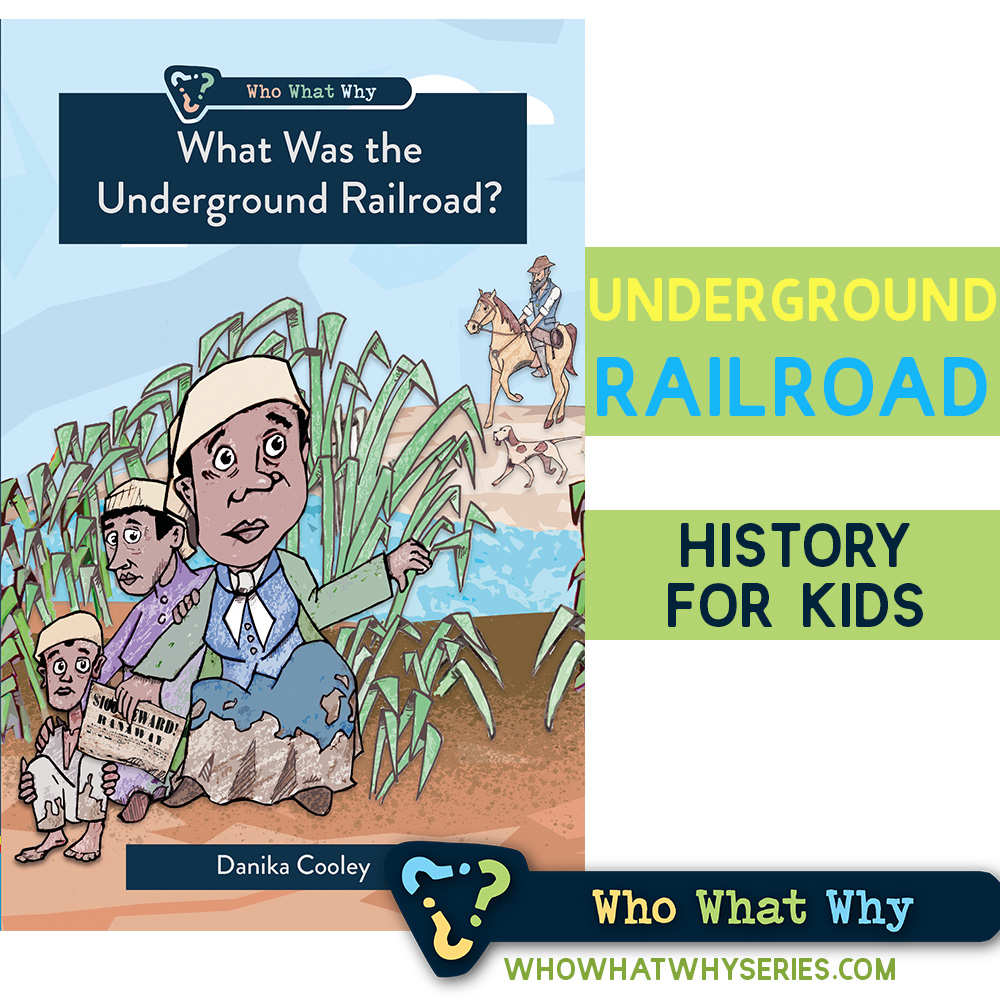
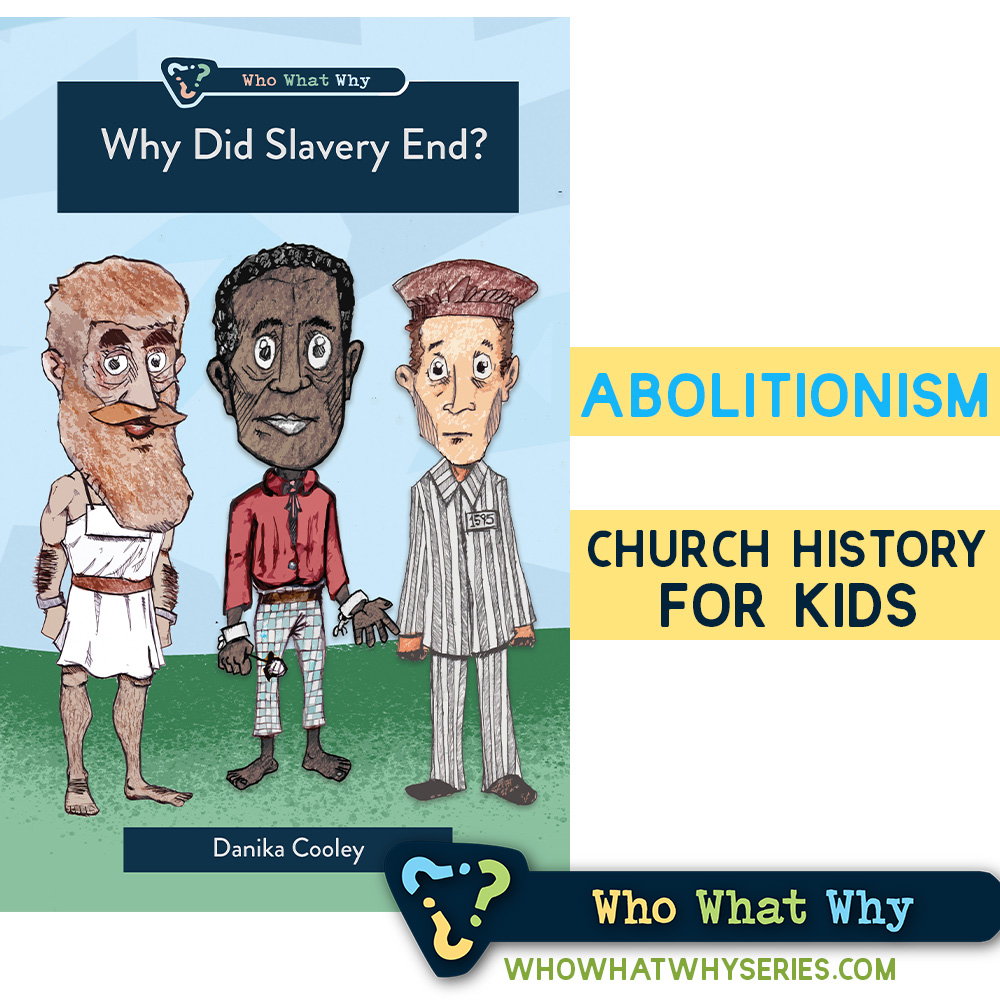
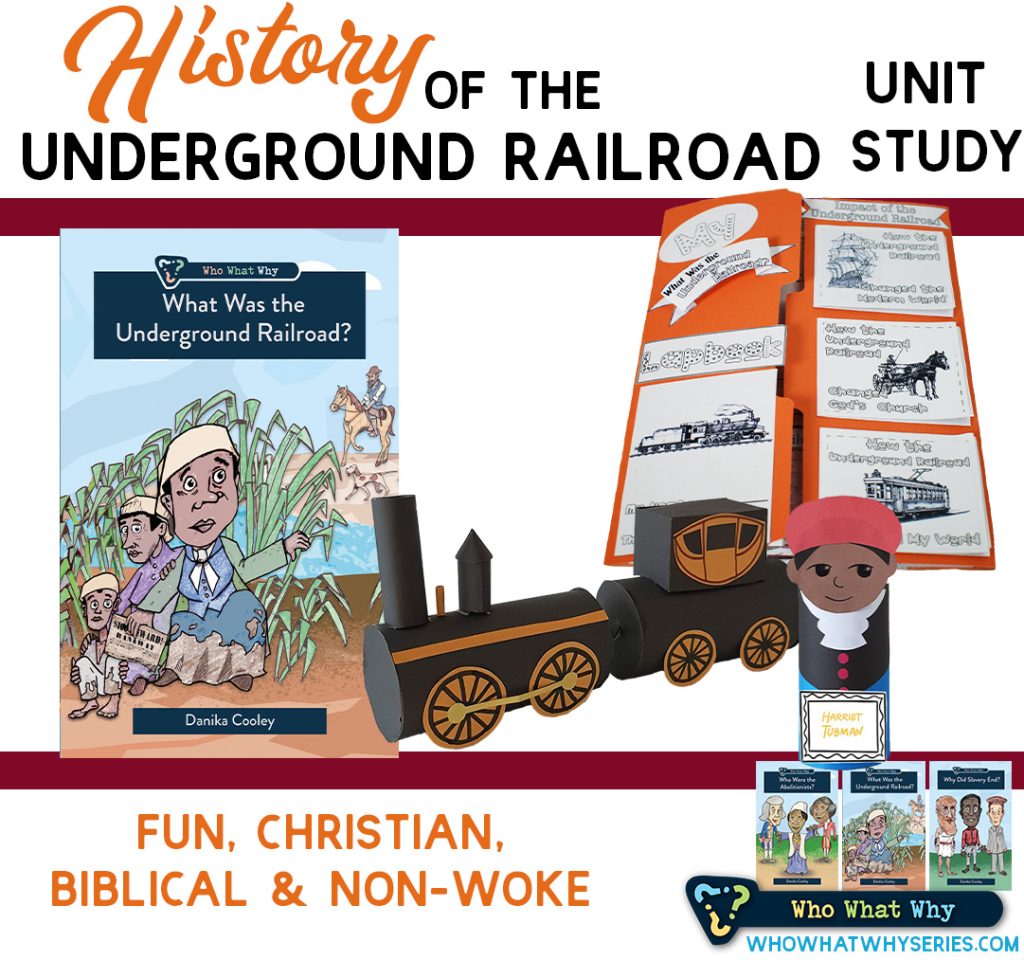
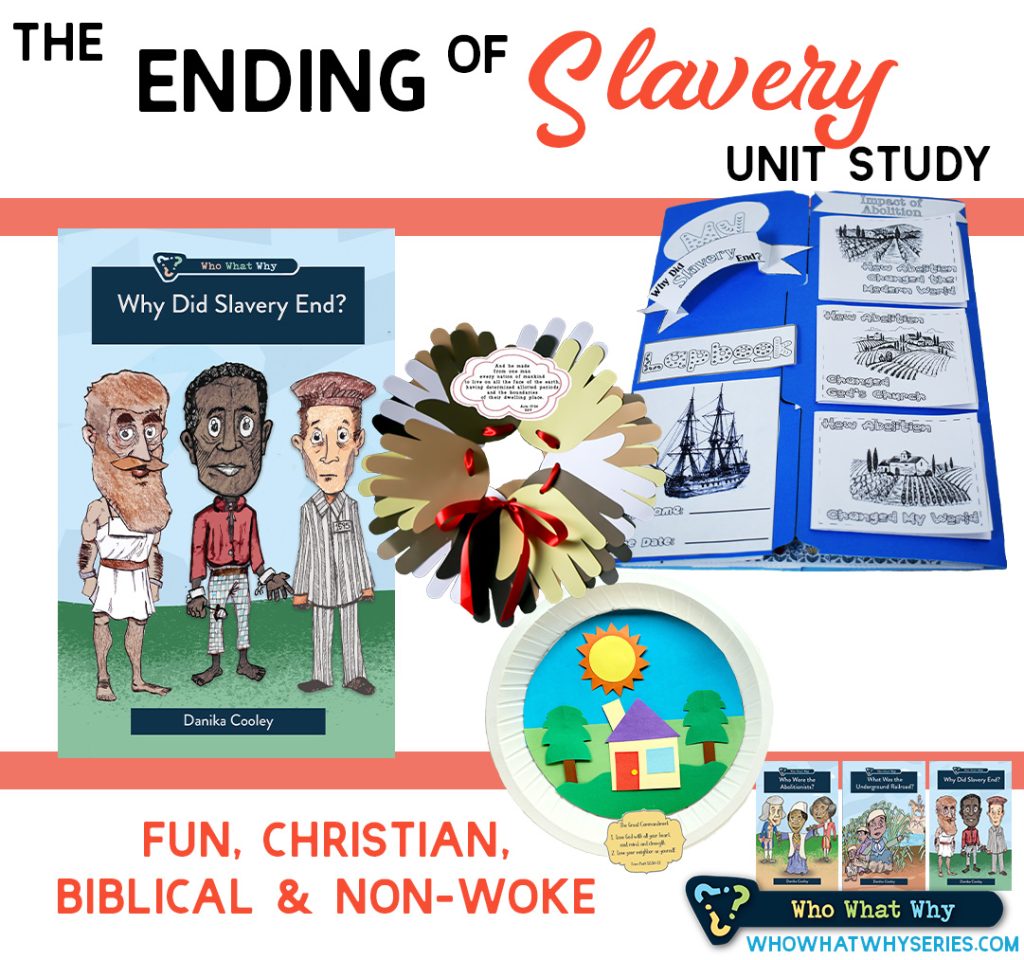
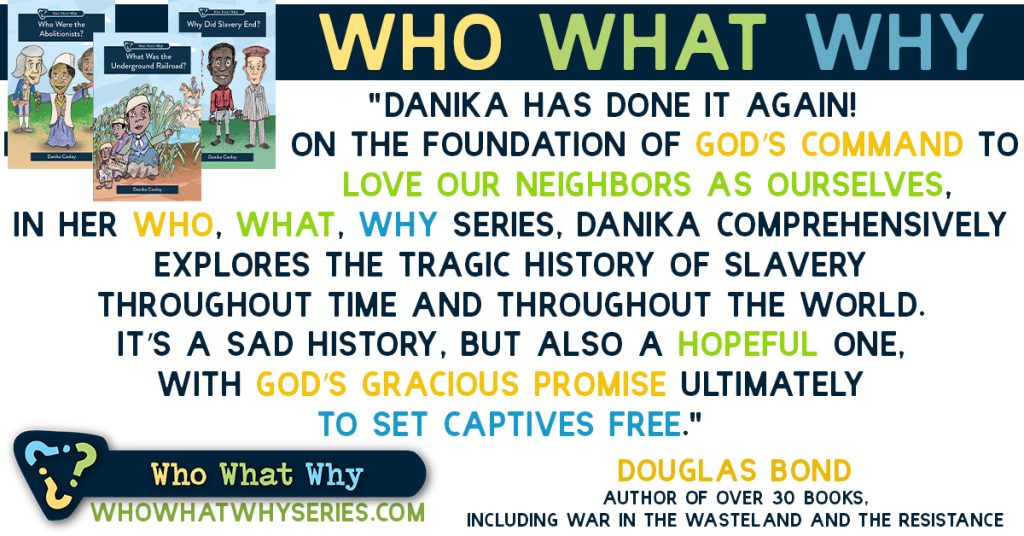
Your unit study on the end of slavery includes a fun, 95-page biography, Why Did Slavery End?, with a world tour through history as Christians fought for abolition, and the Scriptural argument against it.
- Why Did Slavery End? by Danika Cooley | This interesting book (Christian Focus Publications, 2023) covers the biblical prohibition of slavery and commands to love our neighbors and enact godly justice. Kids will also study the end of slavery as they move geographically through the world by region.
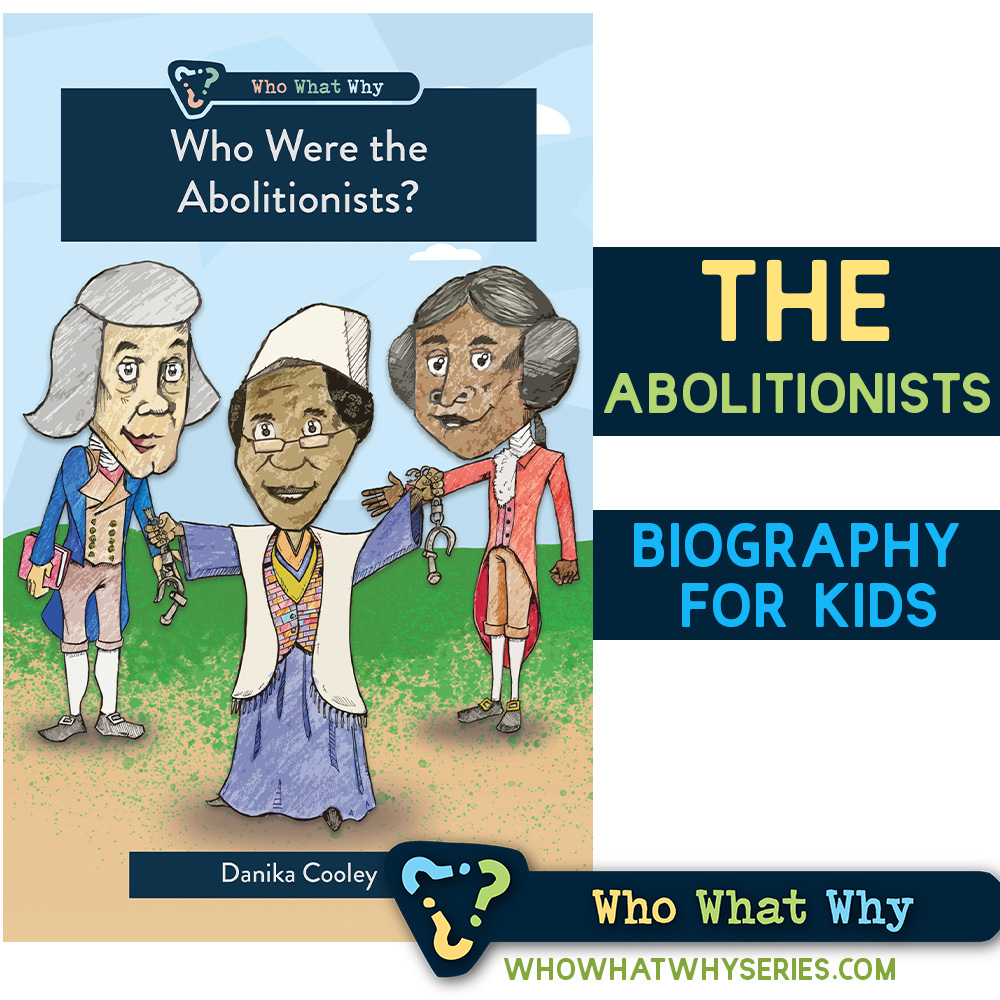
- You can also purchase Why Did Slavery End? from Thinking Kids Press. Or, purchase all three Who What Why | Abolition books together in a bundle.
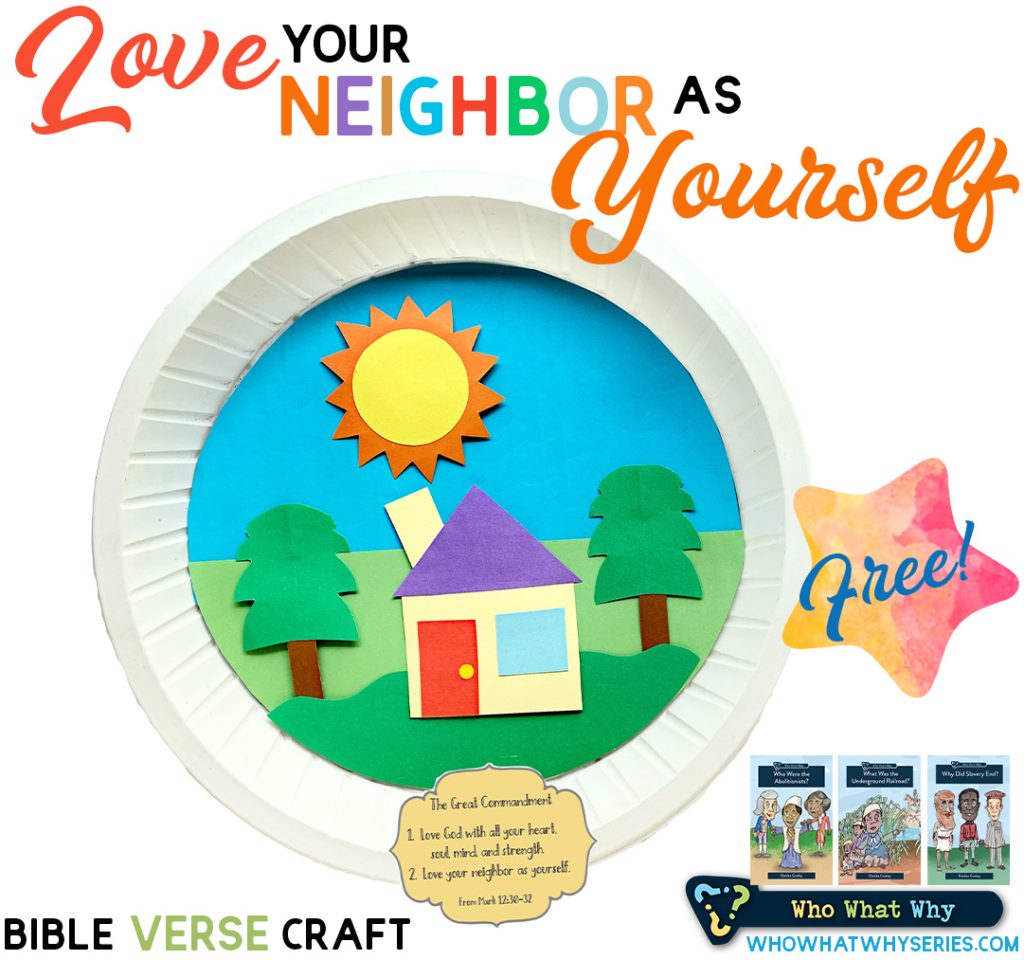
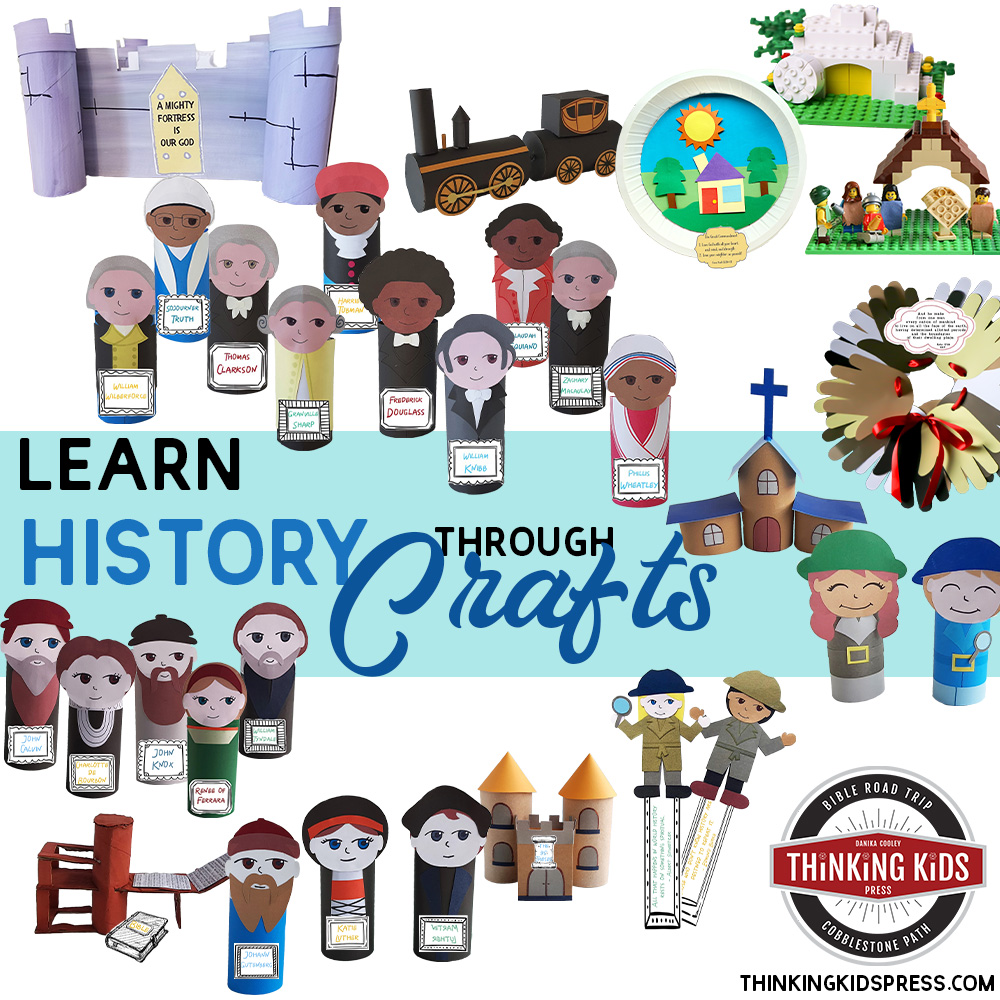
- Love Your Neighbor as Yourself | Children will create a neighborhood themed craft as they consider the Great Commandment.
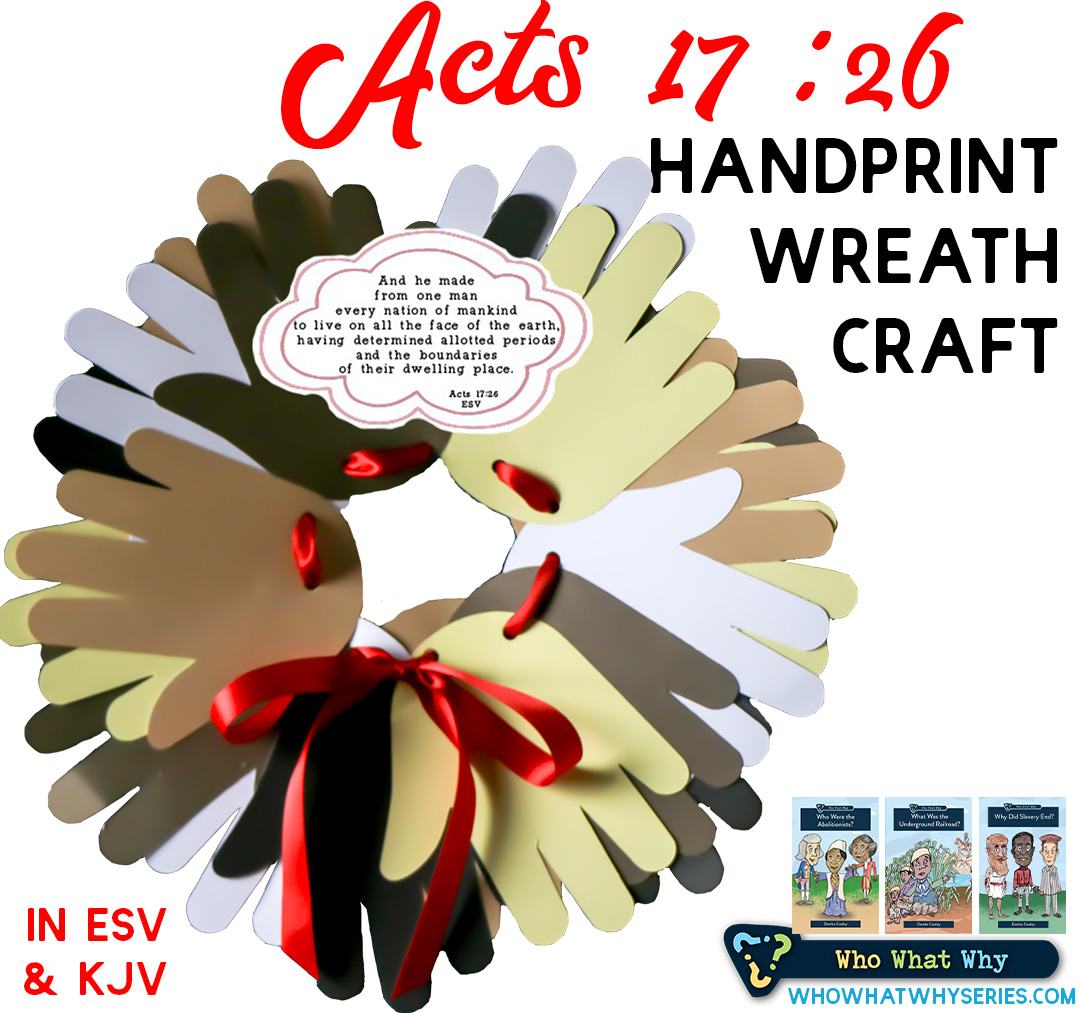
- Acts 17:26 Handprint Wreath Craft | Abolitionists used Acts 17:26 to show that God made all people and nations from one man. Your kids will celebrate this truth with a handprint wreath craft, as they consider the fact that our skin color, the nations we live in, and our ethnicity, is the sovereign creation of our loving Father God.
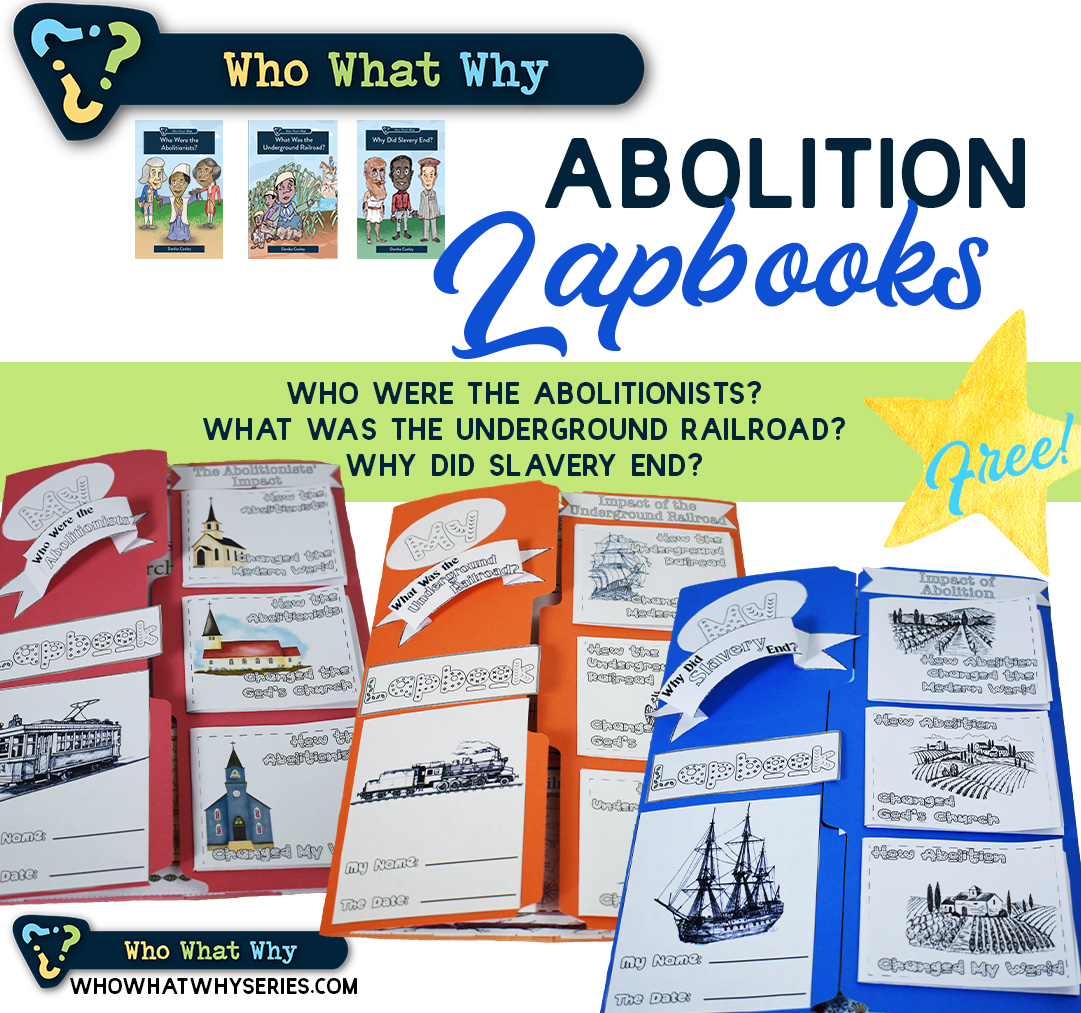
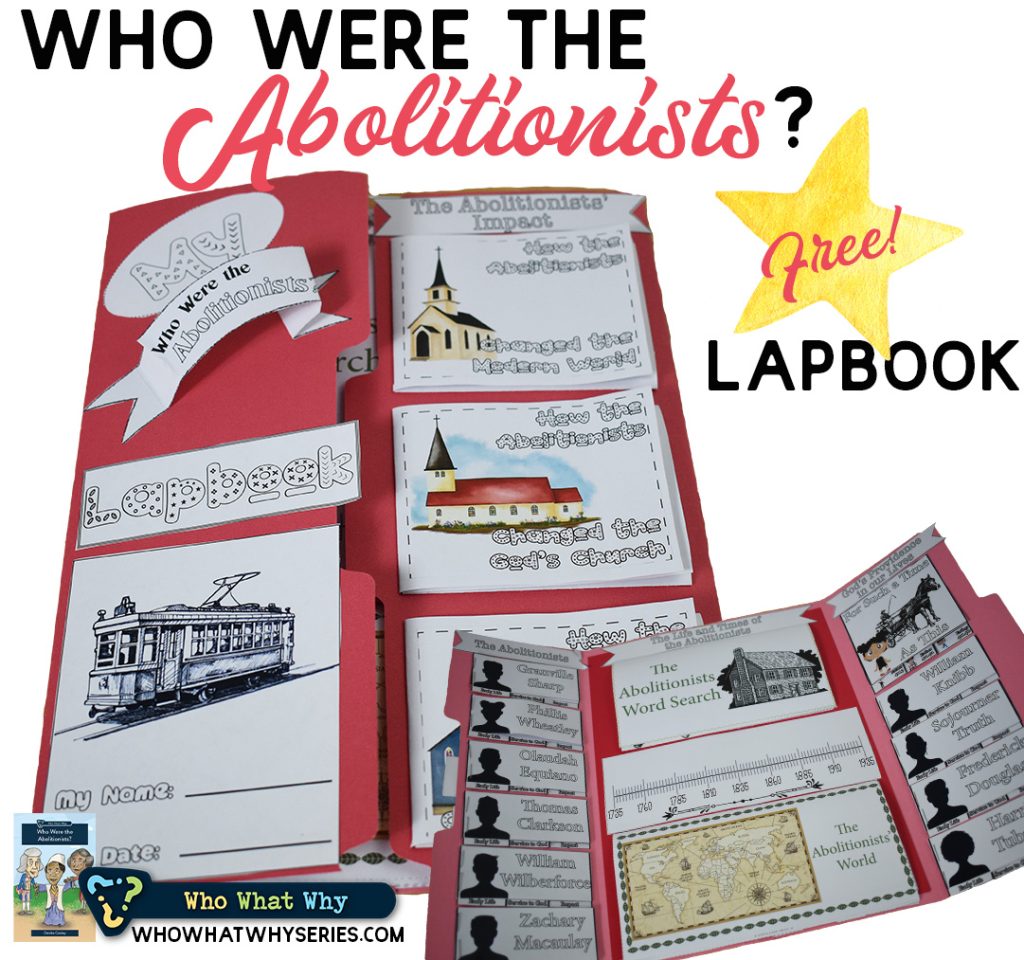
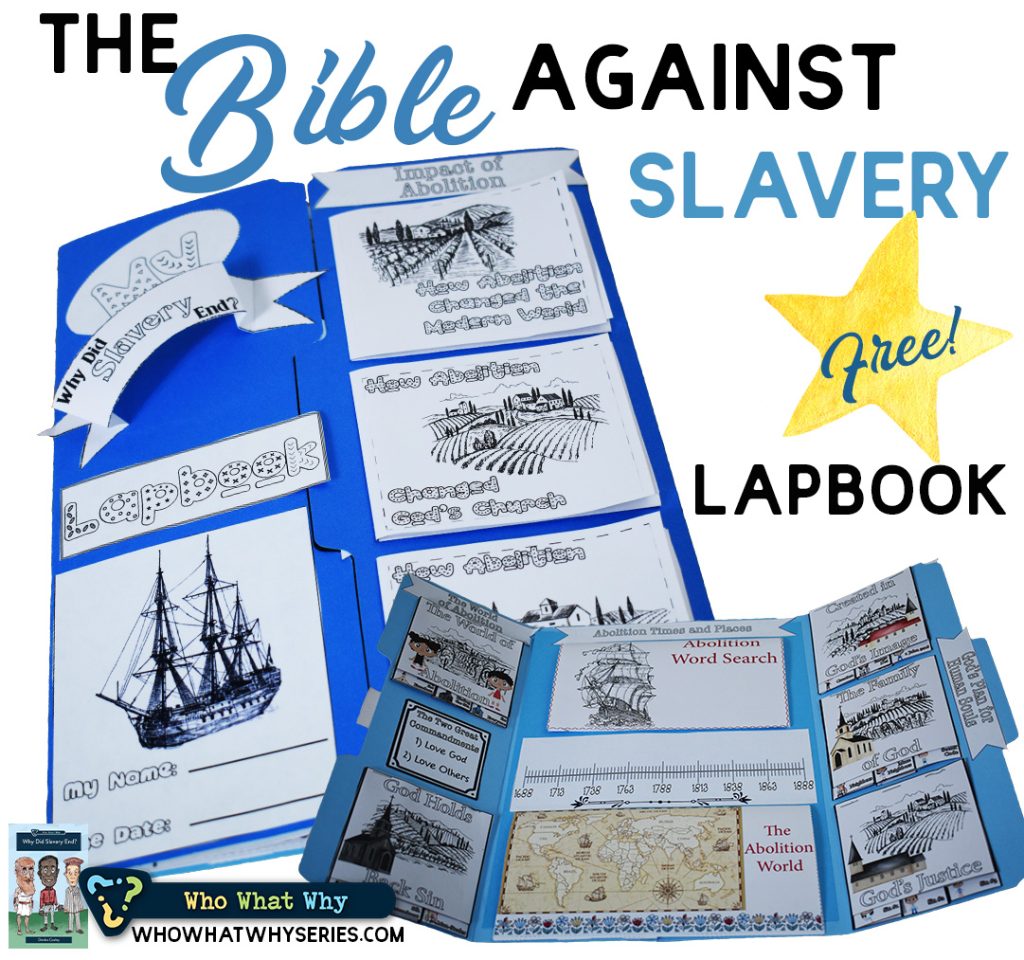
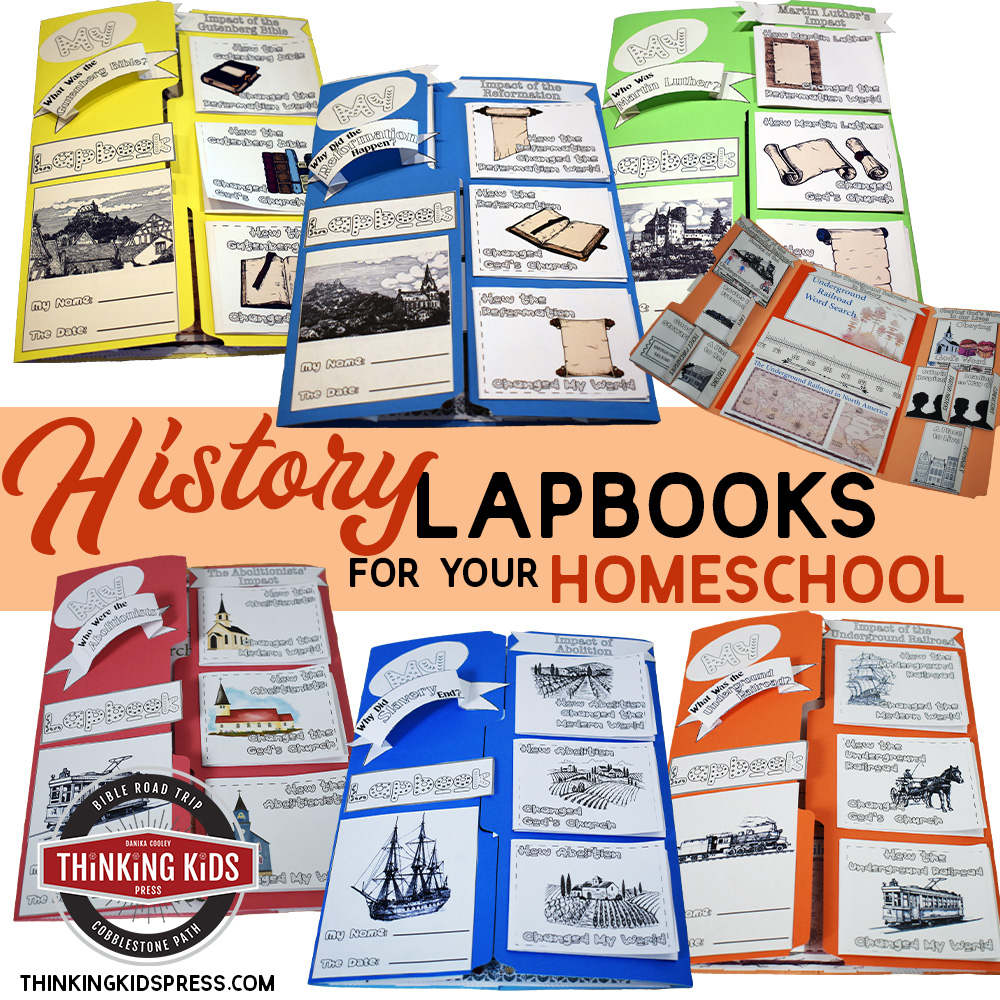
- Why Did Slavery End? Lapbook | Kids will use this hands-on lapbook to record what they’ve learned about:
- The impact of abolition on the modern (1688-1888) world, on the Church, and on your child’s world.
- The abolition world. Your child will learn how global slavery ended during the time of abolition.
- What the Bible says against slavery.
- Abolition history vocabulary.
- The timeline of abolition.
- The geography of global abolition.
- Theology: God Holds Back Sin, Created in God’s Image, The Family of God, God’s Justice.
This study of the global history of abolition, and the theology behind the movement, will help your kids learn how slavery ended. More importantly, they’ll learn what God has to say about chattel slavery and about loving one another.
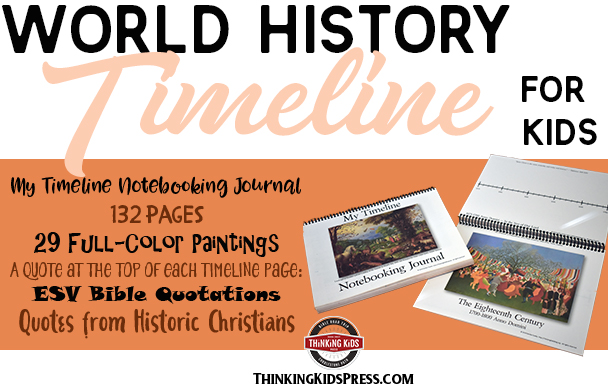
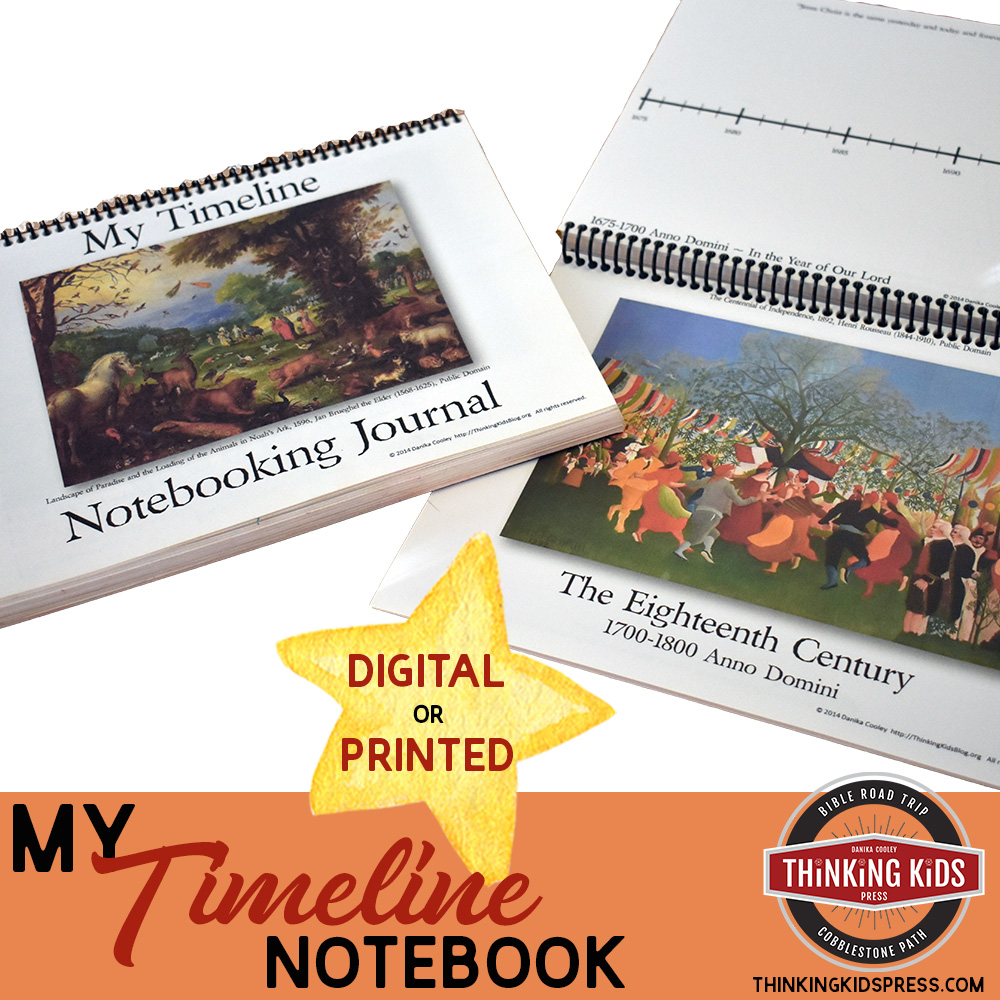
Every Who What Why Christian history book has a timeline with relevant dates. Your kids can keep track of dates from their studies in history with the My Timeline Journal!
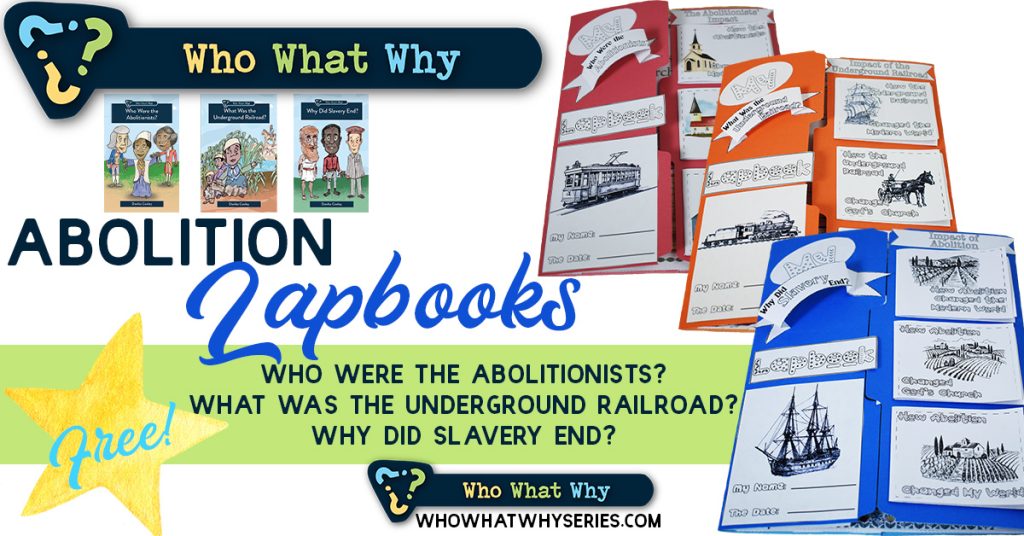
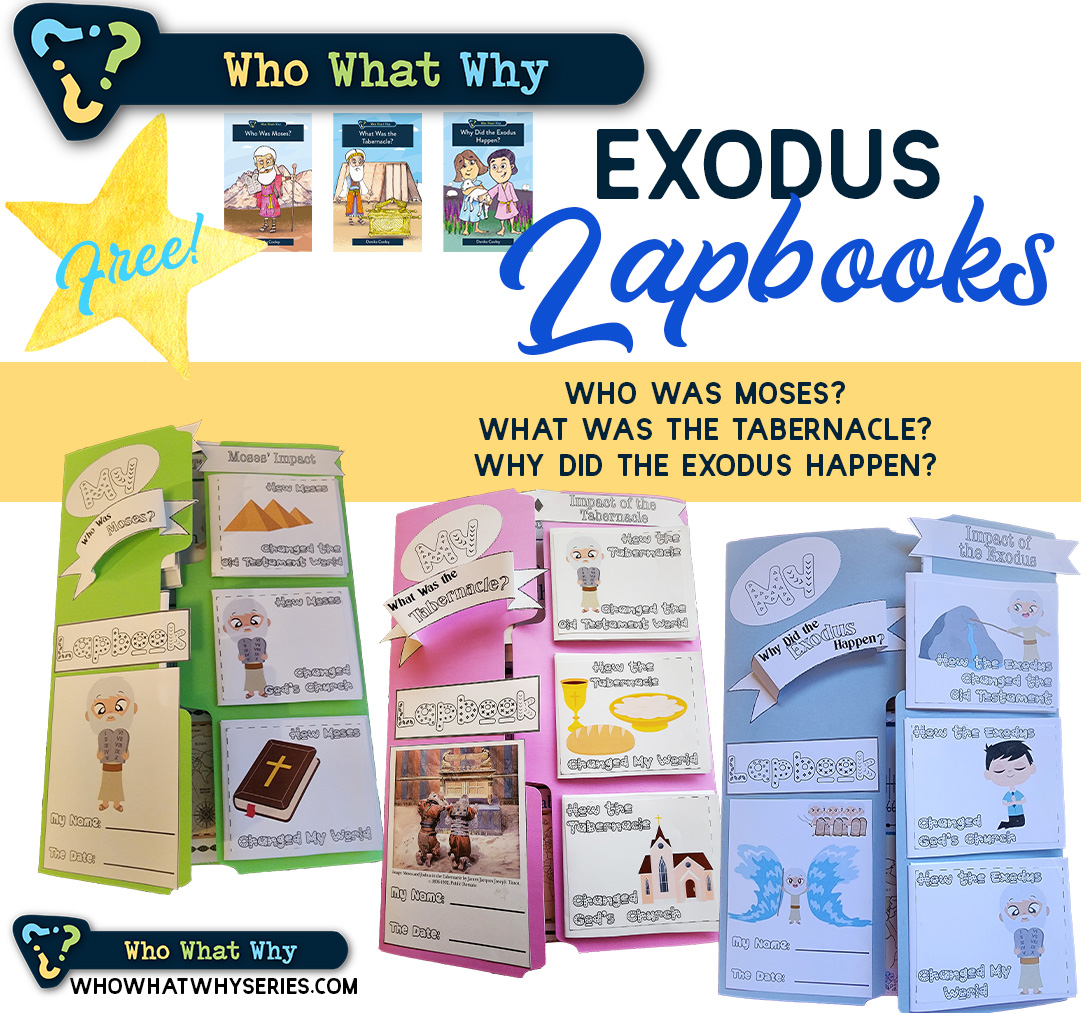
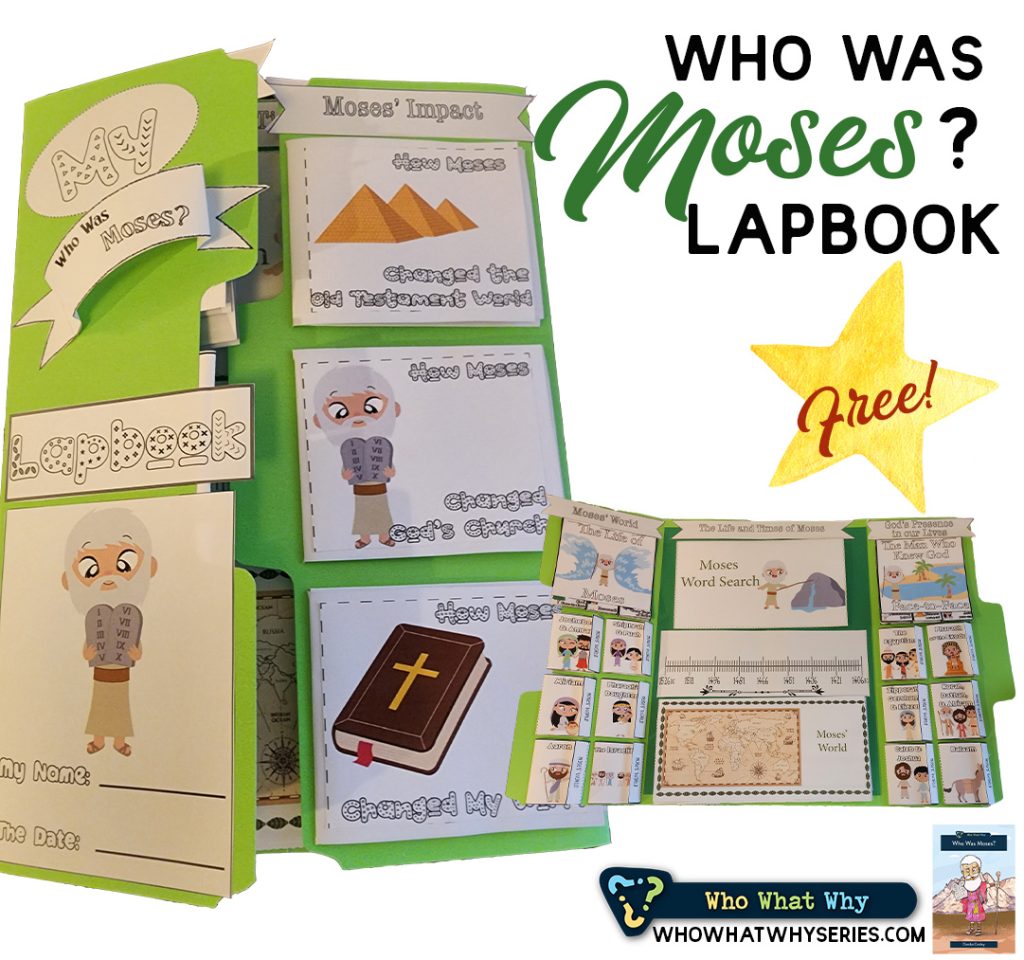
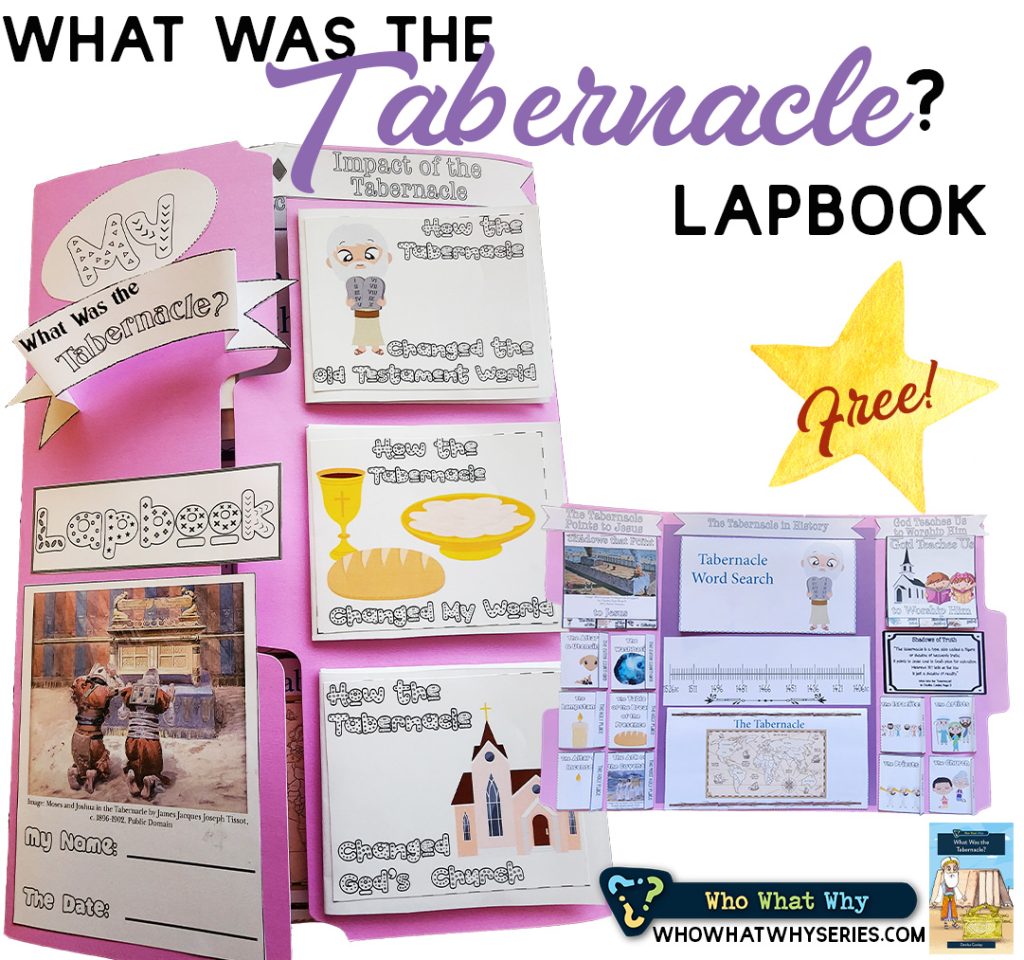
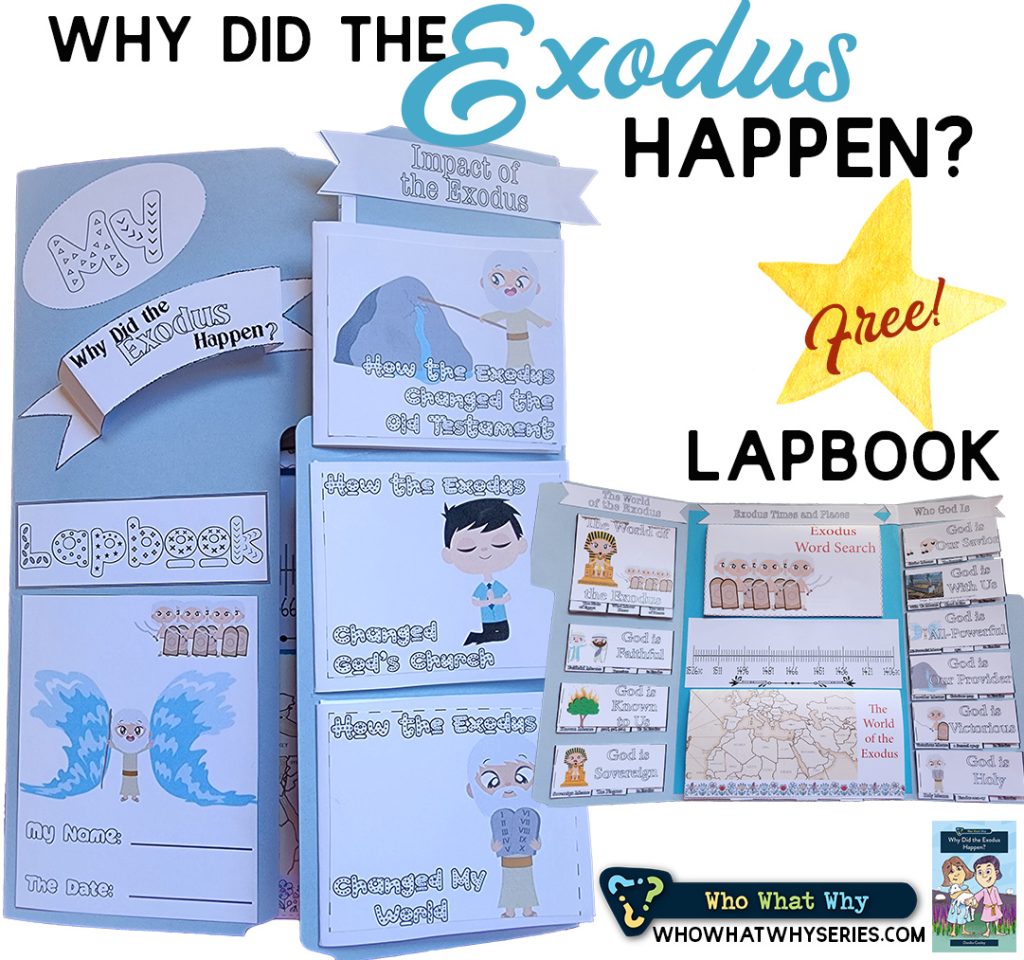
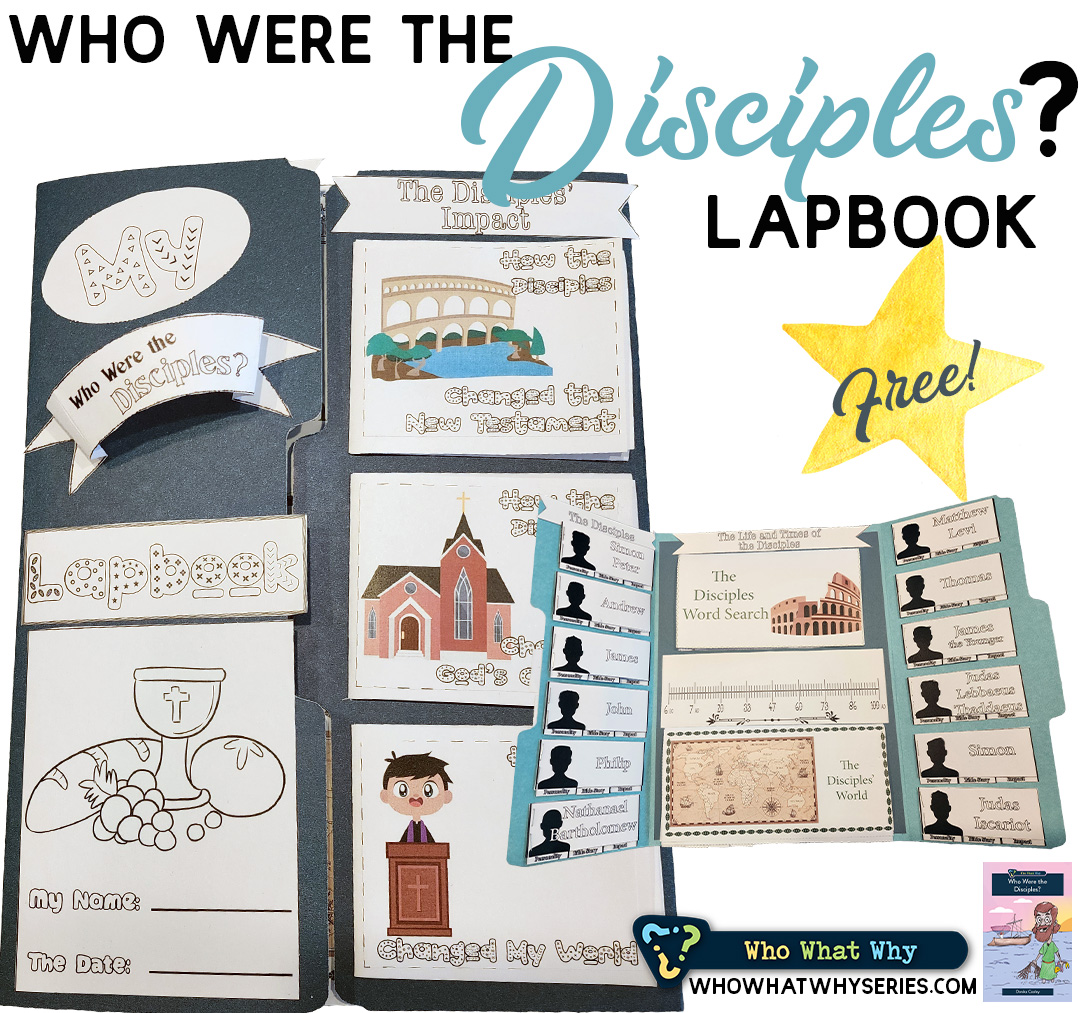
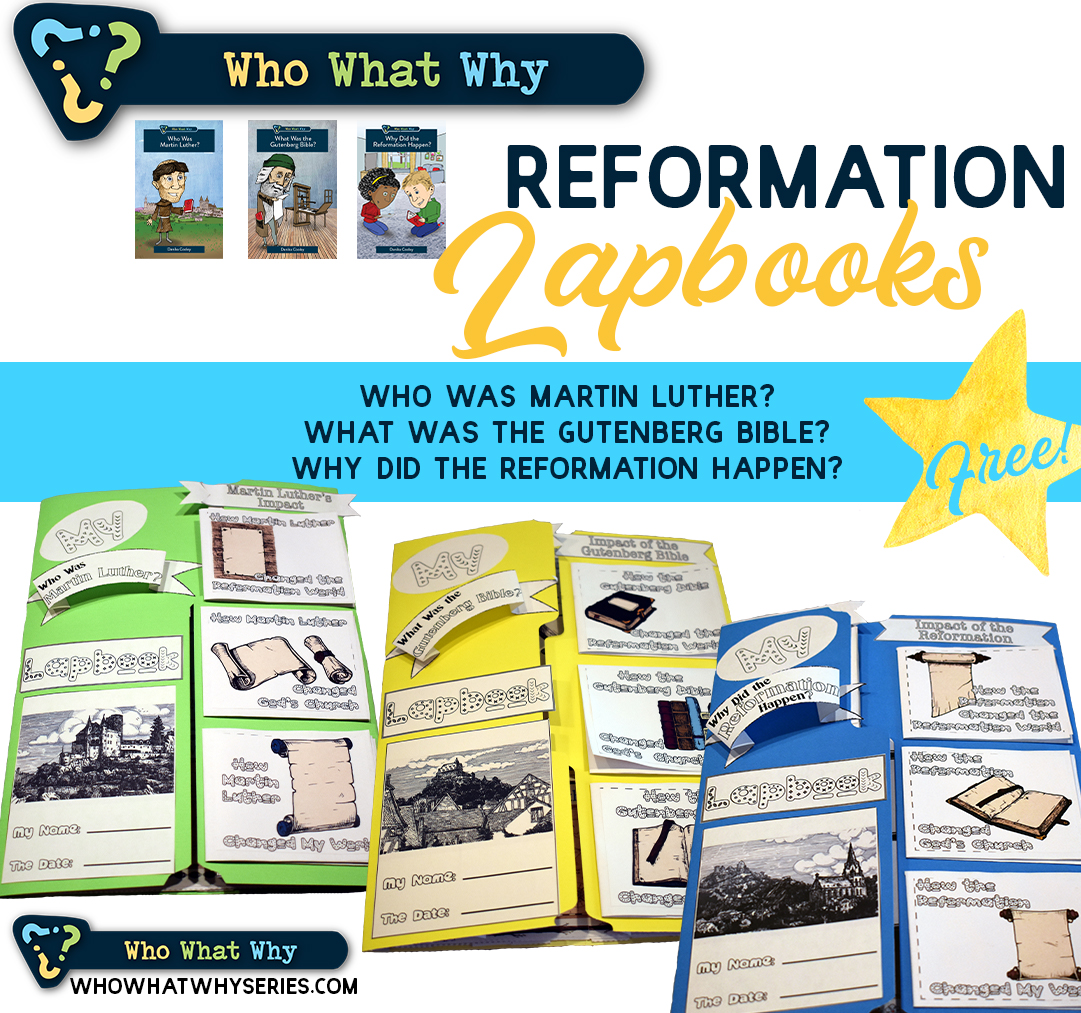
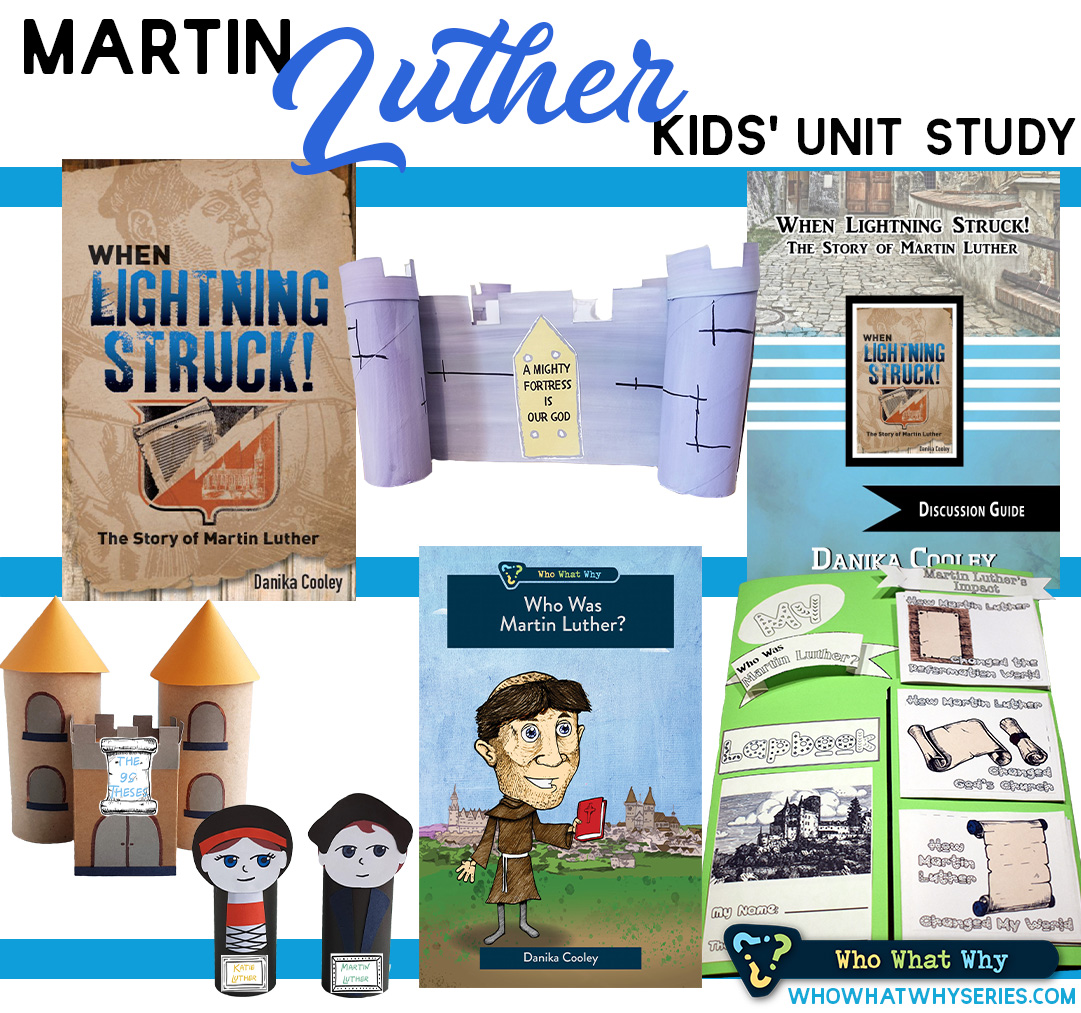
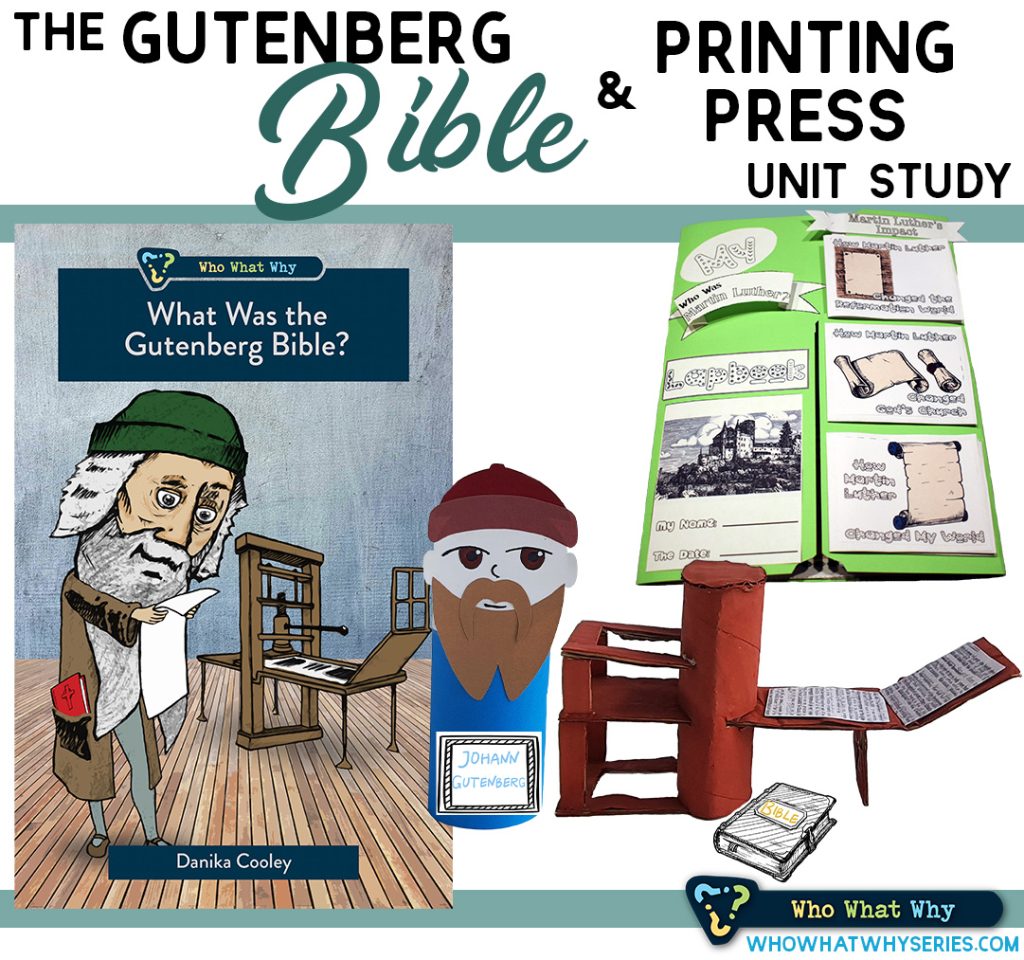
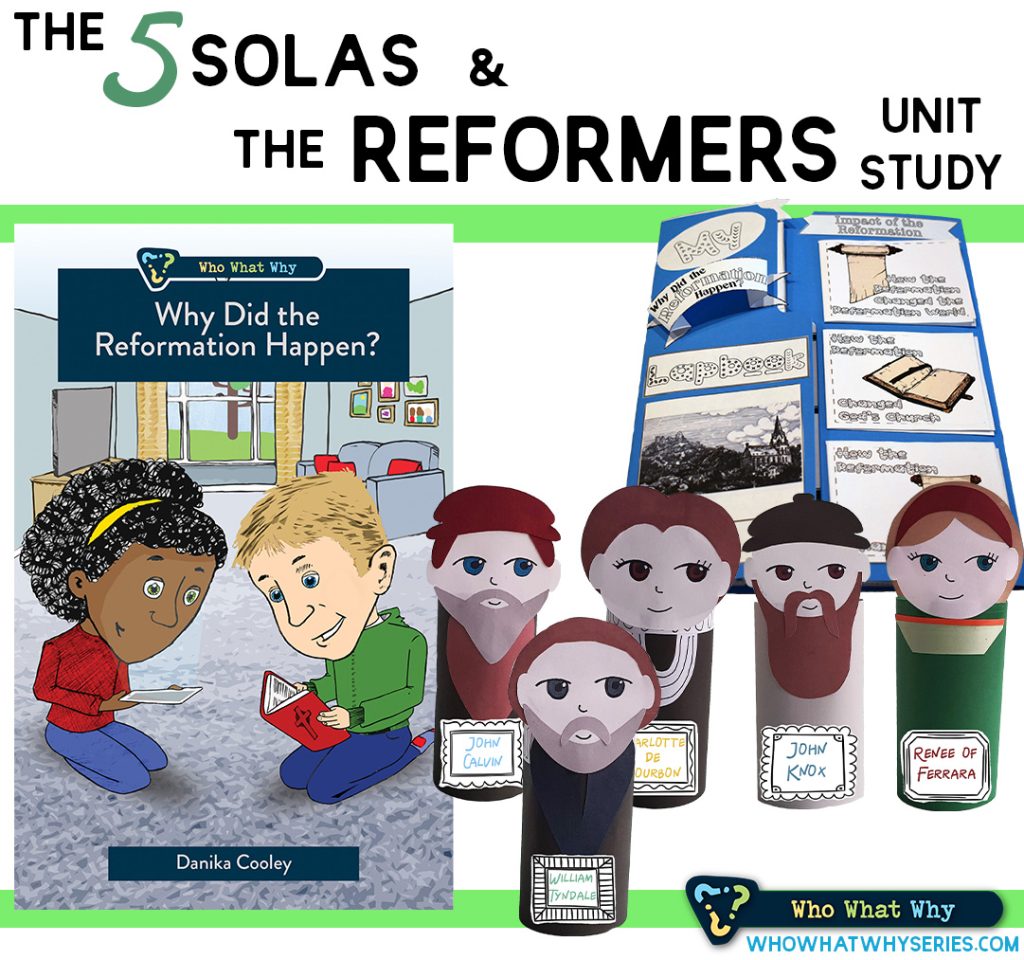
Learn more about the Who What Why series and get your FREE Abolition Lapbooks here.
Bible Resources for Your Kids
Learn More HereLearn More HereLearn More HereLearn More HereLearn More HereLearn More Here
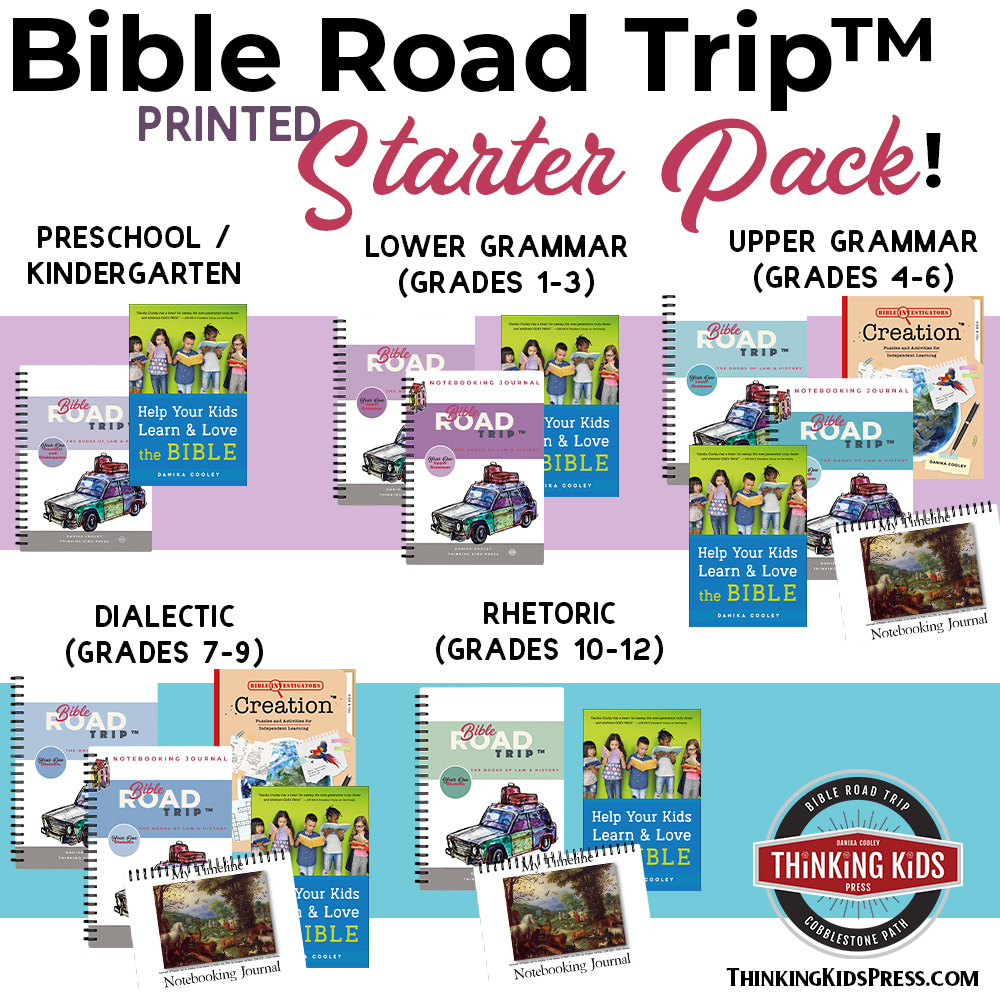
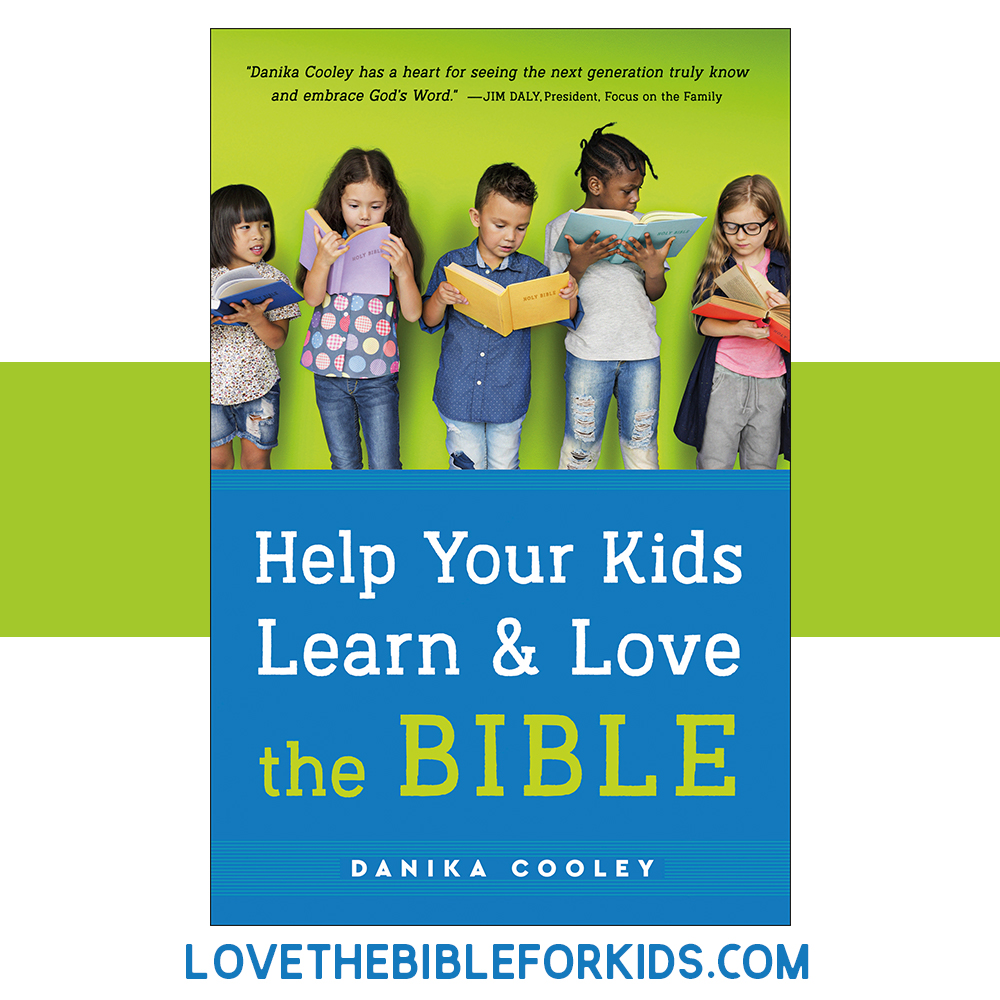
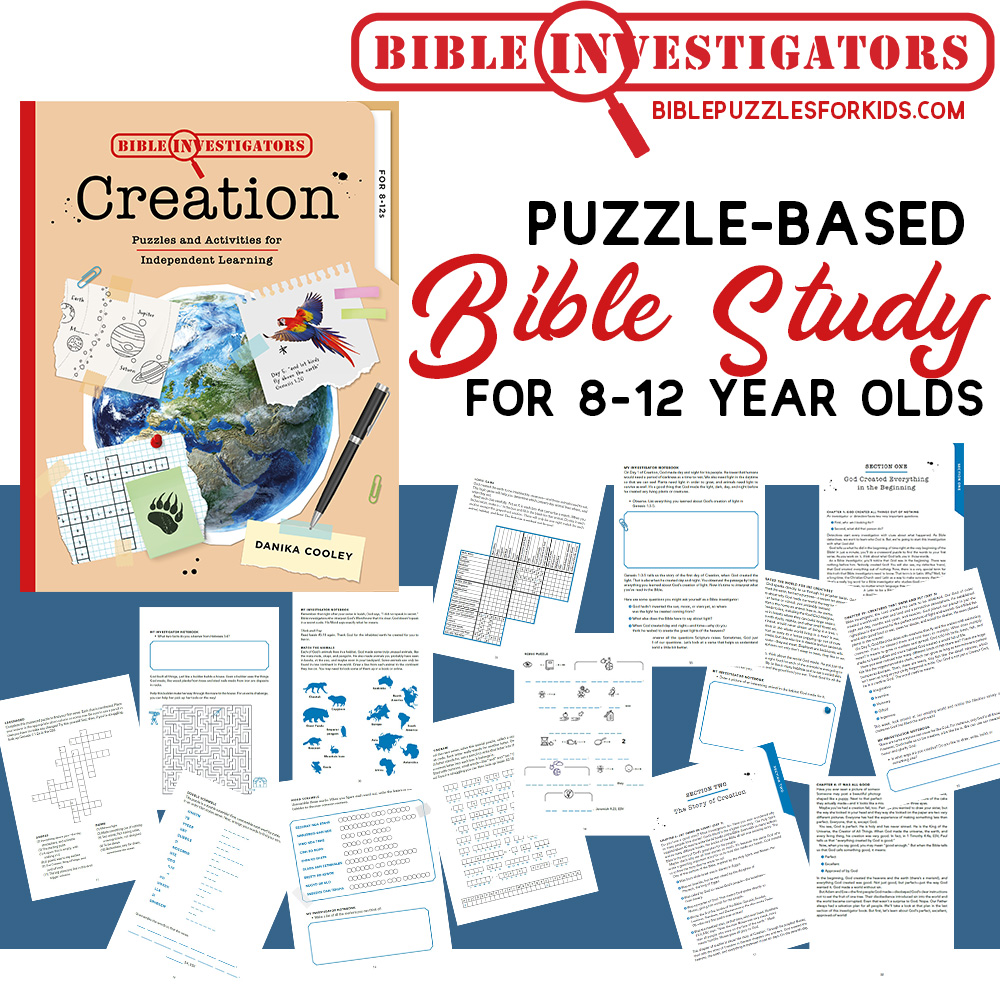
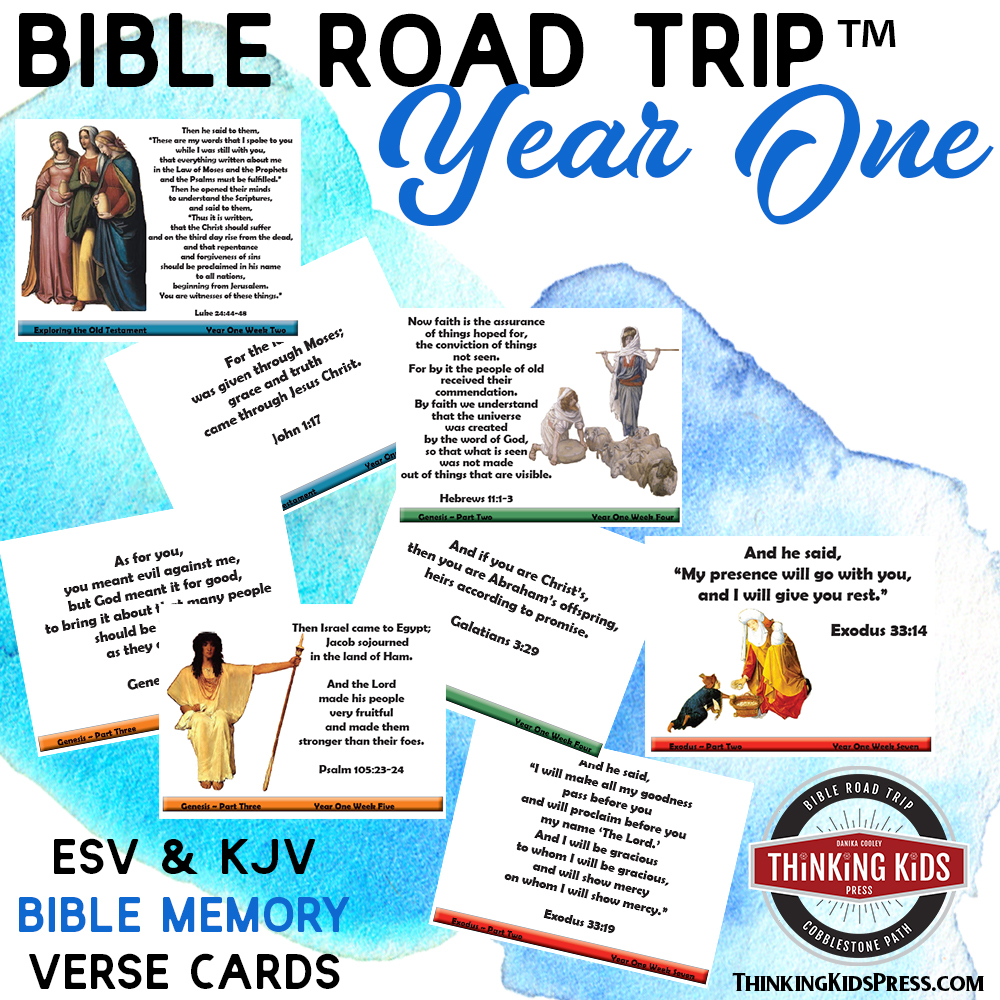

Christian Biographies for Kids | Christian History for Kids | Theology for Kids
Christian History Matters for Our Kids.
History matters. Now, more than ever, we see how important it is for our children to know and understand history and the Bible.
Here’s why:
- God is the sovereign ruler of all things. It’s important for our kids to see his hand in the history of nations and in the lives of both peasants and kings.
- Christian history is the story of our family history. Our kids get to see how people who love Jesus follow him.
- Understanding history can help our kids learn historic and biblical theology. They learn what the Bible says and what that means for us. They also see when the study of Scripture has taken important turns that have changed the Church.
- Reading Christian biographies and history can be a wonderful way for kids to think outside their own time and culture. God’s Church spans centuries and includes people from every nation.
- Christian biographies help kids consider their own faith, walk with Jesus, and the impact their witness may one day have on others–and on history.

More Thinking Kids Posts You’ll Love!