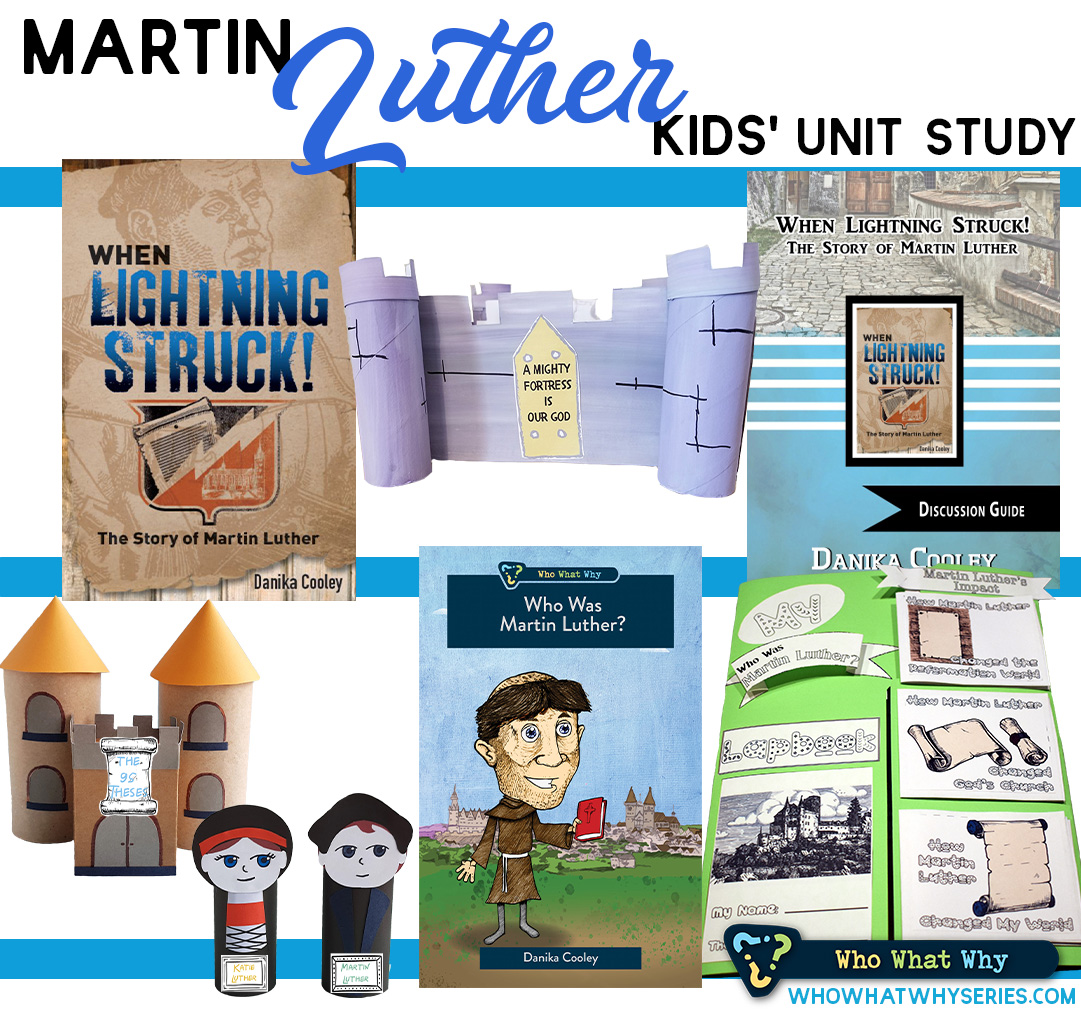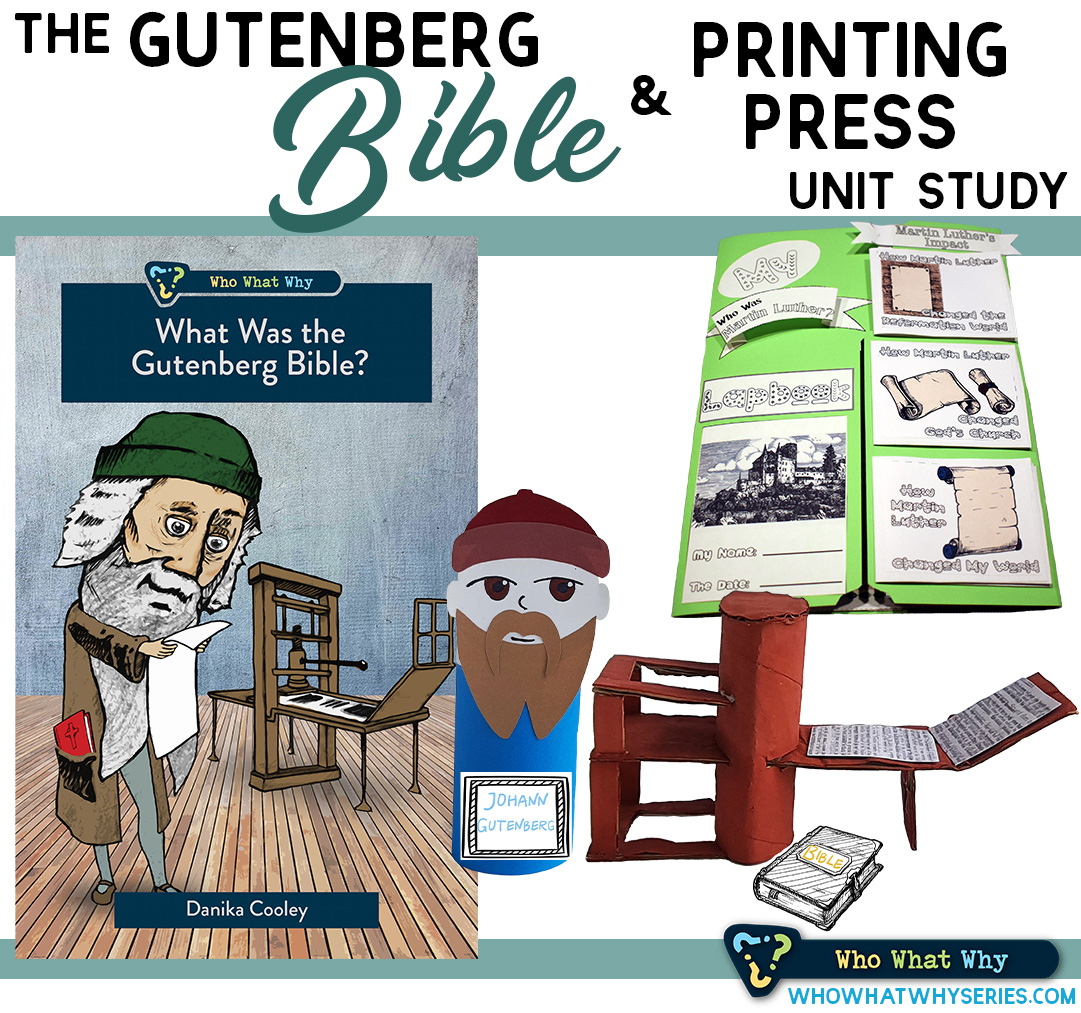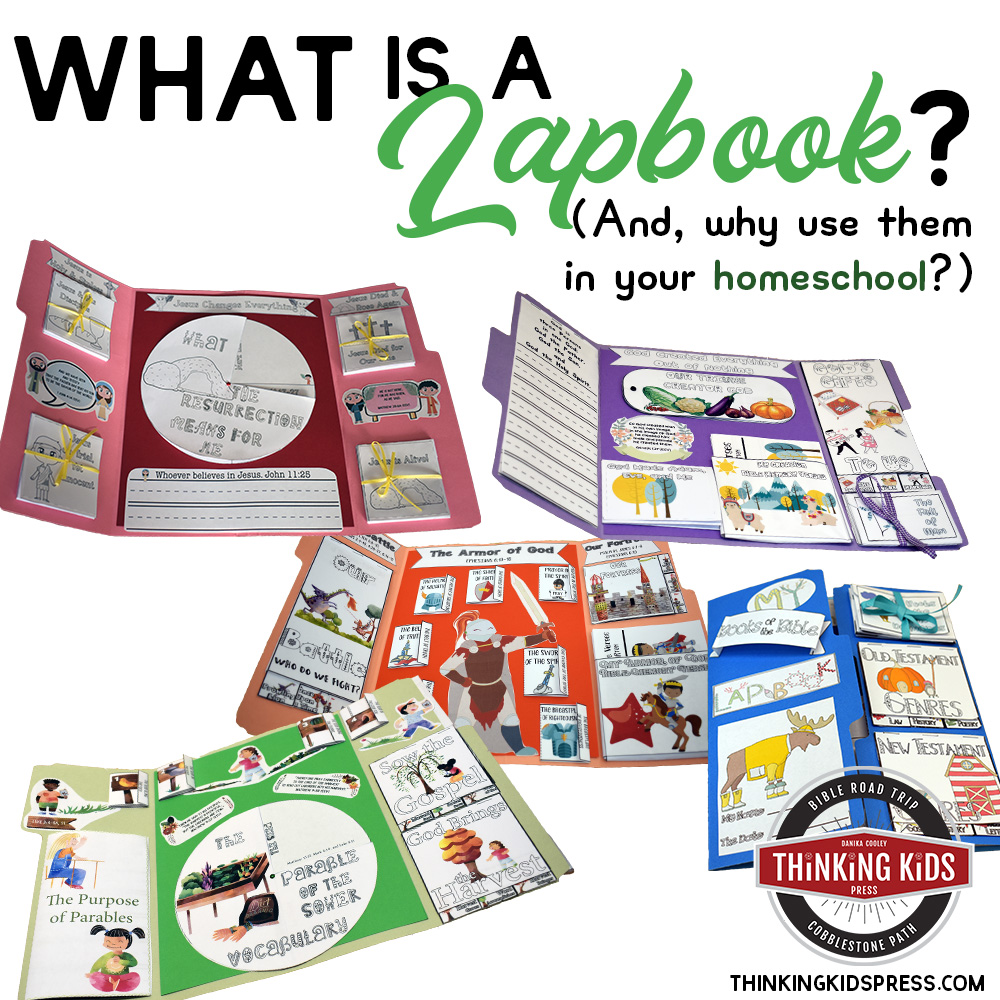

What is a lapbook? (And, why should you use lapbooks in your homeschool with your elementary-aged students?)
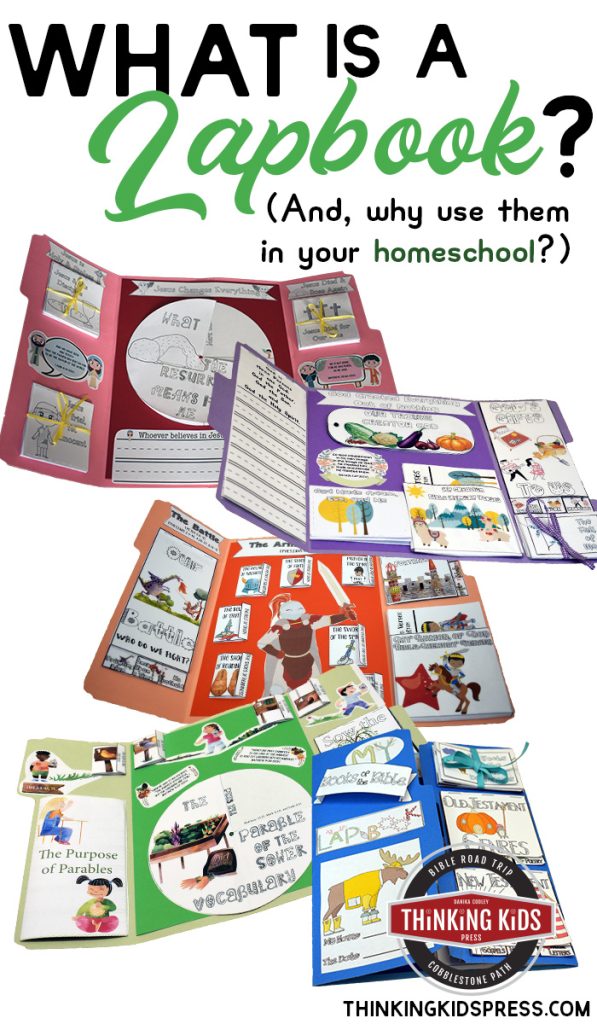
It was great! We read wonderful books, did hands-on projects, and made lapbooks to record what they had learned. We started lapbooking in first and second grade, and the kids always liked seeing their finished projects. In fact, I still have a big box full of adorable lapbooks stored carefully in our attic. I know that one day our (future) grandchildren will be excited to see their dads’ work.
Lapbooks are a great, hands-on project, a fun way to learn, and a creative way to work on language arts.

What is a Lapbook?
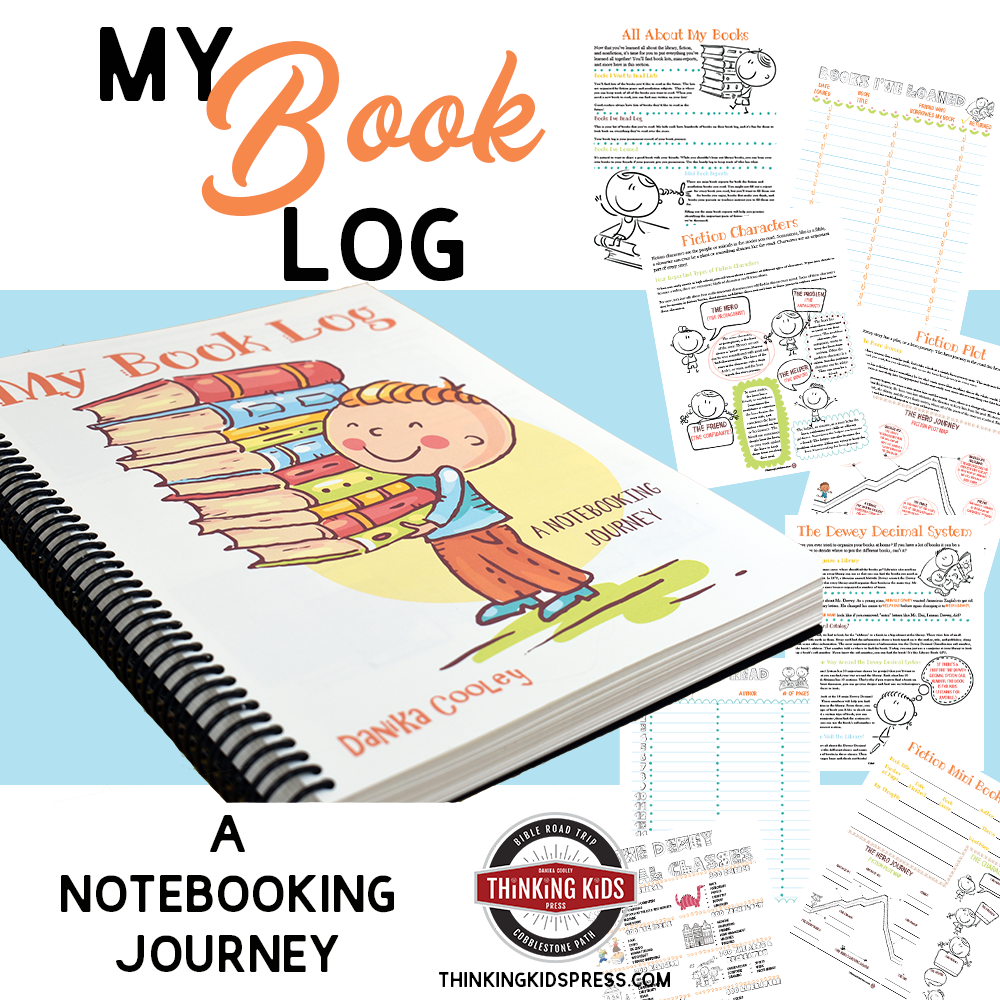
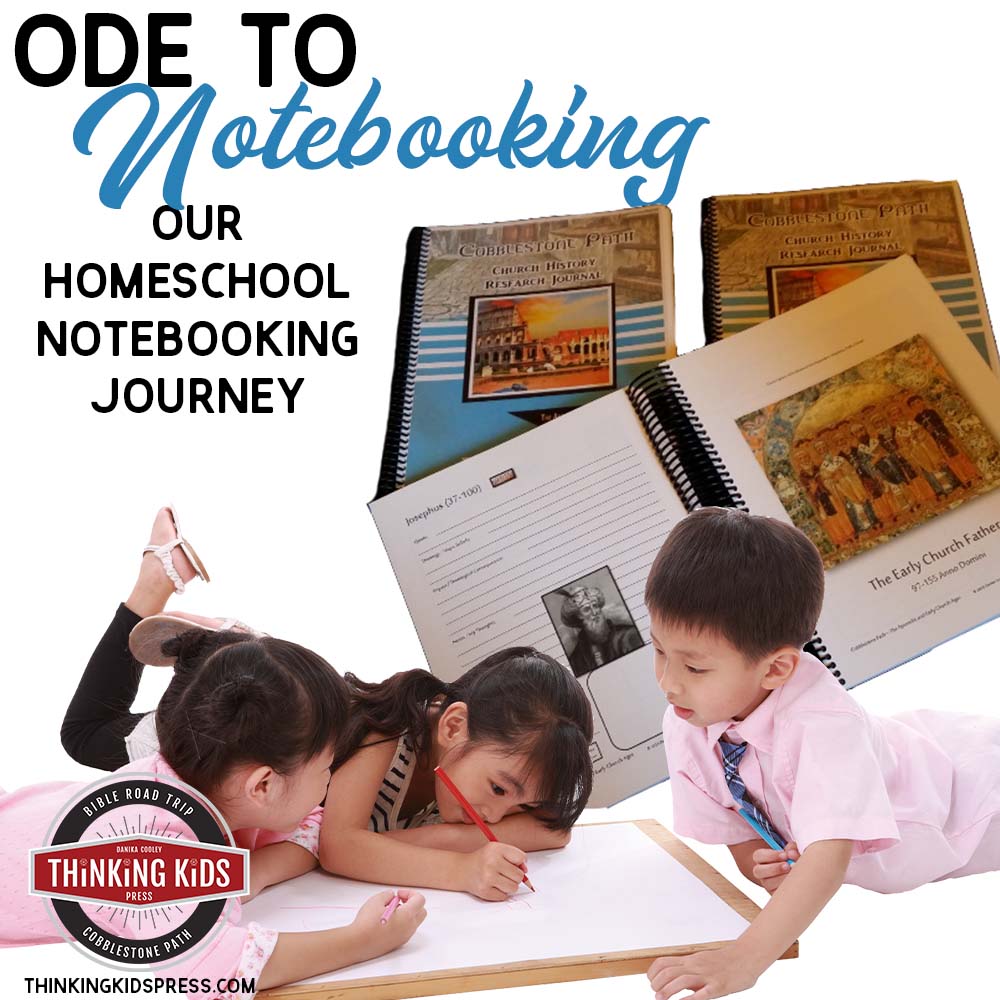
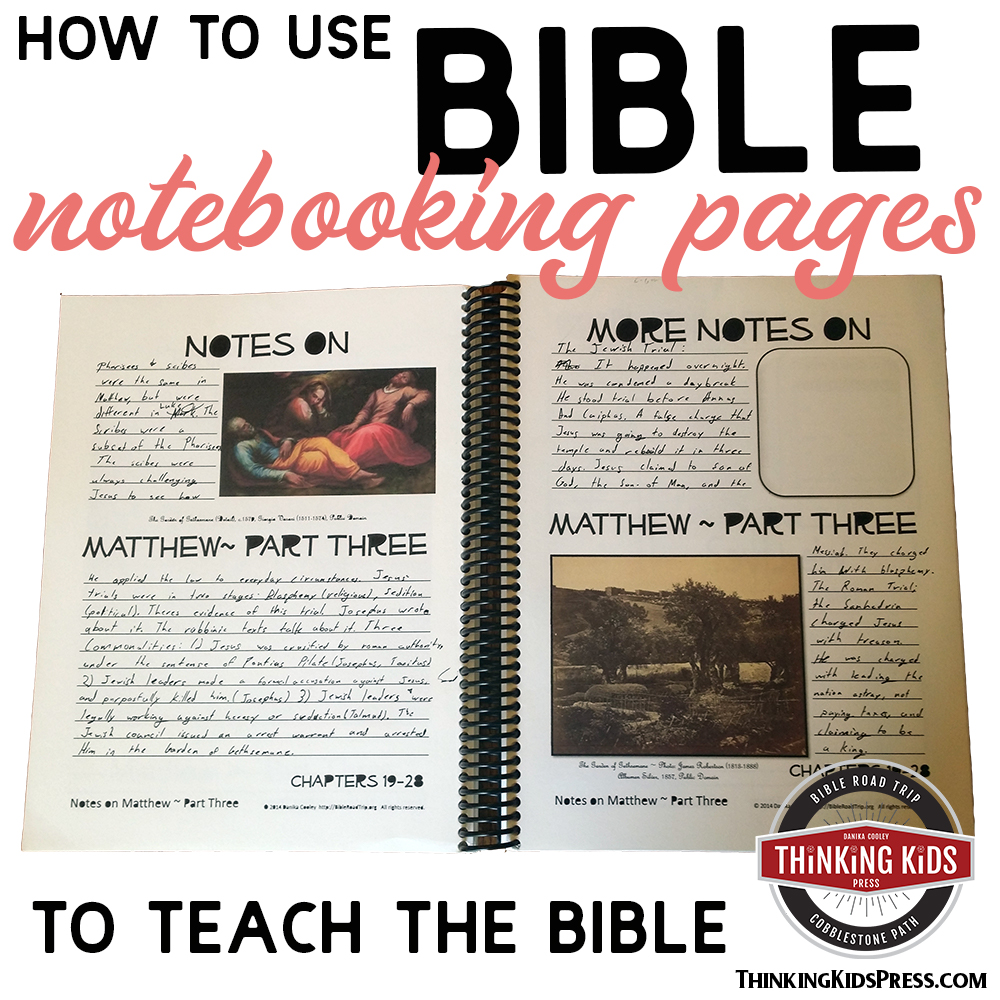
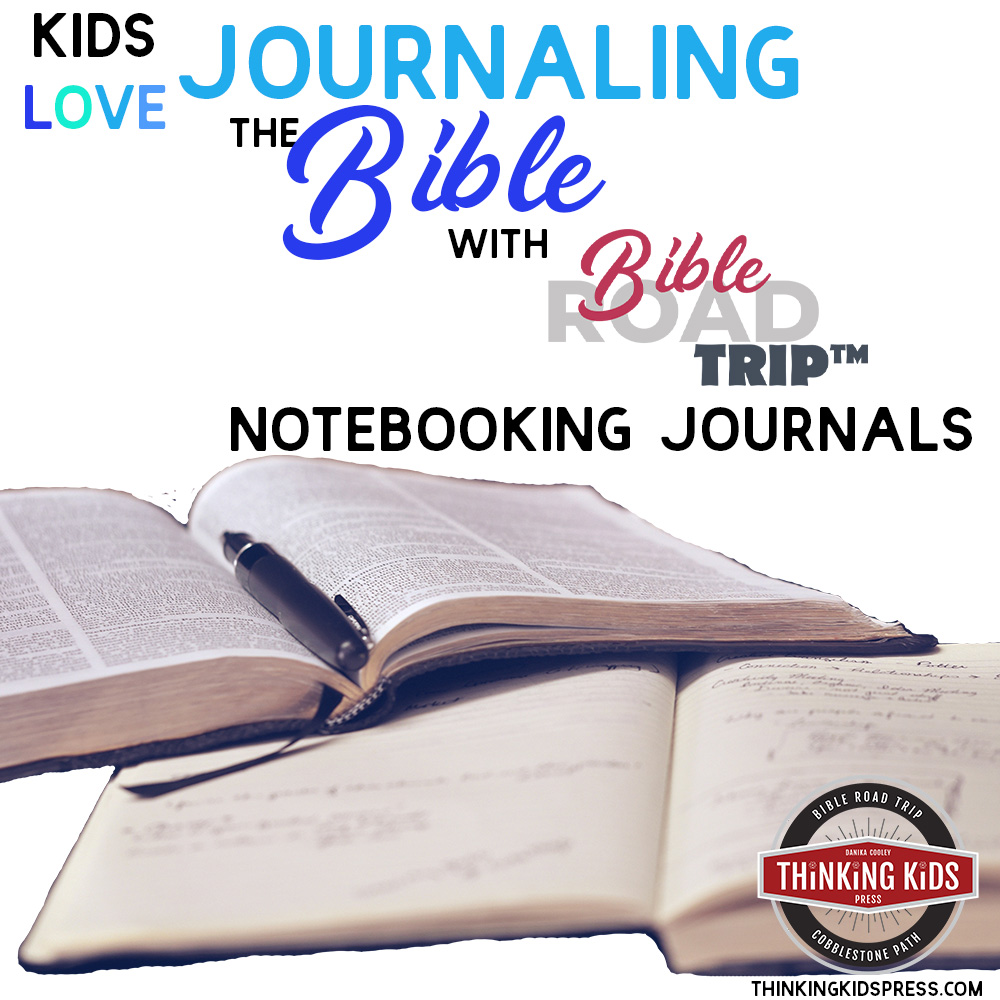
Lapbooking is a form of notebooking. Notebooking is a way for your child to keep written notes about what they have learned.
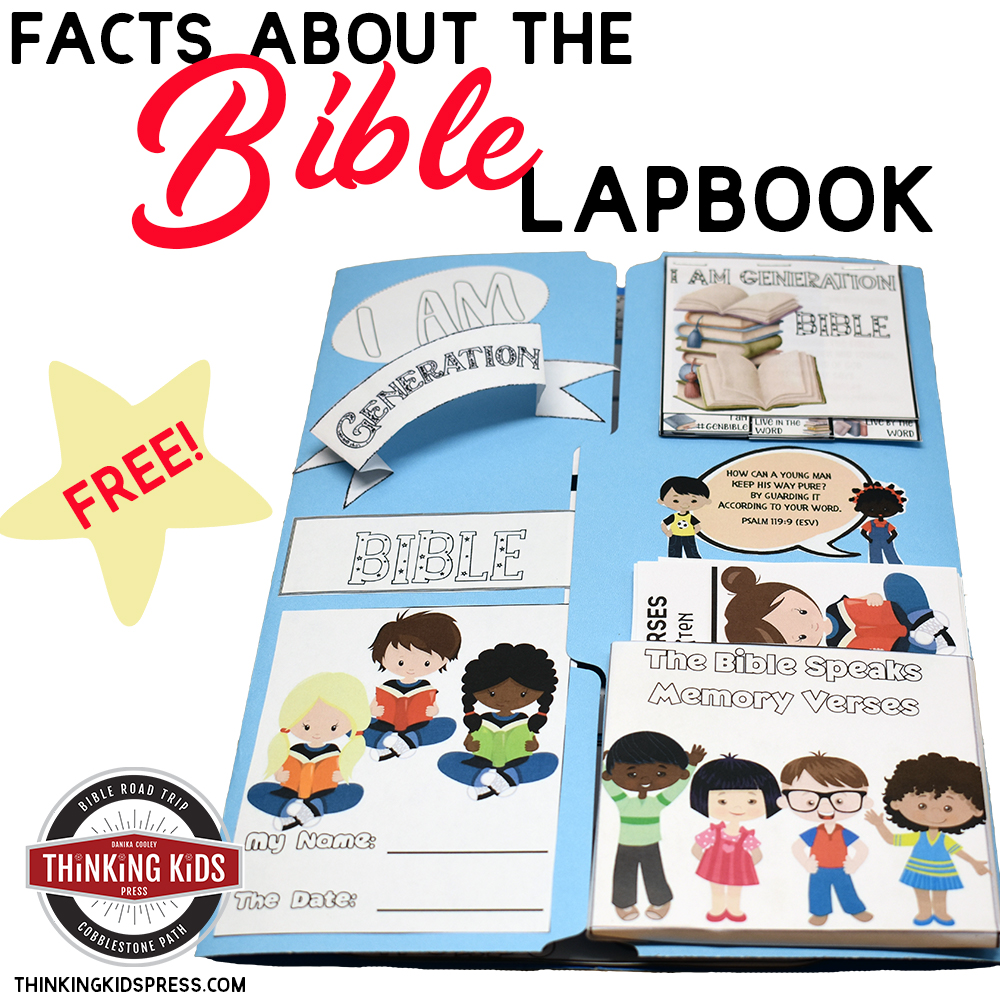
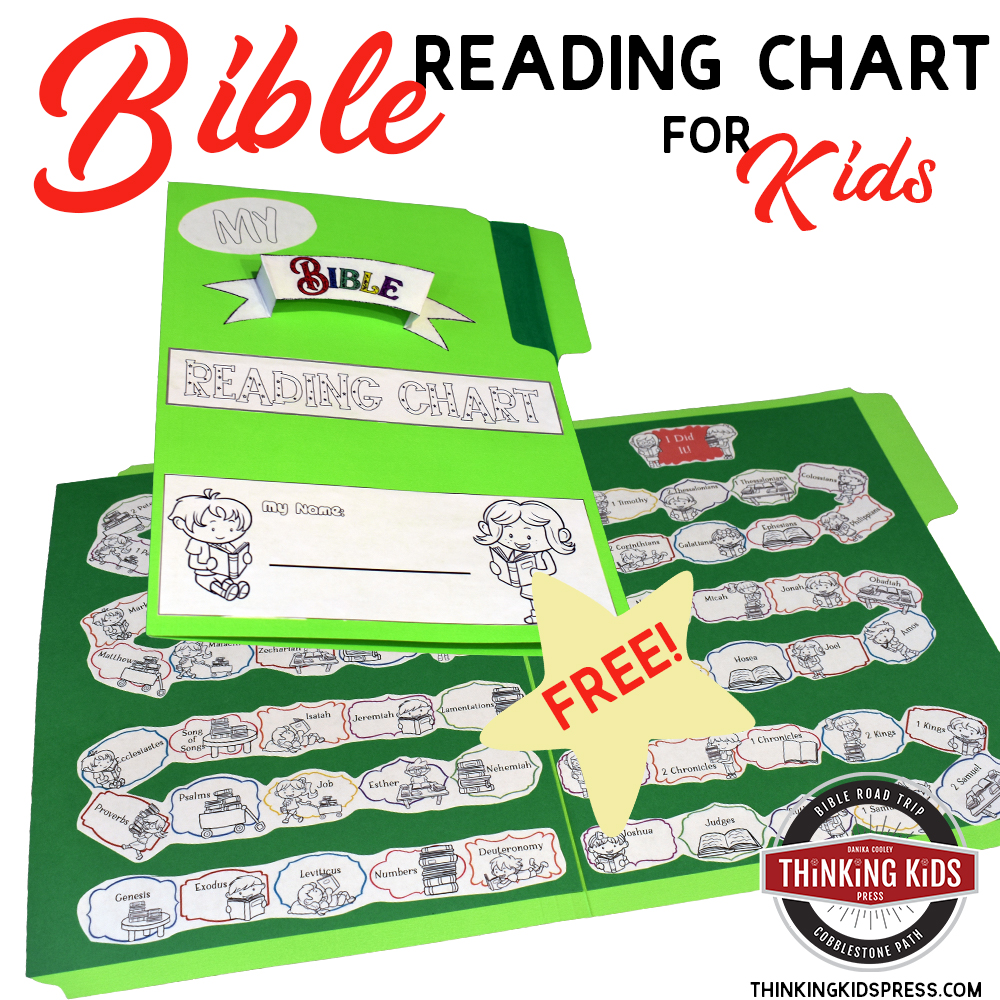
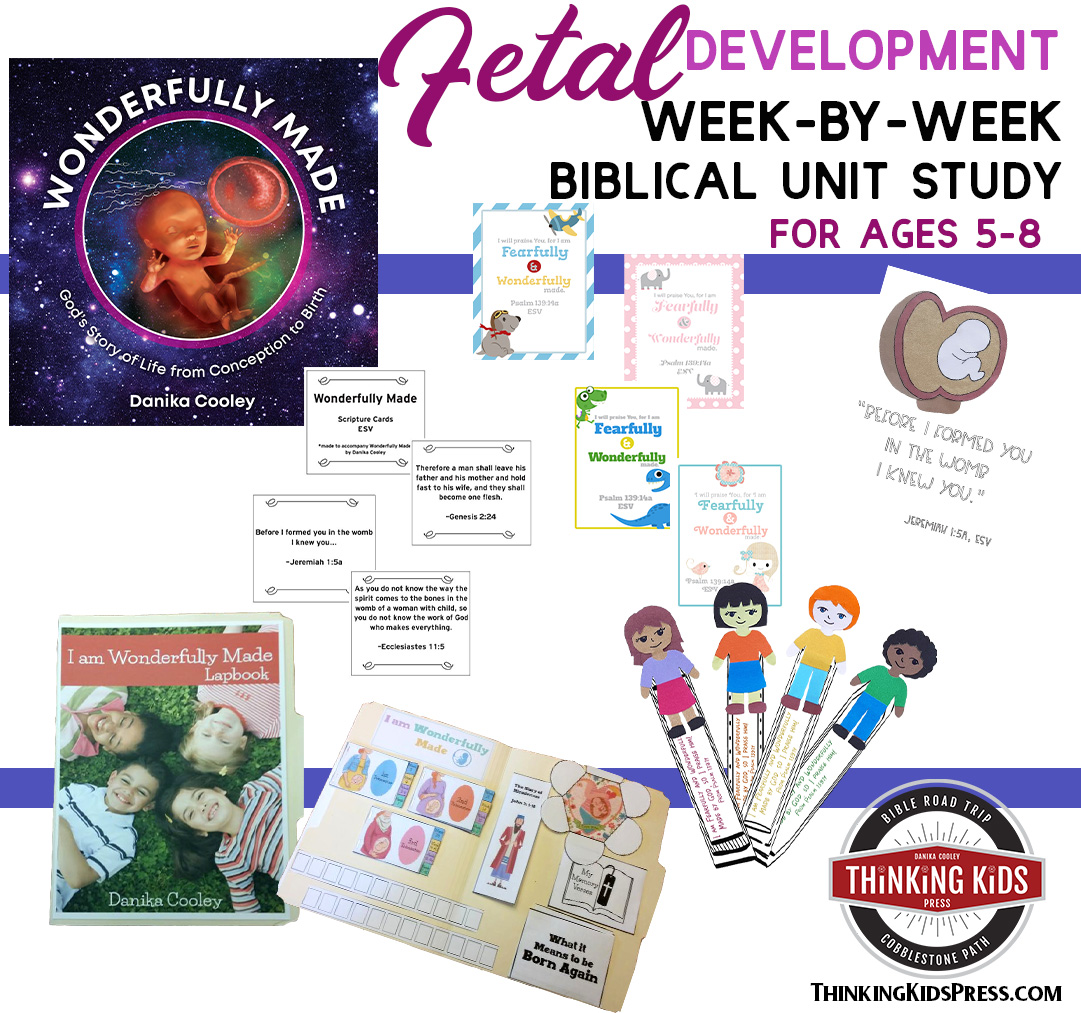
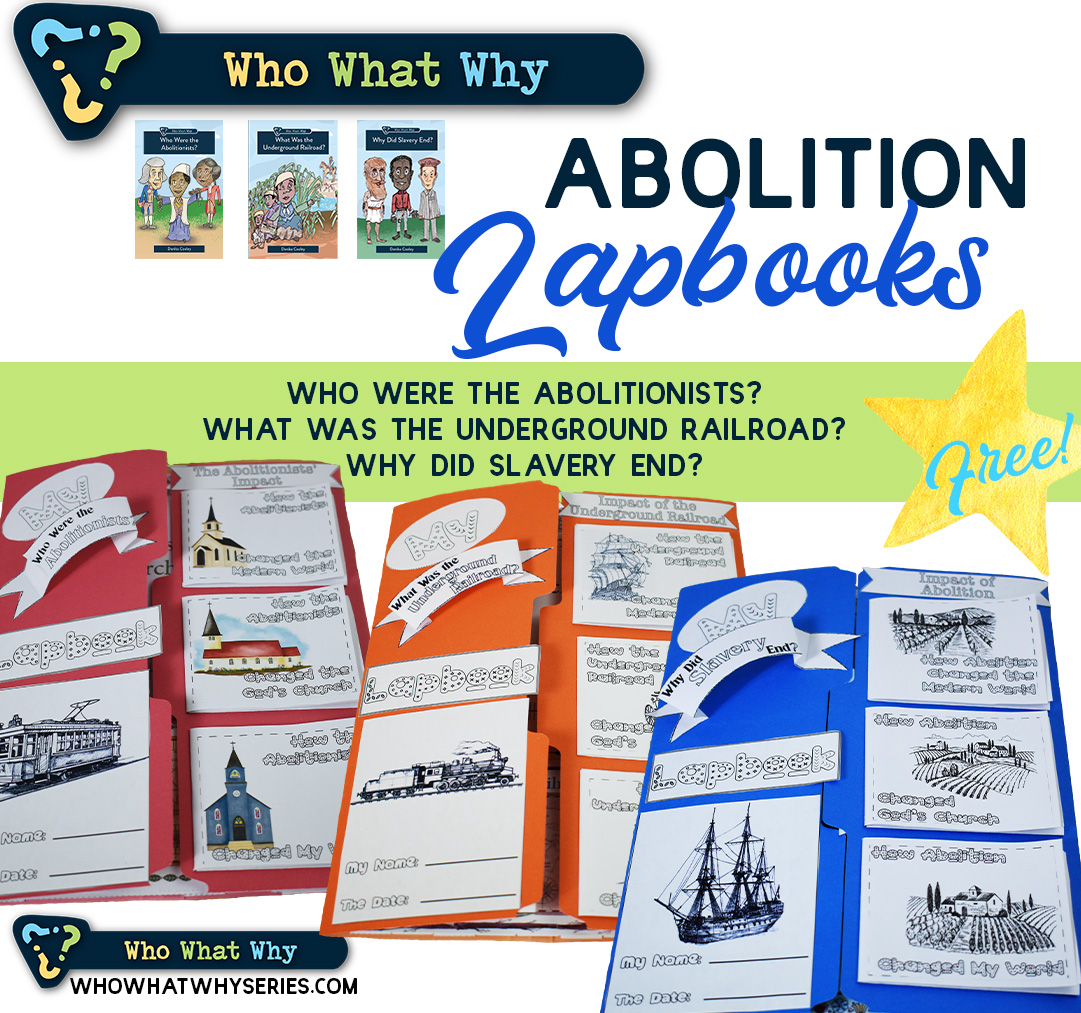
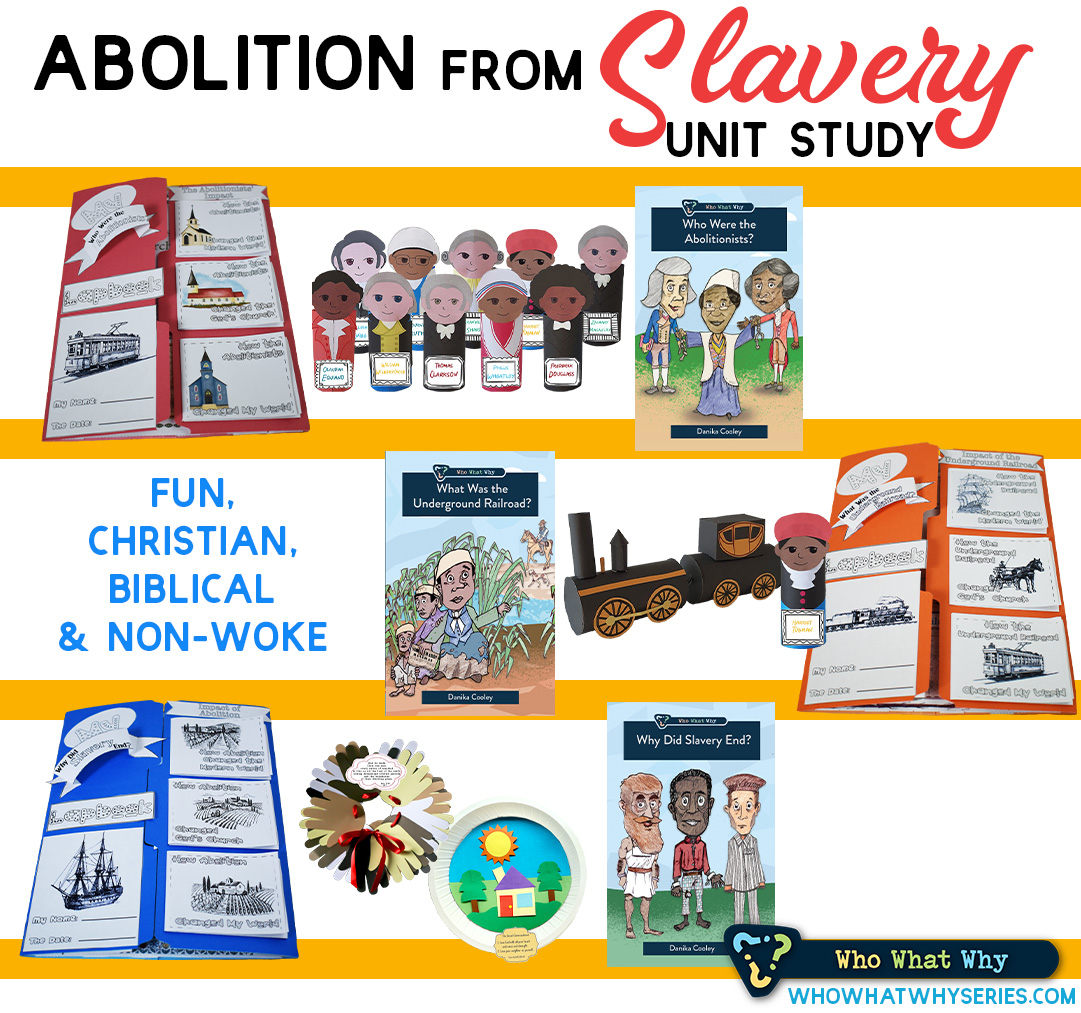
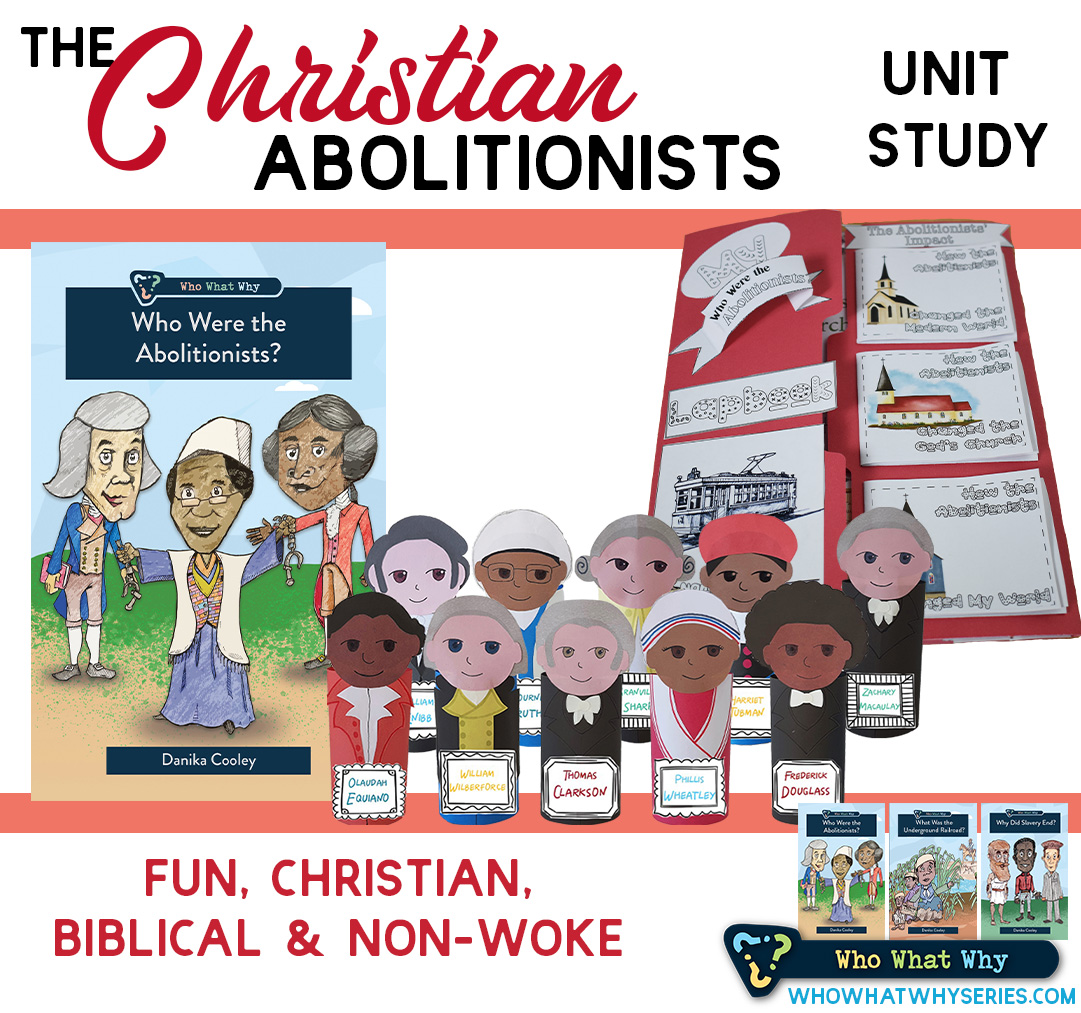
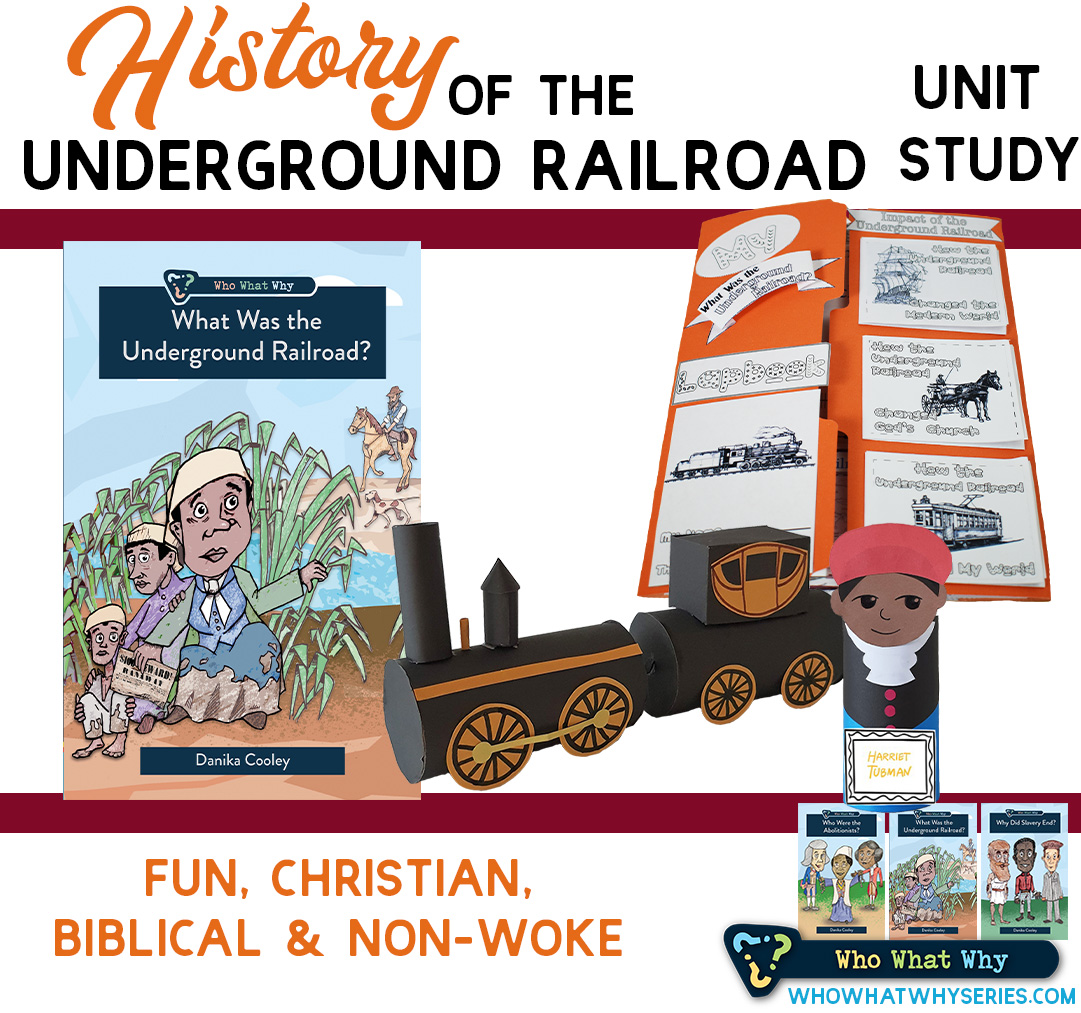
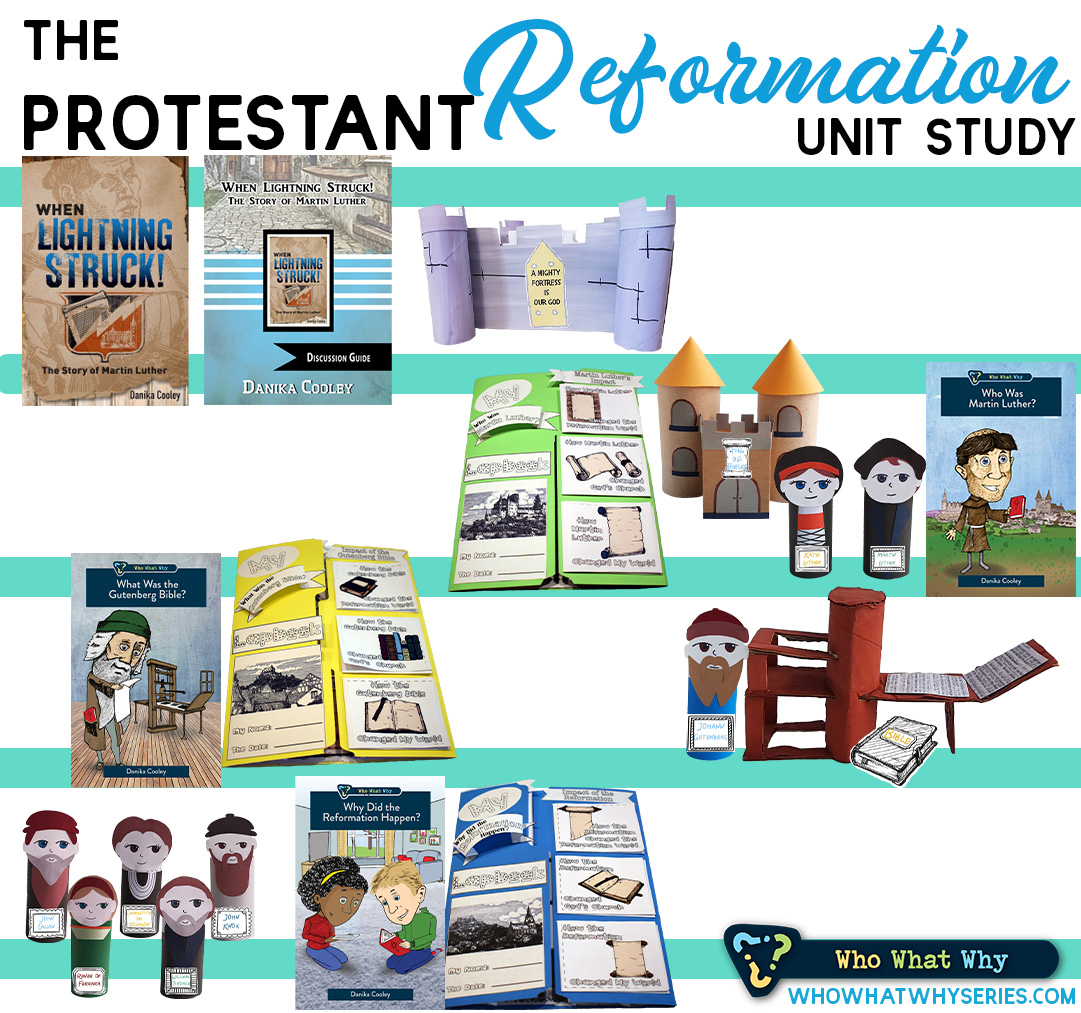
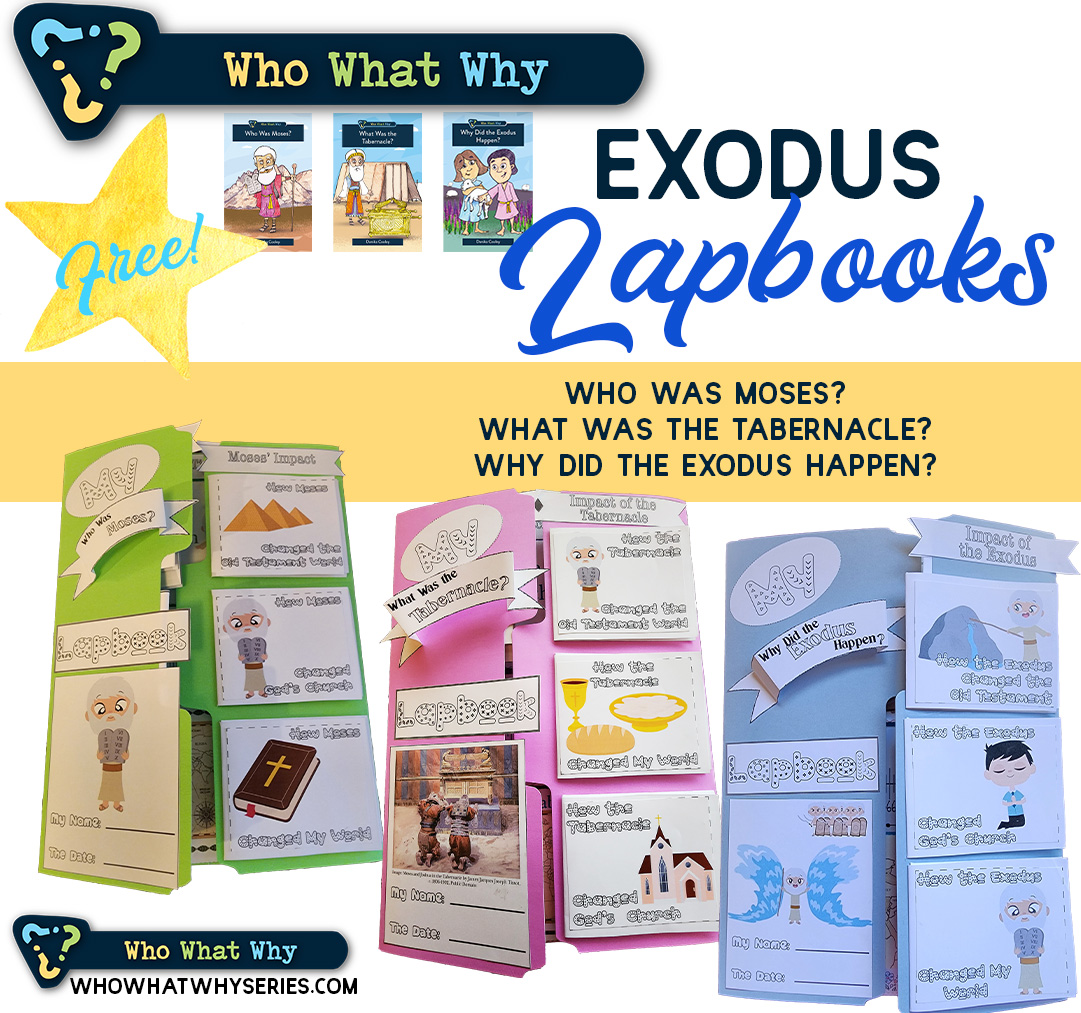
When your child creates a lapbook, they will cut and assemble a series of minibooks and then glue them into a folded file folder. Each minibook is used to take notes about a specific thing your child has learned. The finished product is a presentation showing what your child studied in a given subject.
You can create your own minibooks and lapbooks for any subject. There are a number of videos on YouTube showing you how to do that. Our family preferred pre-made lapbooks that came with templates and step-by-step instructions, like the ones available here at Thinking Kids Press. (Check out our Bible and history lapbooks below.)
A lapbook is an educational tool that just happens to create a super fun end product!

Why Use Lapbooks in Your Homeschool?
Homeschool lapbooks develop 6 important skills:
- Handwriting | As your children write their observations in their mini-books, the process of writing long-hand naturally helps develop handwriting.
- Reading and Listening Comprehension | Your children will begin to pay attention and deepen their understanding of the information they are hearing or reading, knowing they will be taking notes on it.
- Pre-writing | Taking notes or making observations helps children identify important information and organize their thoughts.
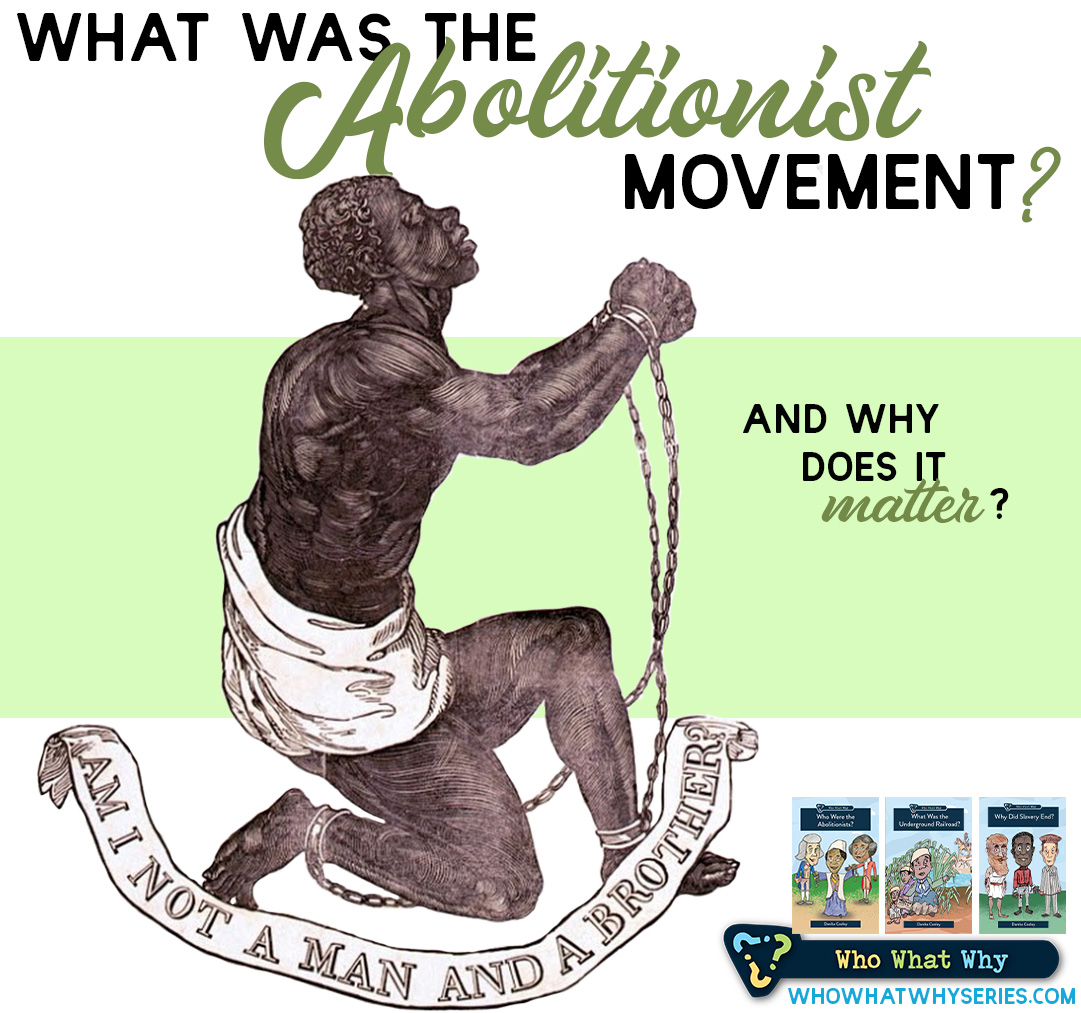
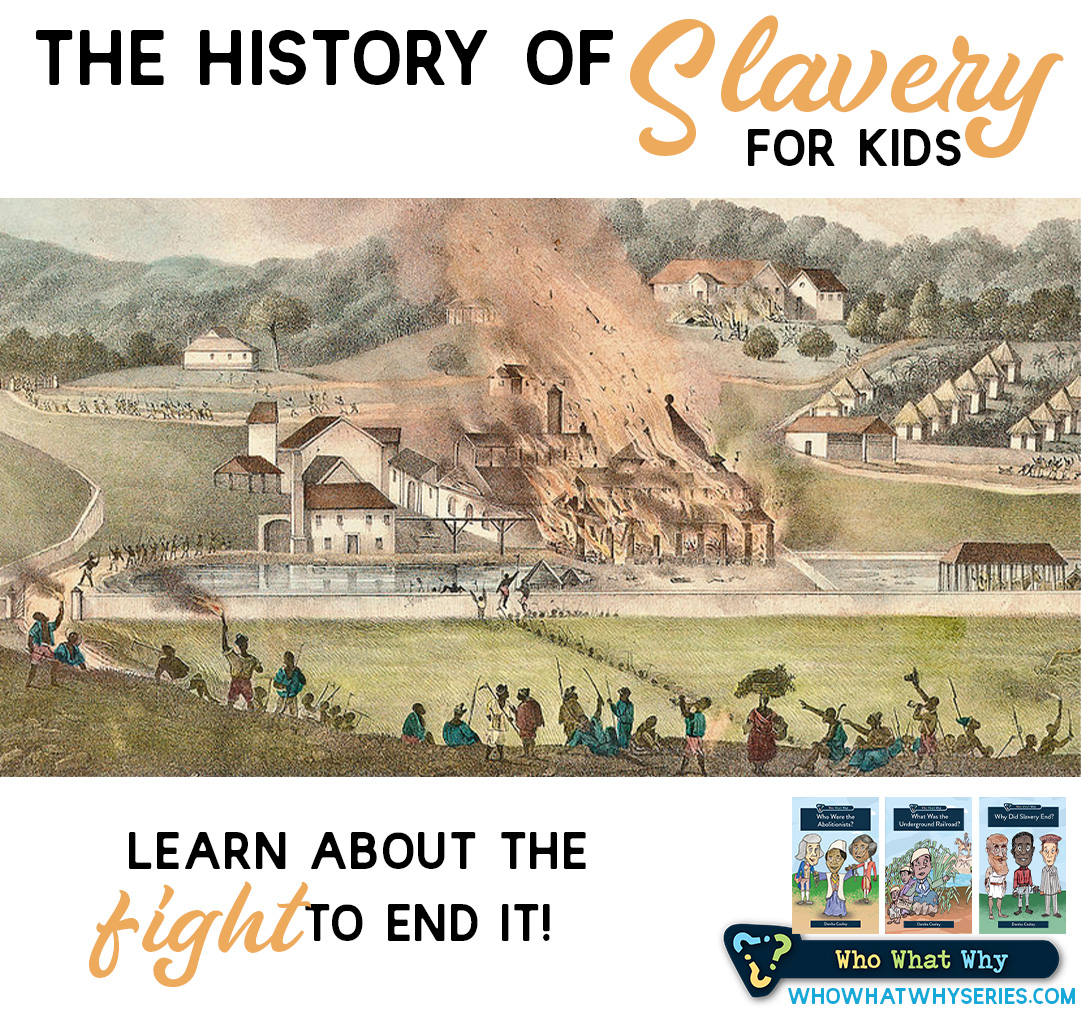
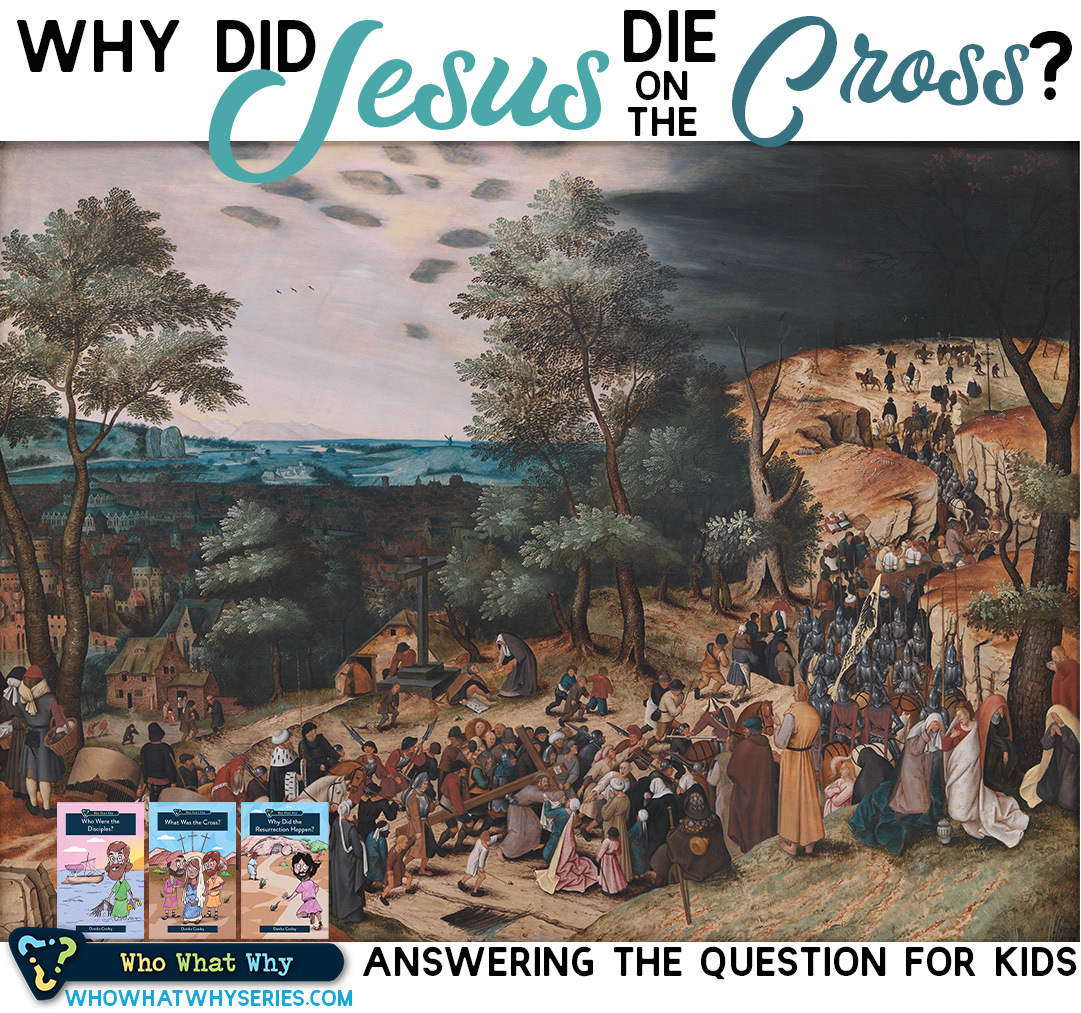
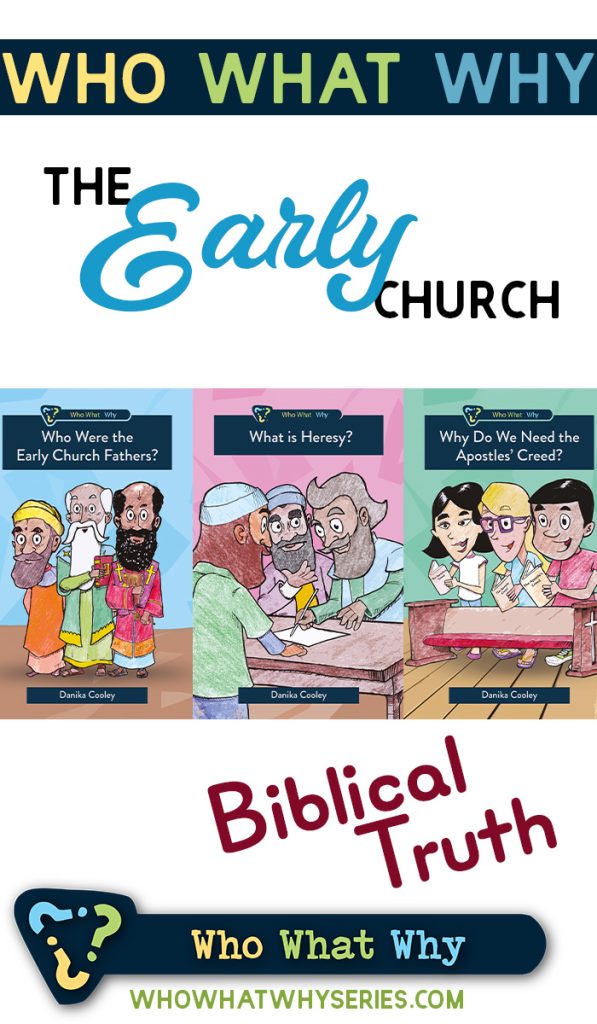
- Research | Lapbooks provide an excellent tool to do extra research on a subject, like the mini-Bible studies included in the Who What Why history lapbooks.
- Long-term Memory | Lapbooks helps cement what students have studied into their long-term memory.
- Cognitive Skills | Taking notes requires a higher thought process. At first, your children will need help to process and narrate what they’ve learned, but cognitive skills will soon become second-hand.
Homeschool lapbooks provide a great way for children to create study units they will remember for years to come!

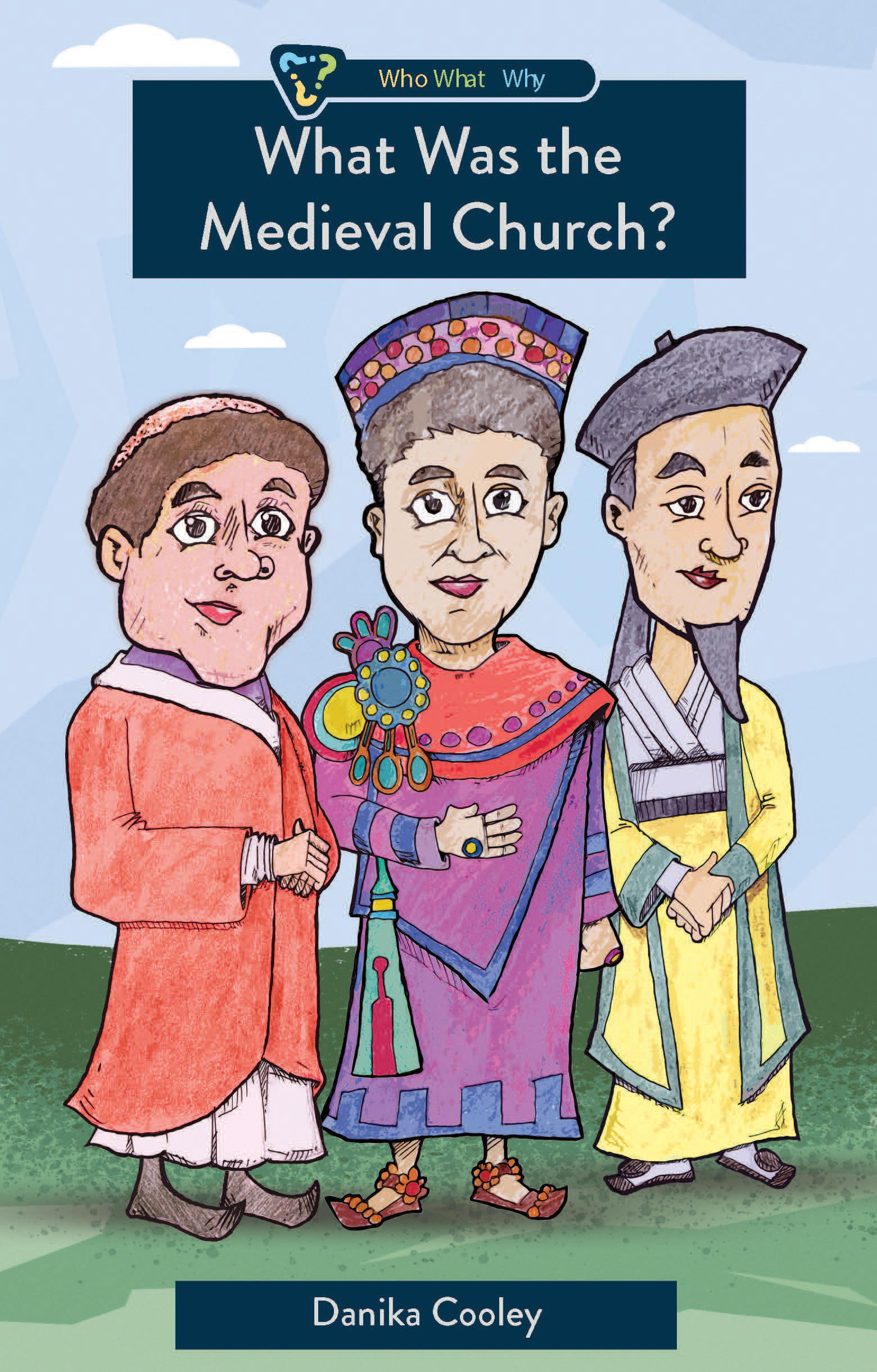
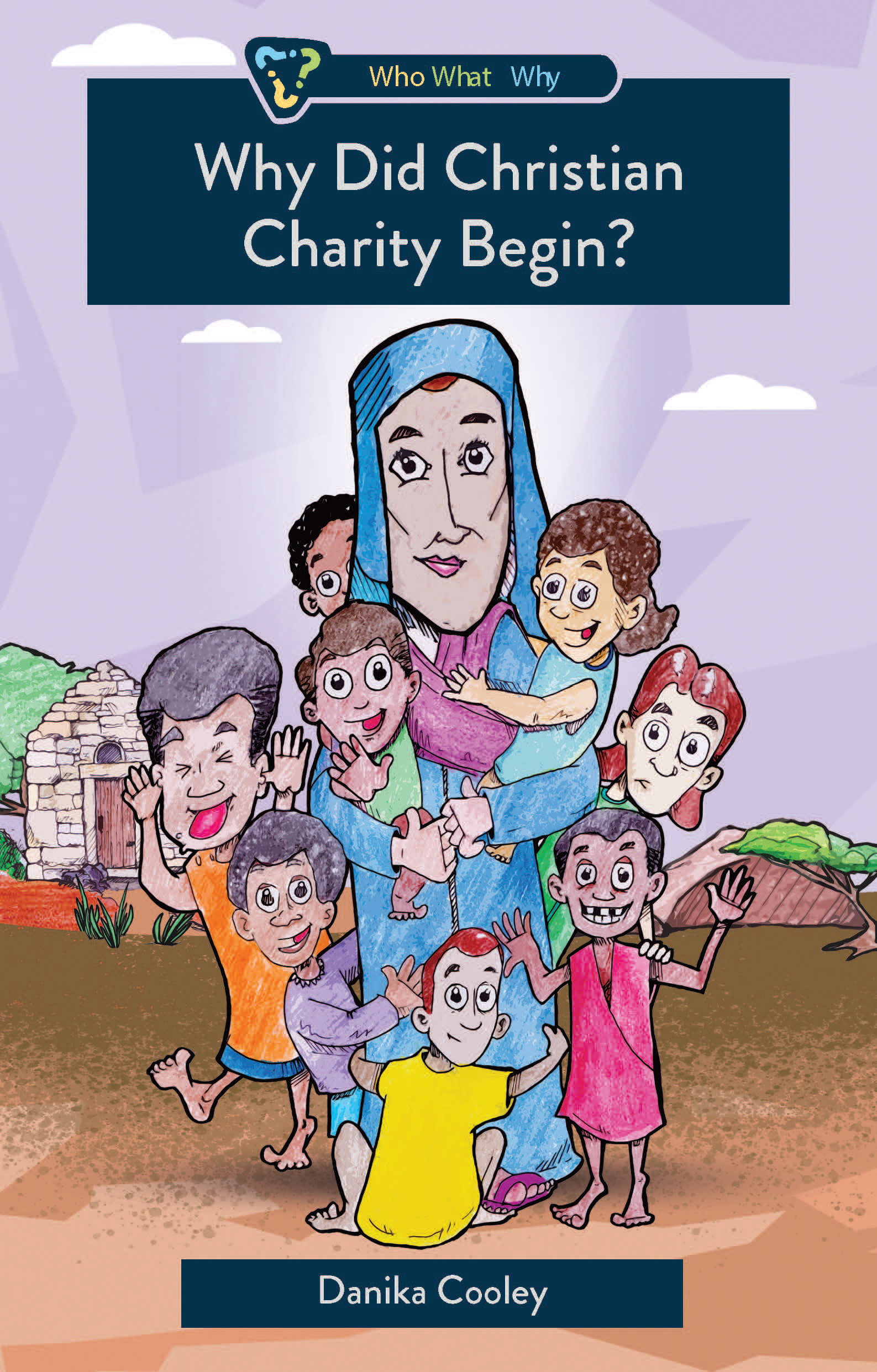
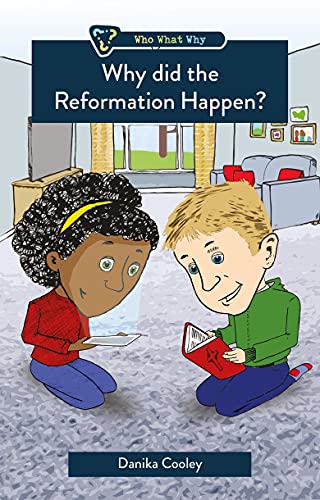
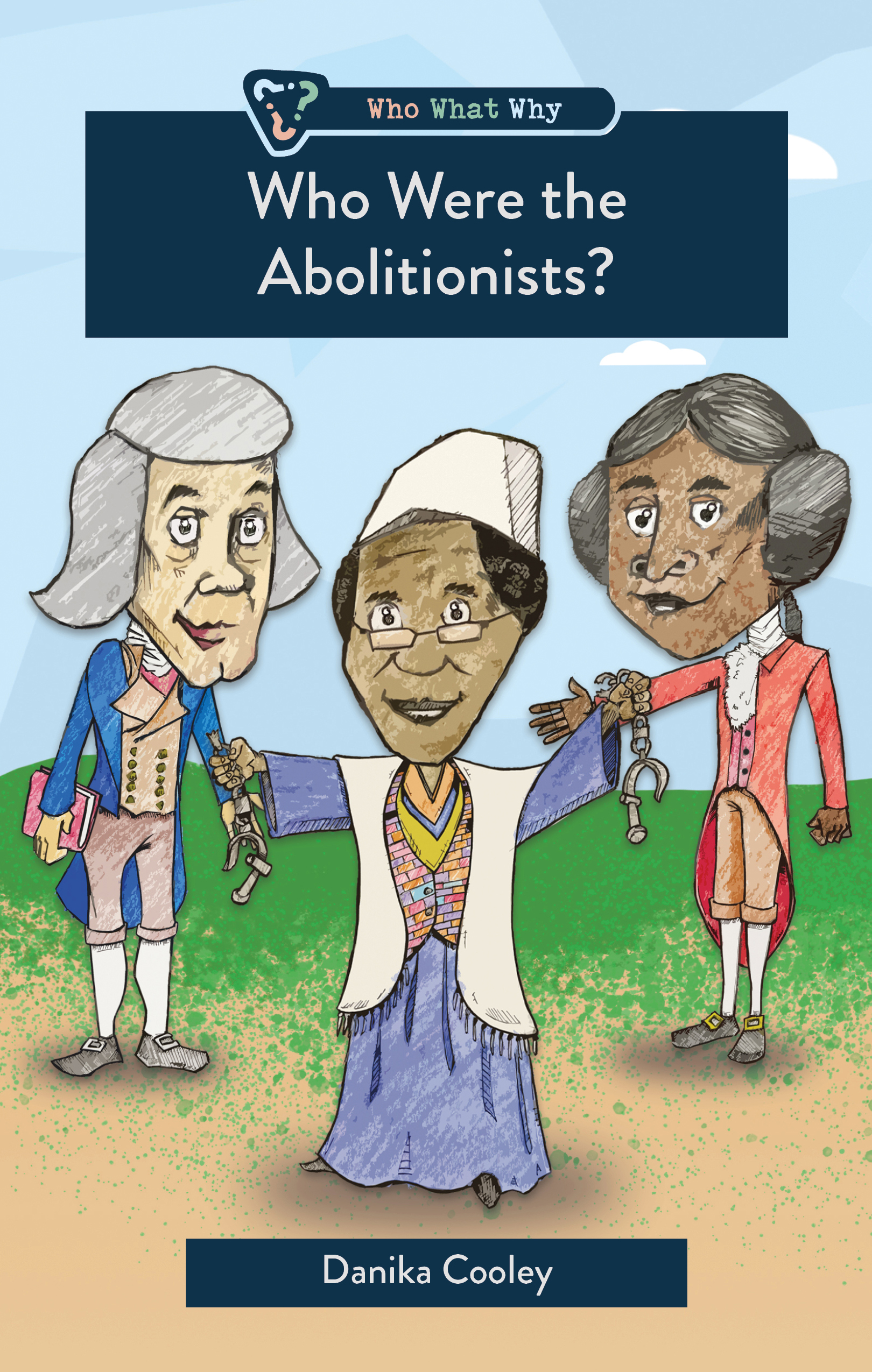
Check Out These Great Bible and History Lapbooks for Your Homeschool
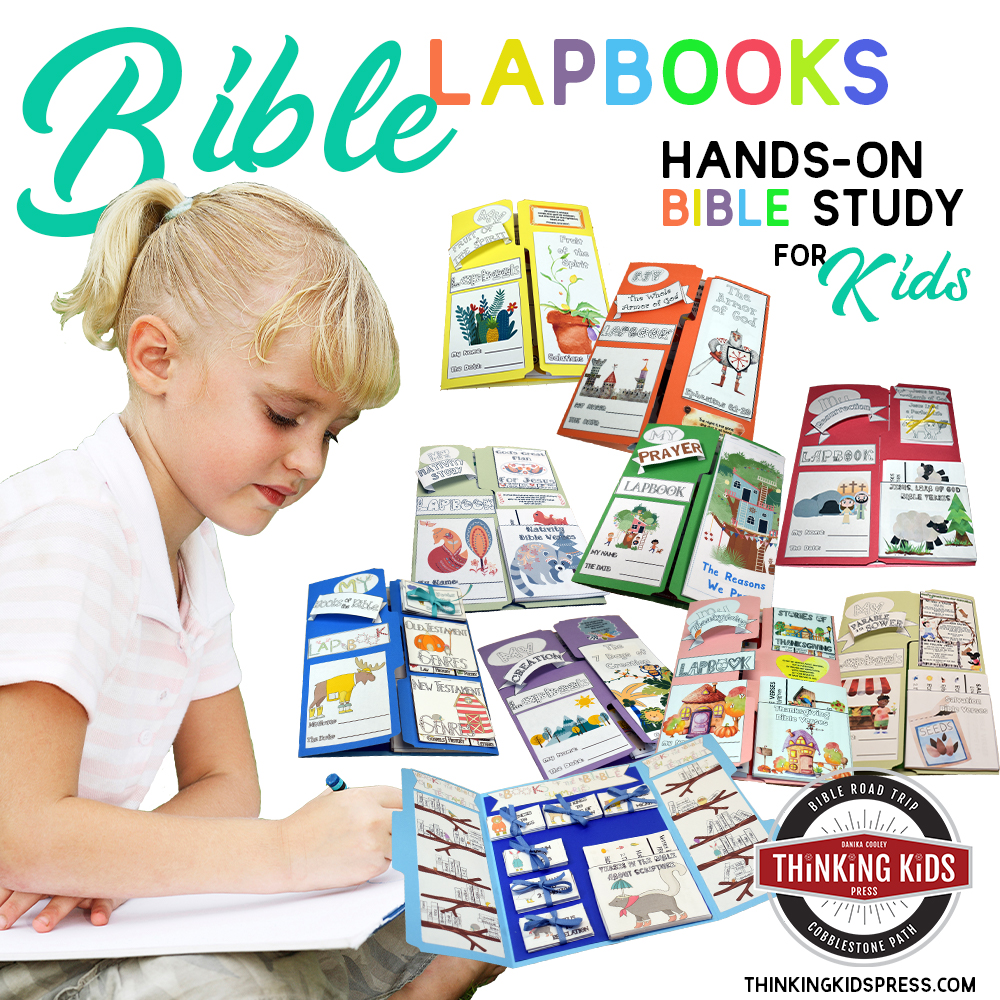
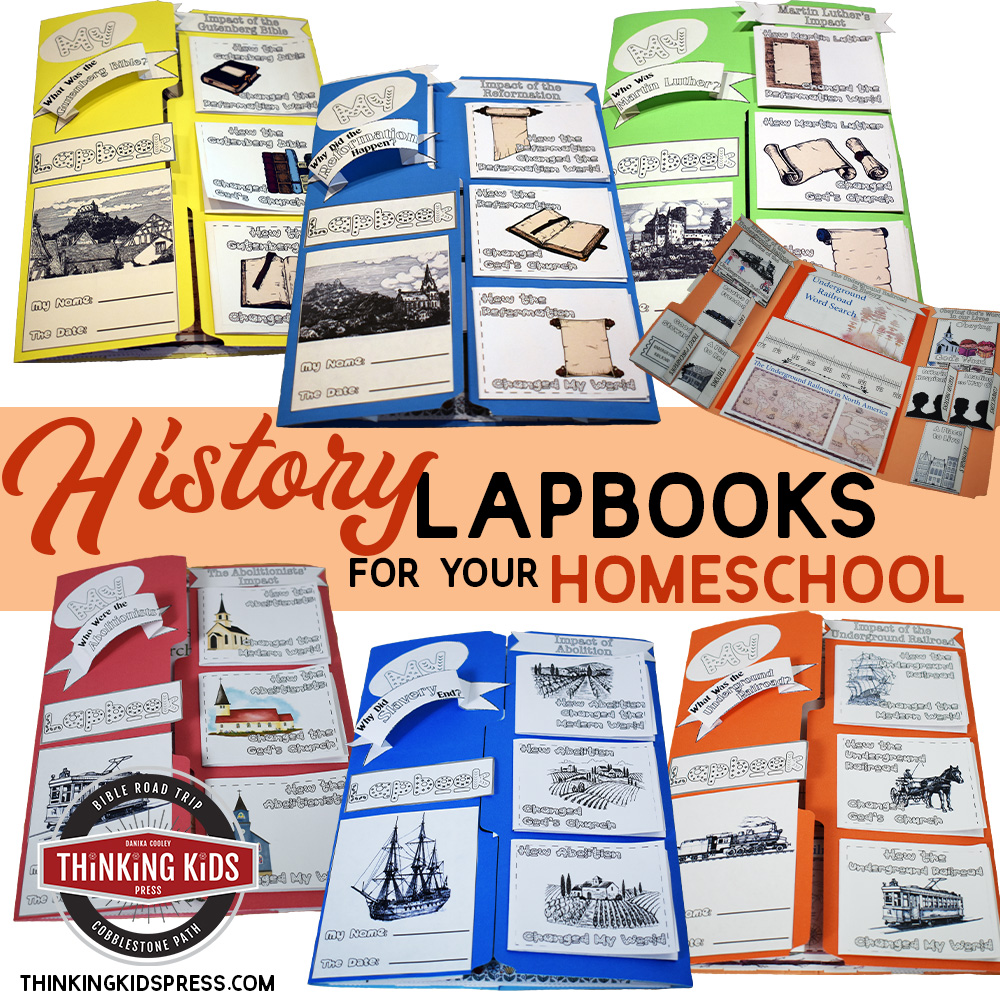
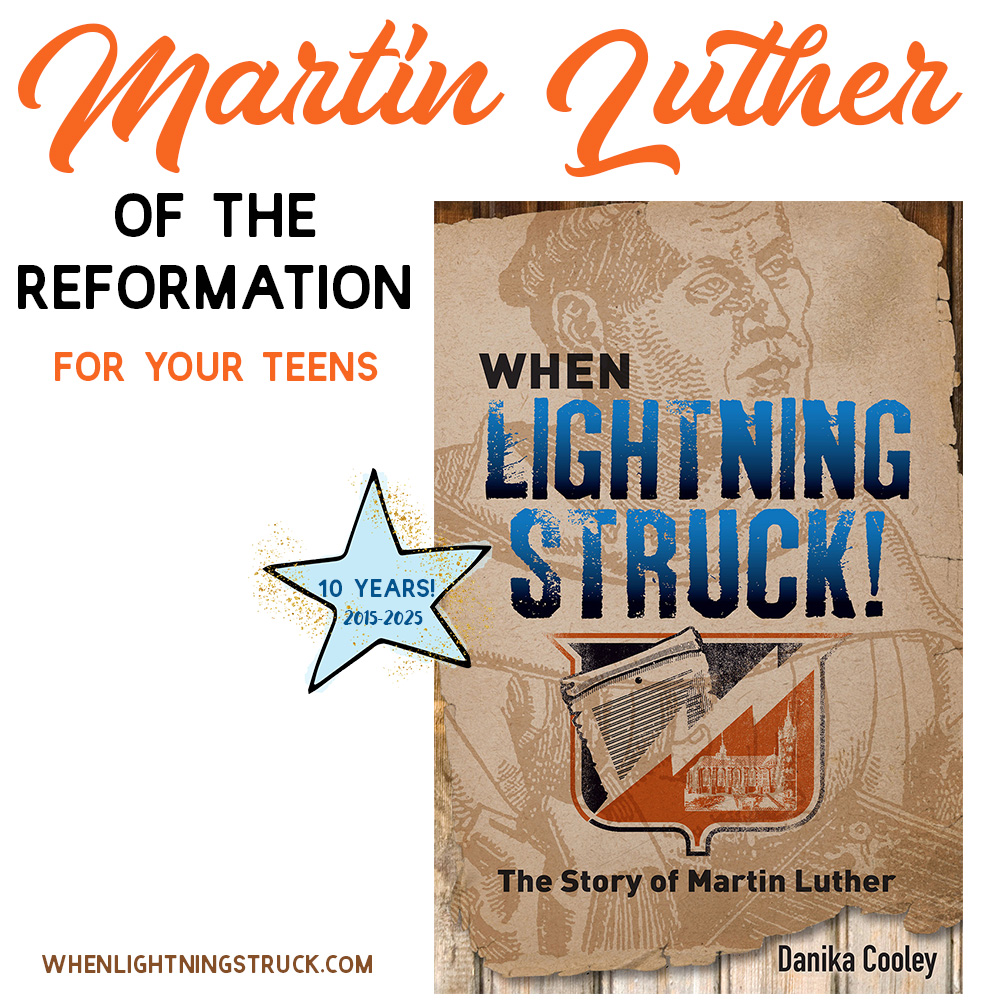
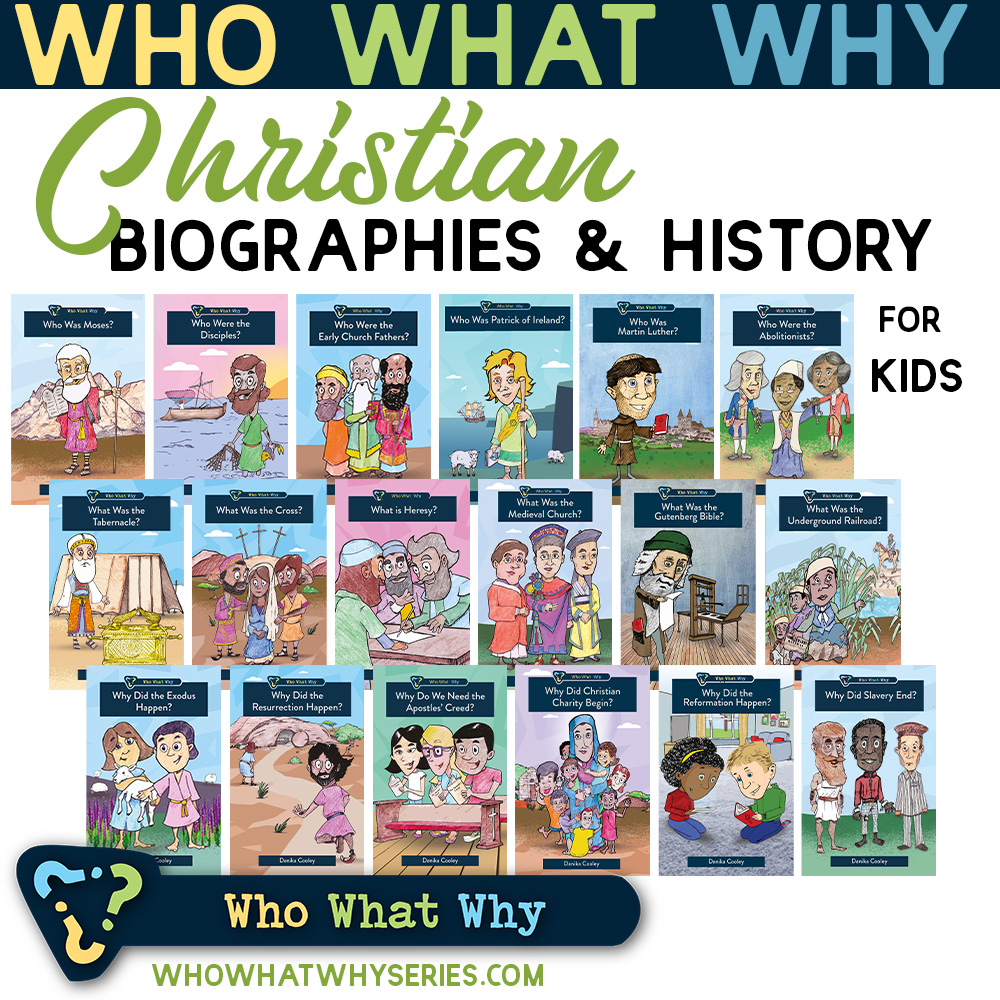
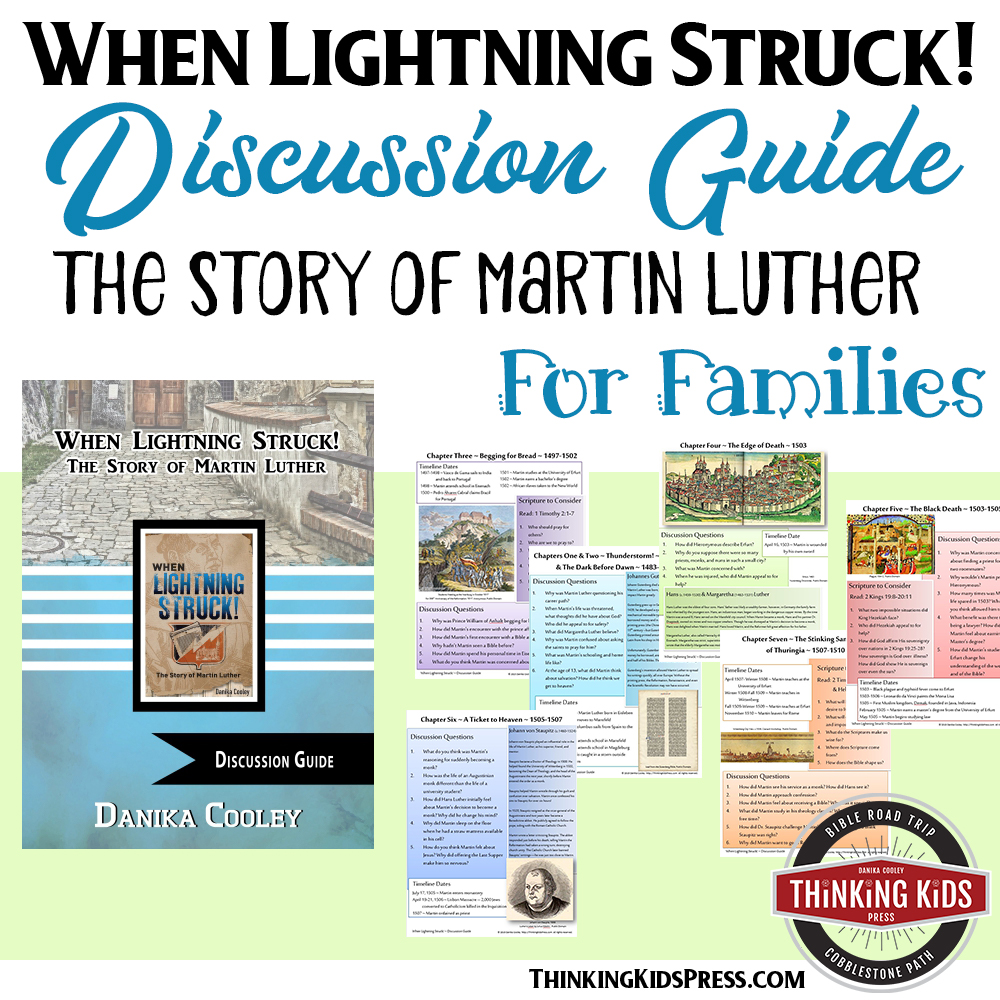
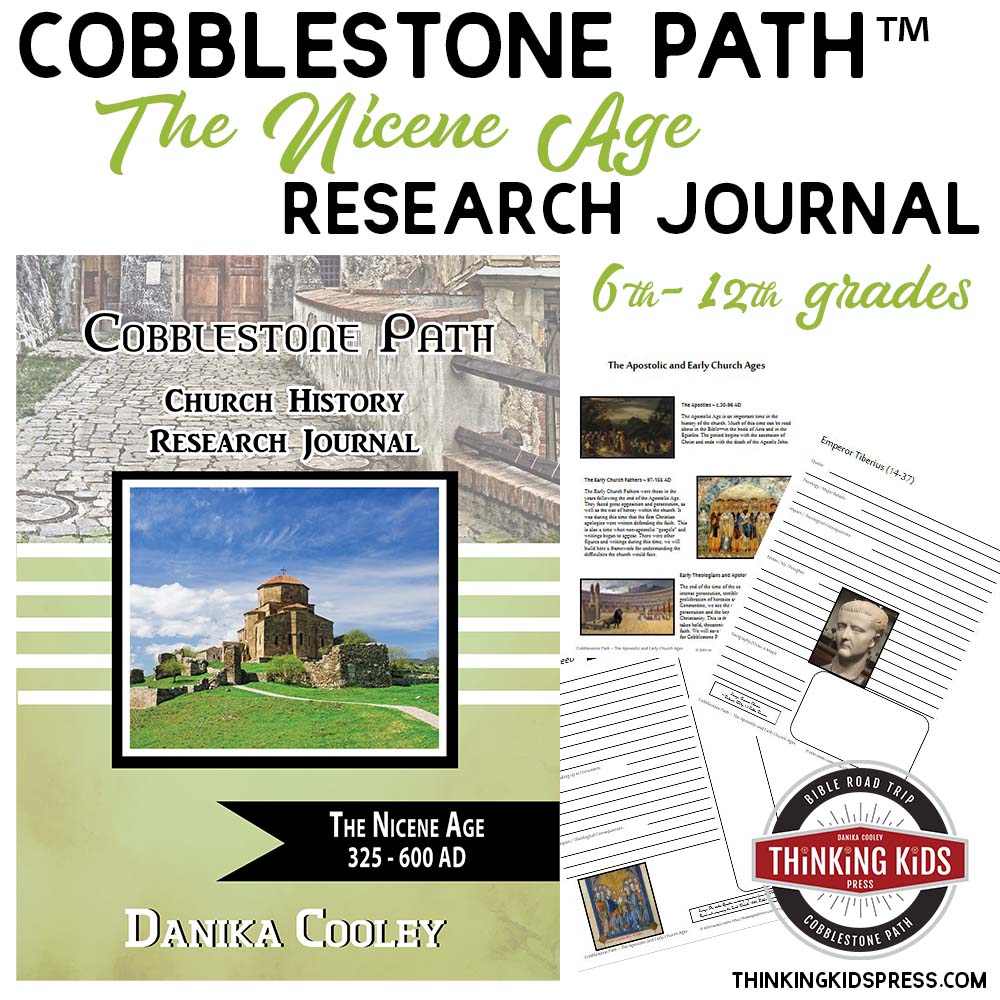
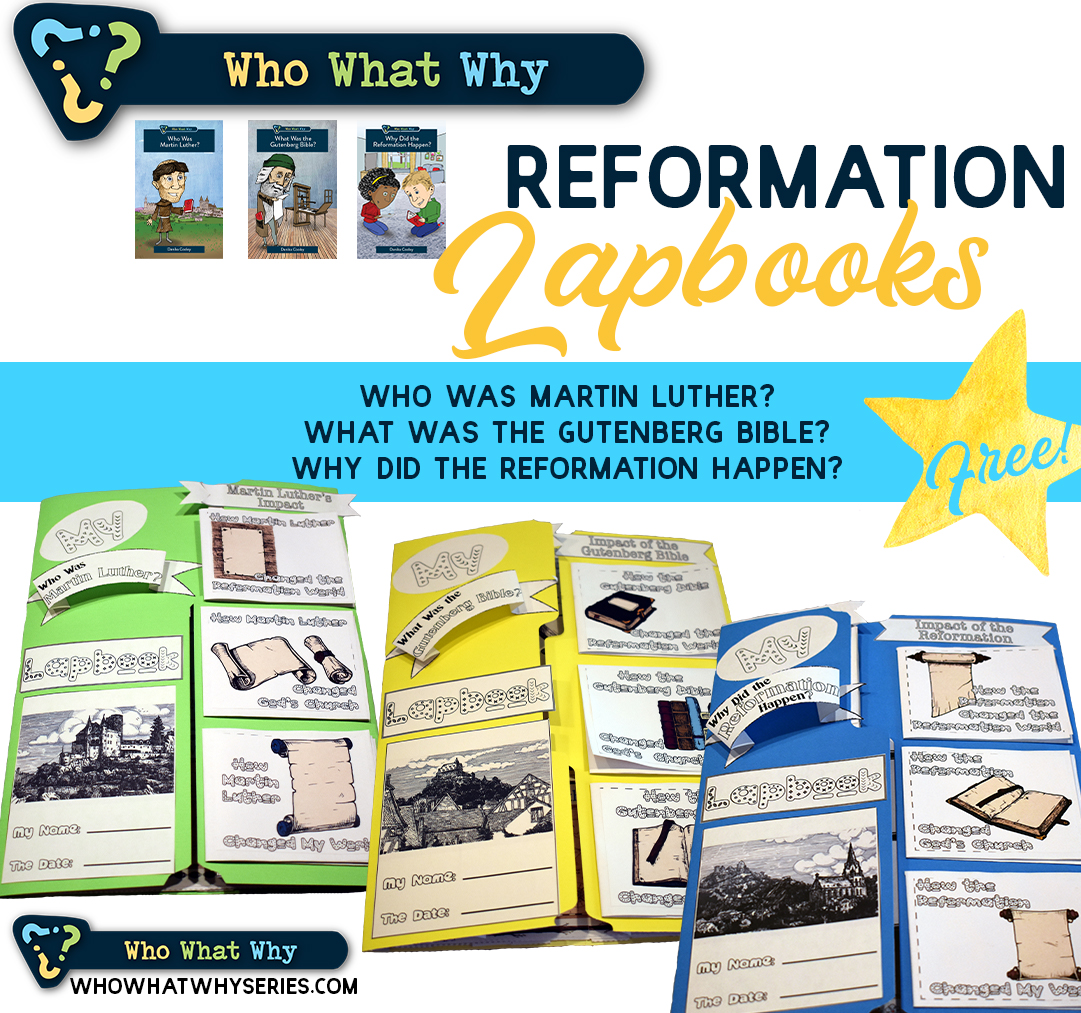
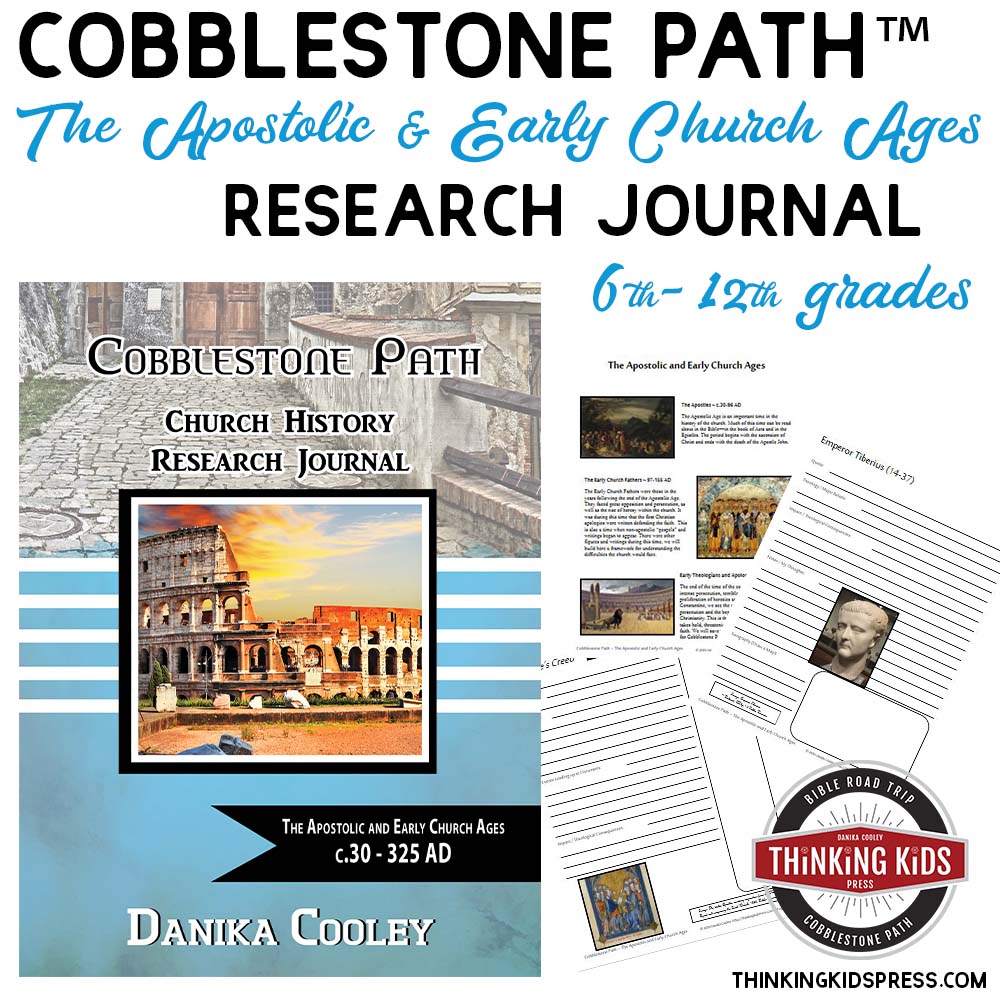
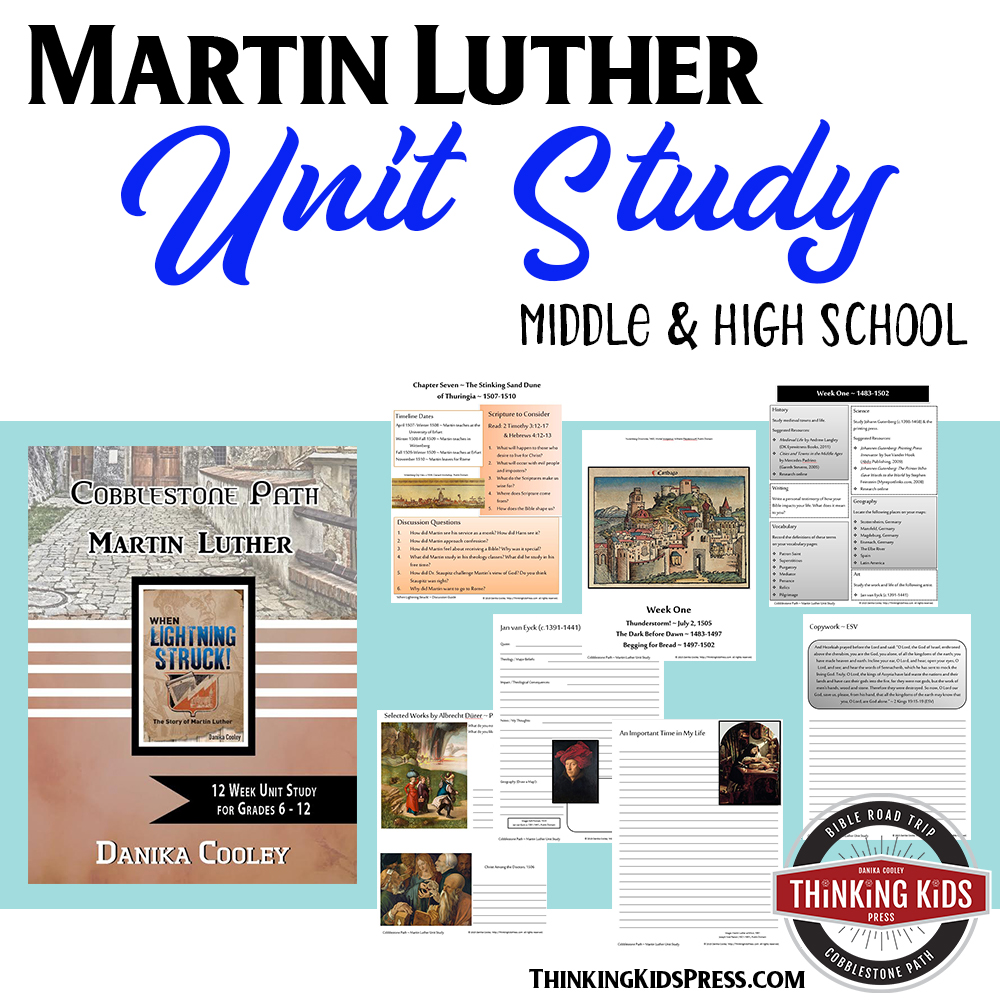
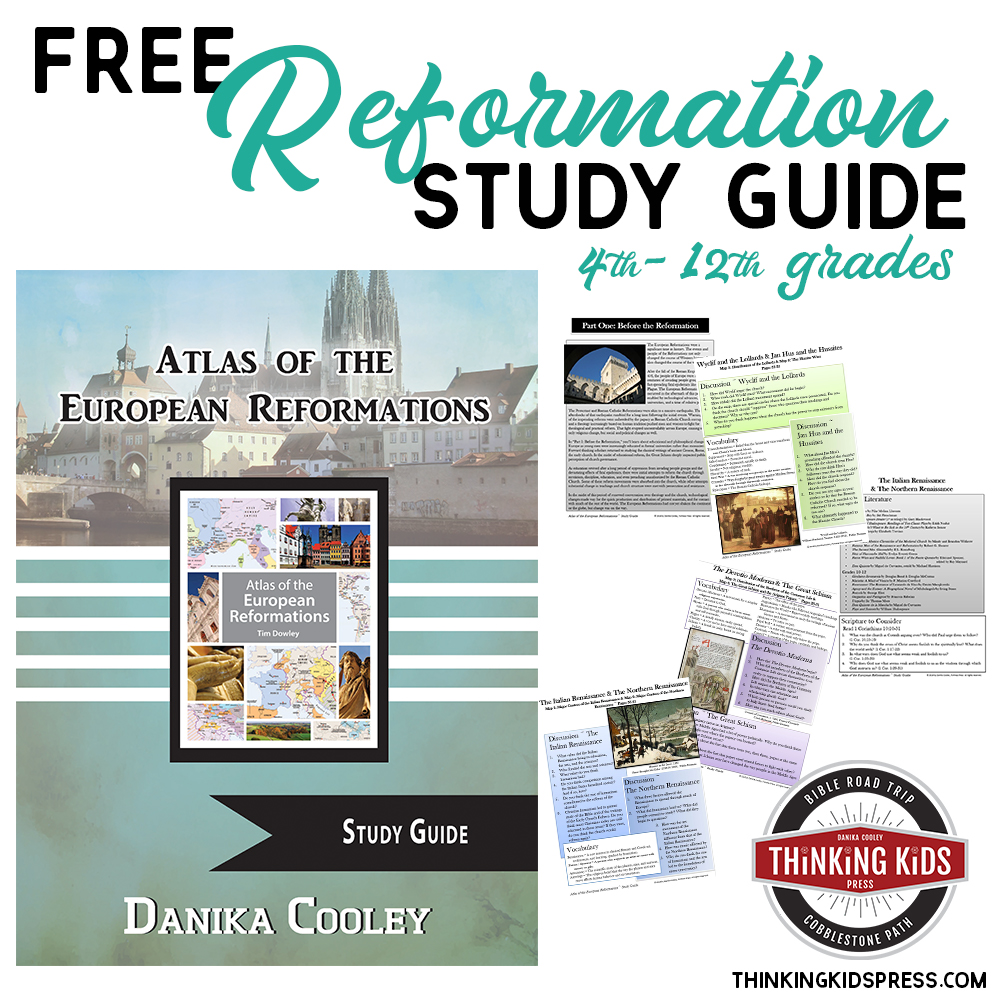
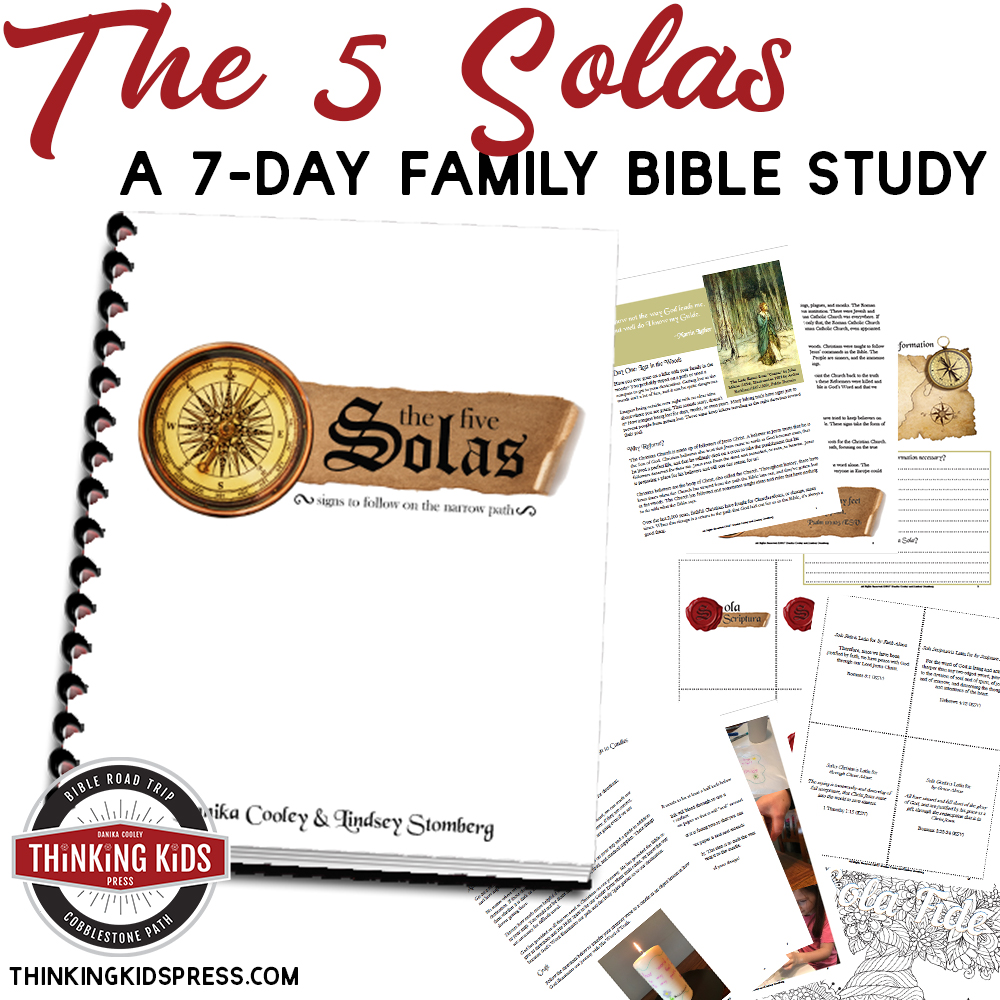
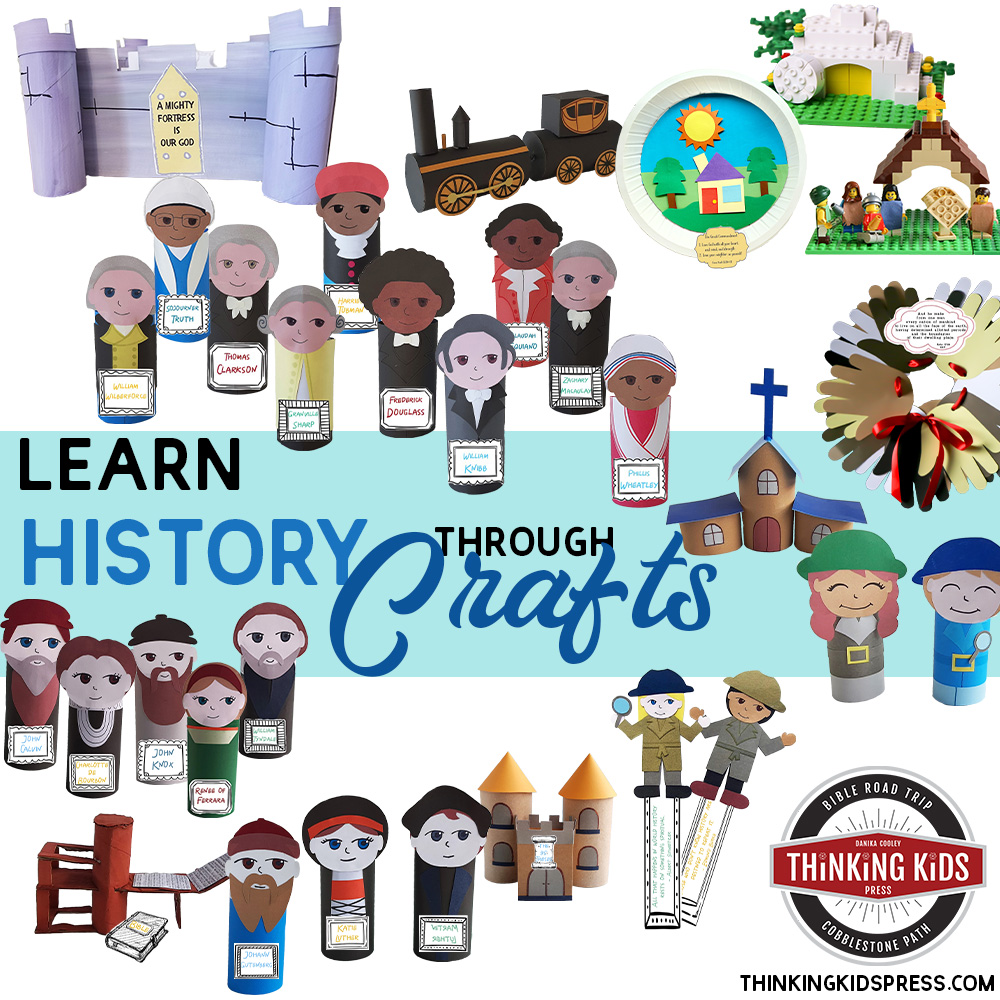
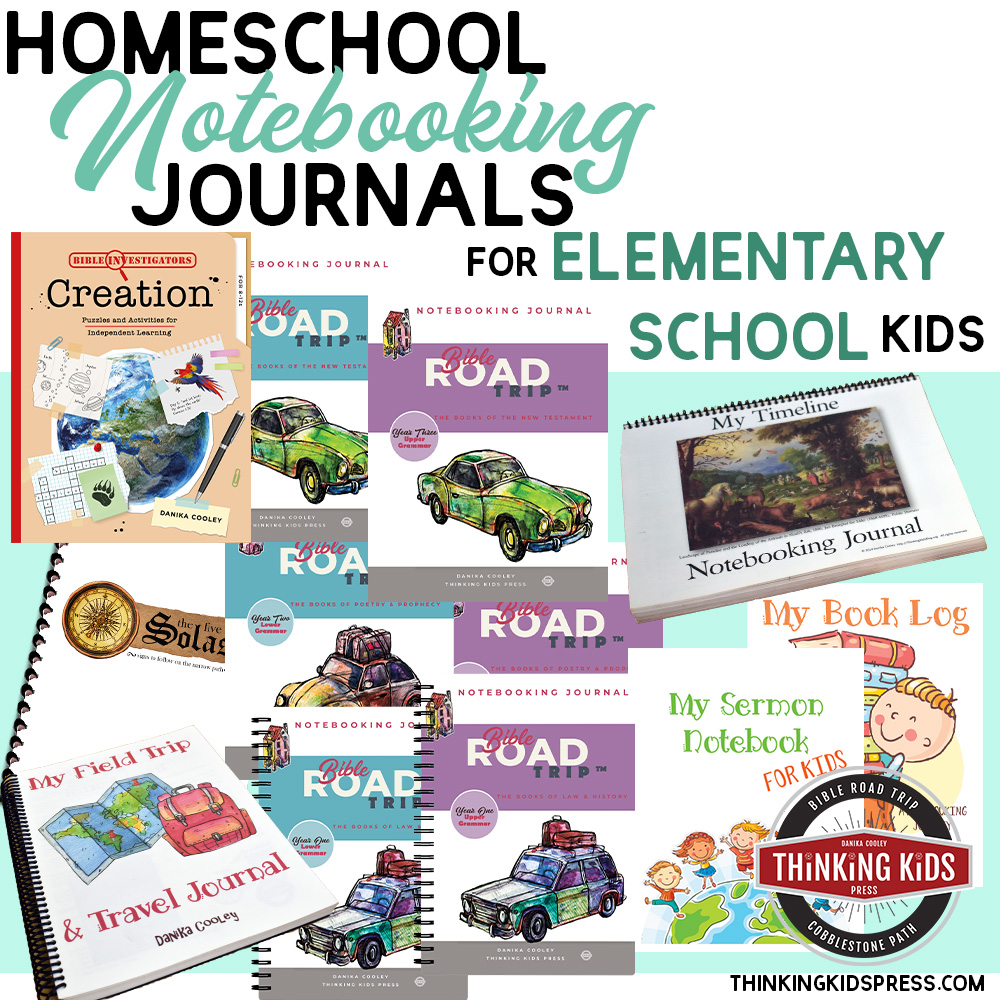
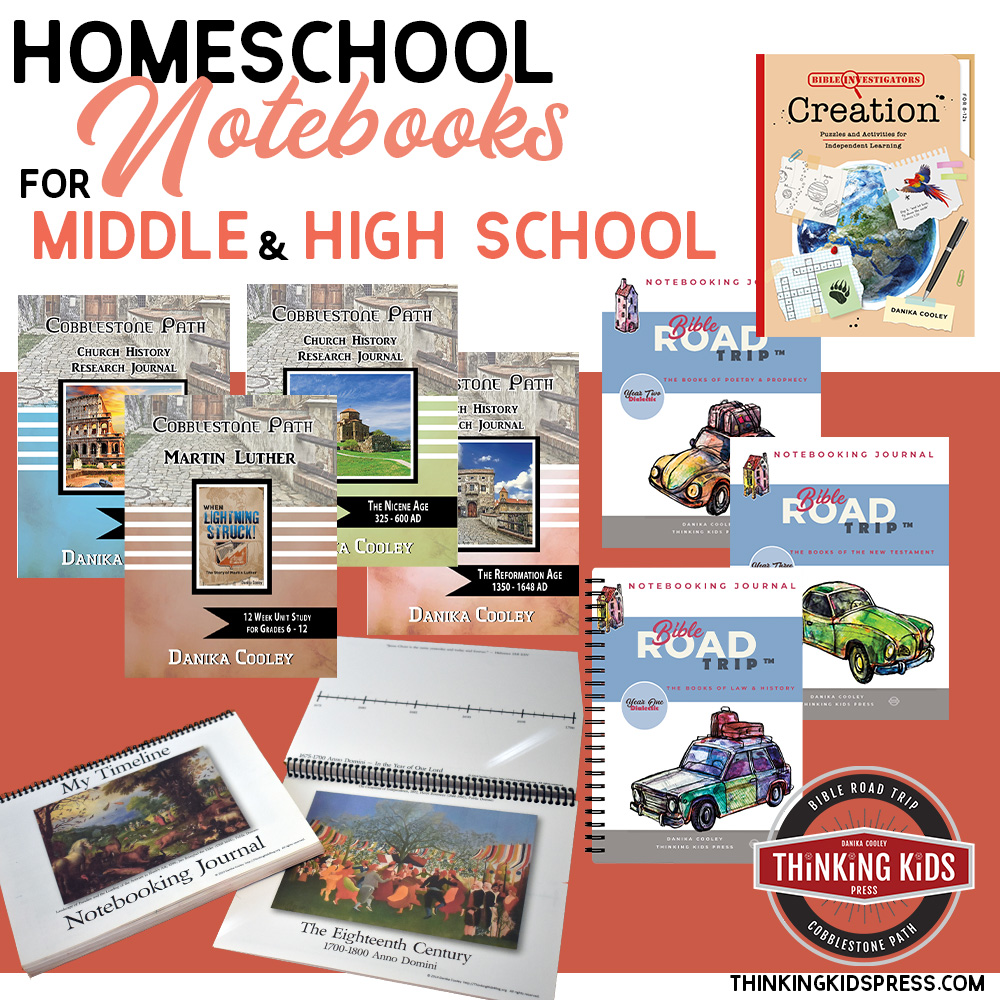
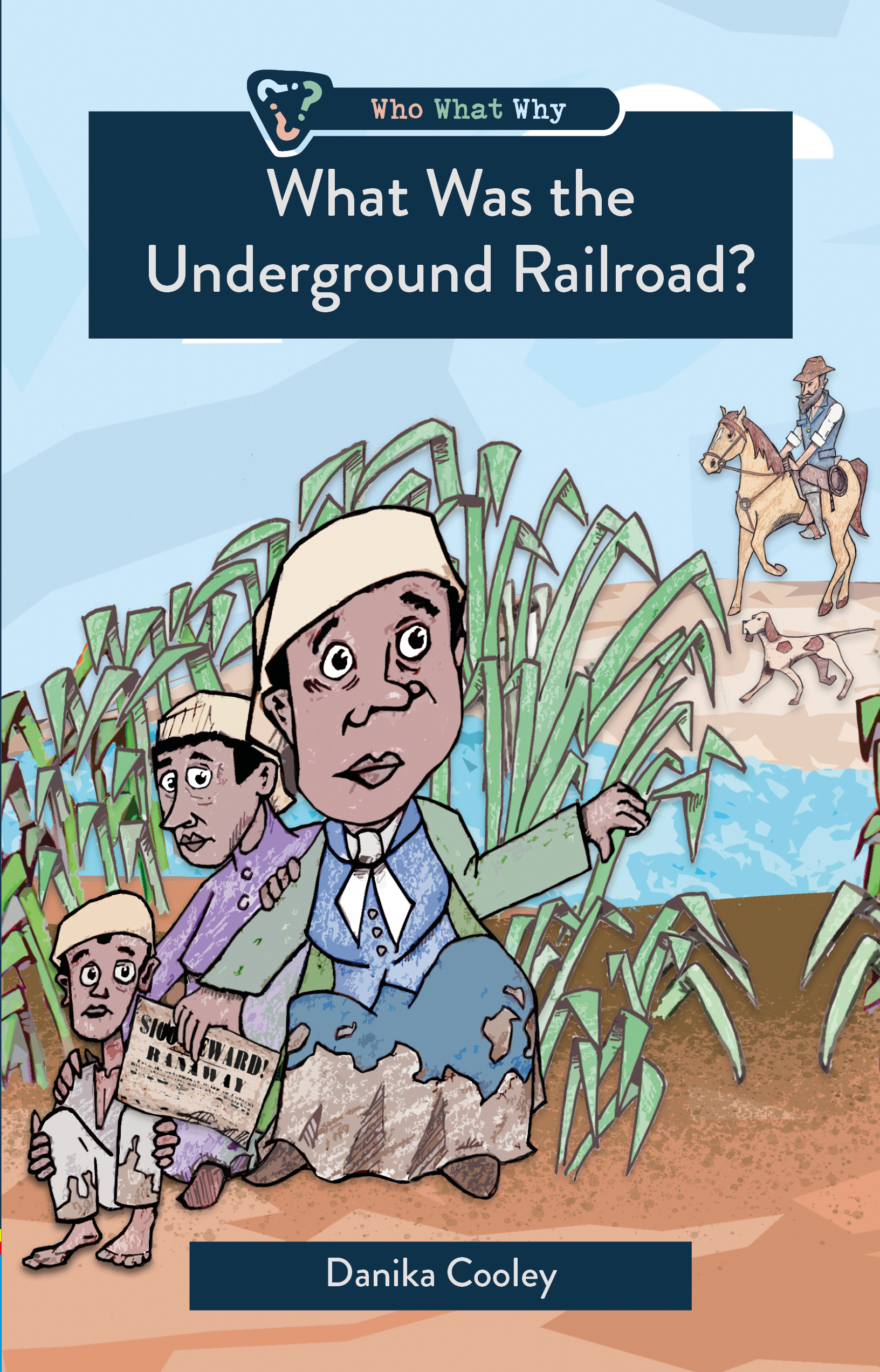
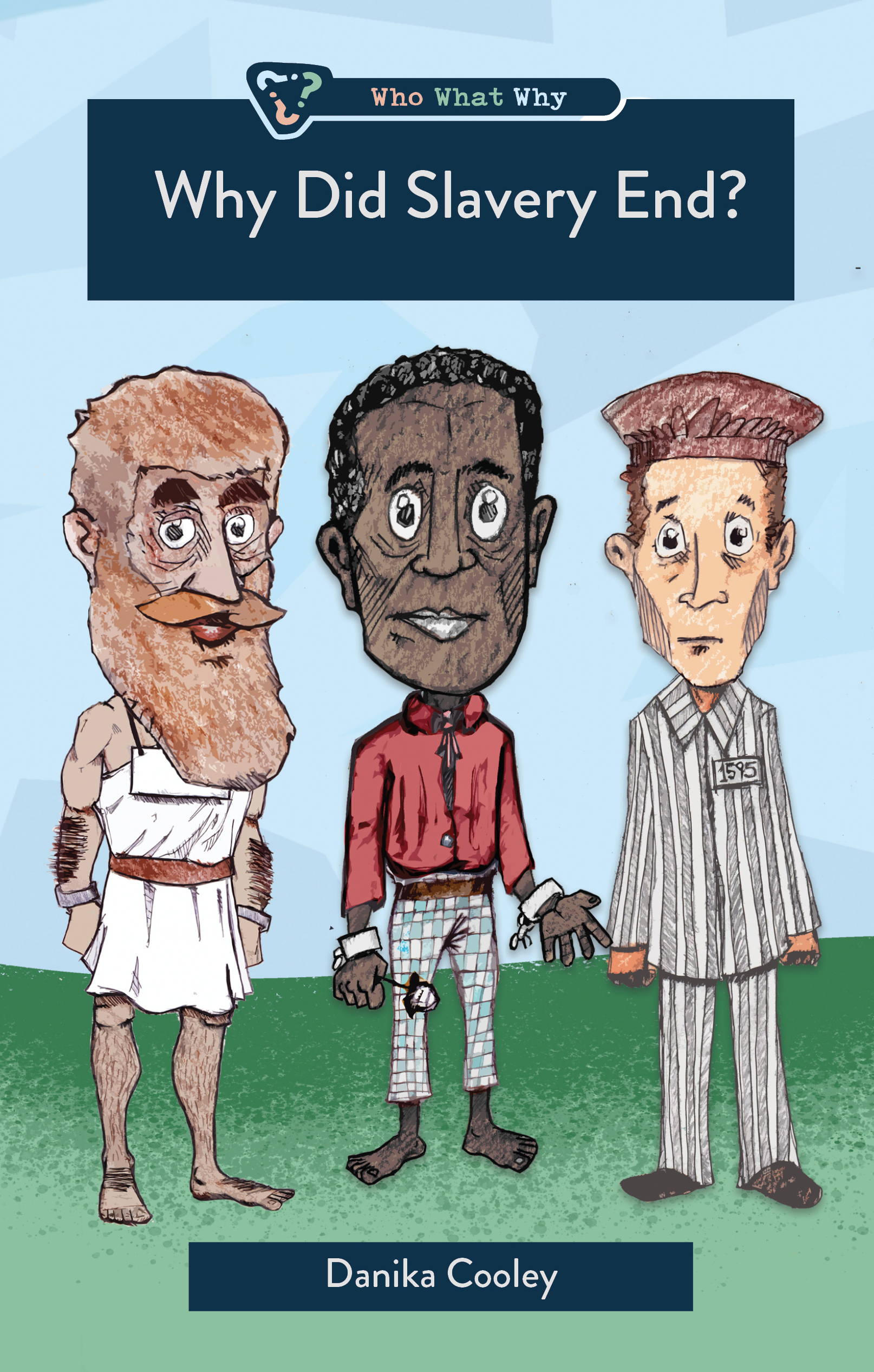
At Thinking Kids, we have a growing library of lapbooks available for your kids. These lapbooks are designed to help you continue the learning, presenting short Bible studies, giving writing prompts, and helping kids visually see the information they are working on assimilating!
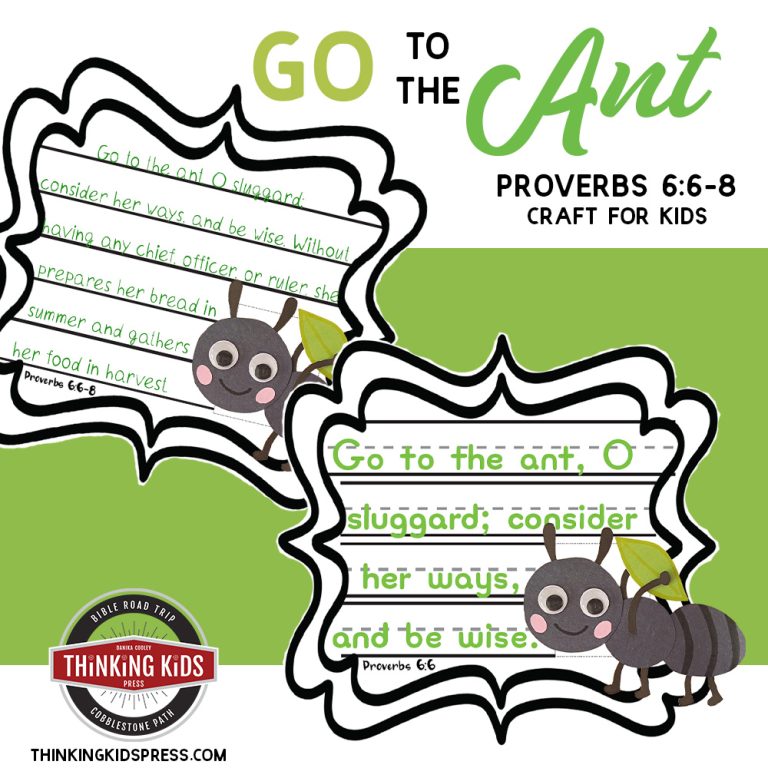
Each lapbook comes with printable minibooks, wheels, copywork, verse frames, and memory verse cards. Each minibook and activity in the Bible and history lapbooks will help your kids study the Bible, think critically about a time in history, and record what they have learned. The lapbooks come with instructions, reading and discussion directions, and detailed assembly diagrams and specifications.
Plus, they’re really cute!
Thinking Kids Press lapbooks give your family a record to enjoy as a finished product. Your family can keep it for years to come as a memory of your hands-on Bible and history studies.
Storing Bible Lapbooks
I suggest stacking your homeschool lapbooks upright in a magazine file like the ones below, then setting the file on a bookshelf. It’s a simple and effective way to store your child’s lapbooks.
Magazine File Holder | 12 Multicolor Magazine Holders | 5Book Magazine Holders | 312 Pack Magazine Holder12 Pack Magazine Holders


Books Make Great Gifts!
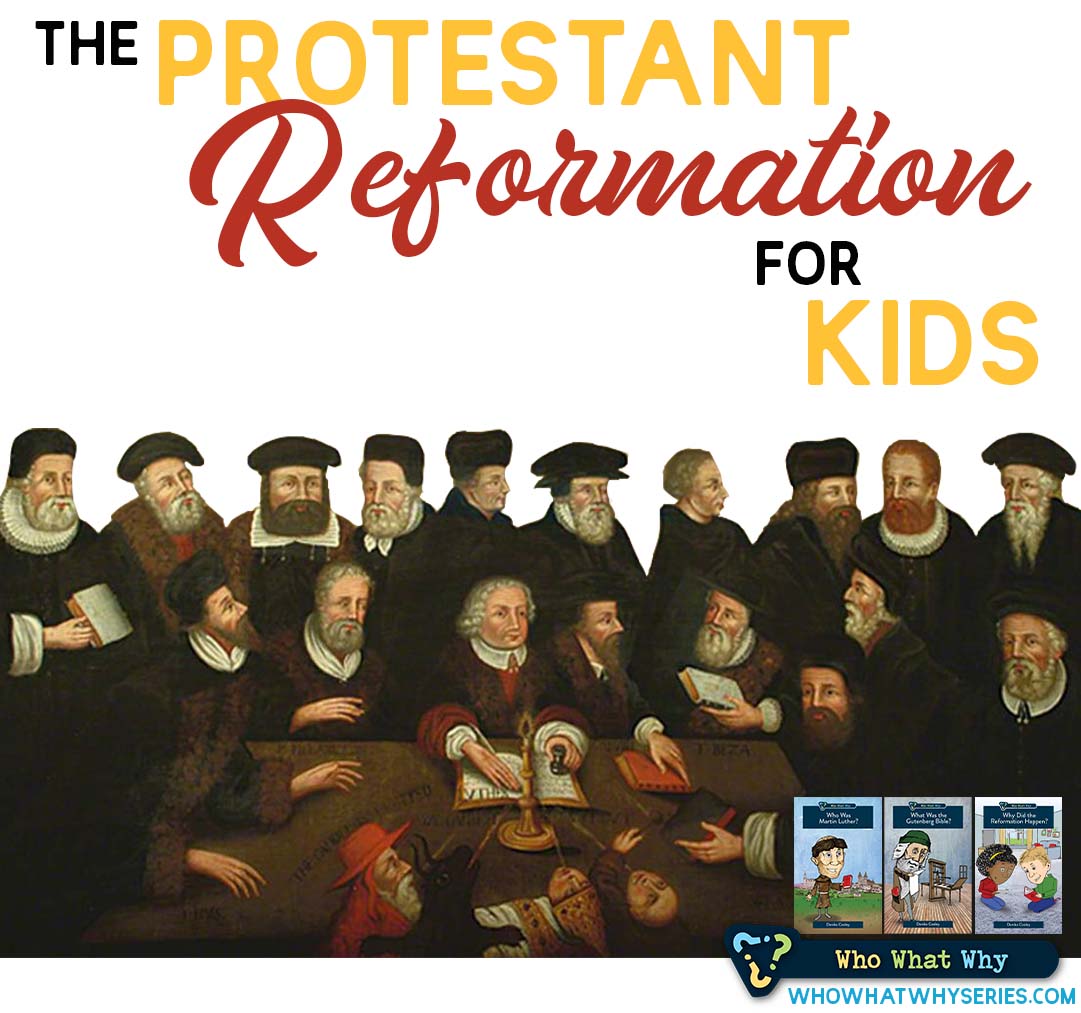
Teach the kids about the Bible and Christian history…
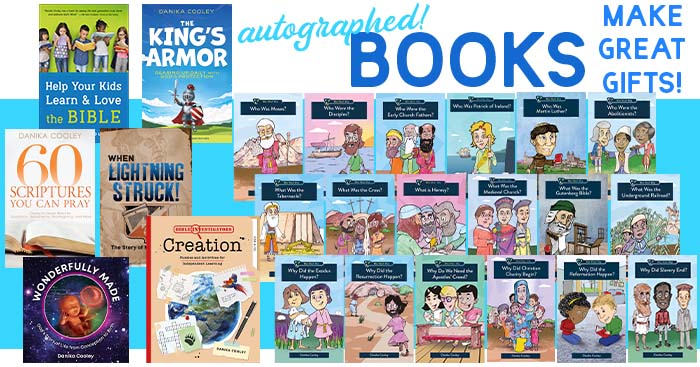
…with fun books they’ll love reading!
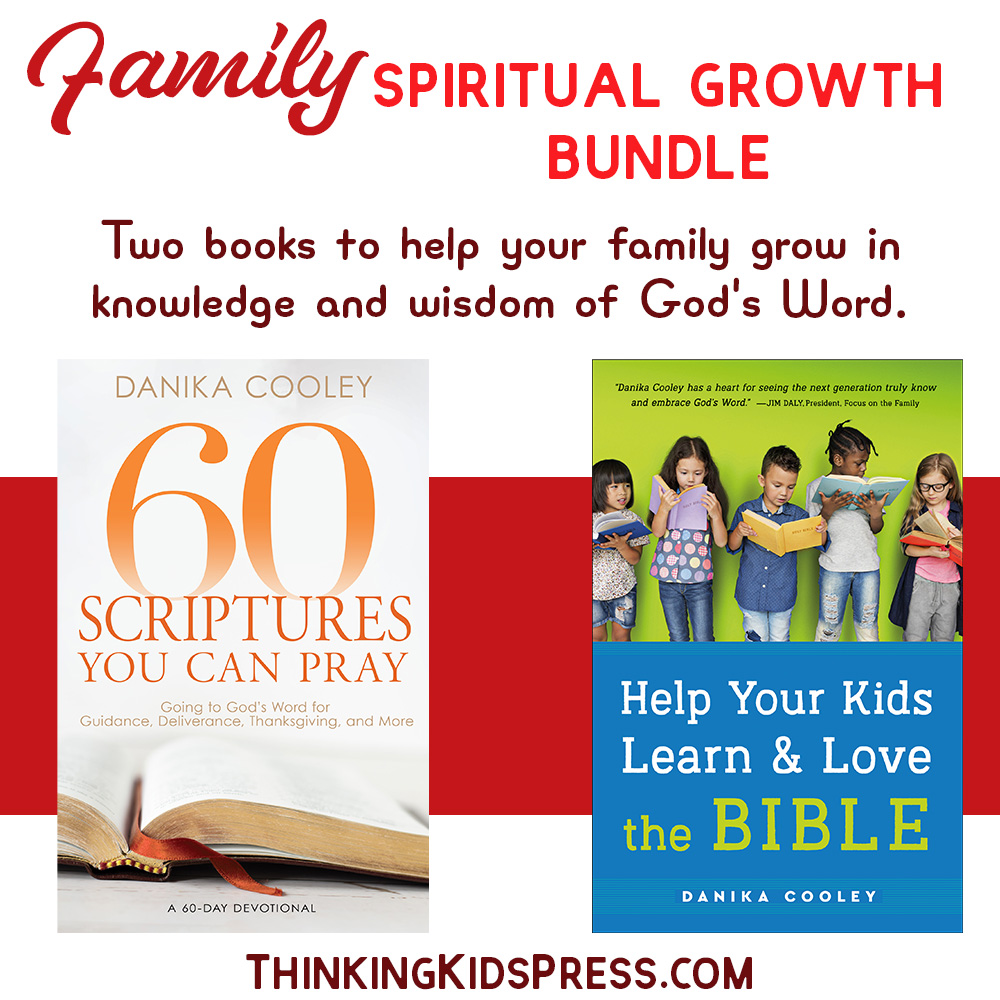
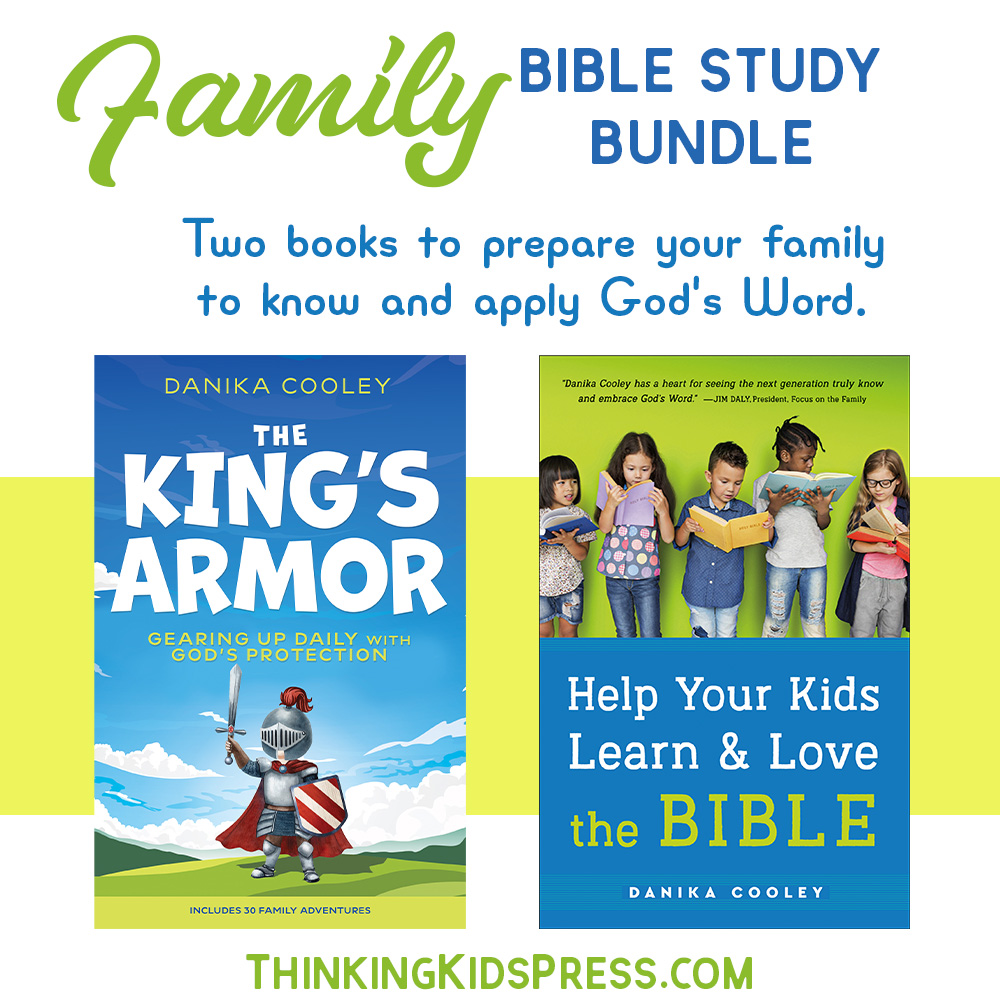
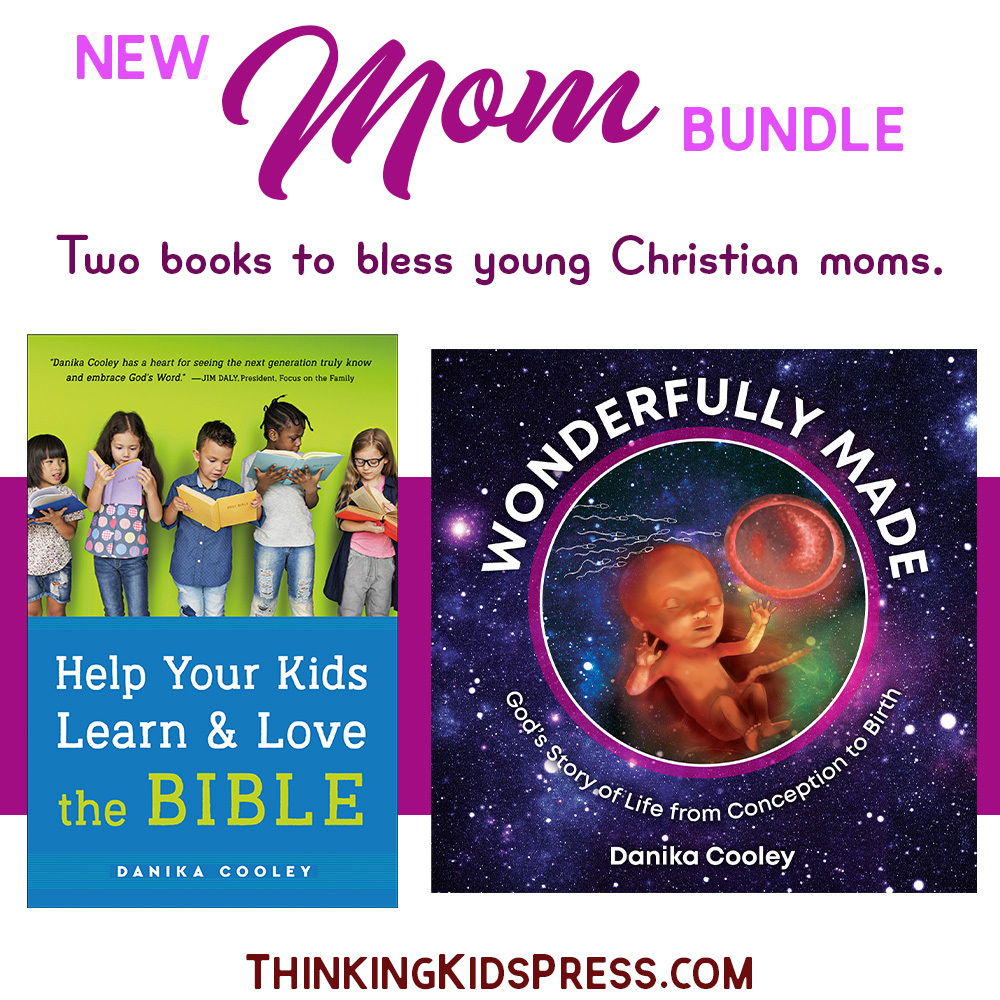
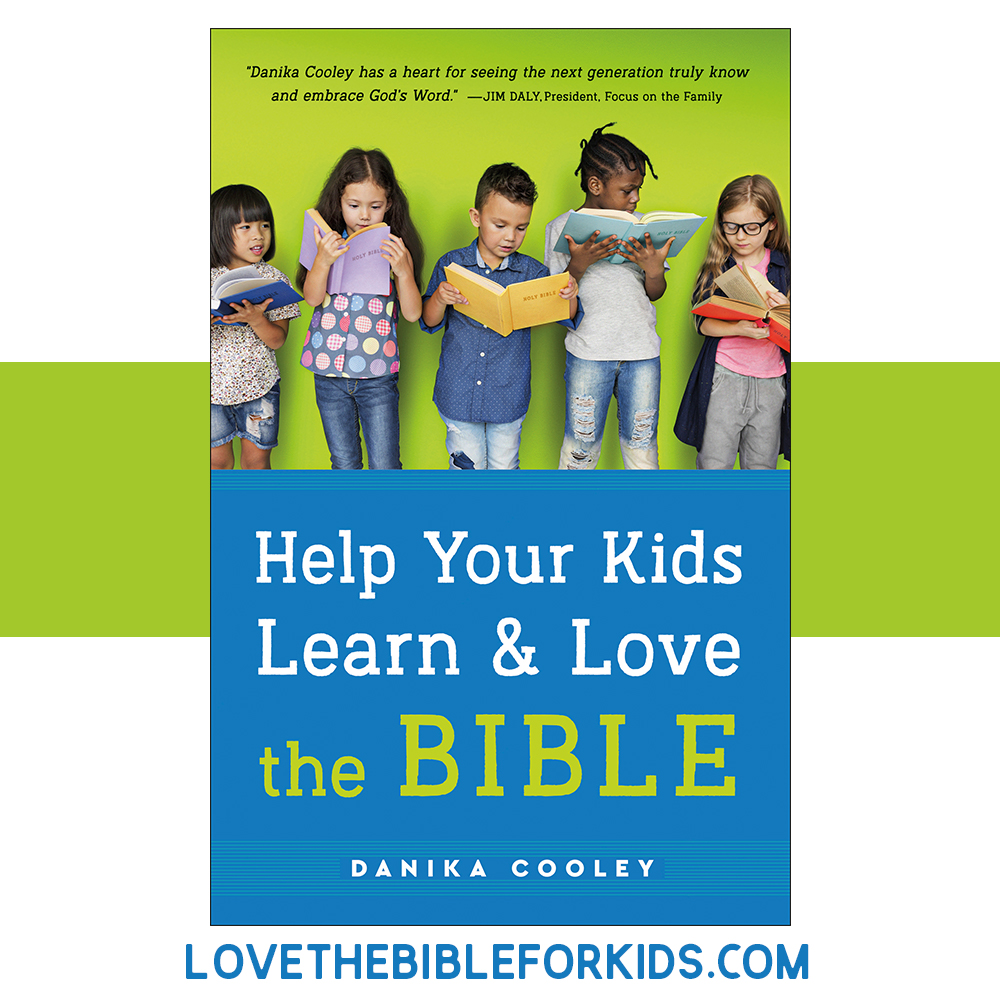
Introduce your children to engaging stories written in an engaging narrative they’ll want to read. As they learn more about God’s Word and gain real-life heroes, they will learn to apply Scripture to their own lives. And, give yourself the gift of a book that will help your kids learn and love the Bible.

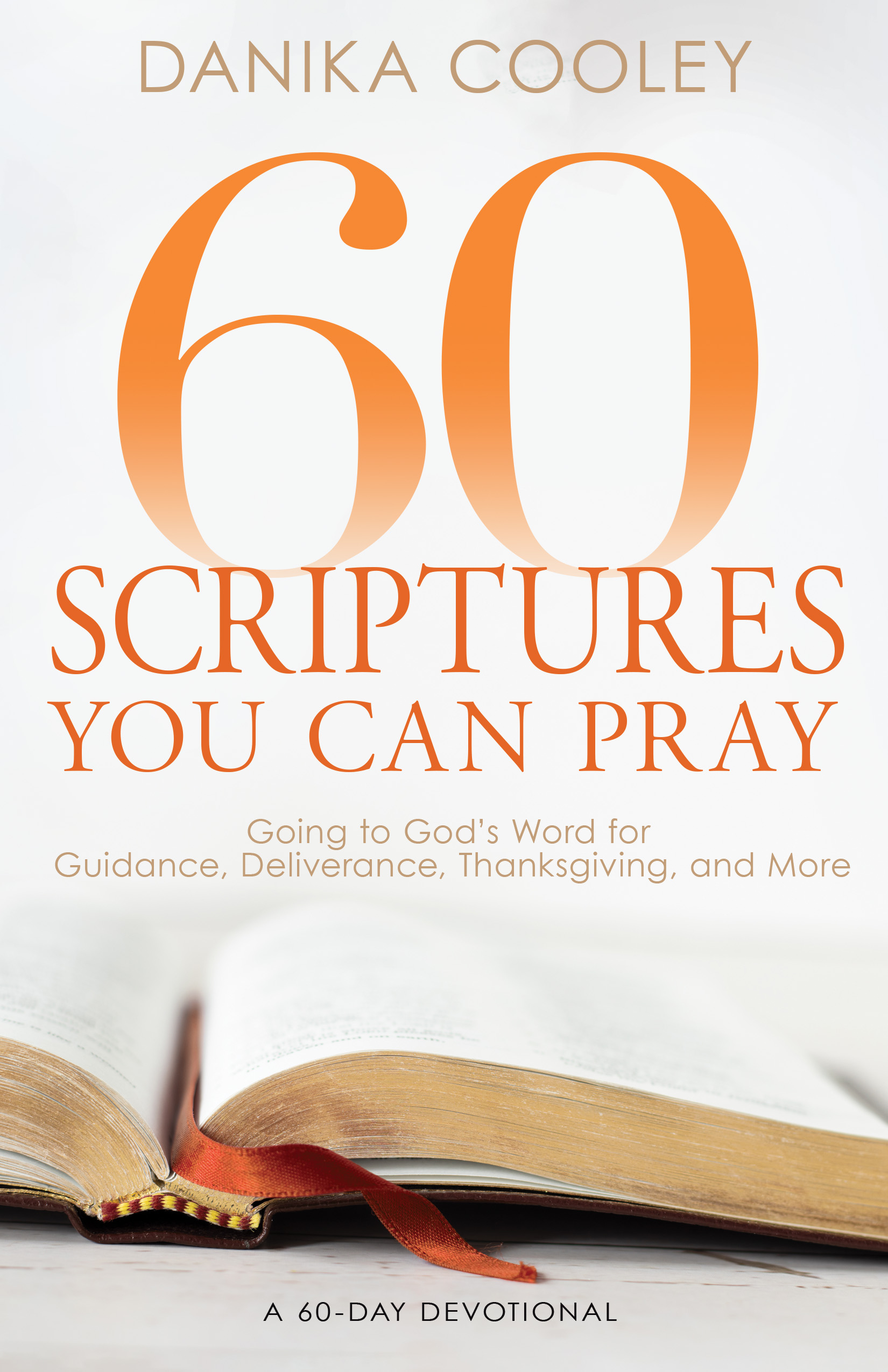


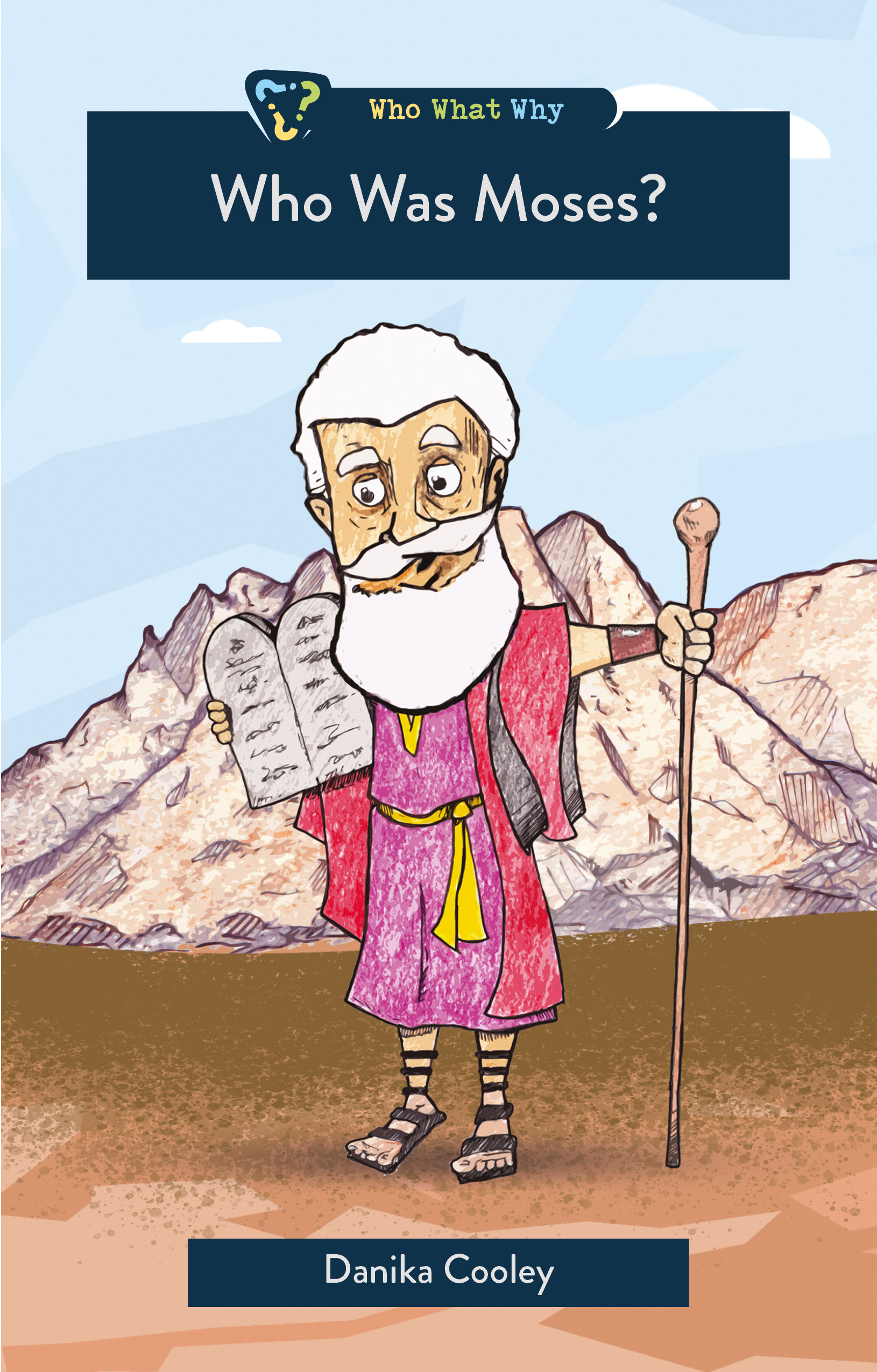
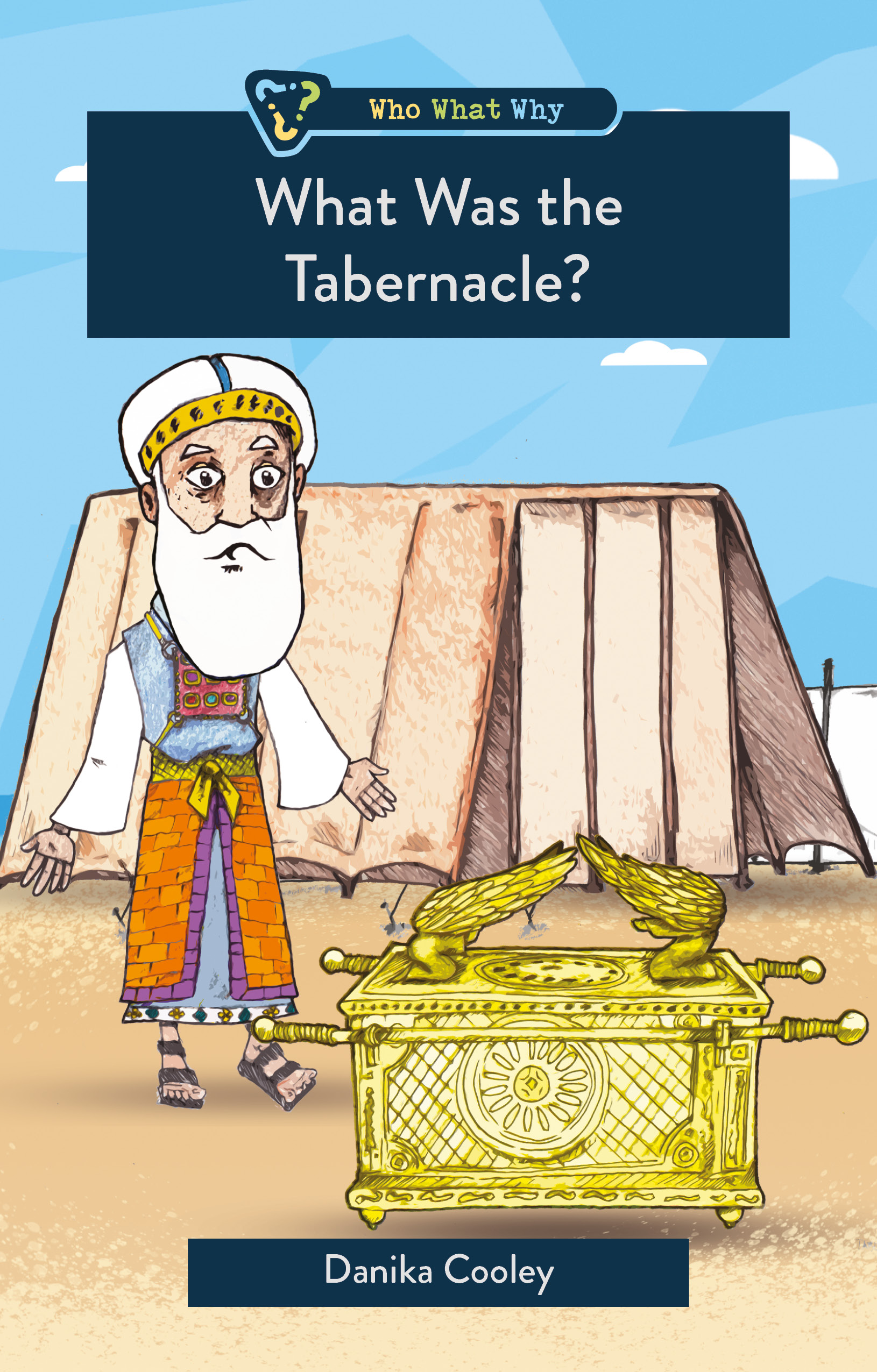
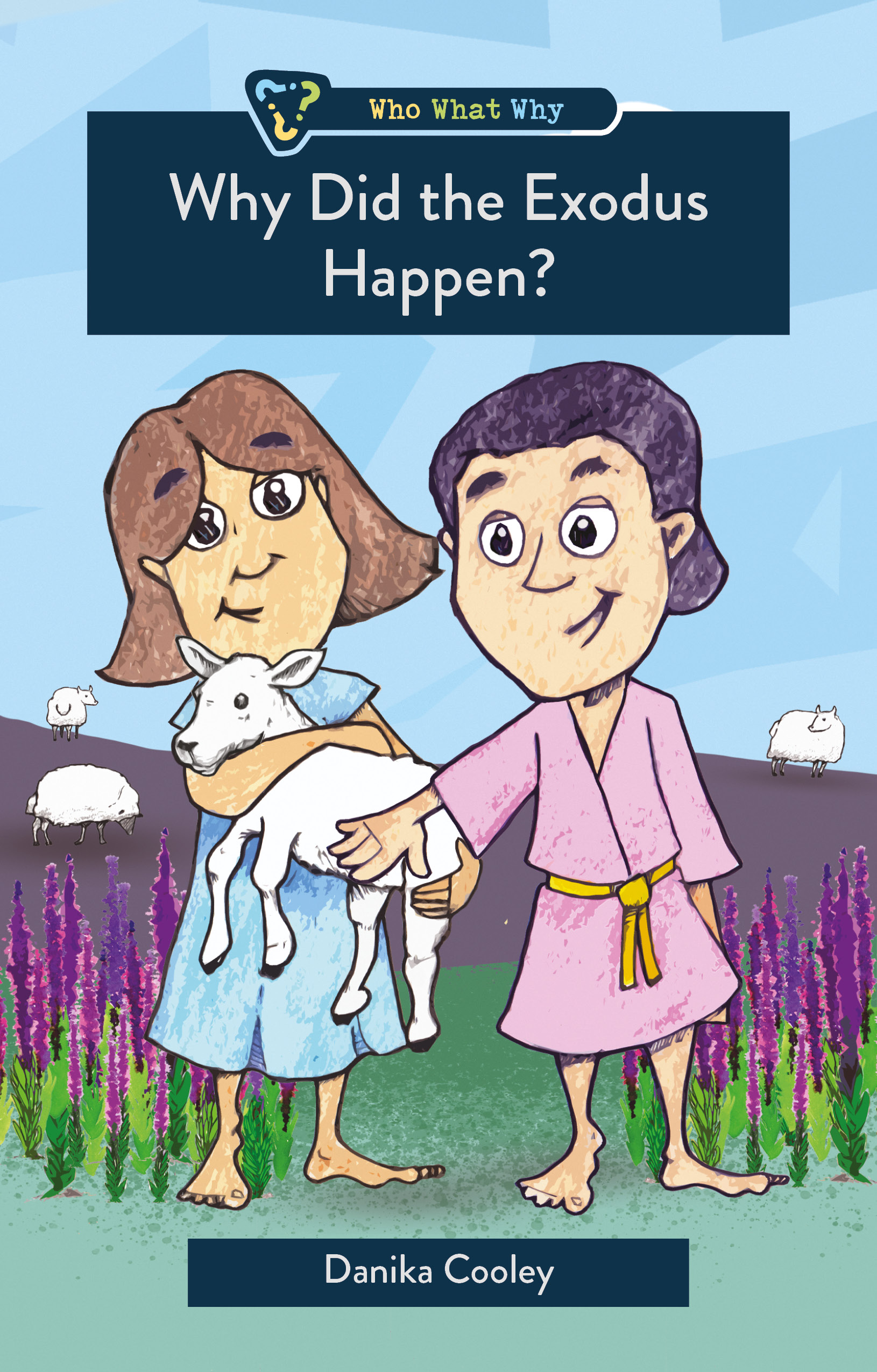
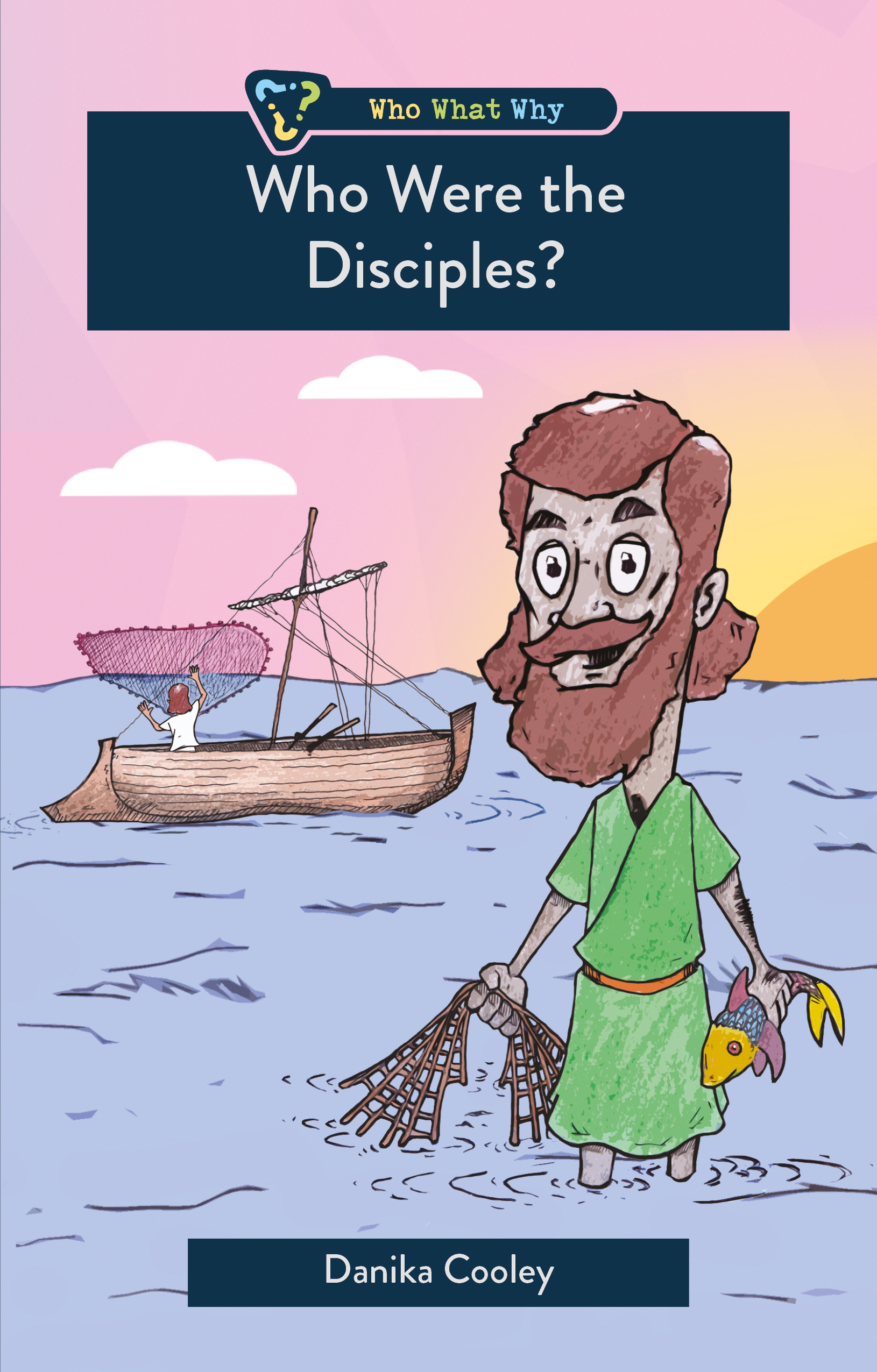
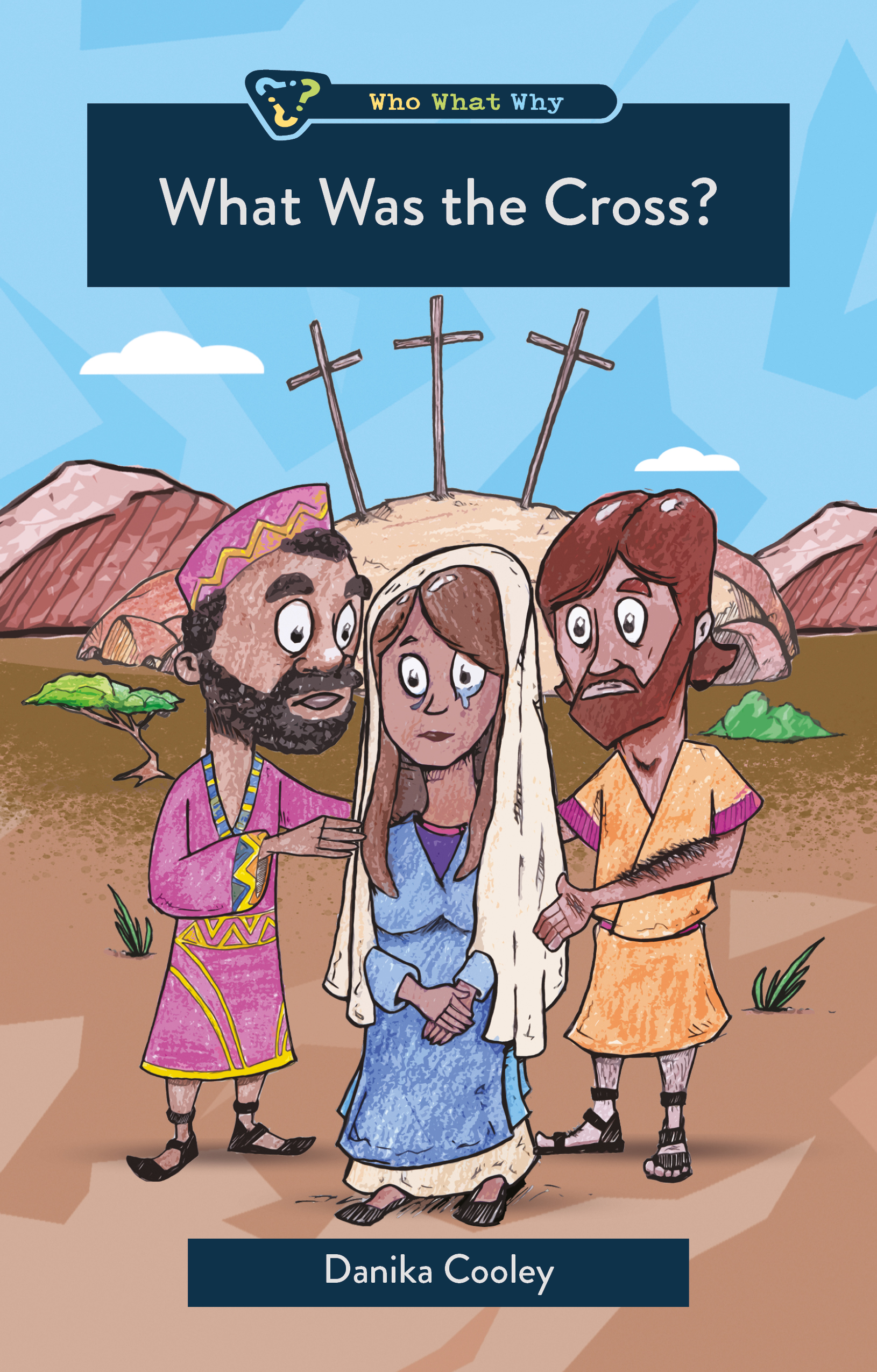
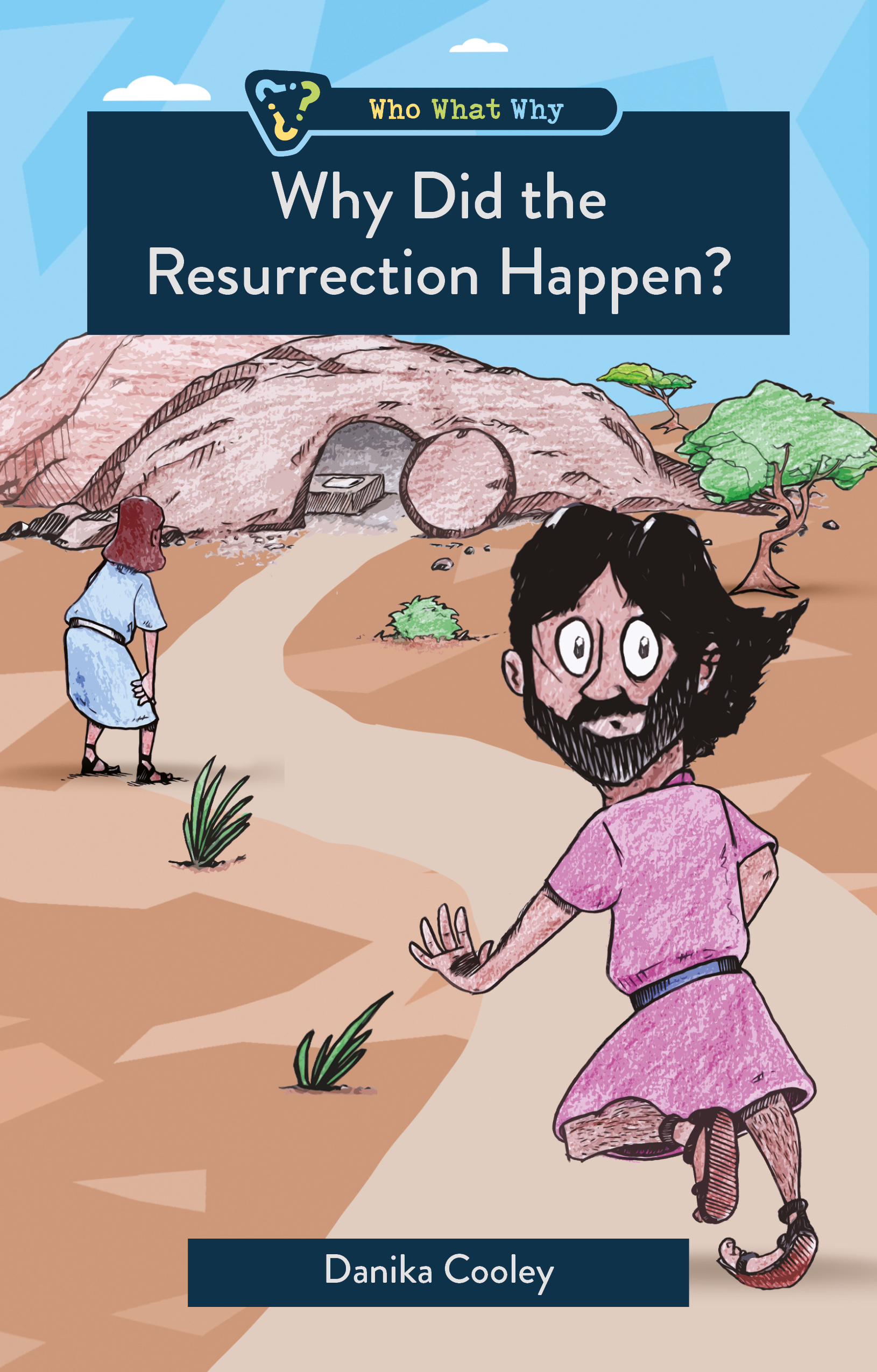



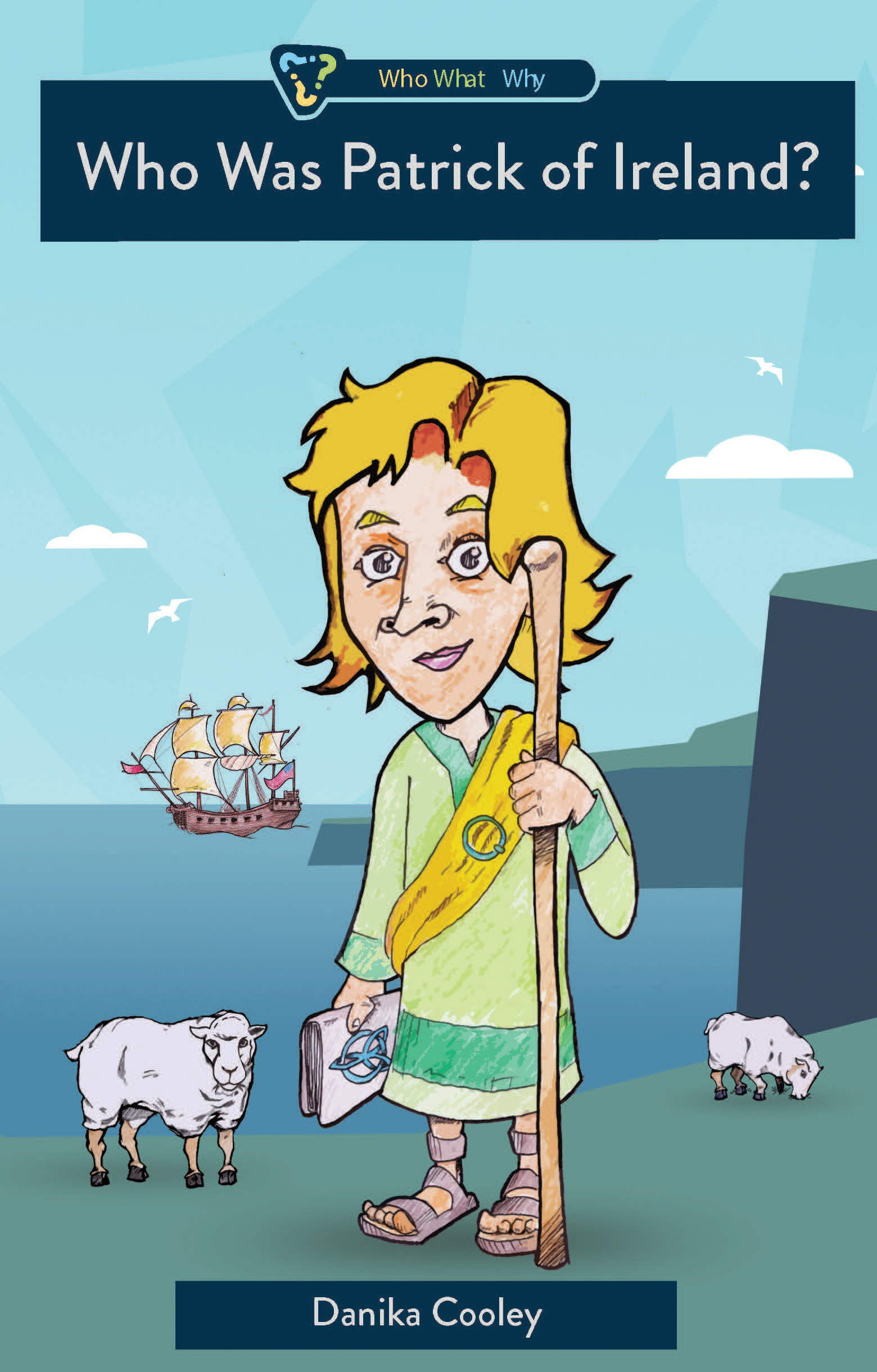



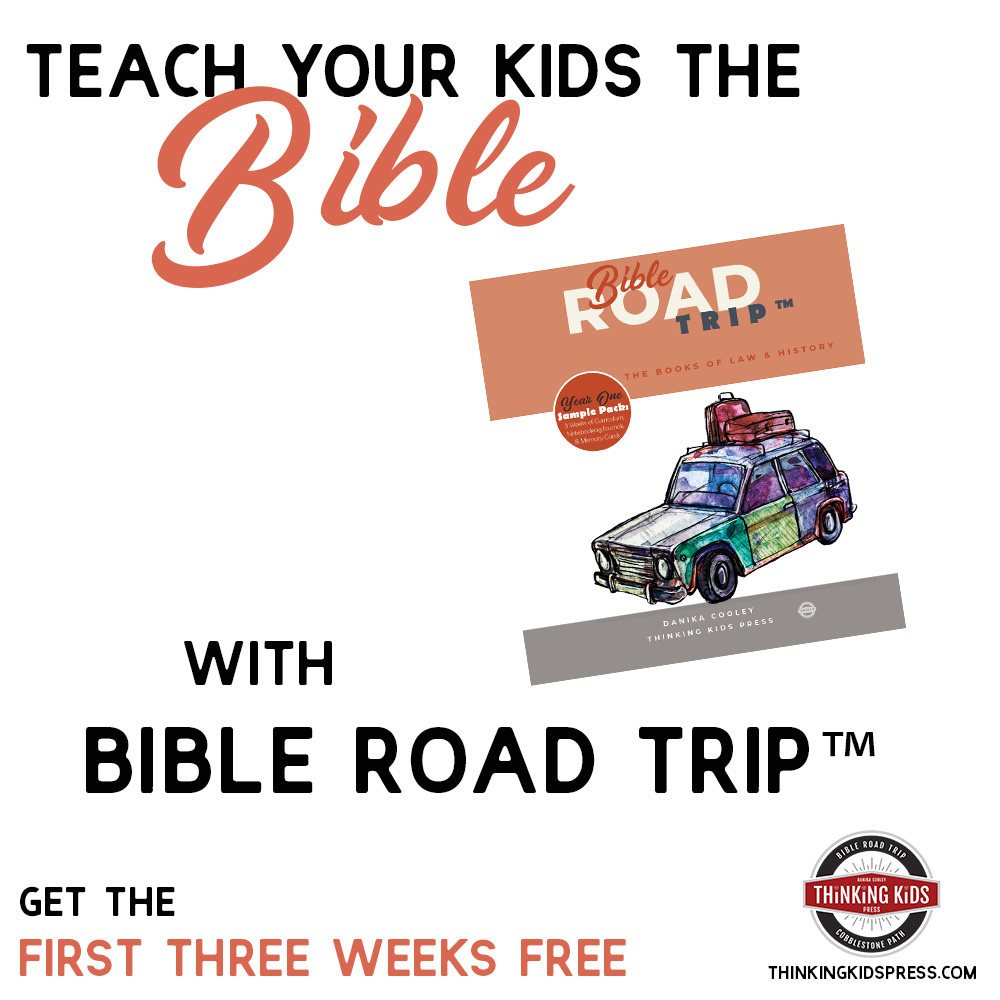
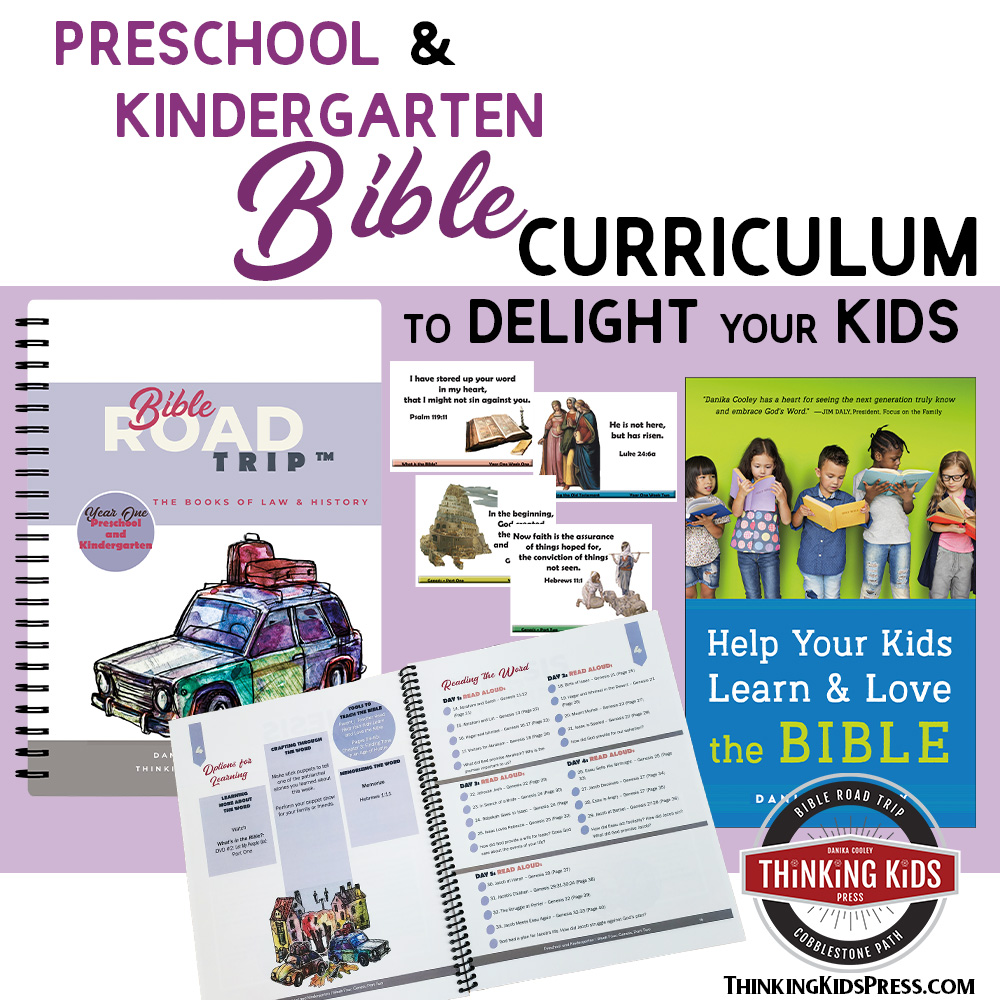
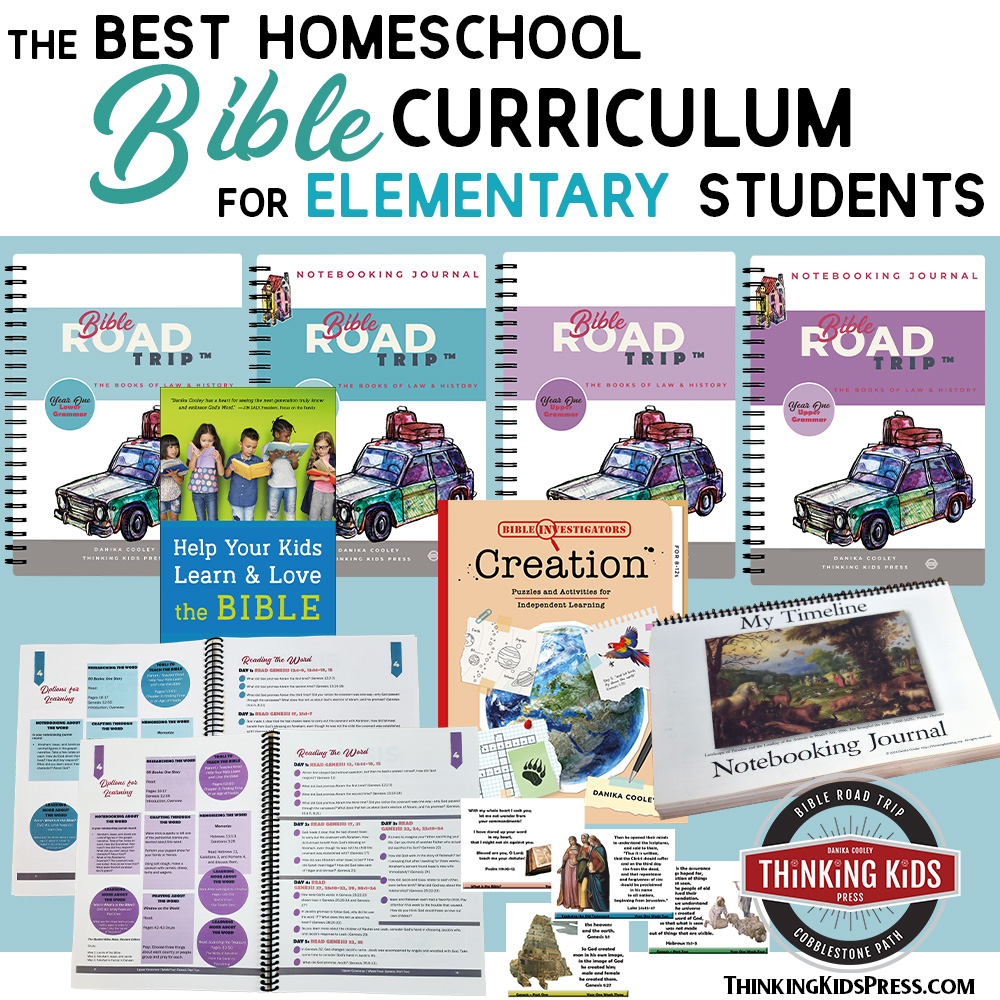
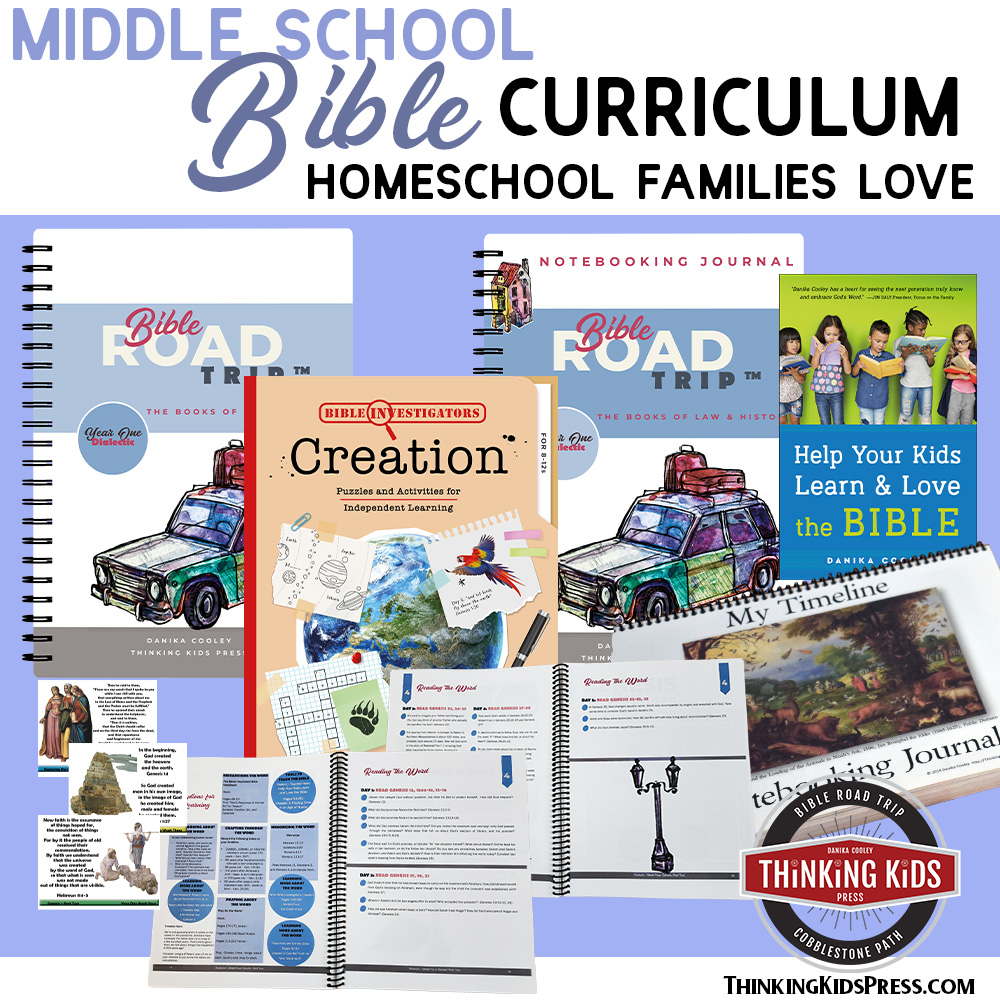
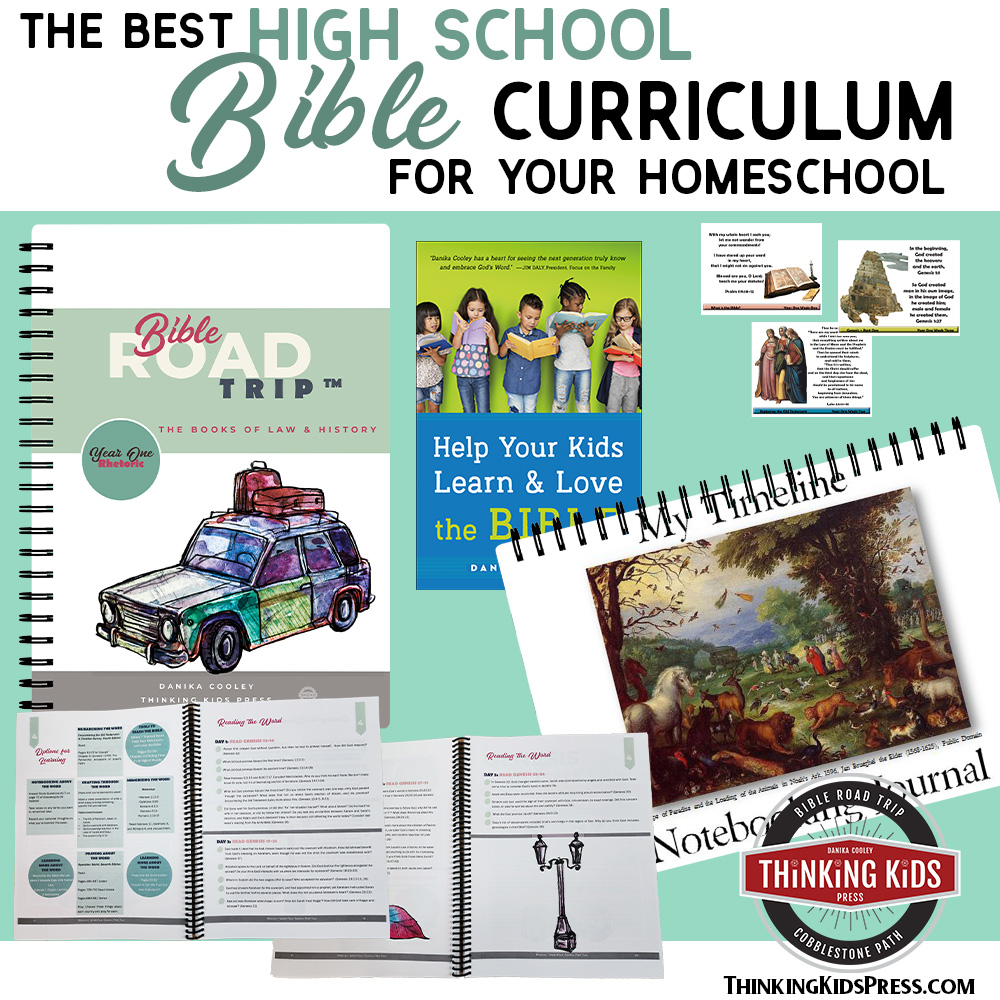
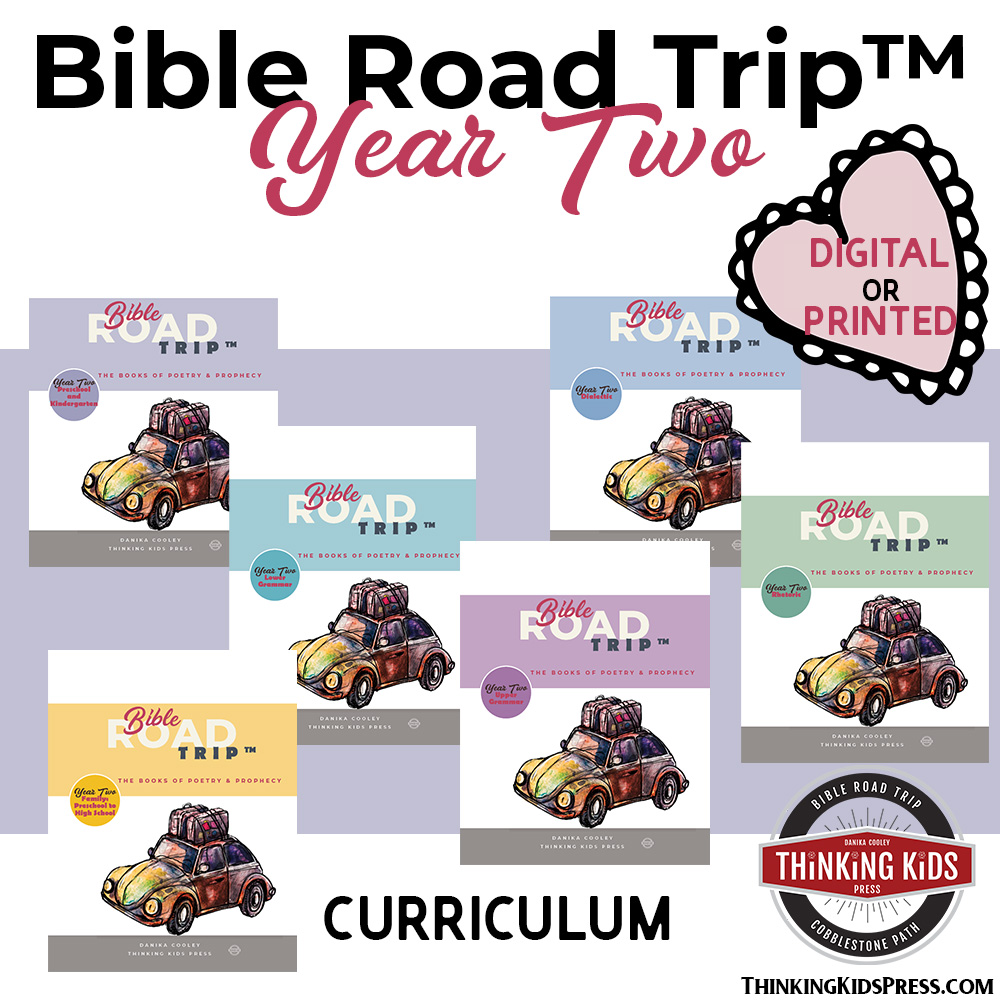
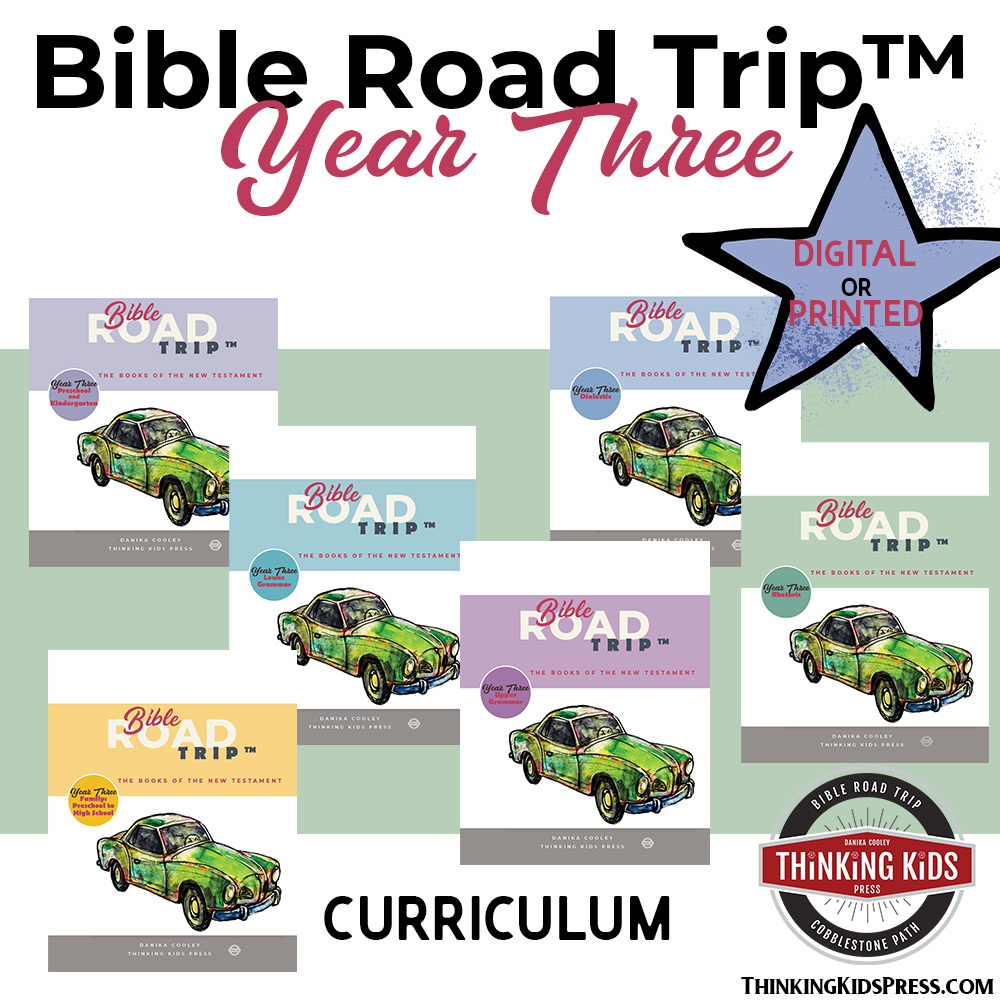
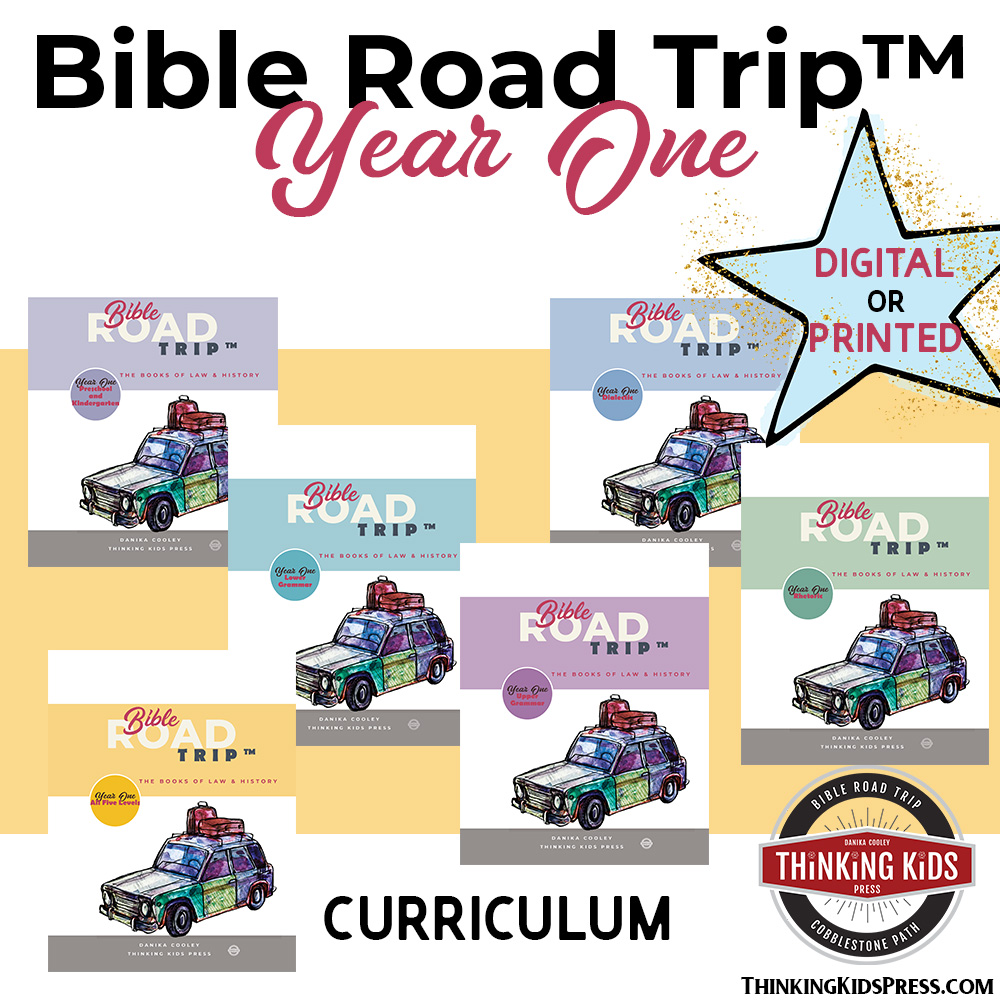
Teach Your Kids the Bible with Bible Road Trip™
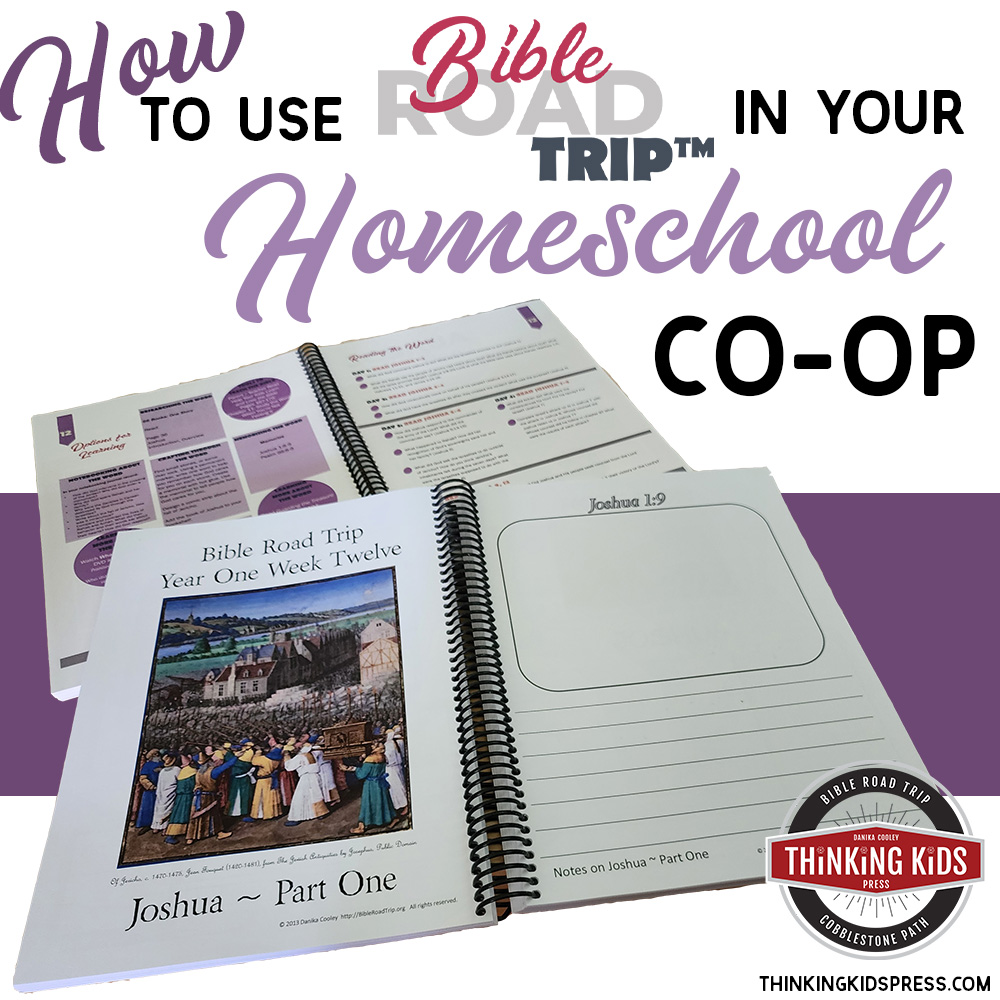
To help you get the most out of your studies, Bible Road Trip™ has an array of coordinating weekly activities:
- Researching the section of the Bible you’re studying
- Reading and discussing the Bible
- Memorizing Scripture
- Notebooking about your studies
- Praying for the nations
- Suggestions for further study
- Crafting about what you’ve learned
- For your older students: A project to share what they’ve learned
- Bible Road Trip™ also has some great tools you can use along with it, such as:
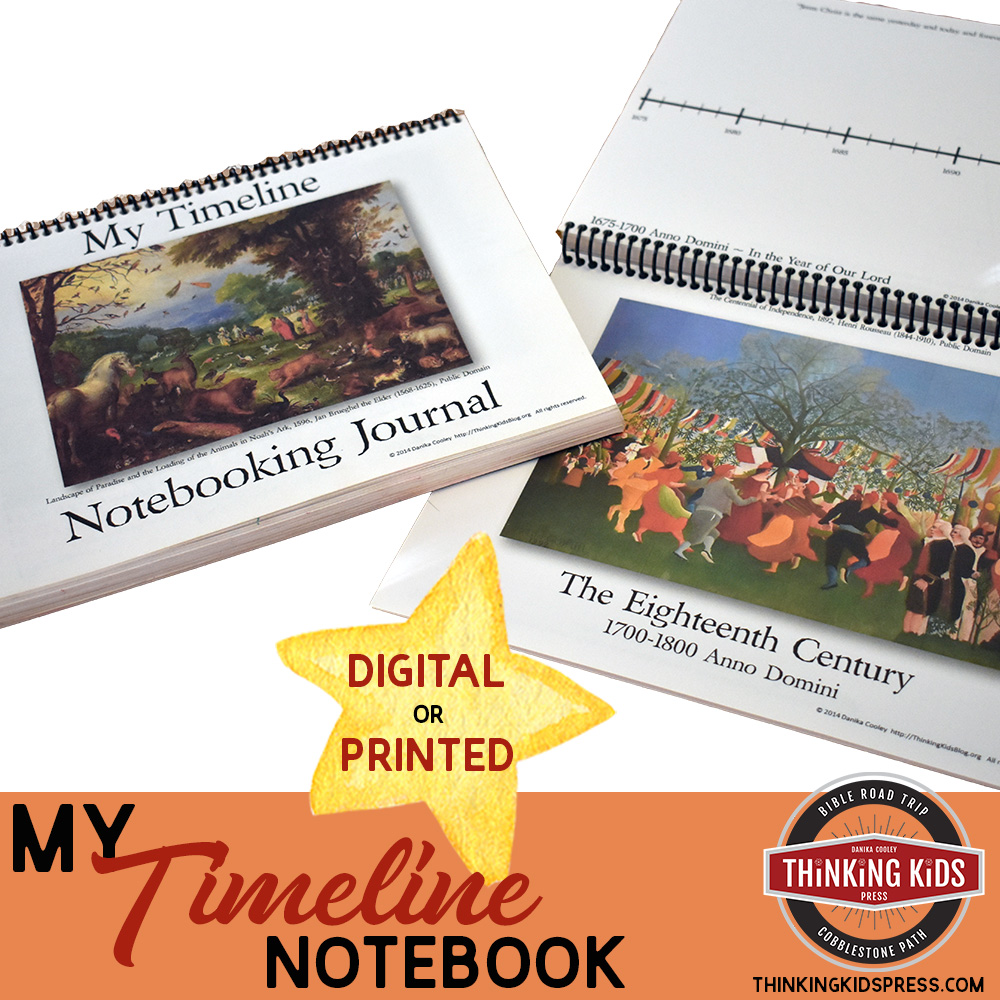
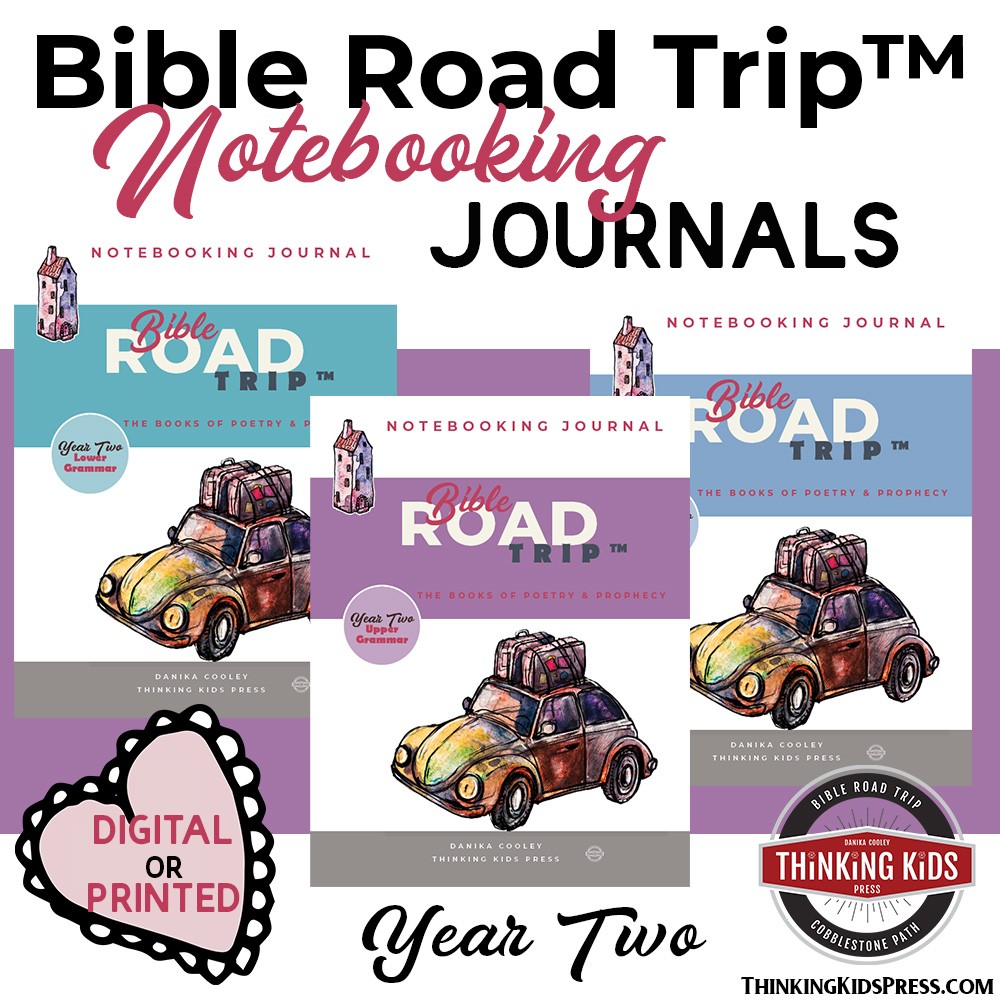
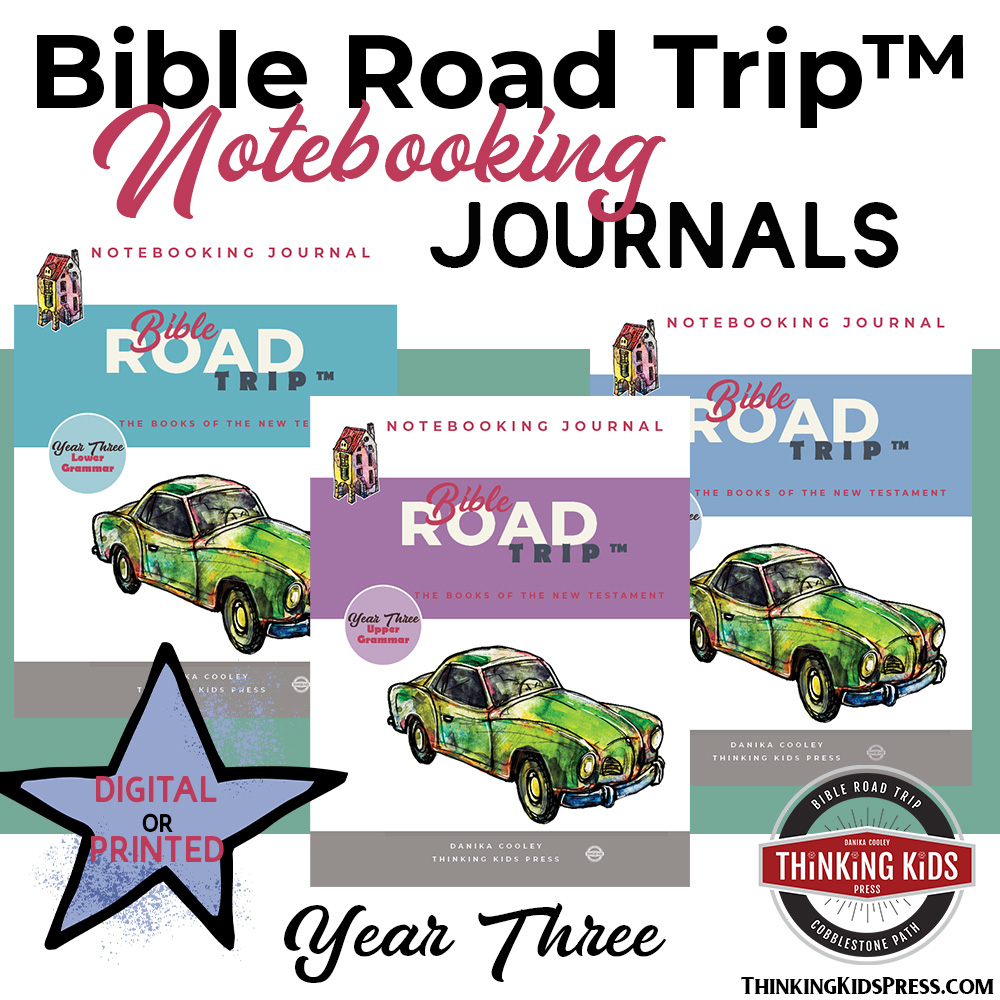
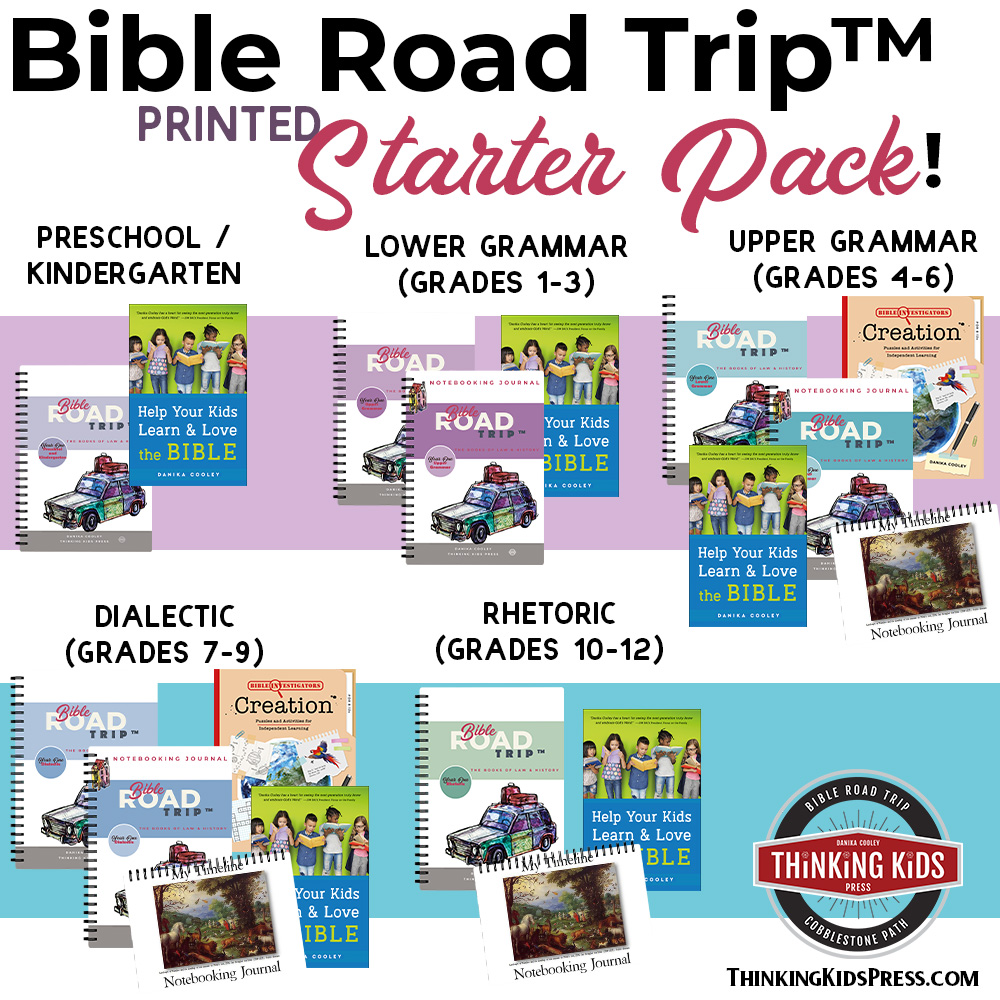
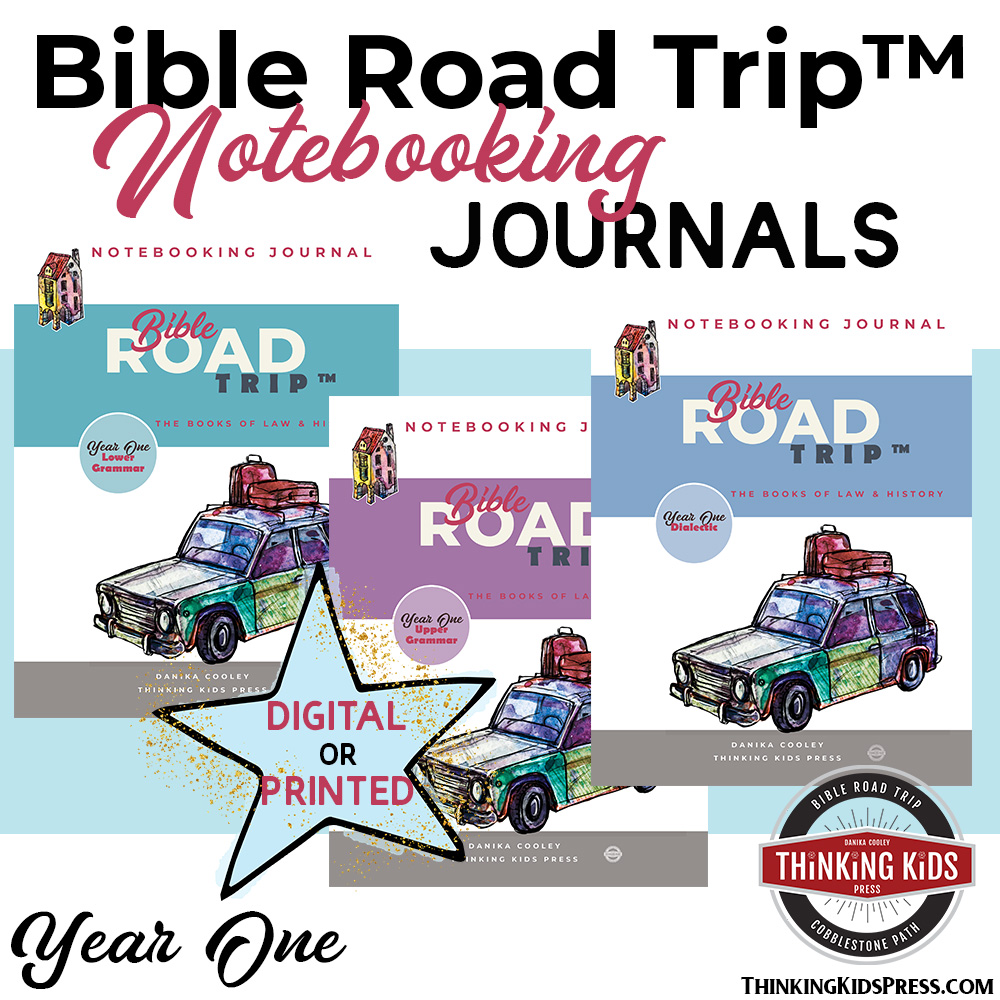
- Notebooking Journals for grades 1-9. Want a structured notebooking journal for high school? Don’t hesitate to use the Dialectic journal (grades 7-9).
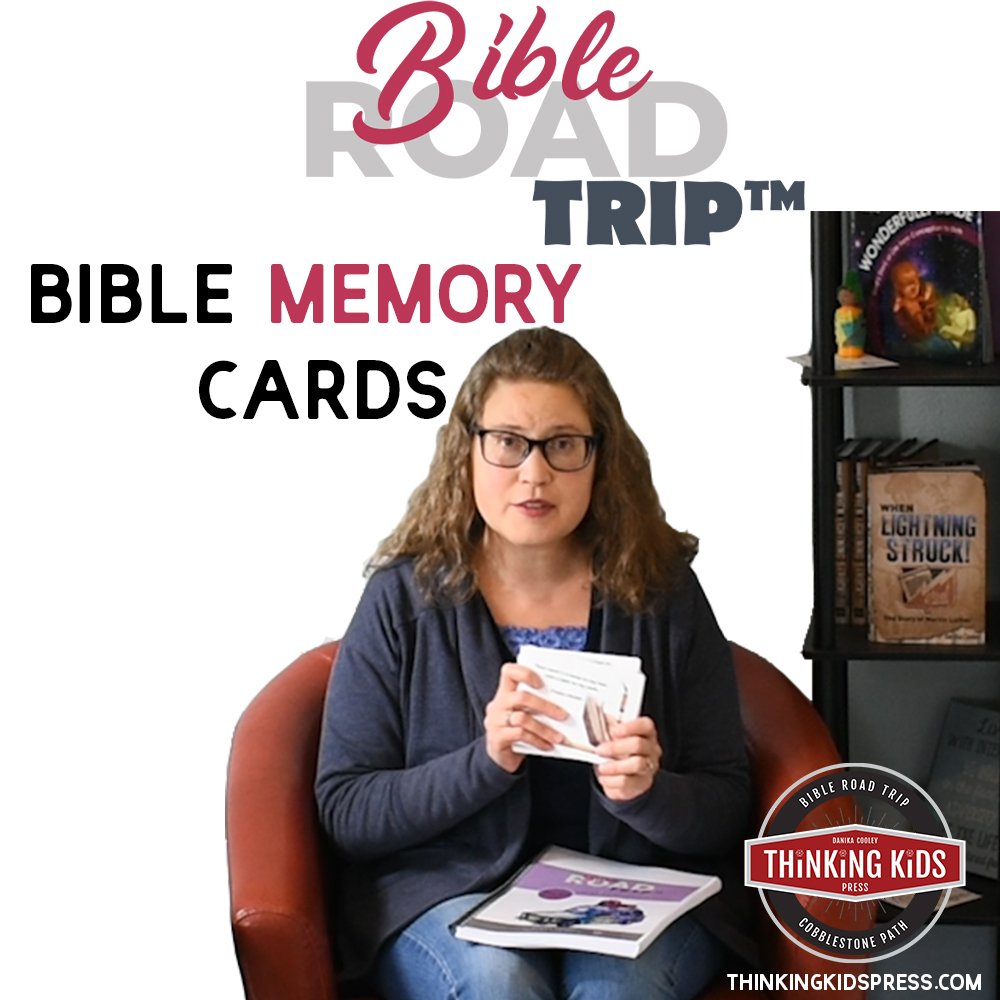
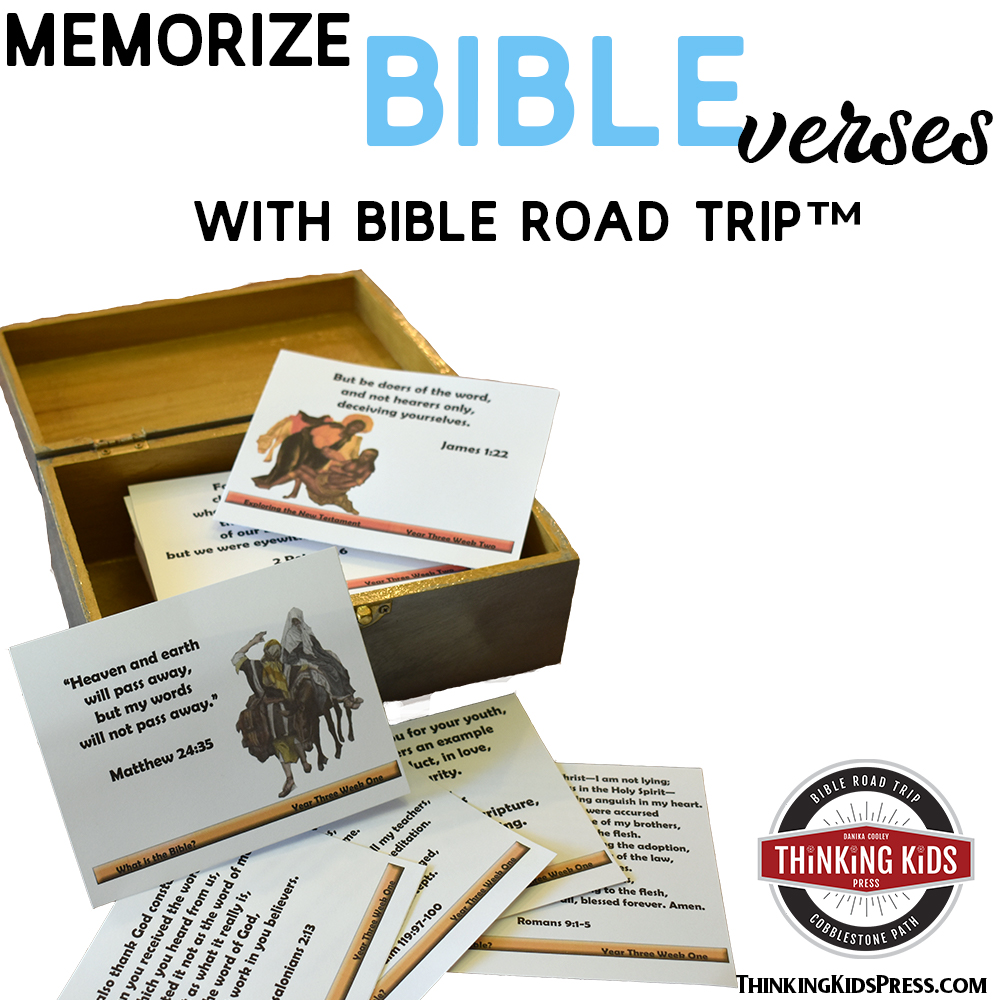
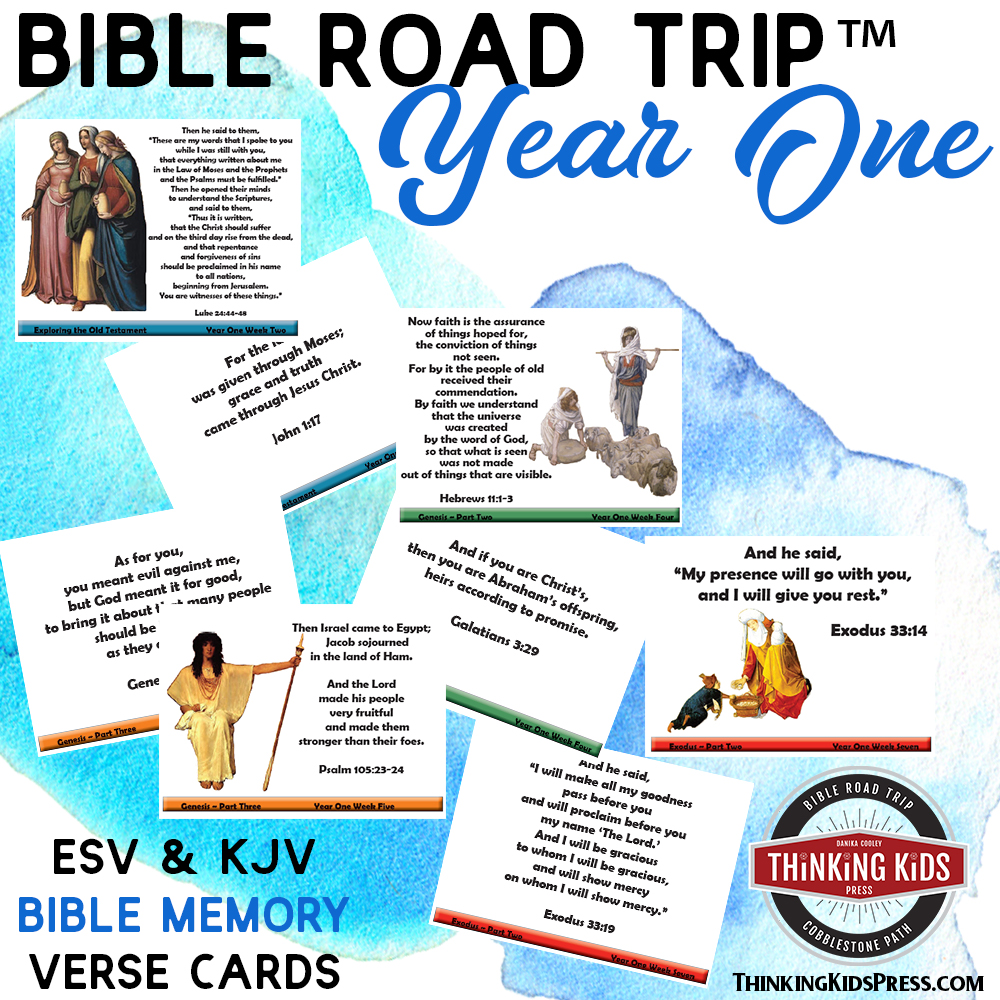
- Bible Memory Card Sets for all five levels of study, preschool to high school. These are available in both ESV and KJV.

Grab your Bible Road Trip™ Year One Sample Pack. You’ll get:
- The Bible Road Trip™ Parent / Teacher Guide.
- The first three weeks of the curriculum for all five learning levels. Week Three is where we really dive into the Bible and begin to our systematic study. Week Three will give you a good feel for the rest of the curriculum.
- The first three weeks of the Bible Memory Card sets for all five levels, in ESV and KJV.
- The first three weeks of each of the three leveled Notebooking Journals.
Grab the Sample Pack for FREE:

Disciple your kids by taking your family through the Bible together in a meaningful way!
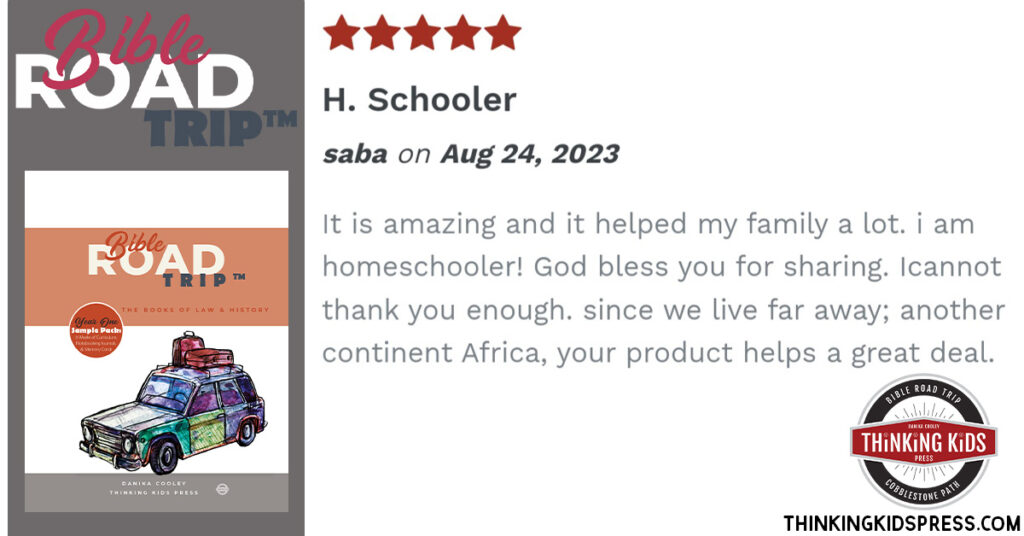

The 2024 Practical Homeschooling® Reader Awards™ were announced in the Fall 2024 issue of Practical Homeschooling® magazine.
The Reader Awards have been a regular feature in the magazine since 1998.
Thousands of homeschoolers rank the curriculum they have used, and the products with the highest satisfaction ratings win.
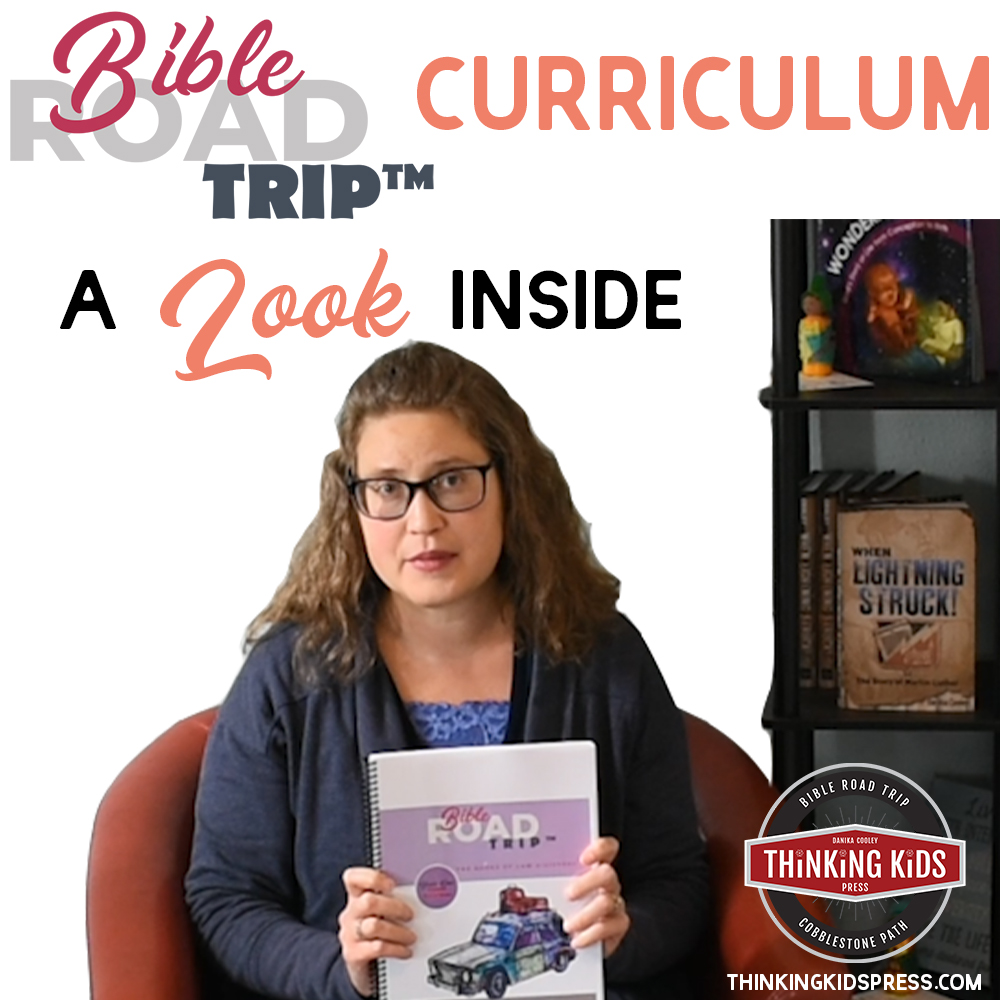
Bible Road Trip™ Curriculum
Take a look inside the Bible Road Trip™ curriculum! Let me show you around:
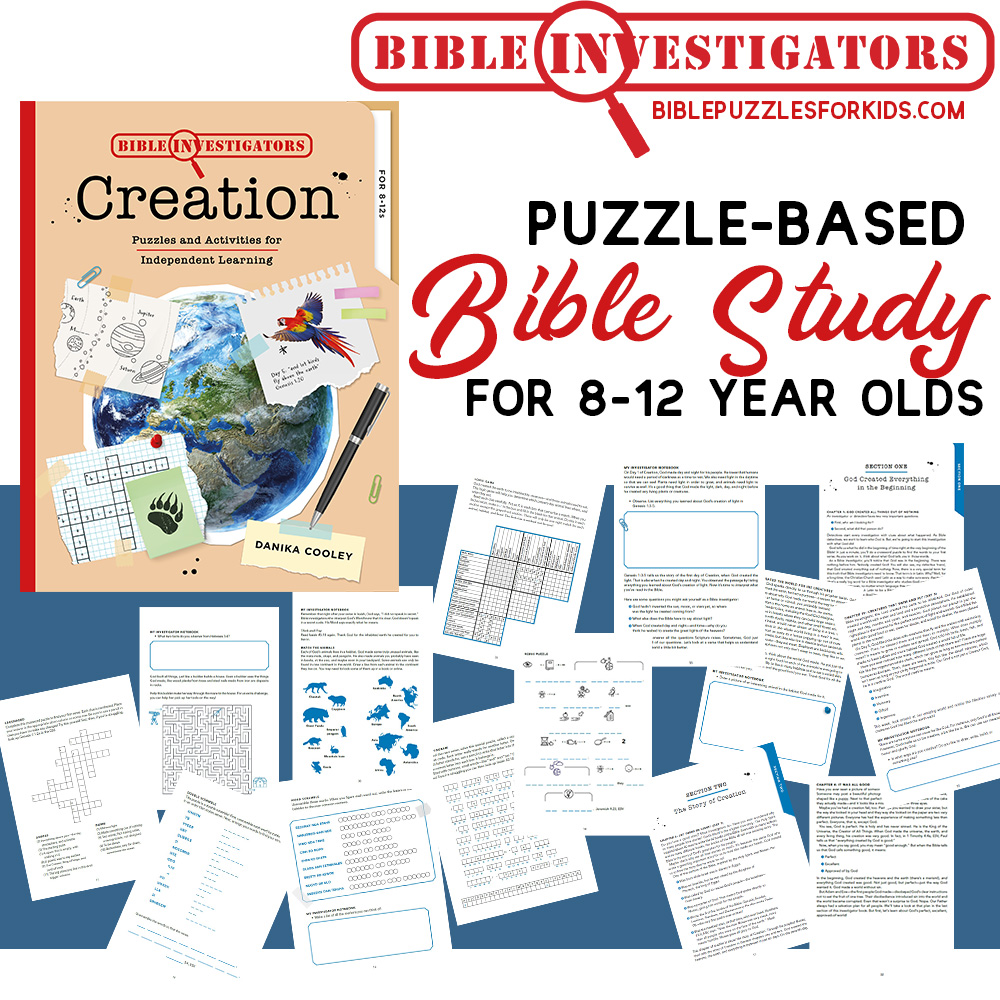
Bible Resources for Your Kids
Learn More HereLearn More HereLearn More HereLearn More HereLearn More HereLearn More Here
More Thinking Kids Posts You’ll Love