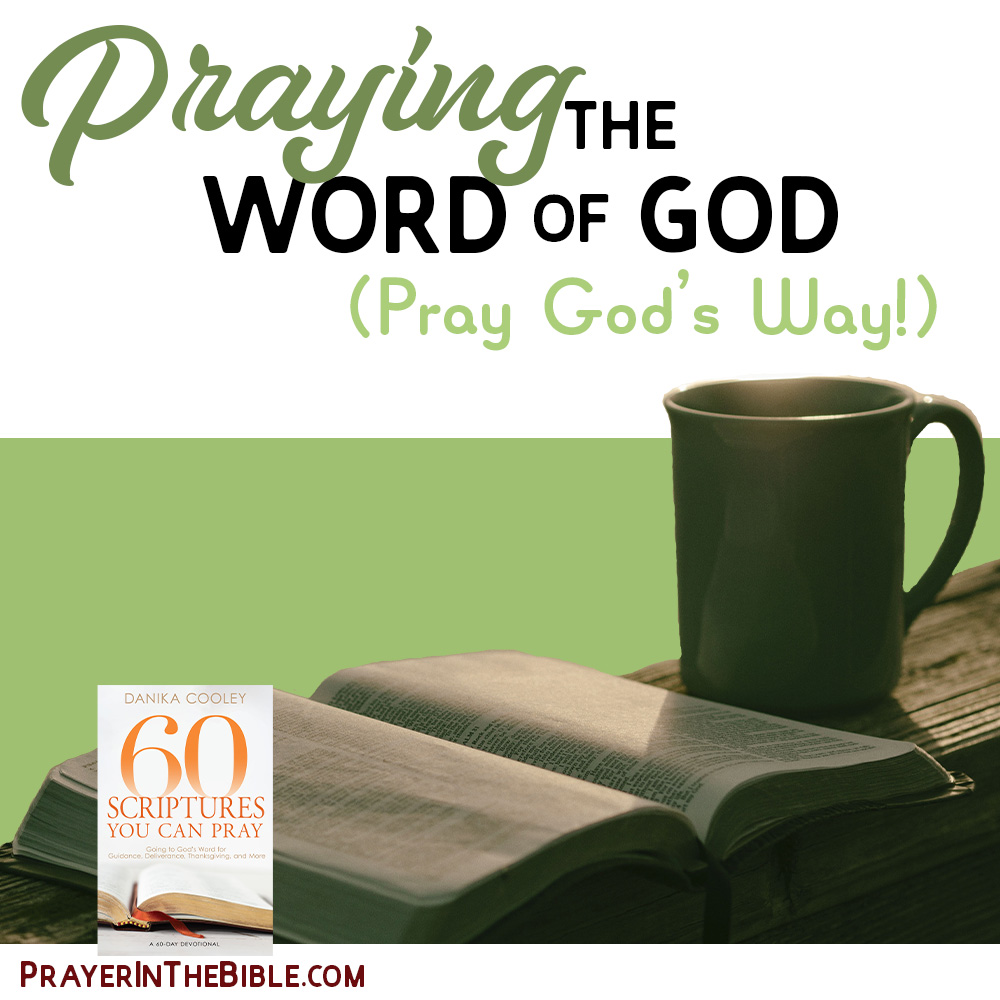

There are wrong ways to pray. How do we pray God’s way? Praying the Word of God back to our Lord is a great way to pray biblically.
Does that sound too judgy? Criticizing anyone else’s expression of their spirituality isn’t a popular thing to do in our current culture. Yet, for Christians, prayer isn’t a way to express ourselves or to get what we want. Instead, prayer is how we enter the throne room of our God. It is our address to the King of the Universe.
The Bible has a lot to say about prayer. It also has some instruction on how we shouldn’t pray. When Jesus taught about prayer during the Sermon on the Mount, he gave us the Lord’s Prayer as a model for addressing God. First, though, he gave two examples of the wrong way to pray. In Matthew 6:5, 7, ESV, Jesus said:
And when you pray, you must not be like the hypocrites. For they love to stand and pray in the synagogues and at the street corners, that they may be seen by others. Truly, I say to you, they have received their reward.
And when you pray, do not heap up empty phrases as the Gentiles do, for they think that they will be heard for their many words.
Thankfully, the Bible gives us clear instruction on how to pray. It also gives us many examples of prayers prayed by the heroes of our faith in Scripture.

Praying the Word of God
I read a lot of Christian history and theology. Once every few months, I like to listen to an audiobook critique on current day theological error. Because I write about theology, it is important to me to know what strange teachings need to be addressed in our world today. I also want to avoid falling prey to twisting Scripture myself. As 1 Timothy 6:3-5 says:
If anyone teaches a different doctrine and does not agree with the sound words of our Lord Jesus Christ and the teaching that accords with godliness, he is puffed up with conceit and understands nothing. He has an unhealthy craving for controversy and for quarrels about words, which produce envy, dissension, slander, evil suspicions, and constant friction among people who are depraved in mind and deprived of the truth, imagining that godliness is a means of gain.
Godliness as a means of gain is one way people pray incorrectly, isn’t it?
I was recently listening to Happy Lies: How a Movement You (Probably) Never Heard Of Shaped Our Self-Obsessed World by Melissa Dougherty, a helpful book about the New Thought philosophy from the 1800s which has infiltrated many of our churches. One of the things Melissa addresses in the book is the practice of affirmation. (Practicing affirmation involves repeating specific, positive statements throughout the day.) Melissa spoke with a New Thought “pastor” who explained that affirmations are really a way of praying to ourselves. Another way to state that would be to say that practitioners are reprogramming their brains. In a more metaphysical sense, they are calling their desired results to themselves.
Blech. Friend, that is not even the “wrong” way to pray. It isn’t prayer at all.
What are some other wrong ways to pray? Scripture addresses many of them:
- Praying to gain the attention and respect of others. (See Matthew 6:5.)
- Babbling or using many empty words. (See Matthew 6:7.)
- Asking for things we want for ourselves, rather than praying for the good of God’s kingdom and for God’s glory–according to his will. (See, for example, James 4:3 and 1 John 5:14-15.)
- Praying with an unrepentant heart. (For the opposite way to pray, see 1 John 1:9.)
- Treating godliness as a way to get what we want from God. (See 1 Timothy 6:5.)
So, God tells us that there are definitely wrong ways to pray to him. Let’s talk about how we can pray biblically, to the glory of our great God!
Praying God’s Word is the Solution
Scripture not only tells us how to pray, it also gives us types of prayers we can pray in different circumstances. Then, God gives us examples of his people praying–right in his Word.
In Ephesians 6:10-18, Paul tells us to put on the whole armor of God. We are, after all, involved in an ongoing spiritual battle. Ephesians 6:17-18 speaks directly to praying in the Holy Spirit when it says:
and take the helmet of salvation, and the sword of the Spirit, which is the word of God, praying at all times in the Spirit, with all prayer and supplication. To that end, keep alert with all perseverance, making supplication for all the saints…
God’s Word is our sword. We wield it through prayer, persevering and alert as we make supplication for all the saints. Praying God’s Word back to him is an effective way to use the sword of the Spirit.
Using God’s words as we pray helps us avoid seeing godliness as a means of gain. It keeps us from praying with unrepentant, selfish hearts. Using Scripture in our prayers also helps us avoid empty babbling, and helps ensure we come to God to ask that his will be done–not ours. In fact, praying God’s Word is our solution to praying in a way that isn’t just “wrong,” it is actually offensive to God.
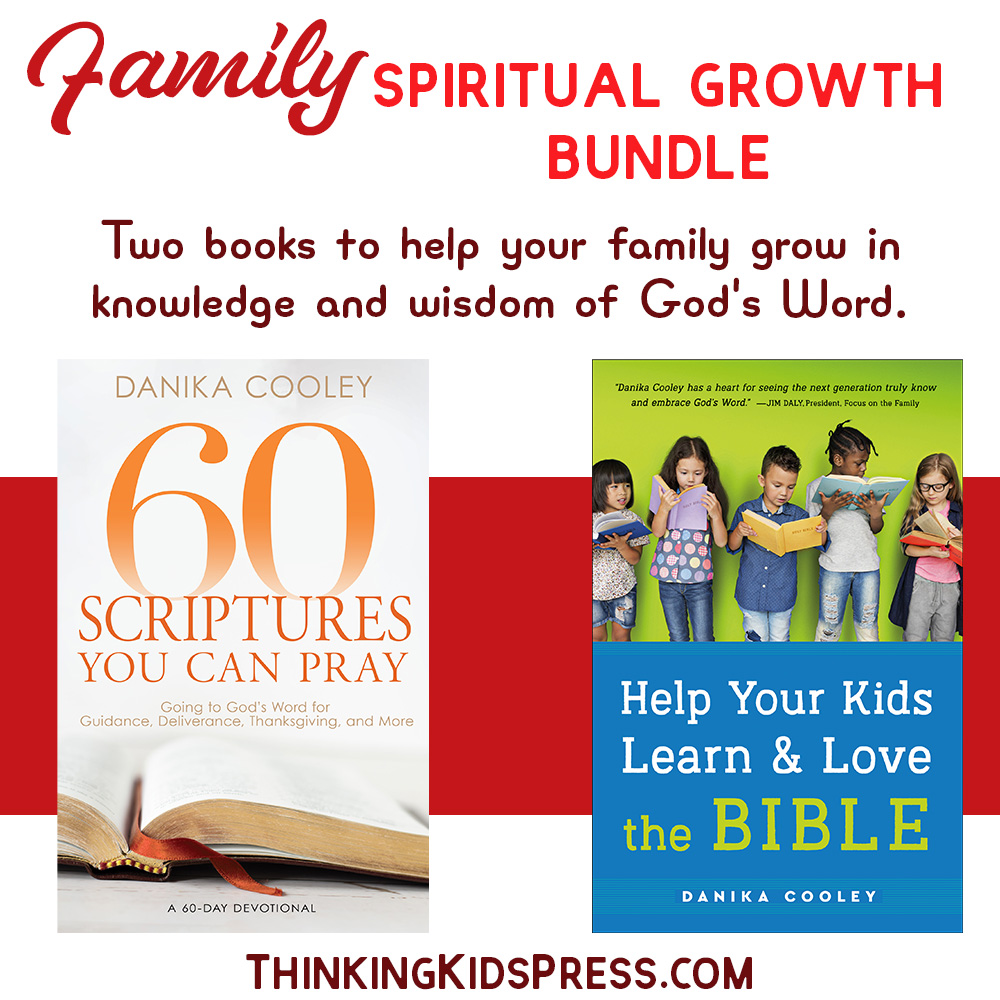
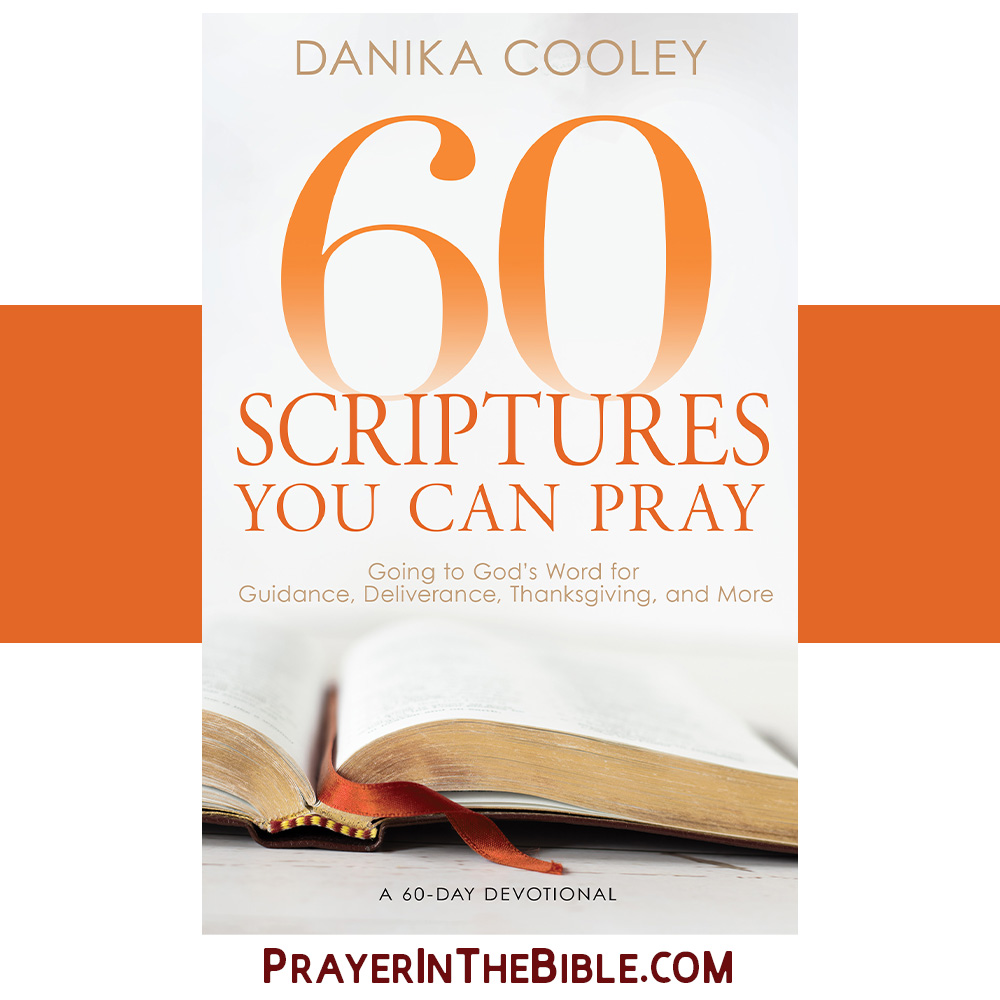
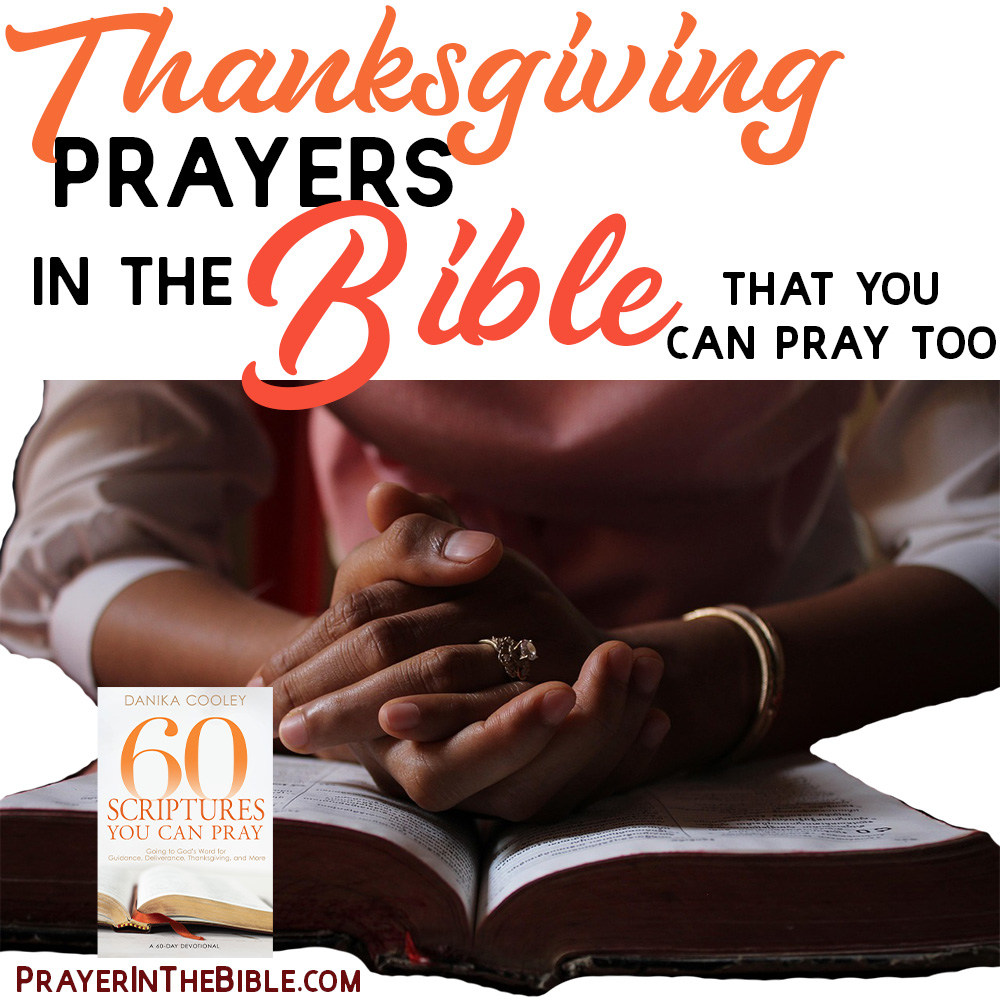
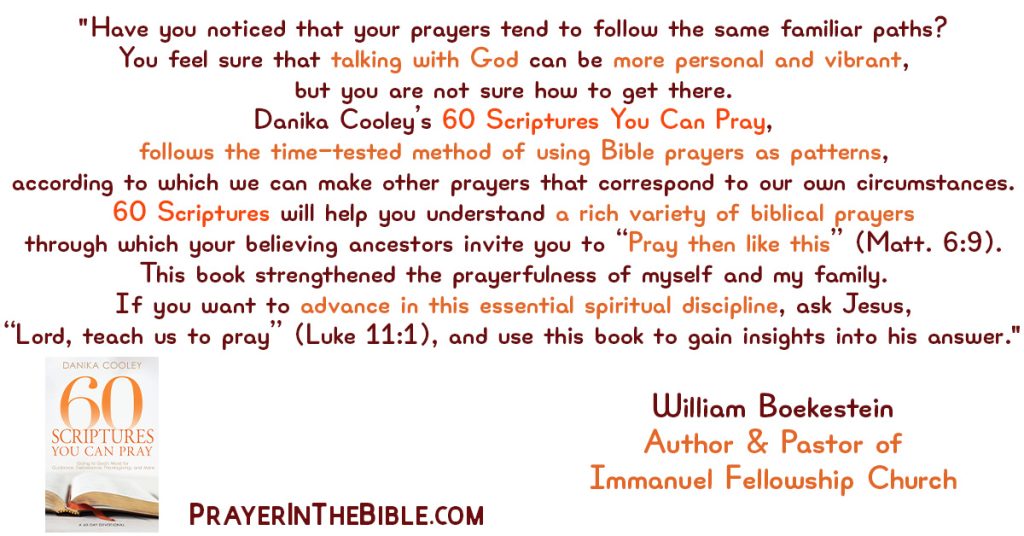
You can practice praying Scripture, and learn more about what God wants you to pray, how to approach him, and what to expect when you do. The devotional I wrote for you, 60 Scriptures You Can Pray, will take you through eight types of prayer as you spend a few minutes each day studying what God has to tell us about prayer.
You can strengthen your relationship with our great God by praying God’s words back to him.
Bible Resources for Your Kids
Learn More HereLearn More HereLearn More HereLearn More HereLearn More HereLearn More Here






60 Scriptures You Can Pray

The Bible is full of prayer that you can pray too!
How do you pray when you don’t know what to say? The Bible holds the answer.
God doesn’t expect us to pray without guidance. In fact, Scripture is full of examples of ordinary people approaching our extraordinary God in prayer.
Award-winning author Danika Cooley believes that praying God’s Word teaches us how to best communicate with our Lord:
“There are so many lessons we can learn from Scripture about how to approach God and what to expect when we do.”
Danika’s devotional 60 Scriptures You Can Pray covers eight types of prayer from the Bible, the expectations we should have when we pray, and the right heart attitude for prayer.

- Praise | We adore God for who he is.
- Thanksgiving | We thank God for all he has done.
- Confession | We admit our sin to the God who saves us.
- Supplication | We humbly ask God to provide for our needs.
- Intercession | We ask God to meet the needs of others.
- Deliverance | We cry out to God for help in times of trouble.
- Lament | We bring our sorrow to God, our comforter.
- Guidance | We ask for God’s help in determining his will for our lives.
When you read 60 Scriptures You Can Pray, you will:
- Develop a habit of praying daily over a two-month period
- Learn more about prayer in Scripture
- Understand eight different types of prayer
- Expand your understanding of how to pray biblically
- Become better acquainted with God, His Word, and why we pray
Packed with thoughtful explanations of biblical prayer and practical application in each devotion, 60 Scriptures You Can Pray is the tool you need to learn more about prayer–straight from God’s Word.

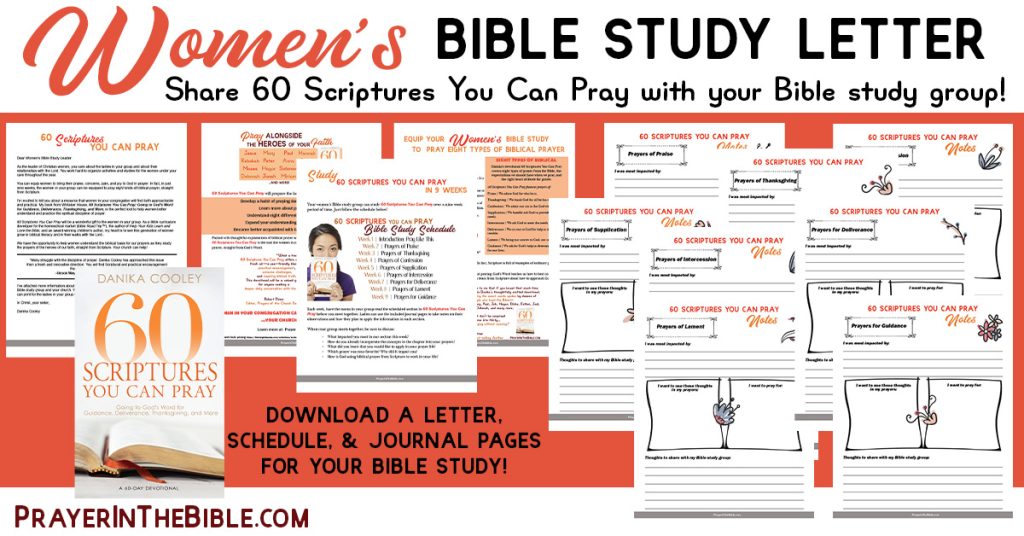
Want to equip the women in your church to pray biblically?

Thinking Kids Posts You’ll Love