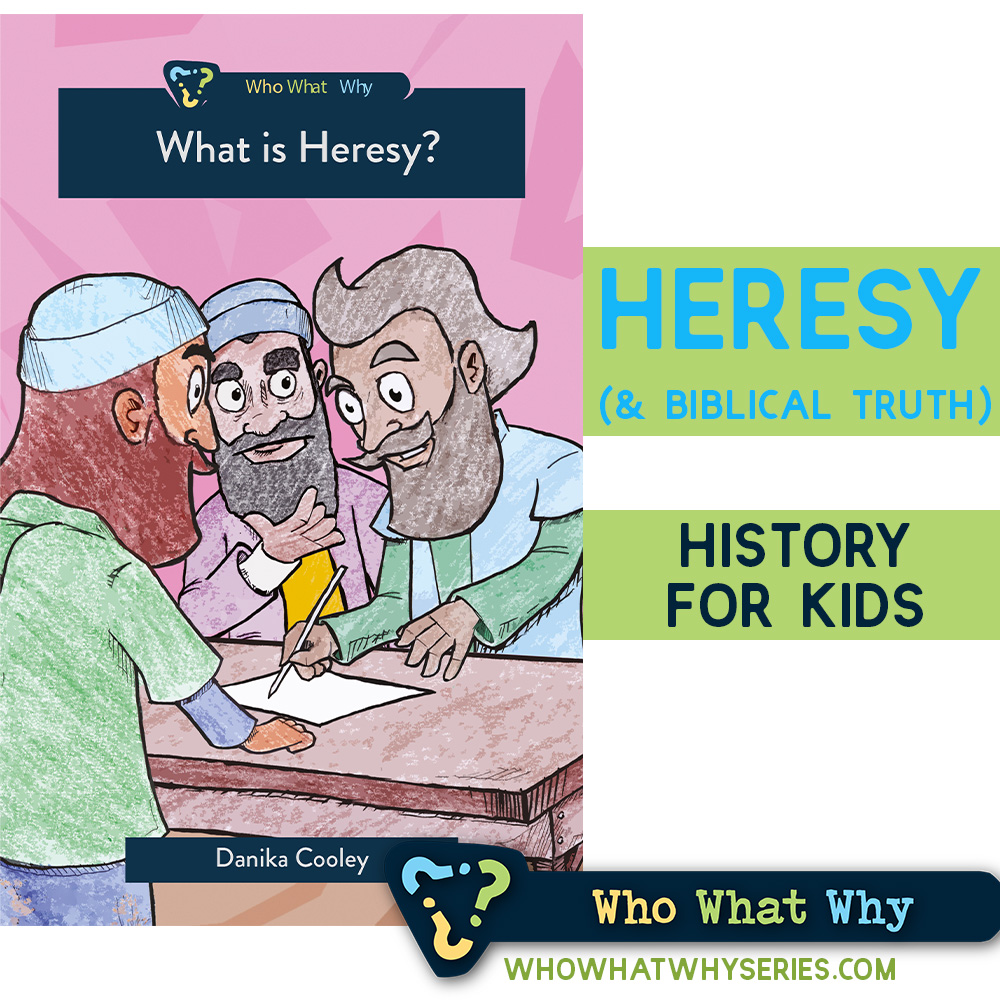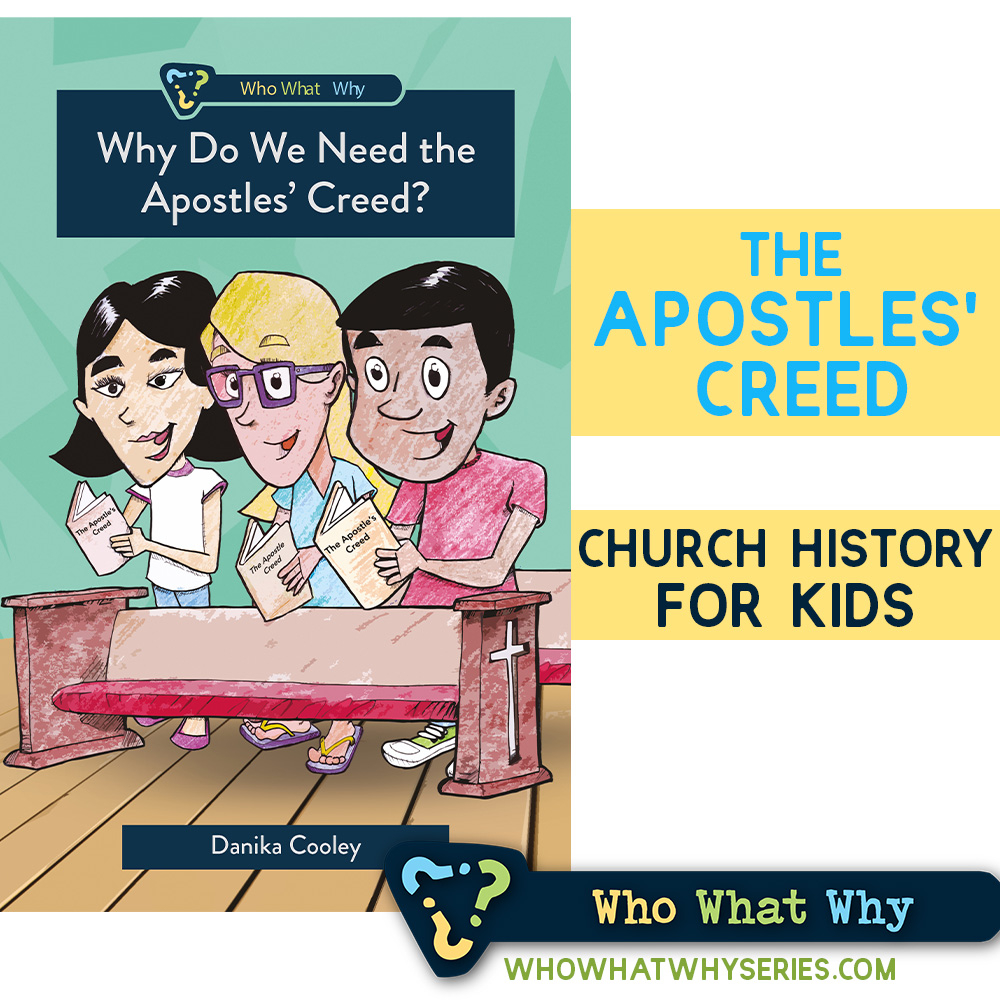

The first four hundred years of the Early Church, following the crucifixion, resurrection, and ascension of Jesus, were a time of growth. As the gospel spread across the Mediterranean world, false teachers arose who attacked Jesus’ teachings, the nature of God, the truth of the gospel, and God’s plan for the church.
So, God raised up faithful men who contended for the faith.
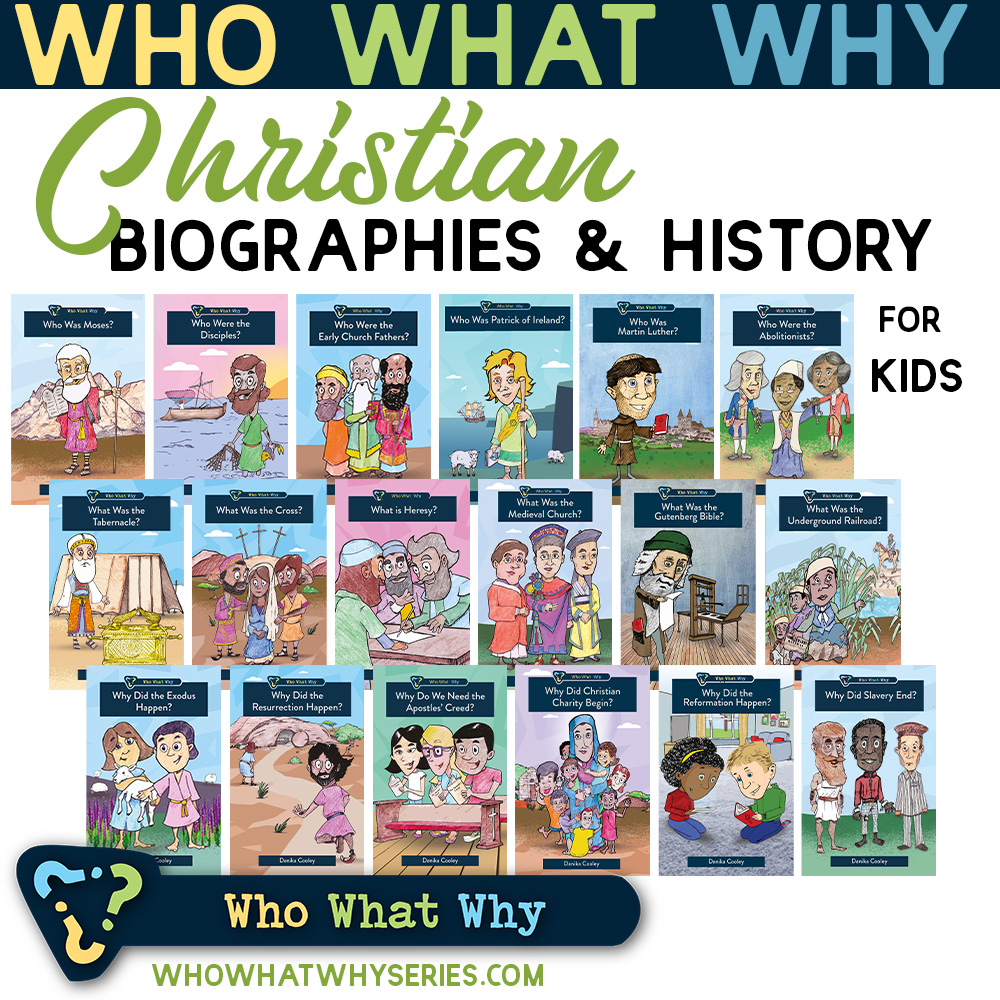
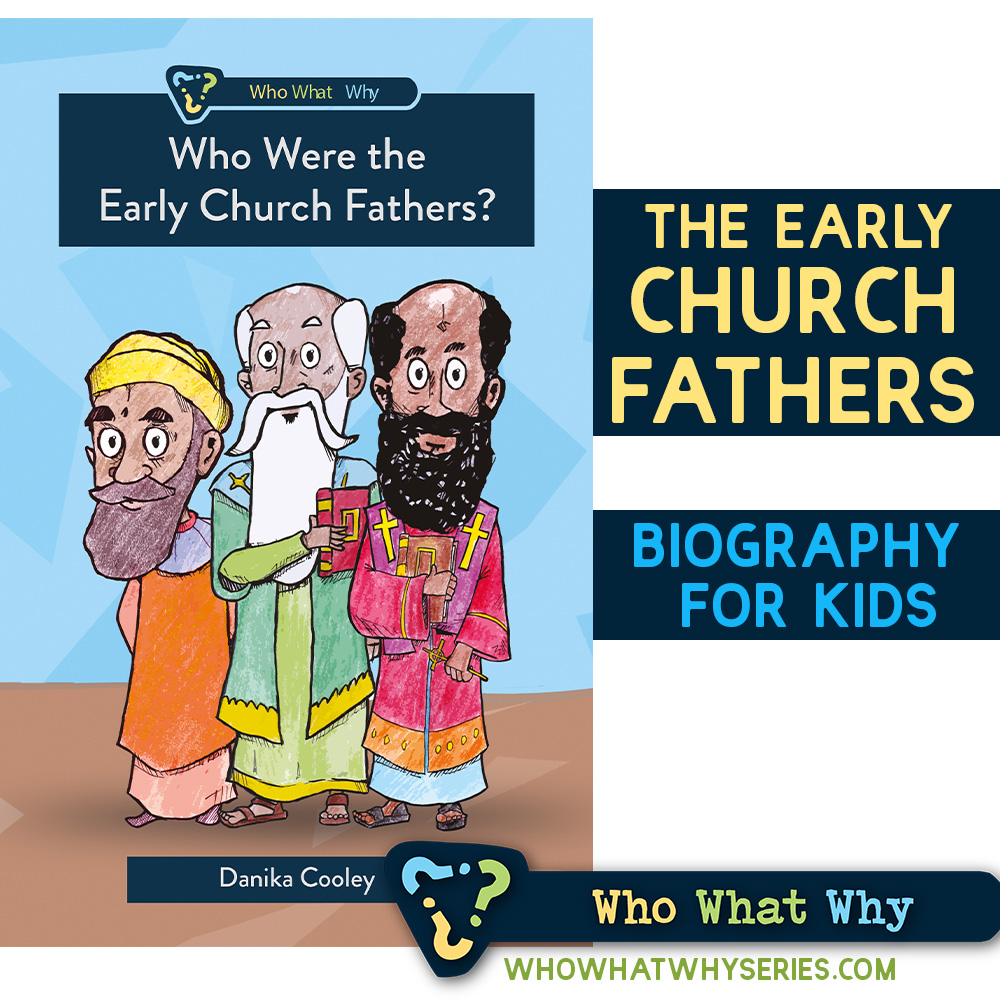
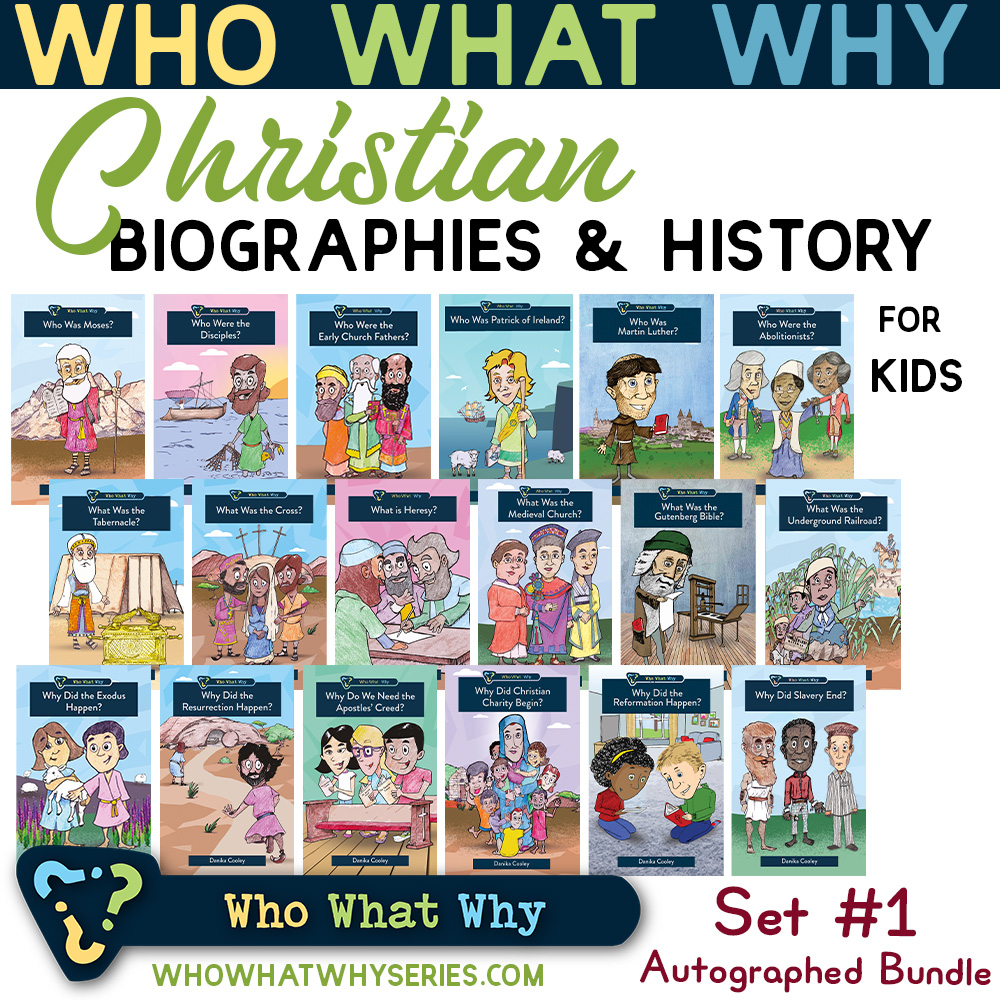
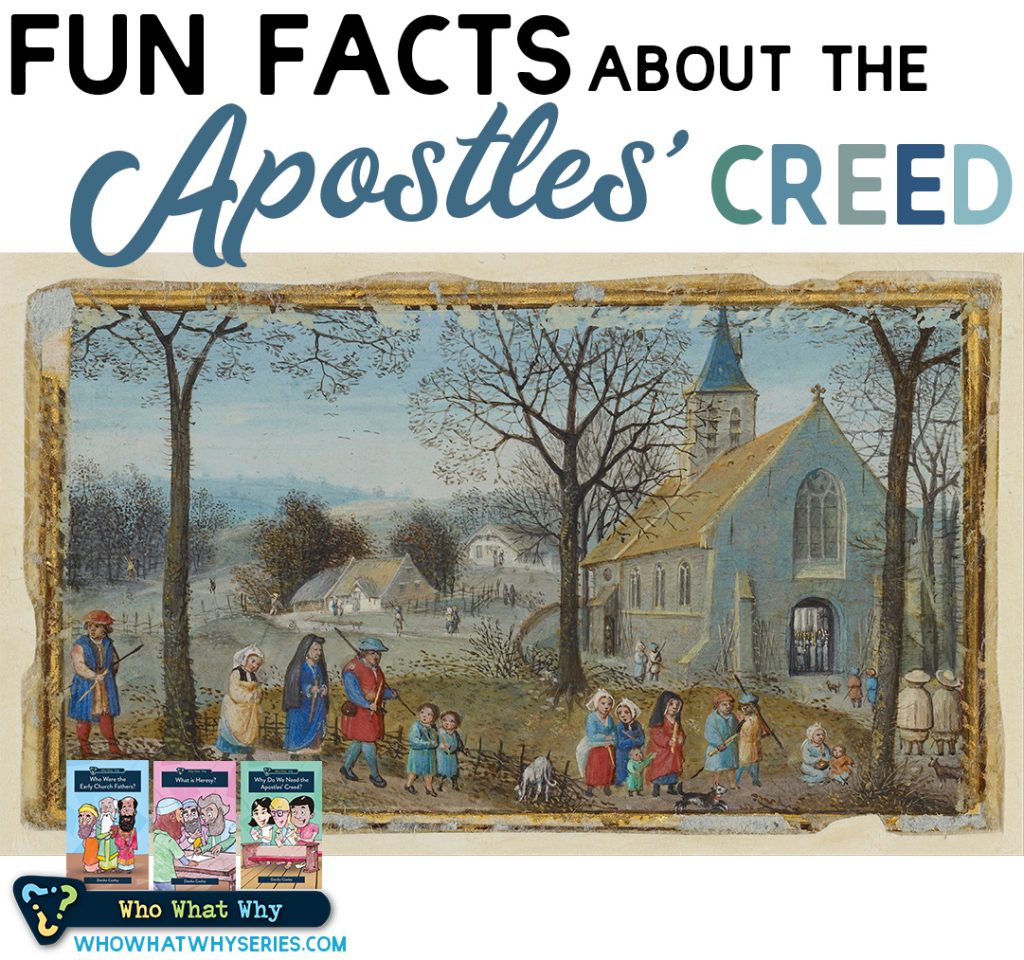
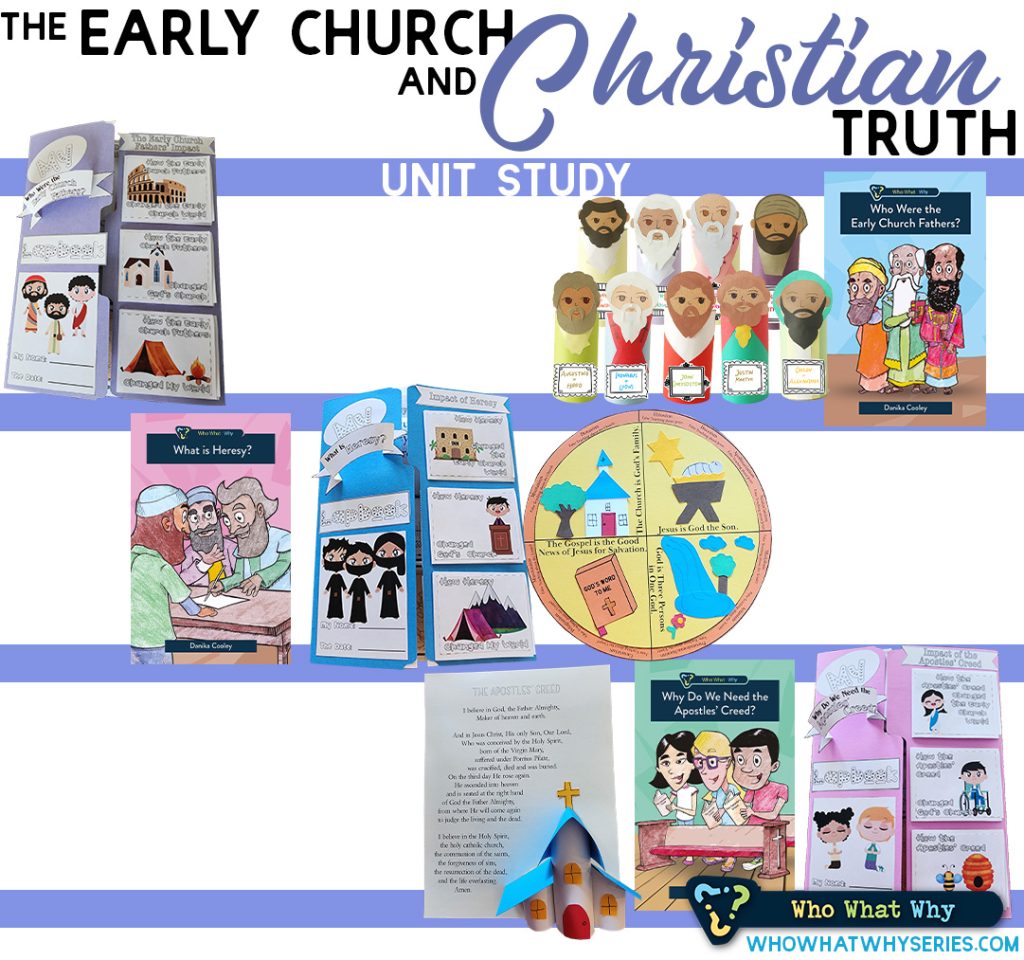
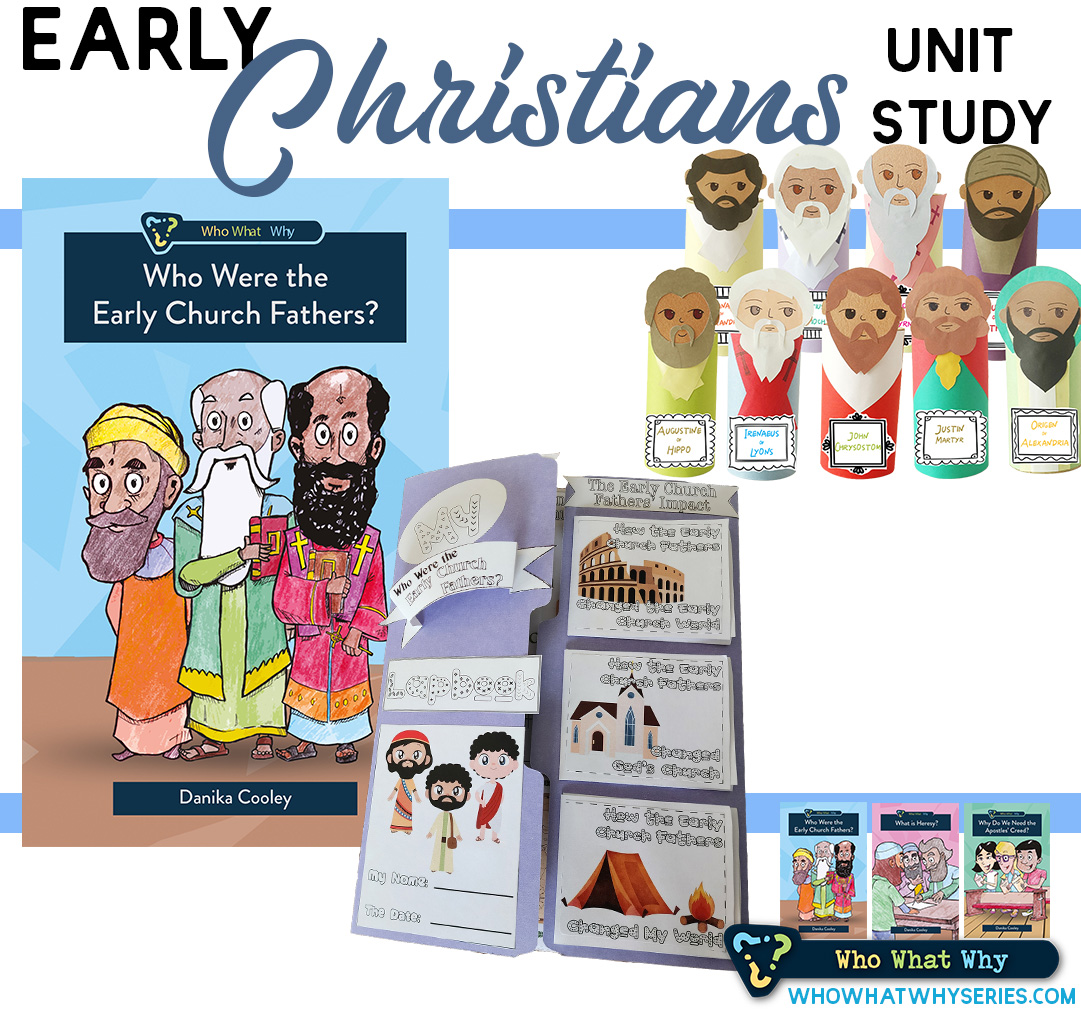
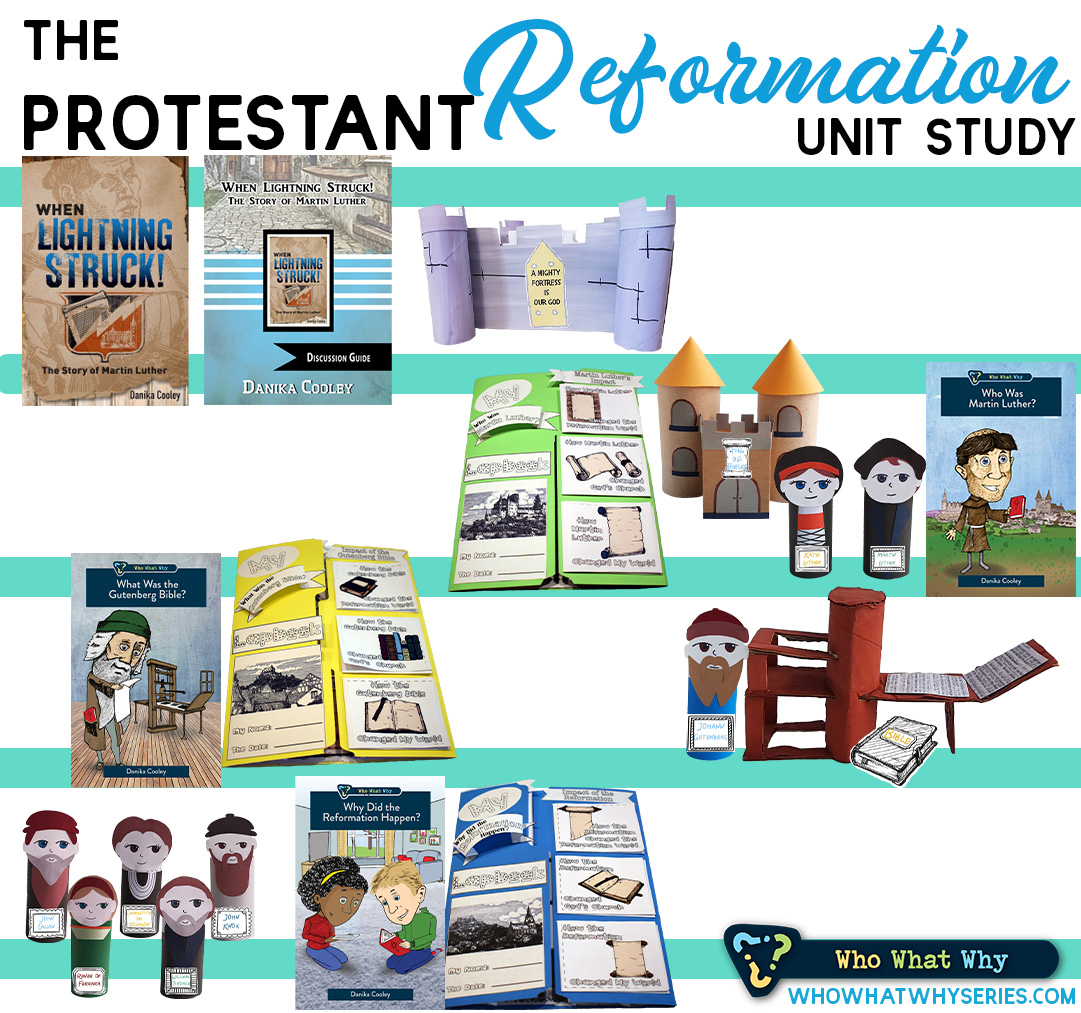
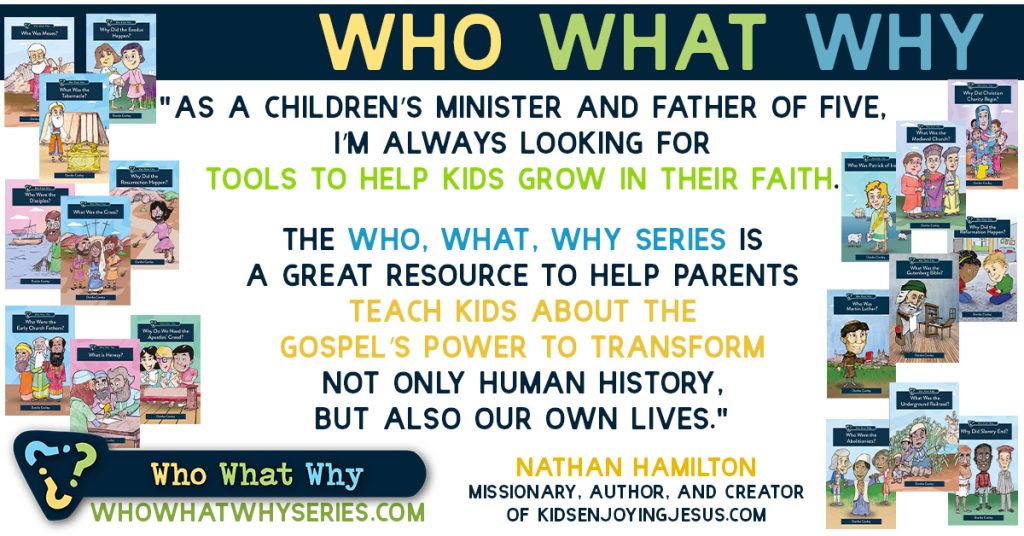
I tell the stories of nine of these Early Church Fathers in the illustrated biography for your 7-12 year olds, Who Were the Early Church Fathers?.

Early Christian Writings
The Early Church Fathers were theologians, Bible teachers, and preachers who lived and worked in Western and Eastern Europe, the Middle East, and Northern Africa.
Their early Christian writings did two important things:
- They helped clarify biblical truth. If you have ever read a systematic theology text, you know how important it is to examine Scriptural doctrine using proper hermeneutics and exegetical study. We read Scripture in the light of other Scripture. Not only did the Early Church Fathers invent systematic theology, they helped us clarify important doctrines, such as the Trinity.
- They also fought against the twisting of Scripture and false teachings. As Christians, we are commanded to fight against ungodly arguments, and to contend for the faith. The Early Church Fathers did just that!
The early Christian writings matter for your children because biblical truth matters. These important works still address issues that arise in our day-to-day lives and modern church.
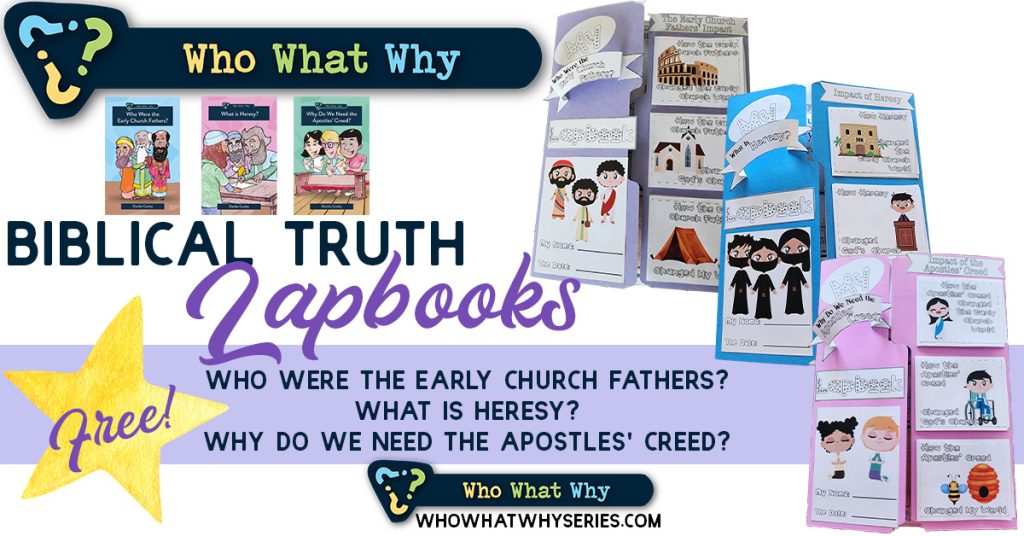
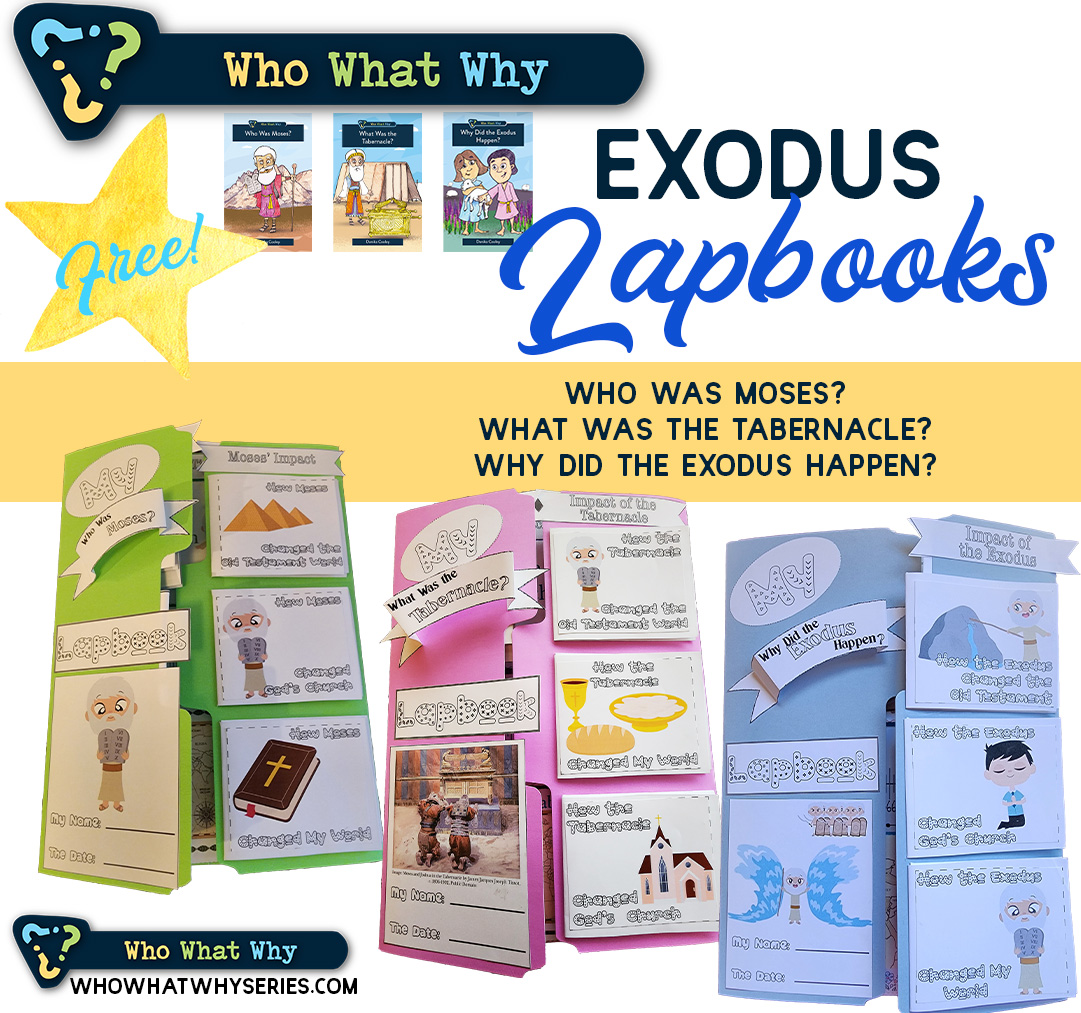
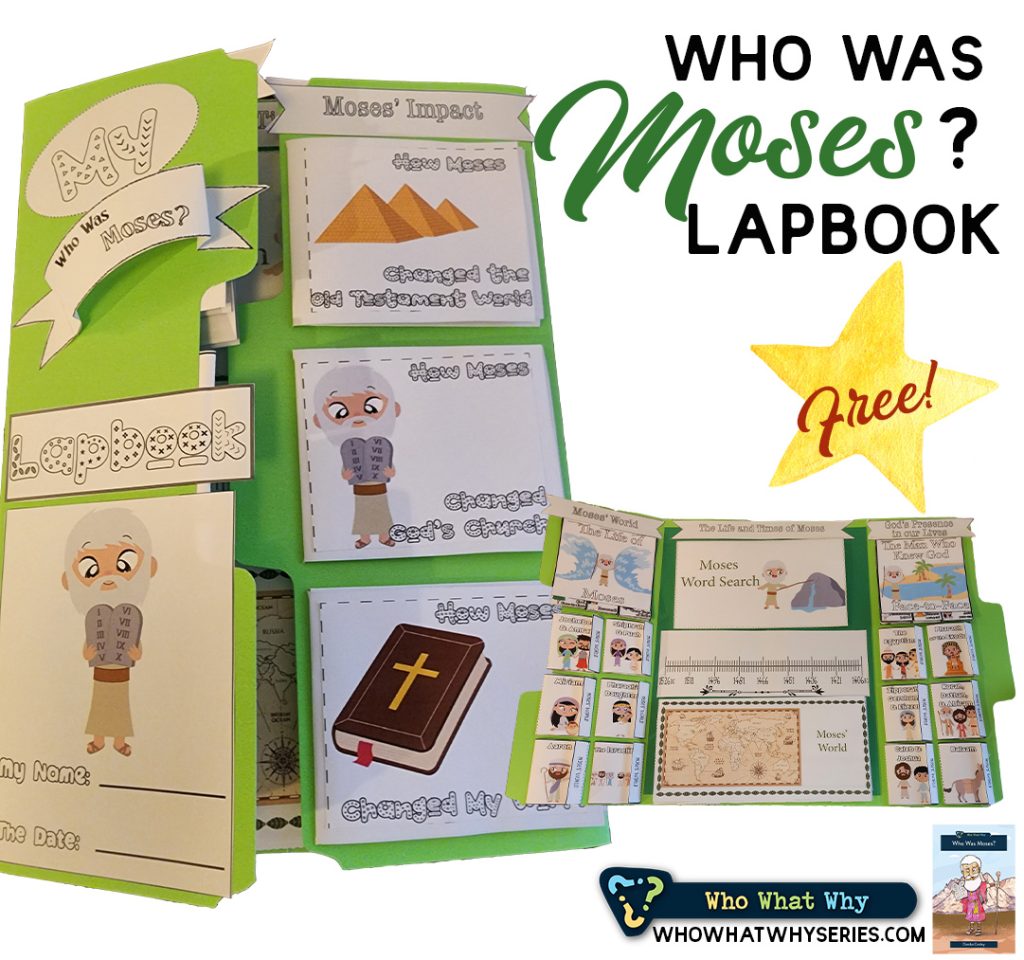
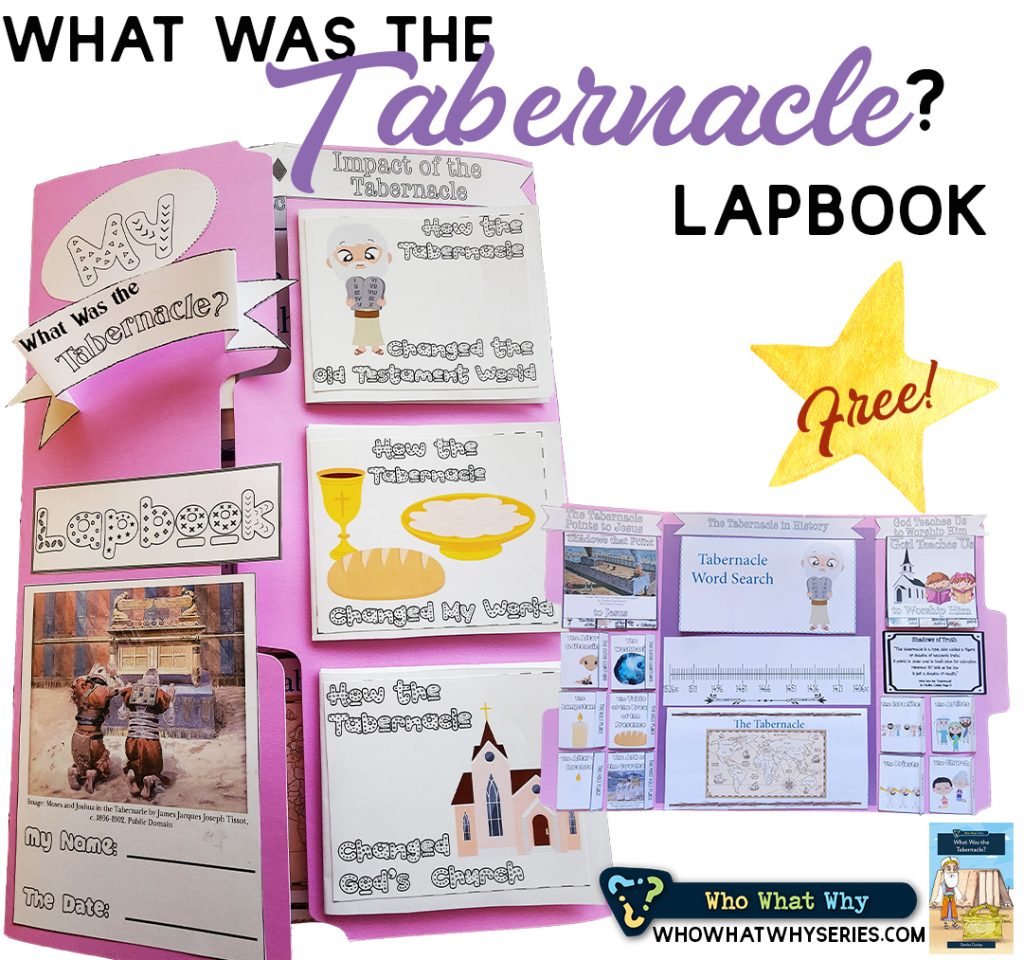
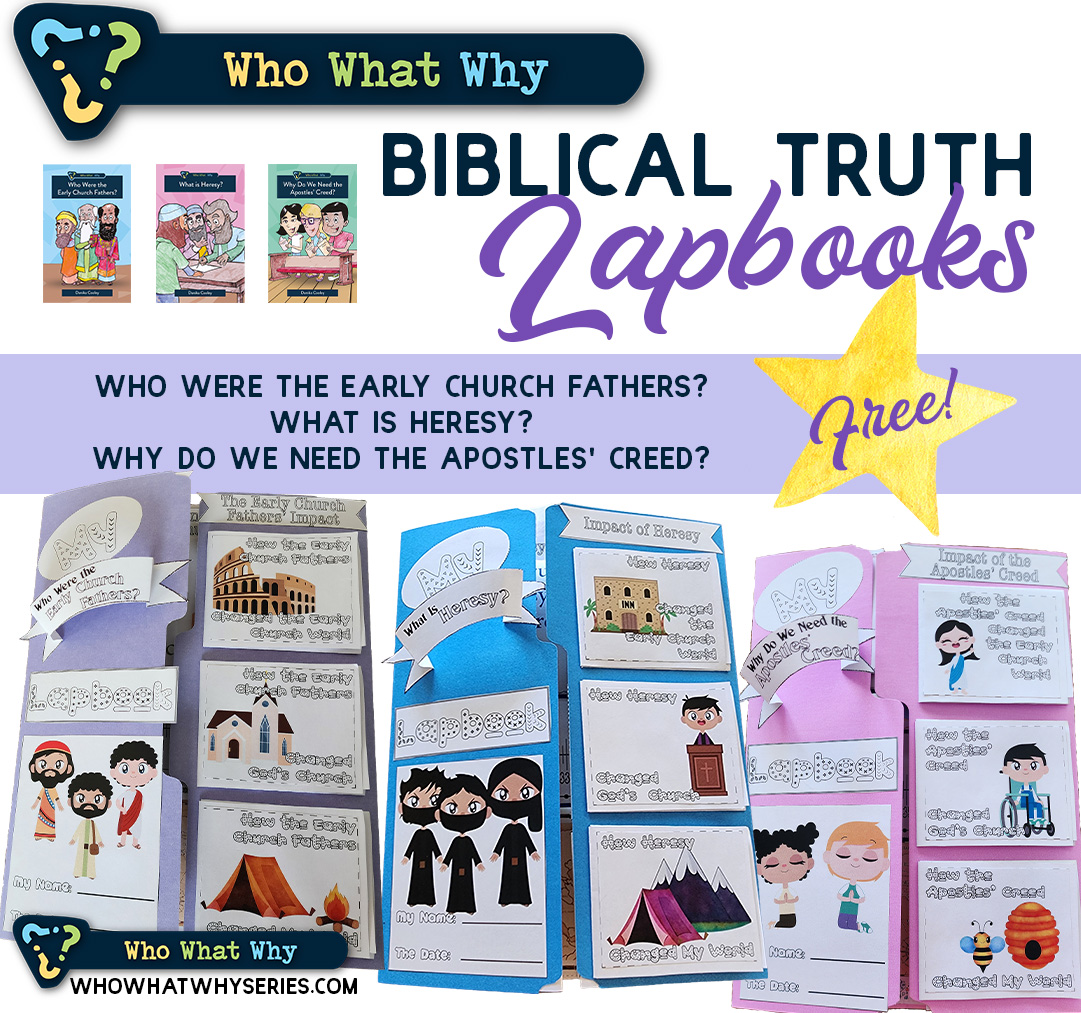
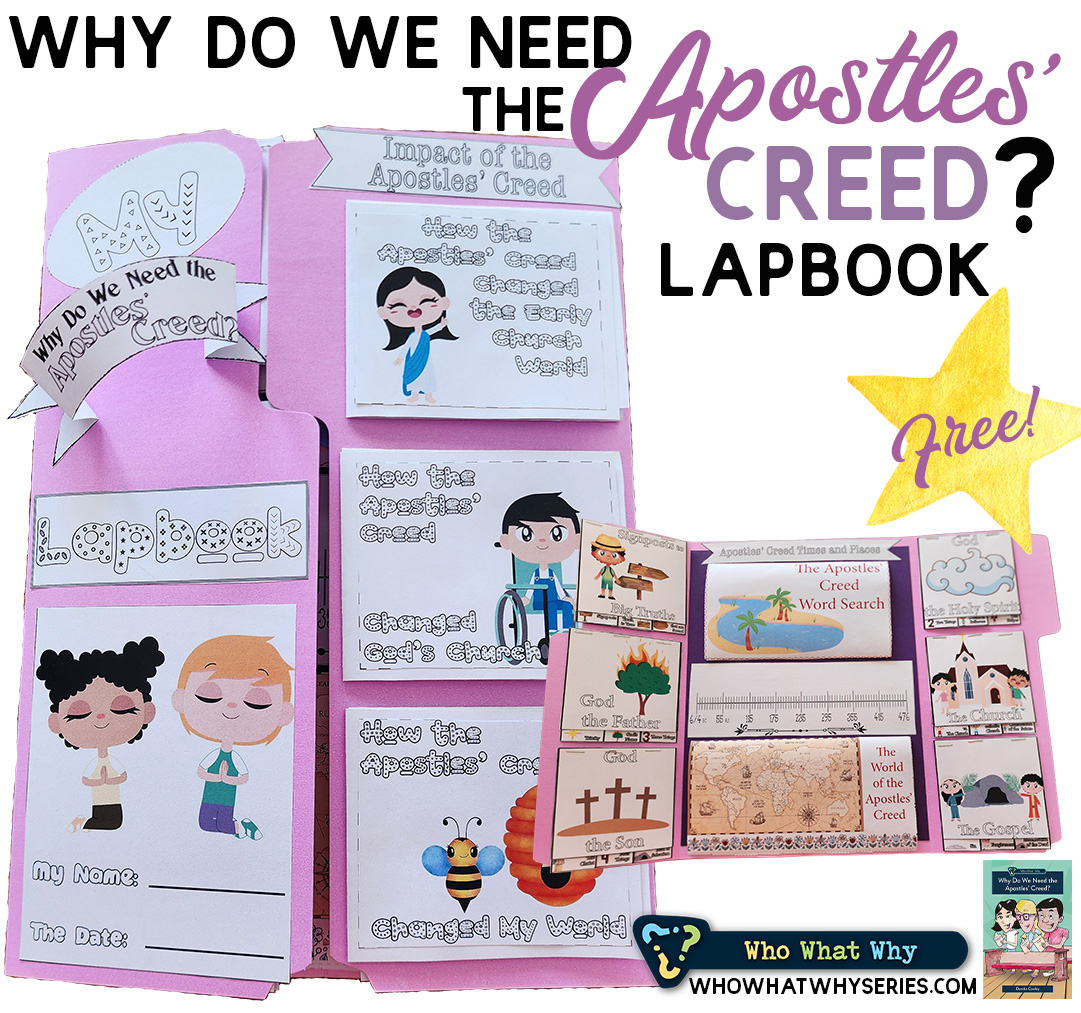
Learn more about the Who What Why series and get your FREE Biblical Truth Lapbooks here.
Early Christian Writings that Changed the Early Church… and Our Children’s World
Take a look at some of the important things the Early Christian Fathers wrote about:
- Ignatius of Antioch (c. 50- c. 110) wrote seven letters to the churches of Ephesus, Magnesia, Tralles, Philadelphia, Smyrna, and Rome.
- His message was clear that there must be unity in the local church. God gave us church leaders as a gift to help us follow him.
- He wrote against Judaizing the Christian faith.
- Ignatius also urged the church at Rome not to fight against his martyrdom for Jesus.
- Before his martyrdom, Polycarp of Smyrna (c. 70 – c. 156) wrote a letter to the Philippians.
- He gave them instructions on how to live righteously as Christians.
- Justin Martyr (c. 100 – c. 165) wrote in defense of the faith, explaining biblical doctrine, and exposed the false teachings of other religions and heretics.
- In First Apology, Justin described how Christians met together and worshiped God. This is especially instructive for us today.
- In Second Apology, Justin explained that Christ is the eternal Logos. This helped pagans understand that Christ had been active in their world from the very beginning.
- He also wrote Dialogue with Trypho to explain that Christianity is the fulfillment of God’s plan for salvation in the Old Testament.
- Irenaeus of Lyons (130-202) wrote Against Heresies, a response to Gnosticism.
- He taught that the God of the Old Testament and the God of the New Testament are the same God. He also taught that our God is a good God and the Creator. These were biblical truths attacked by the Gnostics.
- In Demonstration (or Proof) of the Apostolic Preaching, Irenaeus gave instructions for teaching new Christians about the story of God’s great plan for salvation. He wanted them to understand the work of our triune God through Scripture and was a contender for creeds in the church.
- Irenaeus advocated for the canonization of the New Testament.
- Tertullian of Carthage (c. 160-c. 220) wrote against both Gnosticism and Sabellianism. He was prolific in his writing!
- As he wrote Against Praxeas, Tertullian defined the Trinity. God is three Persons in one God: God the Father, God the Son, and God the Holy Spirit. It is Tertullian’s language that helped Christians define this important doctrine.
- Tertullian wrote: “The more we are cut down by you, the more in number we grow; the blood of Christians is seed.” Today, we often shorten this saying to: “the blood of the martyrs is the seed of the church.”
- Origen of Alexandria (c. 185 – 254) wrote an amazing number of books.
- He wrote the Hexapla, the Old Testament in Hebrew with four parallel Greek translations.
- Origen wrote many commentaries and sermons.
- His First Principles was the first Christian systematic theology.
- Athanasius of Alexandria (c. 300-373) explained the deity of Christ and of the Holy Spirit in his writings.
- He wrote two books against Arianism.
- On the Incarnation explained that Jesus is both fully God and fully man.
- Athanasius also wrote a biography on the famous hermit monk called Life of Anthony.
- John Chrysostom (347-407) was a popular preacher, with many of his sermons surviving in writing.
- On the Priesthood is a biblical look at the duties of the Christian pastor.
- John instructed parents in how to raise and educate children with his Golden Book on Bringing Up Children.
- Augustine of Hippo (354-430) is perhaps the best known of the early Christian writers. In fact, he wrote 113 books and treatises, almost 250 letters, and more than 500 sermons.
- City of God is about the difference between the world and God’s kingdom. Christians are exiles in this world, headed for our heavenly home.
- On the Trinity explains the doctrine of the Trinity in a definitive way for the Western Church.
- Confessions is Augustine’s autobiography. It tells the story of his salvation and sanctification.
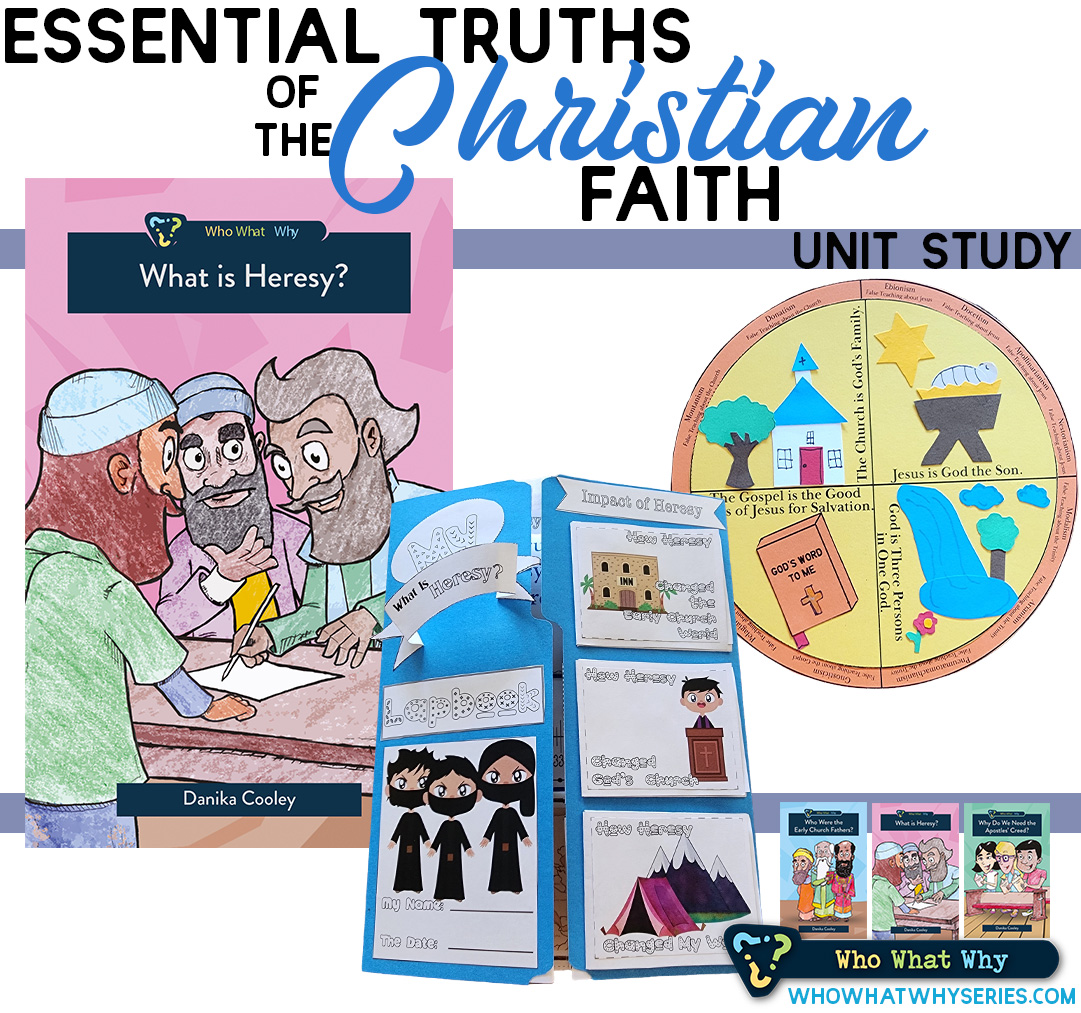
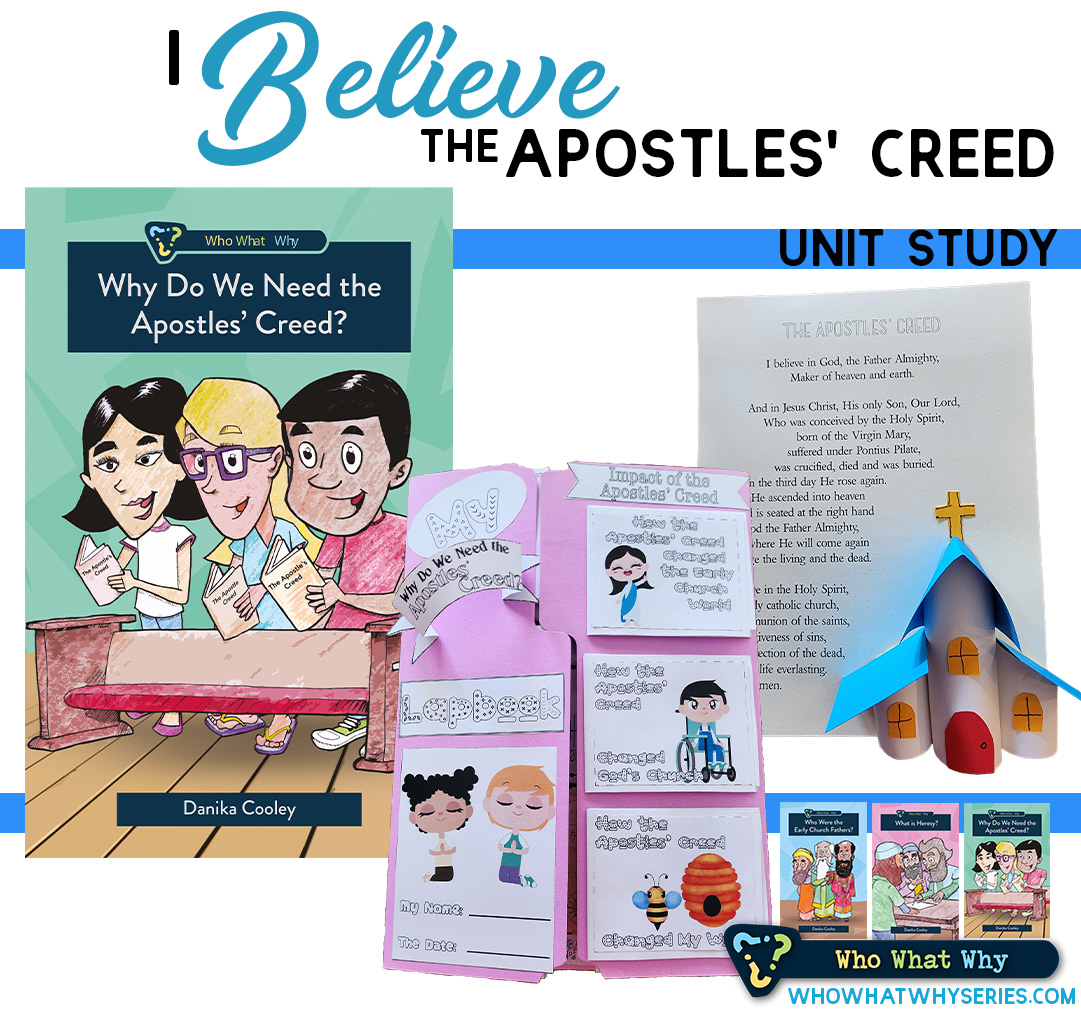
The Early Church Fathers did important work for the kingdom of God through their writings. In addition to these works, they wrote vehemently against early heresies, and helped define the Apostles’ Creed–a confession of our faith that we still use today.
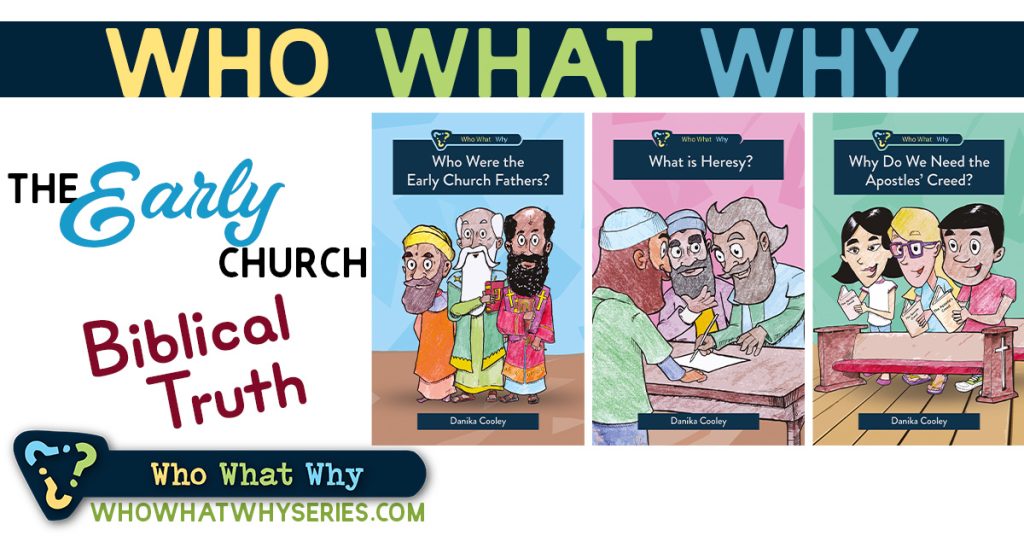 You can get all three Who What Why | Biblical Truth | Early Church books in a bundle (and save!) over at Thinking Kids Press.
Learn More about Early Christian Writings that Contended for the Faith
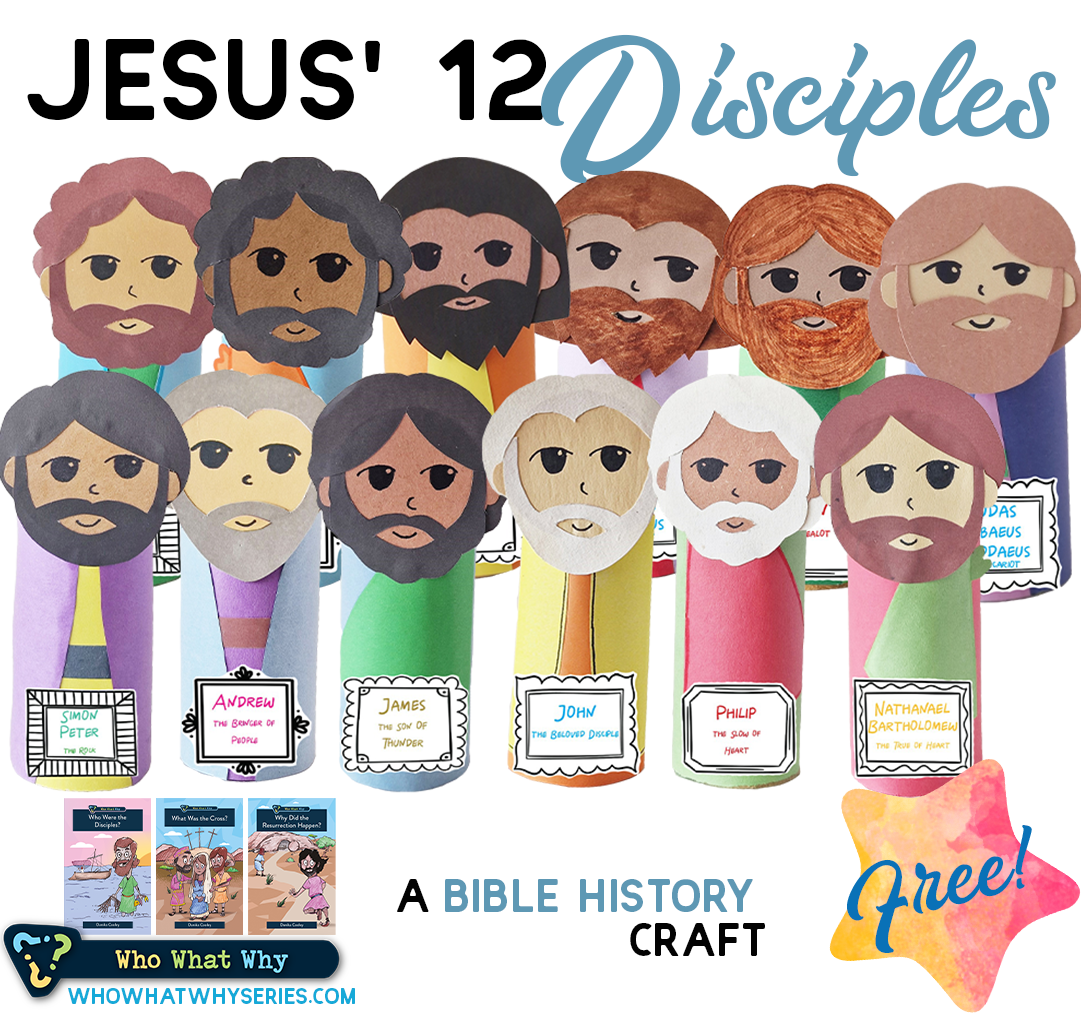
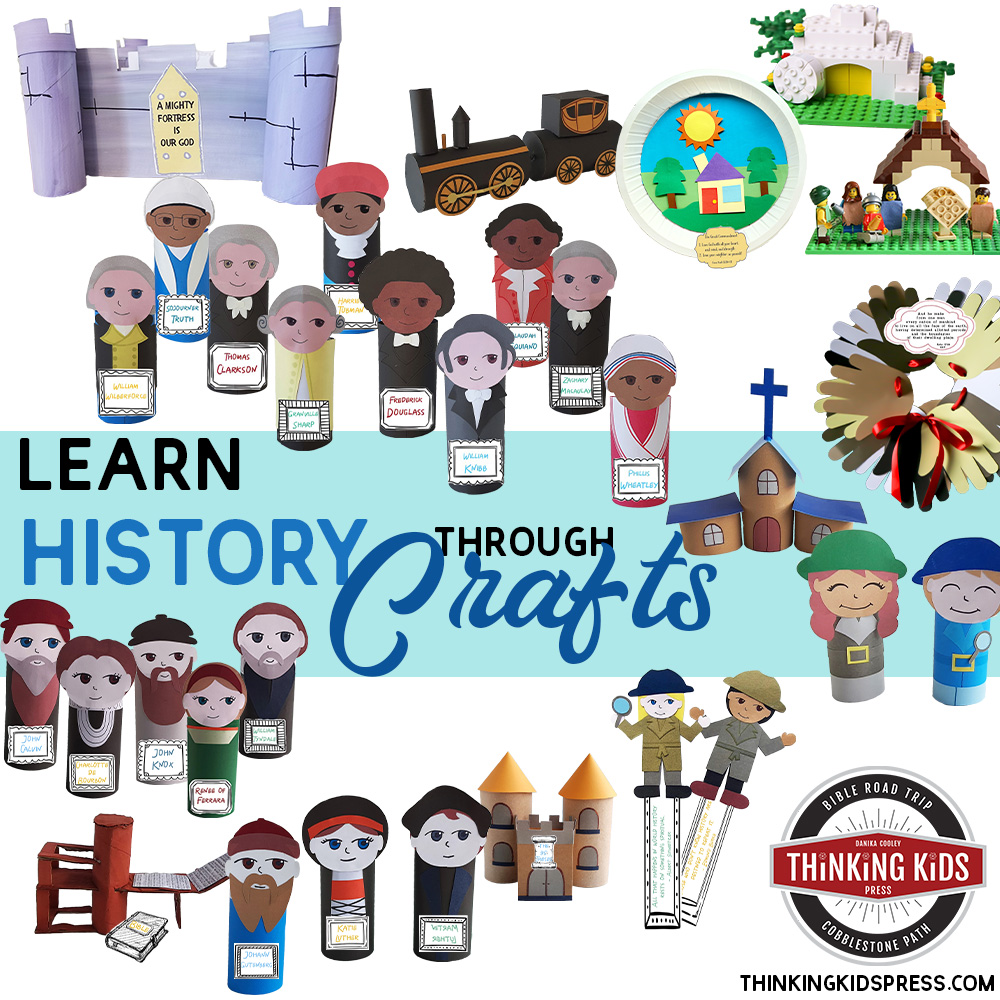
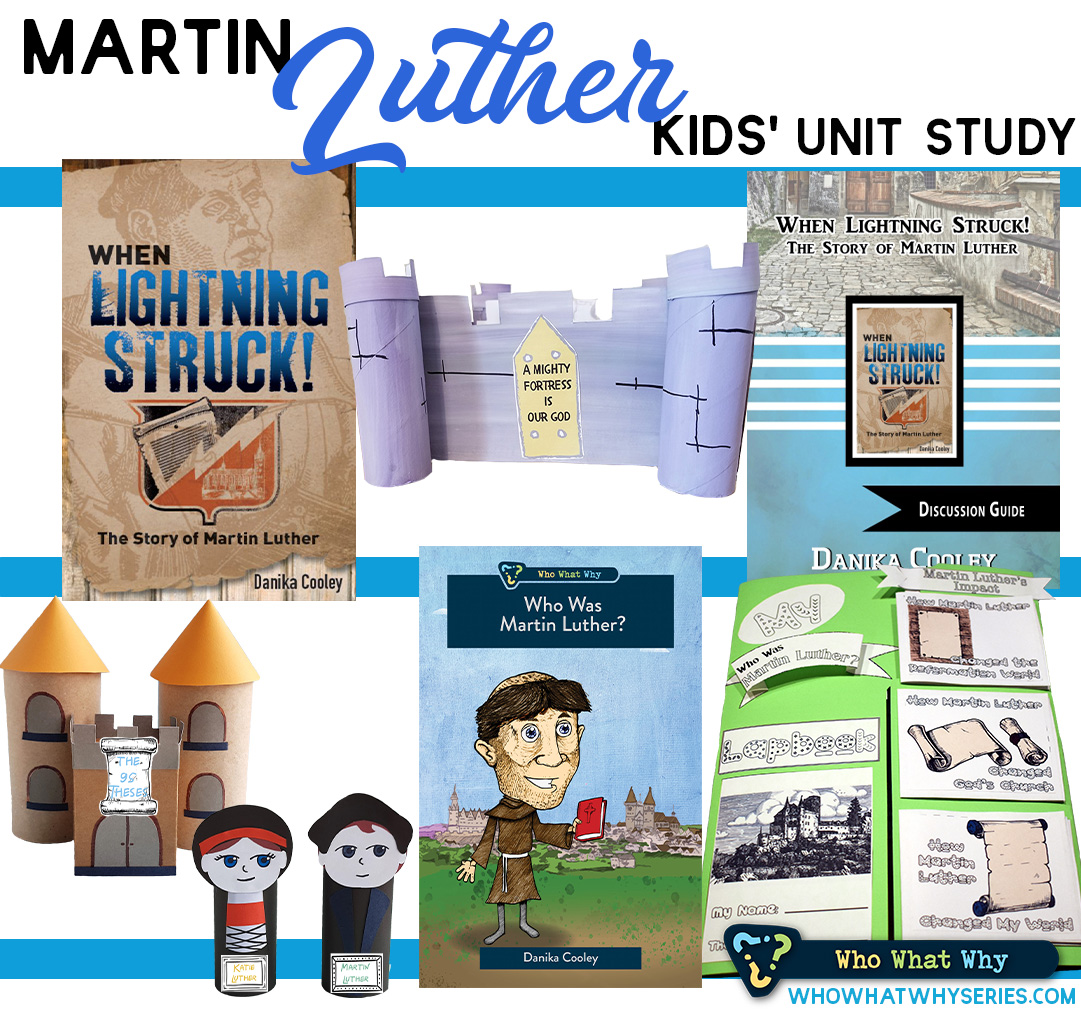
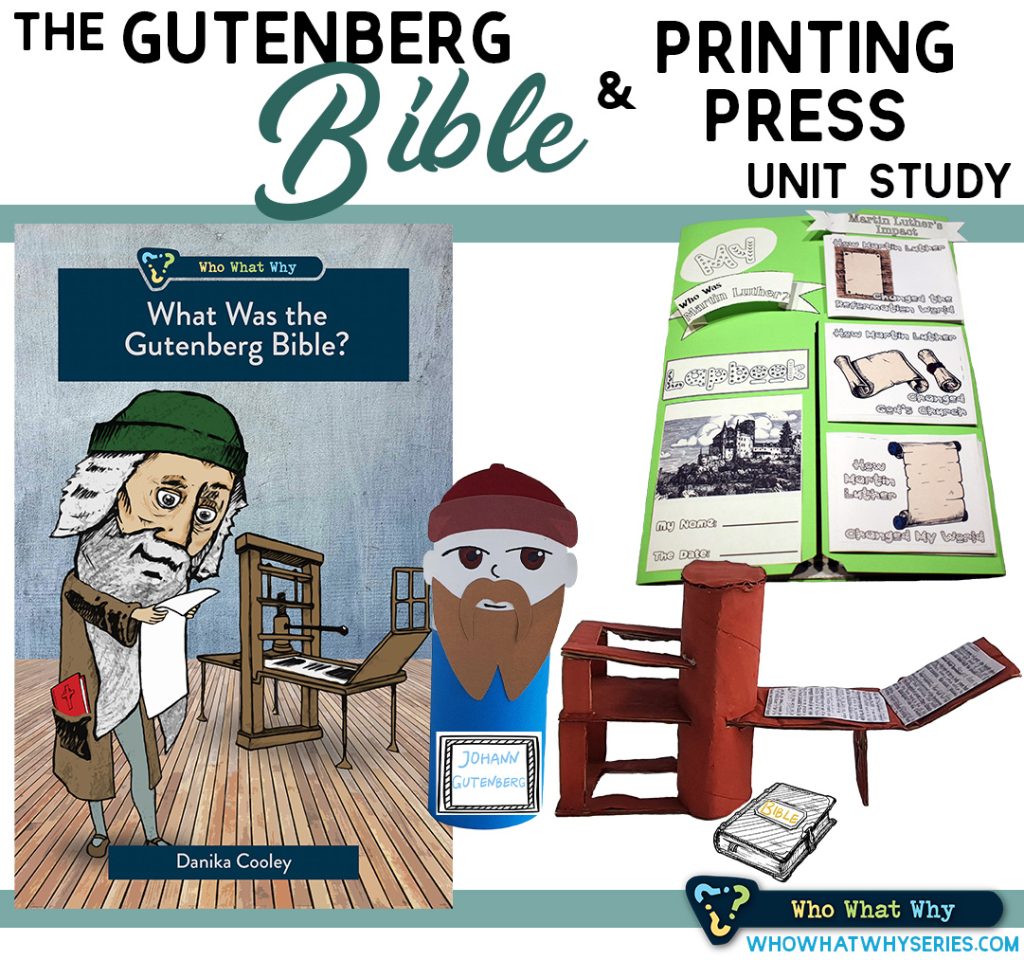
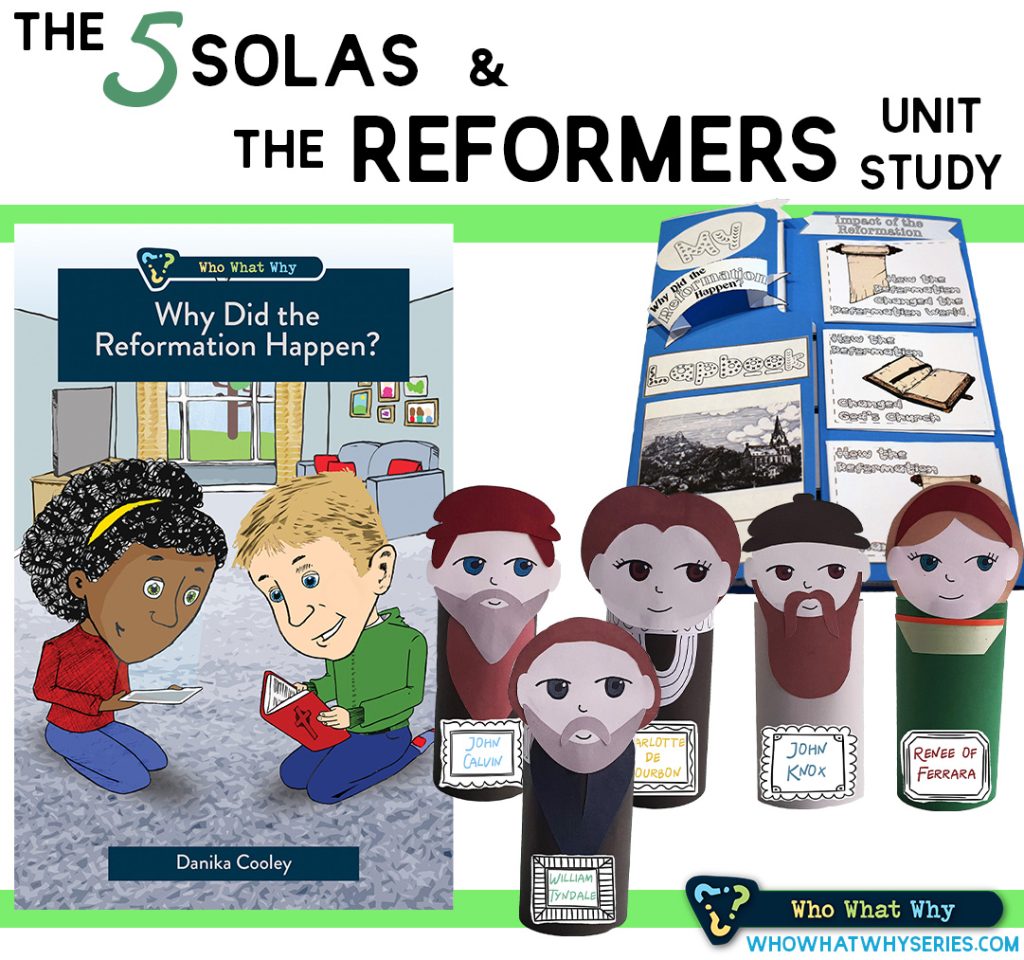
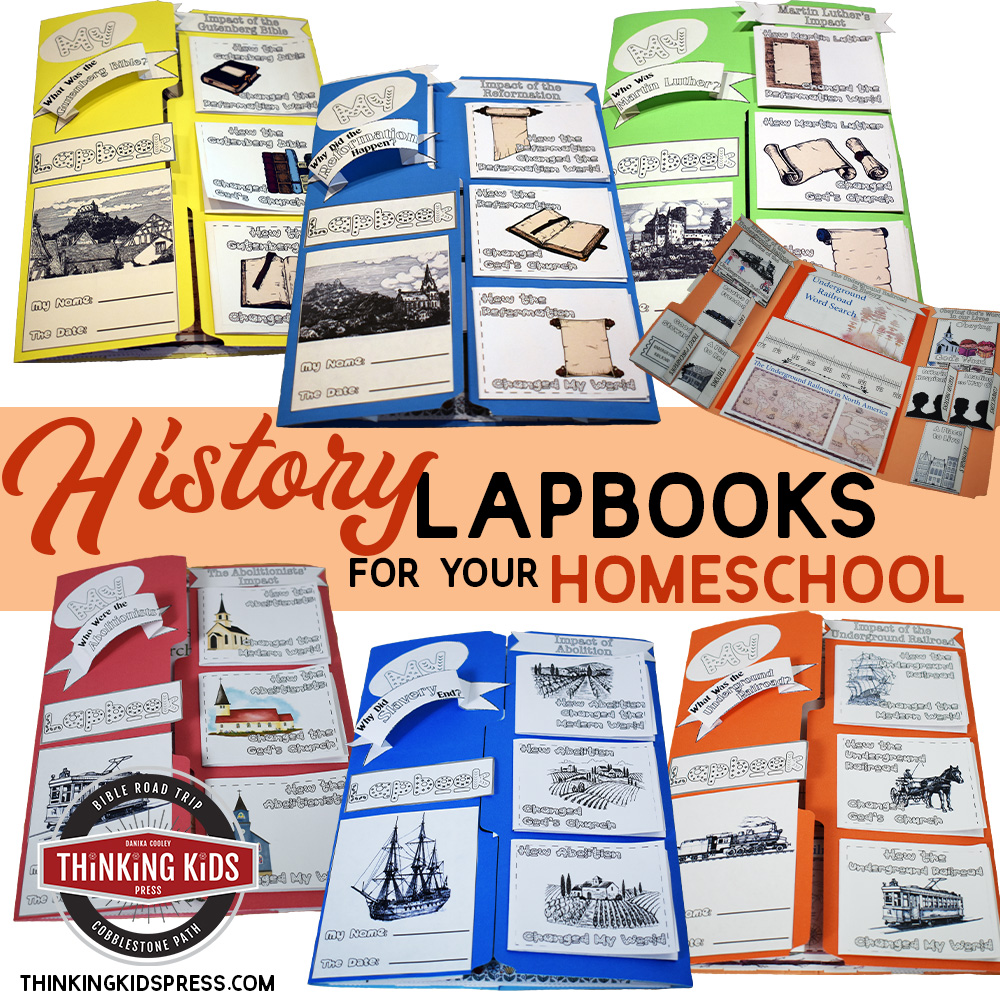
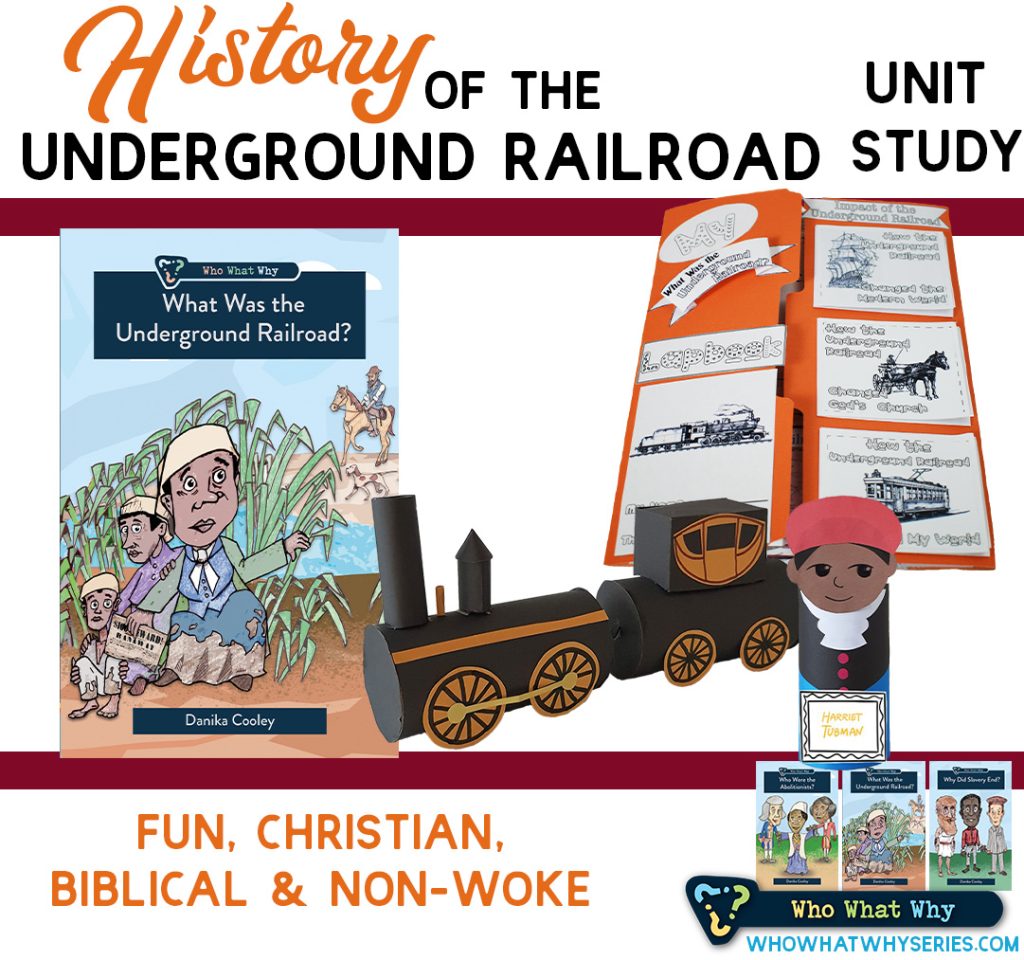
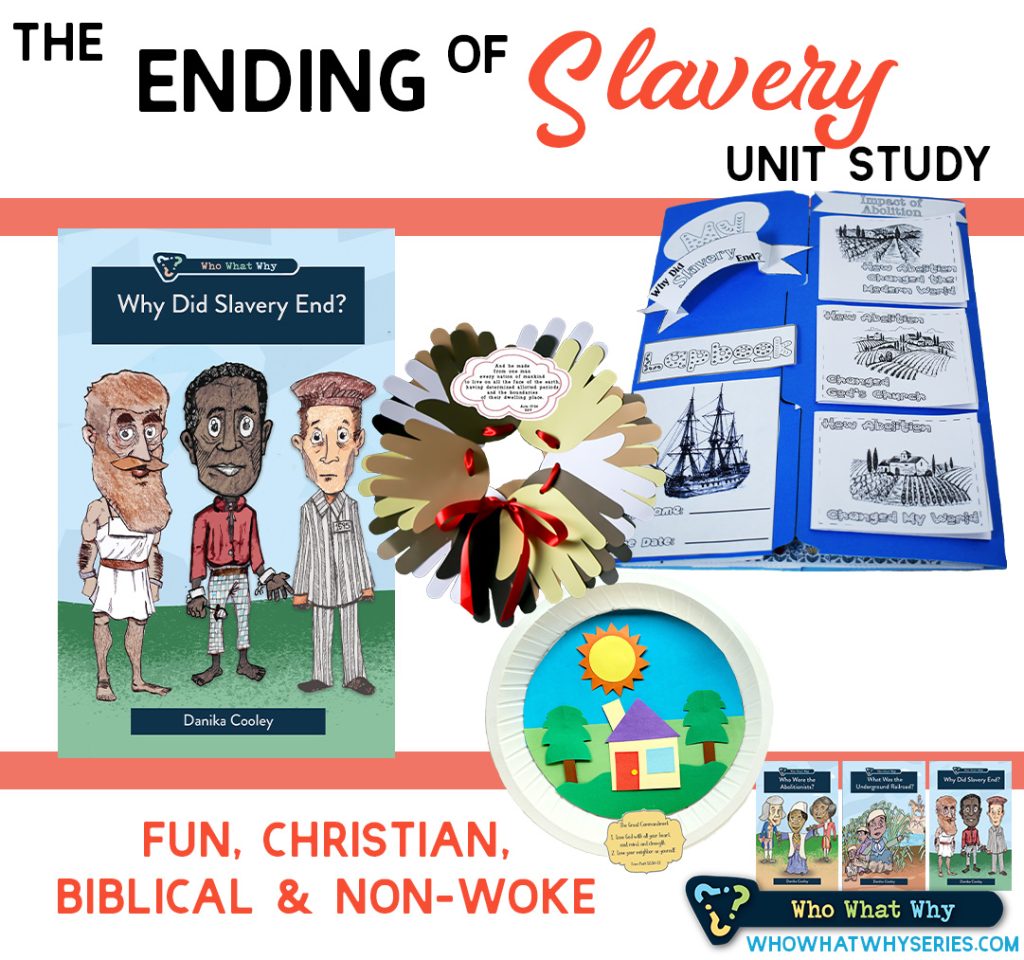
God used the Early Church Fathers to fight for biblical truth, and against attacks on Scripture. Your kids can learn more about the lives of nine important Early Church Fathers with my new book, Who Were the Early Church Fathers?, a free Early Church Fathers lapbook, and a fun craft representing nine Early Church Fathers!


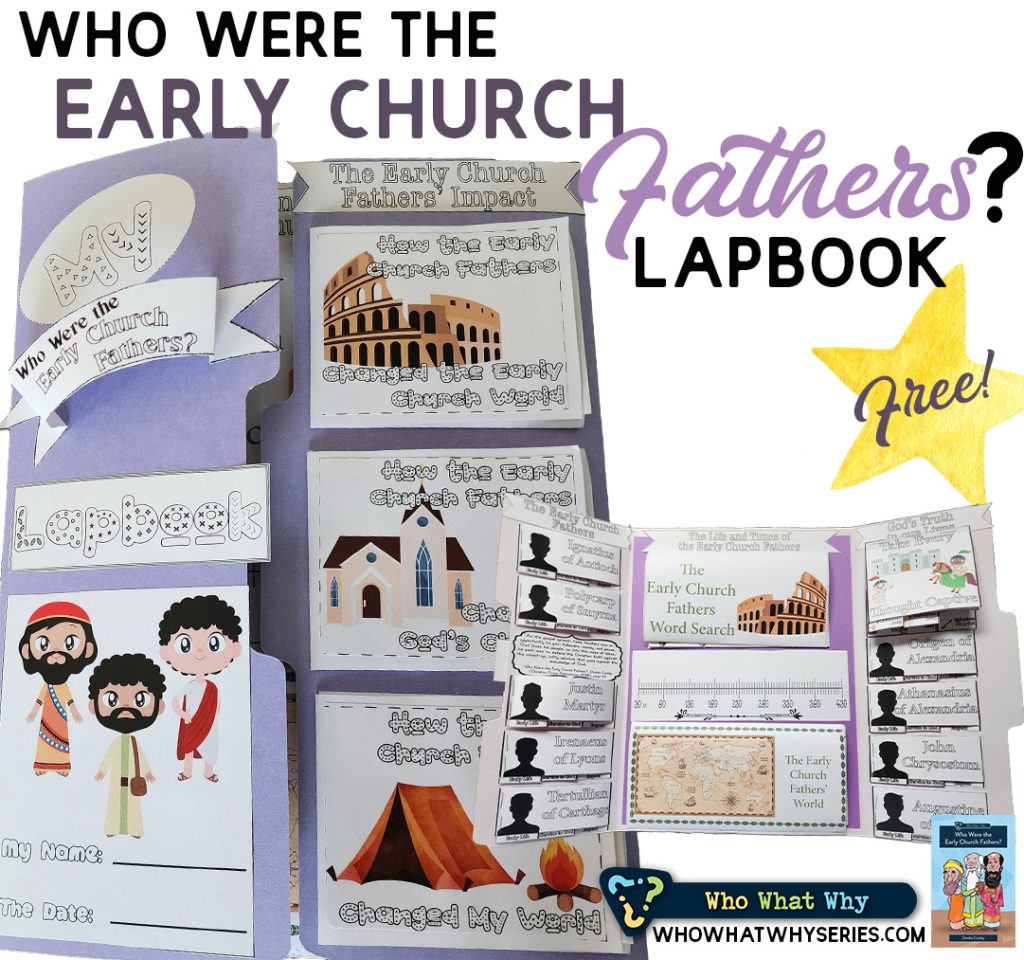
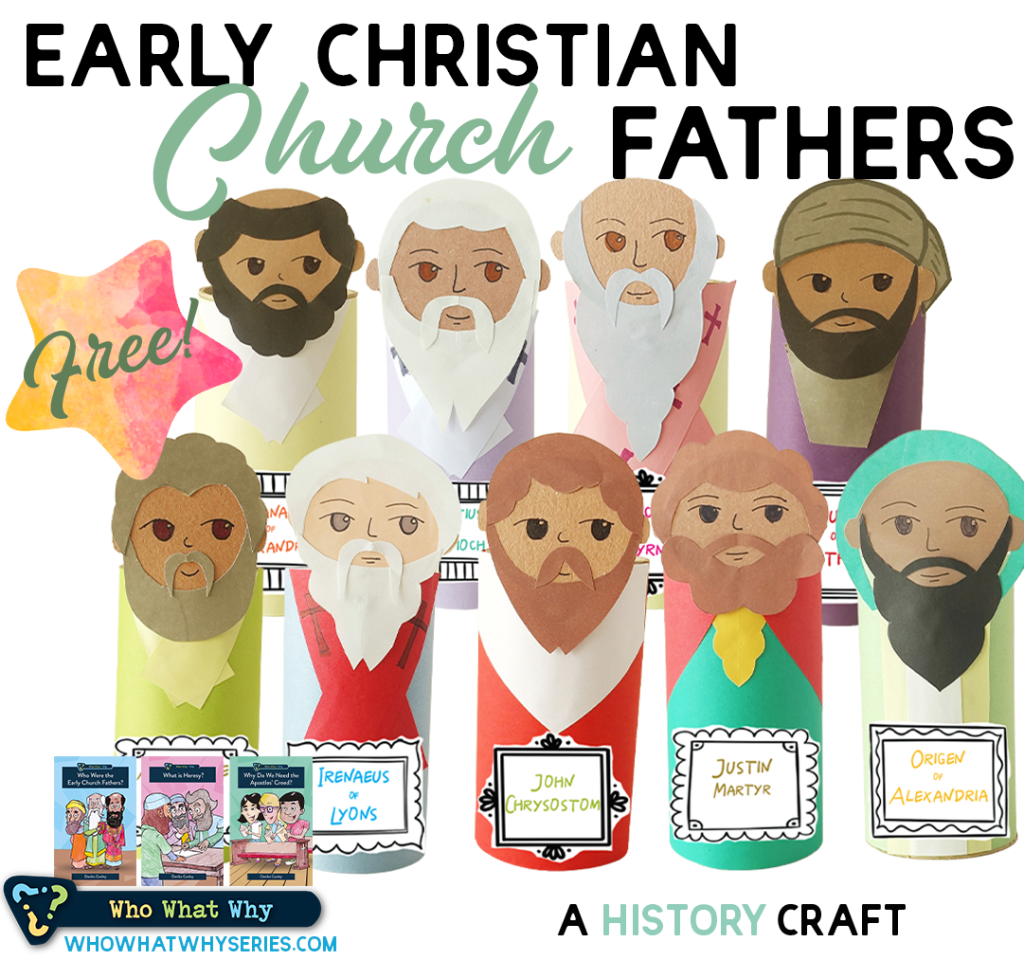
The Early Church Fathers, their writings fighting for biblical truth, and the testimony of their lives helped clarify the biblical doctrine we teach our kids today. Your children will love learning about the history of these important men!
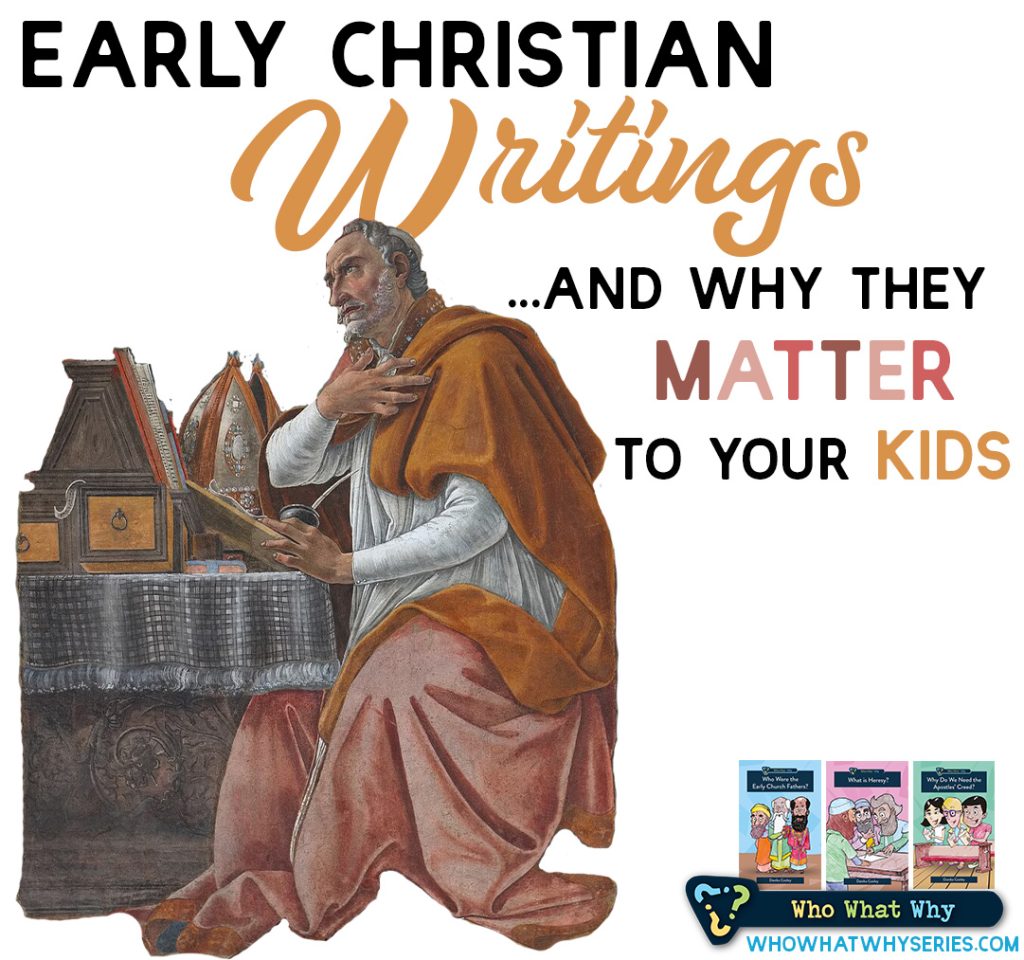
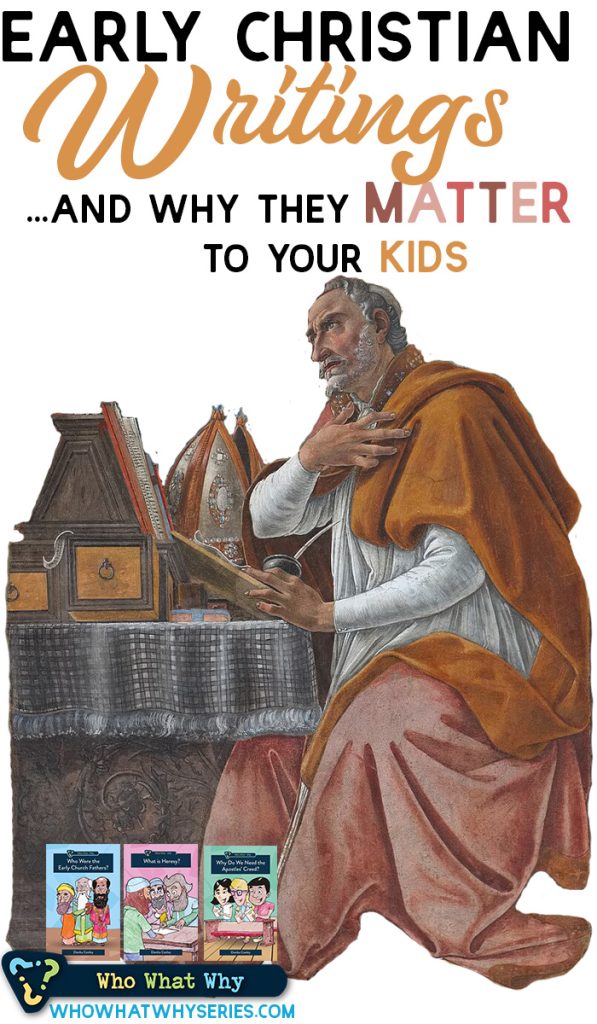
Painting: St. Augustine by Sandro Botticelli, 1480, in Ognissanti, Florence (Armin Kleiner, CC BY-SA 4.0, via Wikimedia Commons)
Sources:
Ferguson, Everett. Church History, Volume One: From Christ to the Pre-Reformation: The Rise and Growth of the Church in Its Cultural, Intellectual, and Political Context. 2005. Zondervan Academic, 2013.
González, Justo L. The Story of Christianity: The Early Church to the Present Day. Prince Press, 2004.
Haykin, Michael A. G. Rediscovering the Church Fathers: Who They Were and How They Shaped the Church. Crossway, 2011.
Isichei, Elizabeth. A History of Christianity in Africa: From Antiquity to the Present. William B. Eerdmans Publishing Company, 1995.
Litfin, Bryan M. Getting to Know the Church Fathers: An Evangelical Introduction. 2nd ed., Baker Academic, 2016.
Needham, Nick. 2000 Years of Christ’s Power Volume 1: The Age of the Early Church Fathers. 1998. Christian Focus Publications, 2016.
Bible Resources for Your Kids
Learn More HereLearn More HereLearn More HereLearn More HereLearn More HereLearn More Here

Christian Biographies for Kids | Christian History for Kids | Theology for Kids
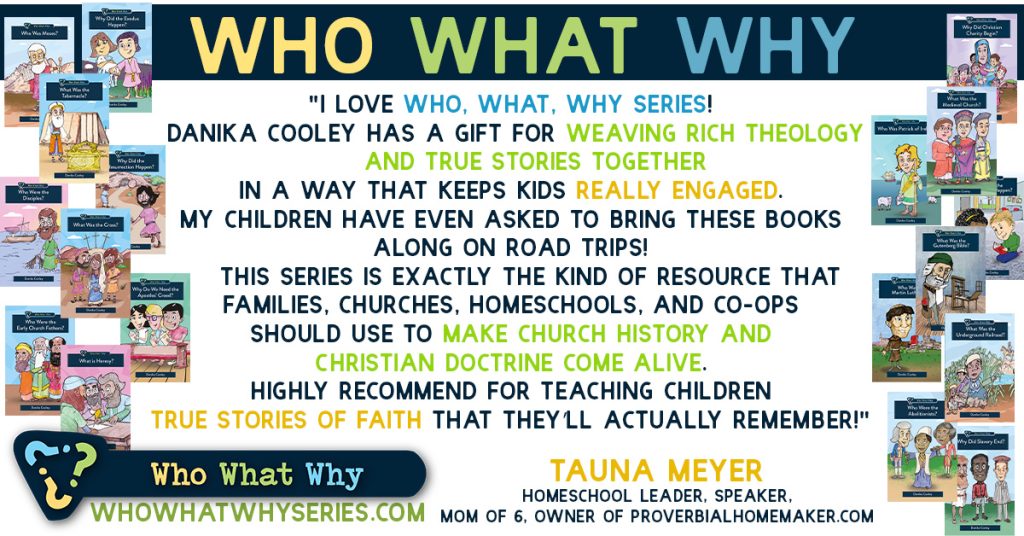
Christian History Matters for Our Kids.
History matters. Now, more than ever, we see how important it is for our children to know and understand history and the Bible.
Here’s why:
- God is the sovereign ruler of all things. It’s important for our kids to see his hand in the history of nations and in the lives of both peasants and kings.
- Christian history is the story of our family history. Our kids get to see how people who love Jesus follow him.
- Understanding history can help our kids learn historic and biblical theology. They learn what the Bible says and what that means for us. They also see when the study of Scripture has taken important turns that have changed the Church.
- Reading Christian biographies and history can be a wonderful way for kids to think outside their own time and culture. God’s Church spans centuries and includes people from every nation.
- Christian biographies help kids consider their own faith, walk with Jesus, and the impact their witness may one day have on others–and on history.

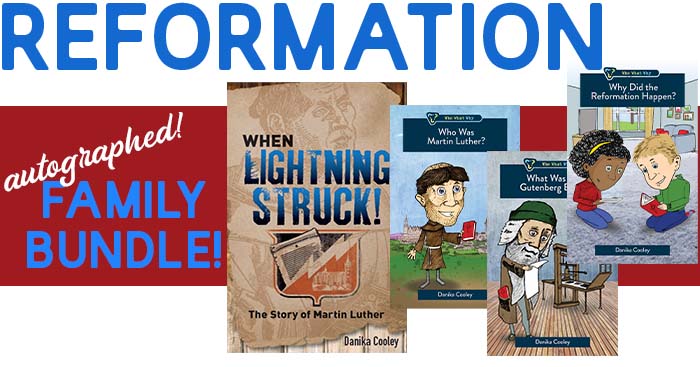
Grab the autographed Reformation Family Bundle!
More Thinking Kids Posts You’ll Love!