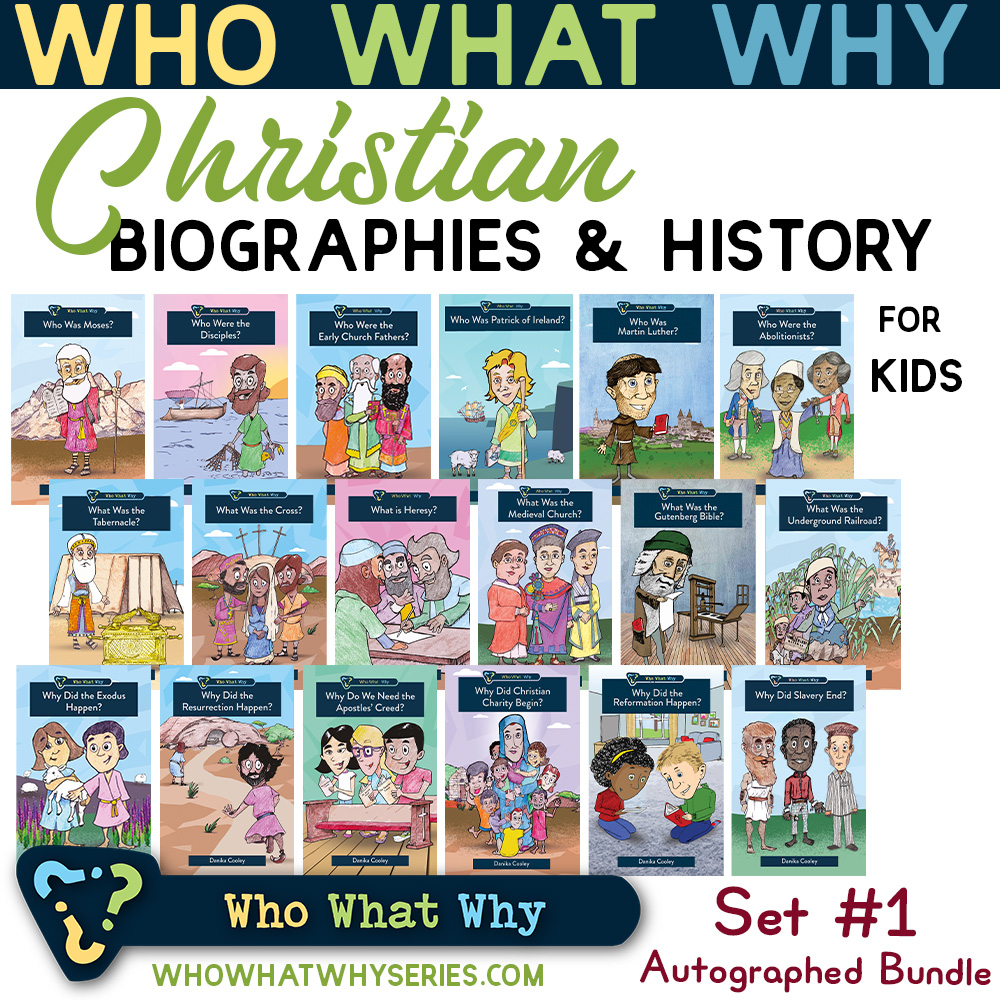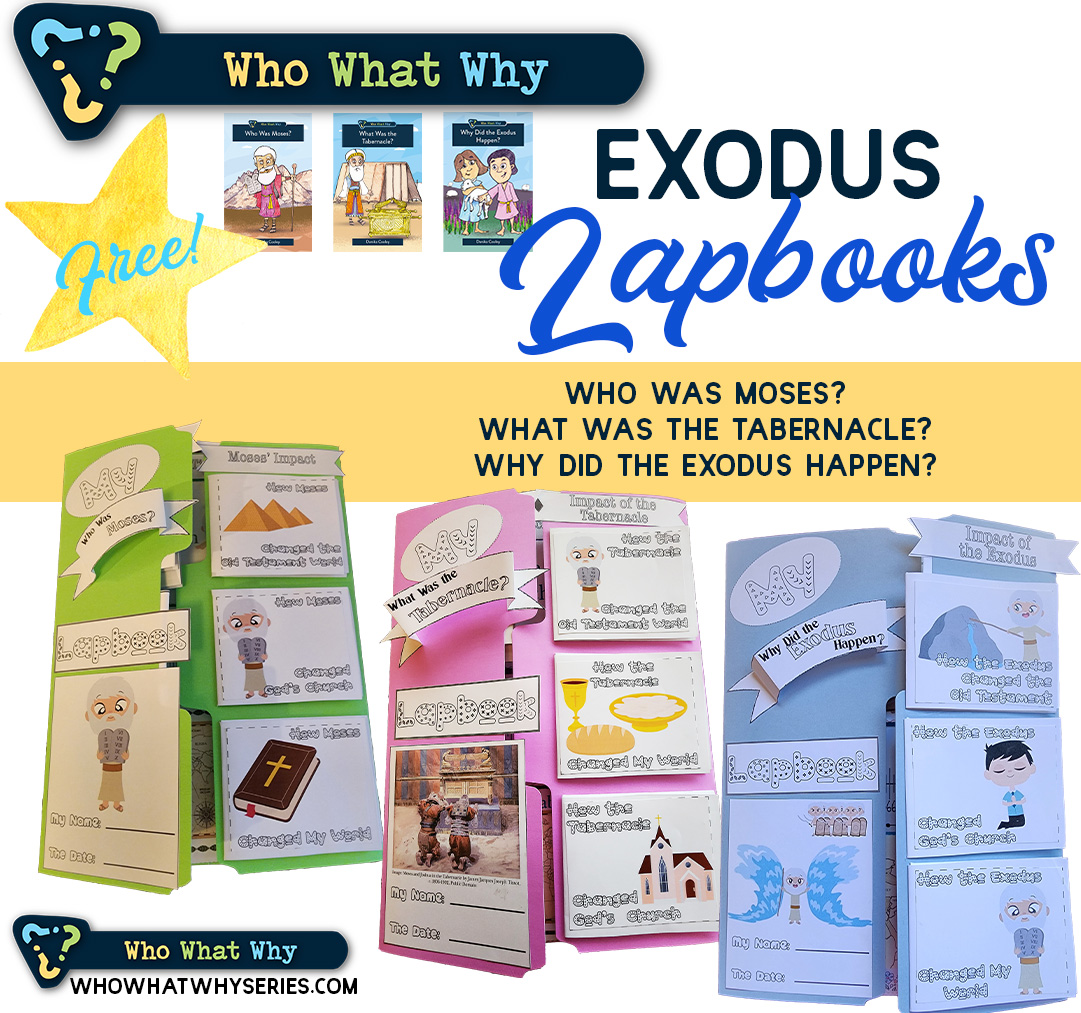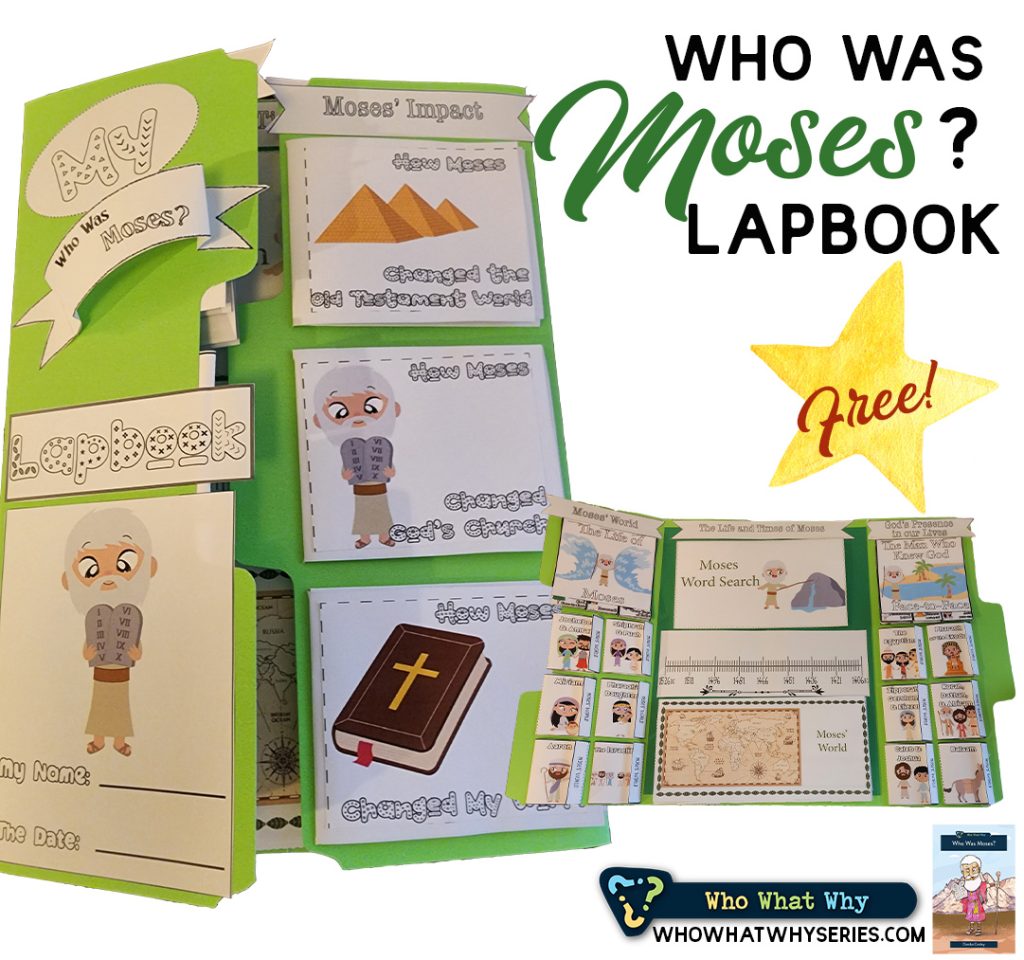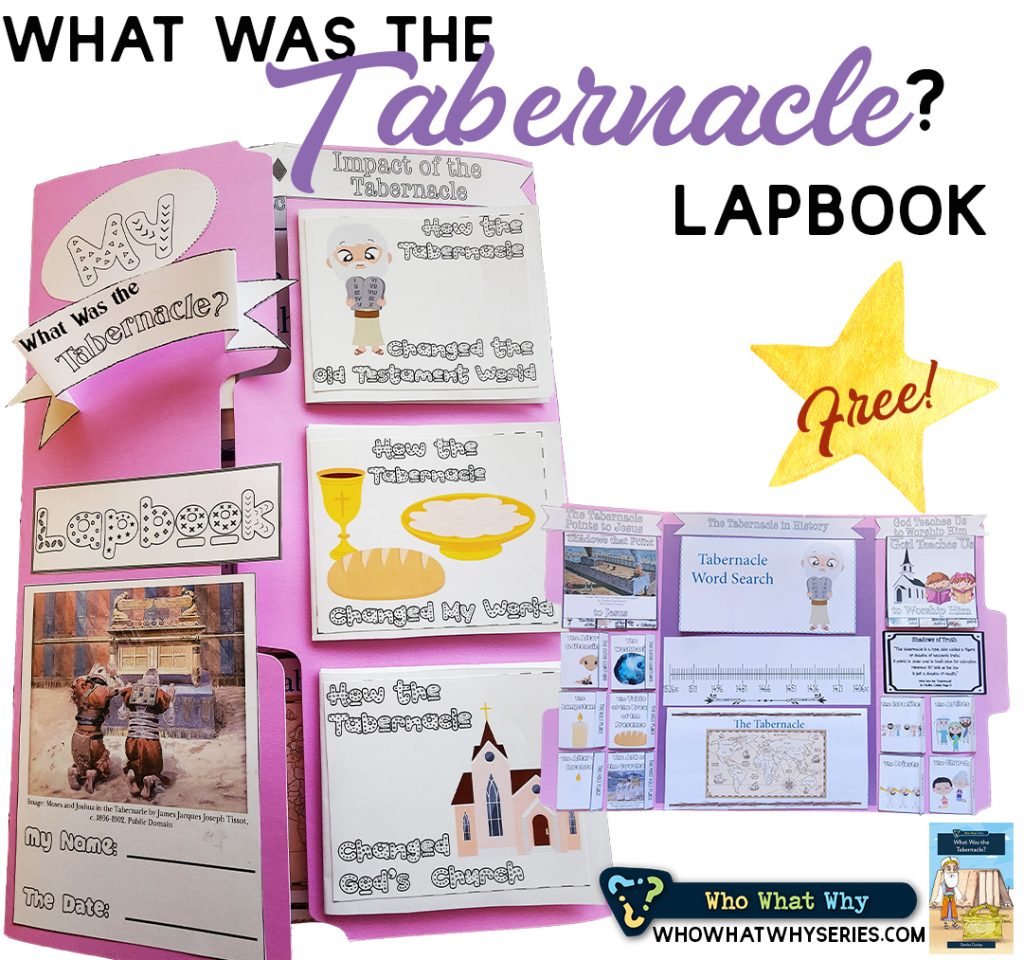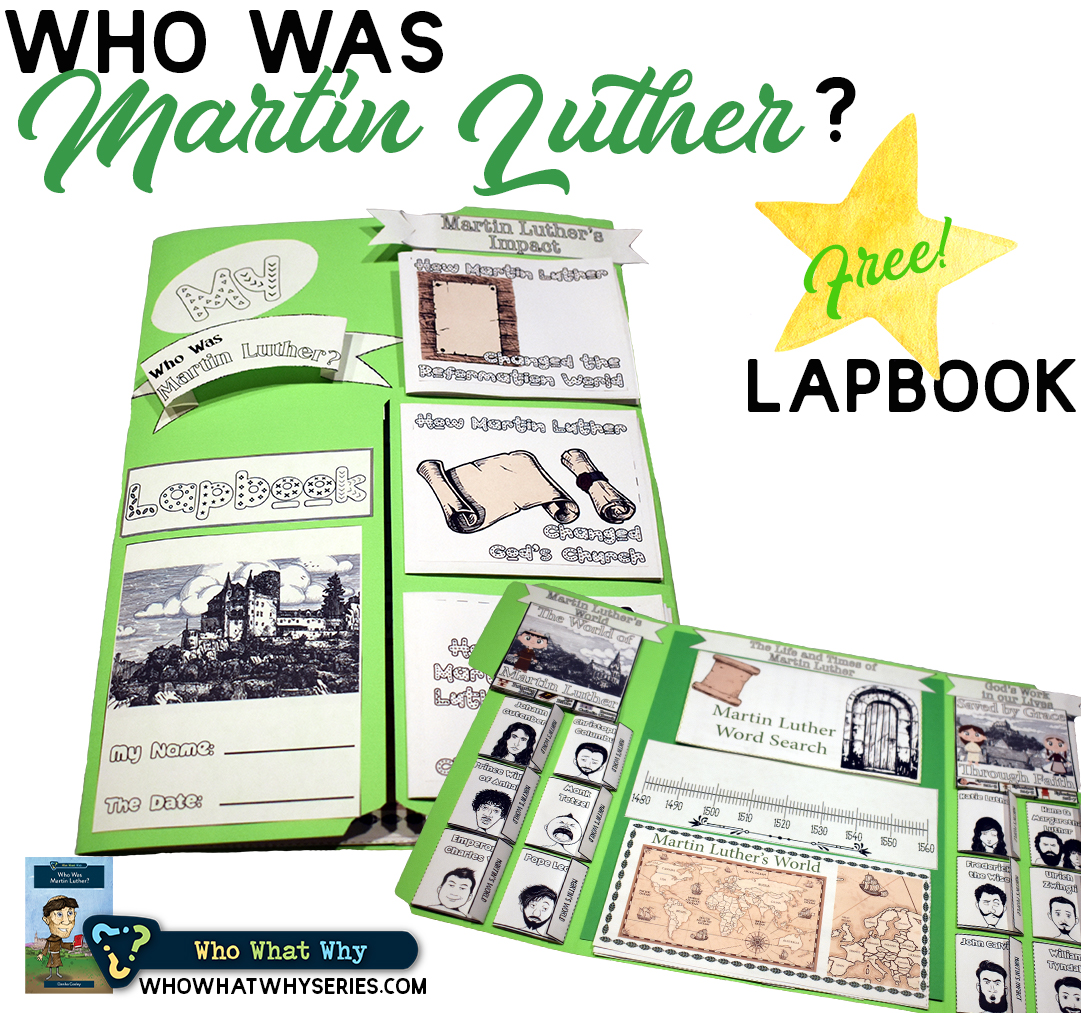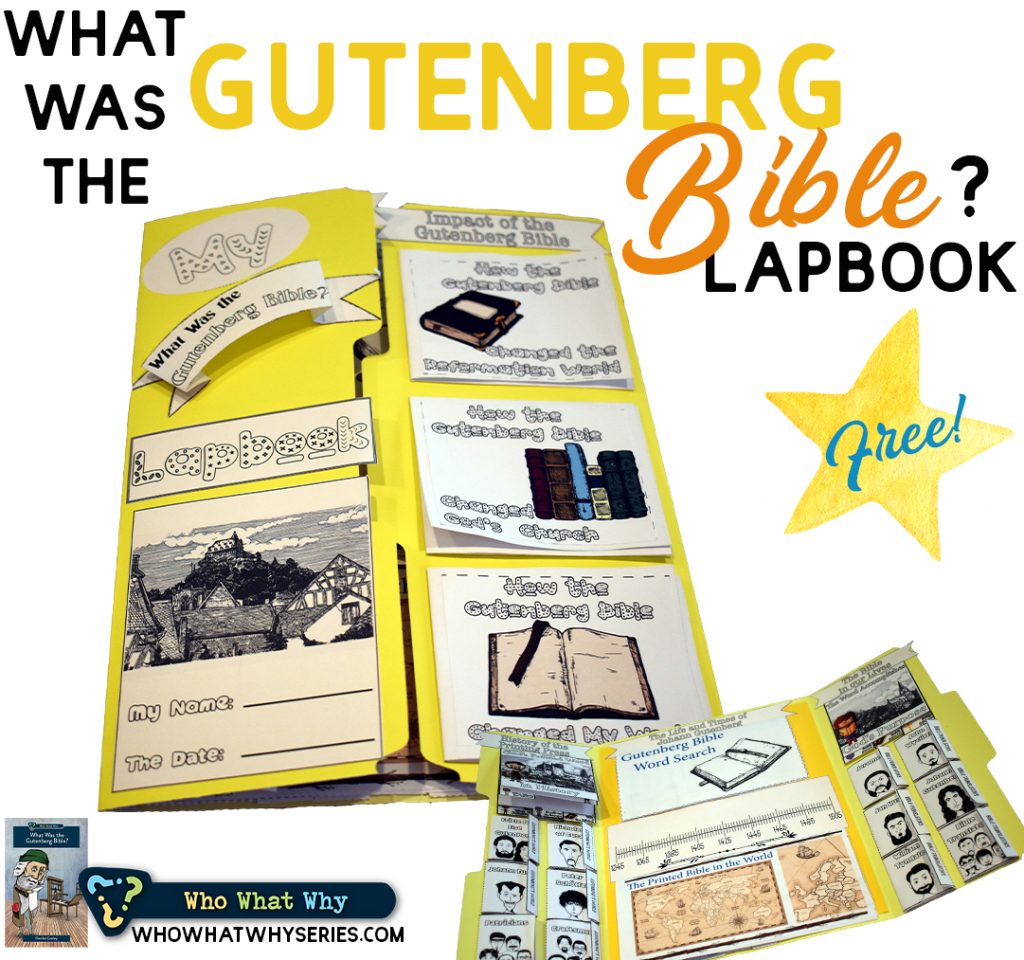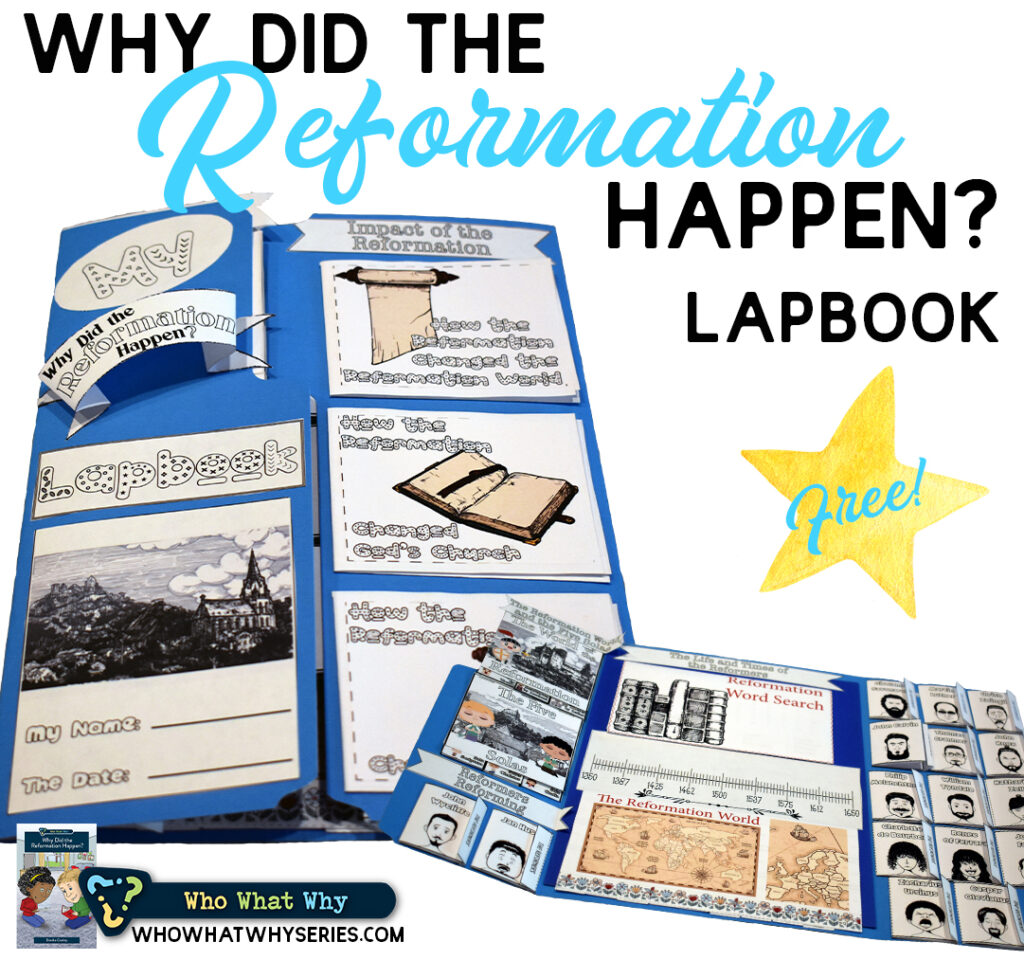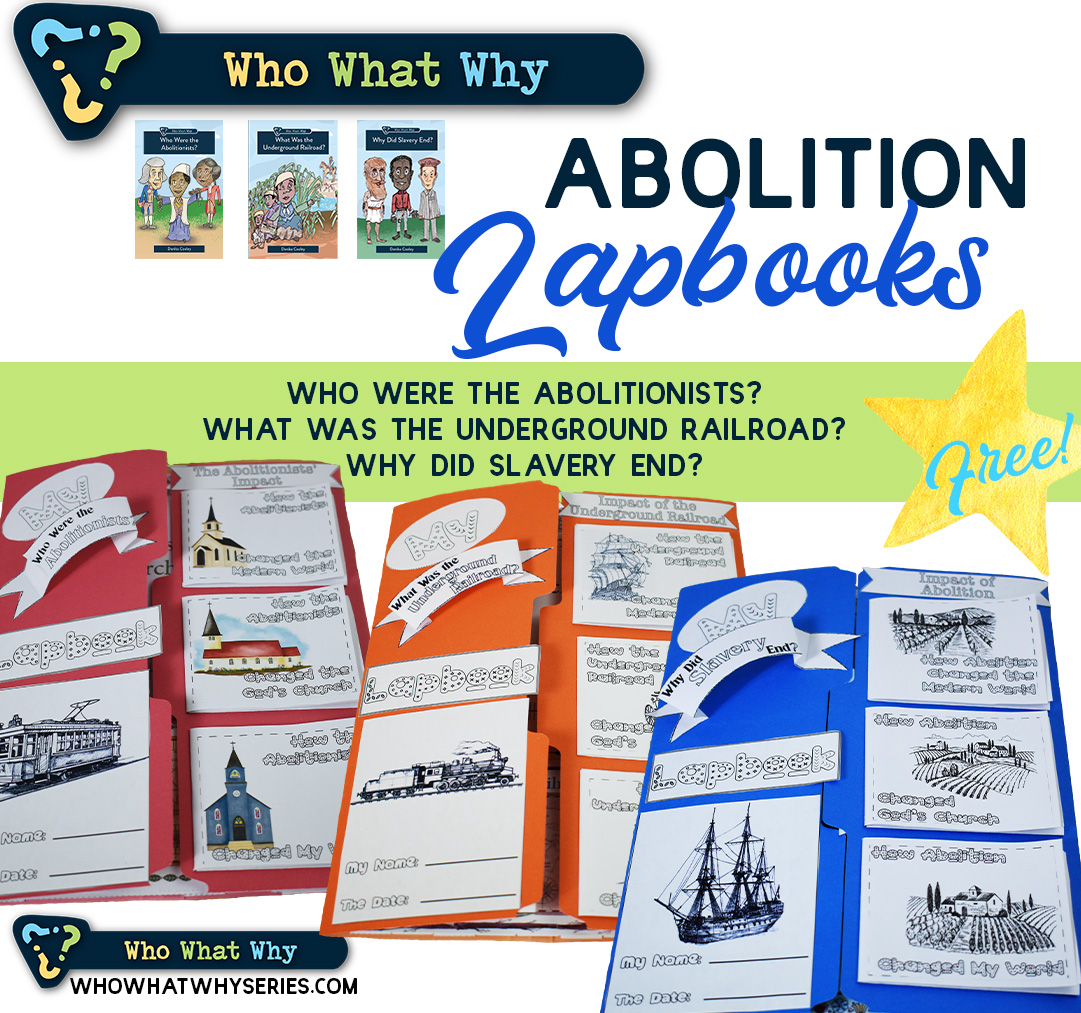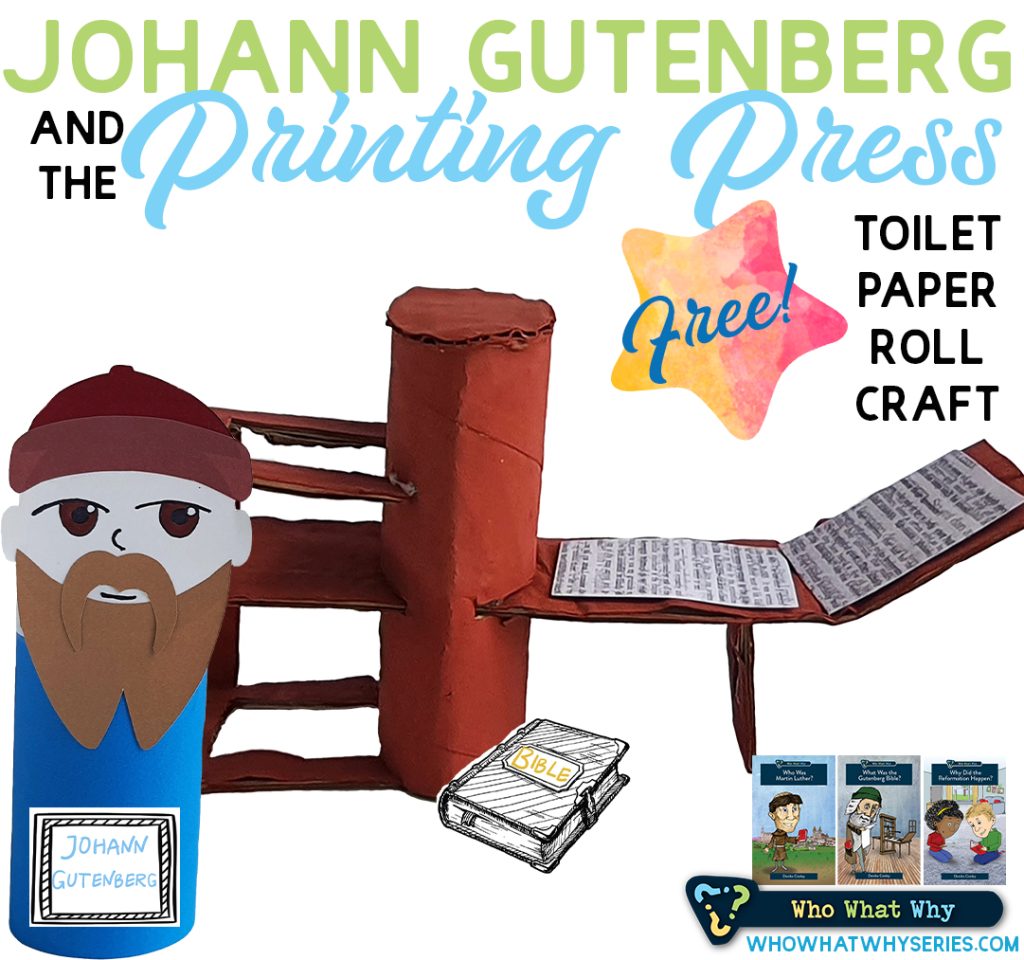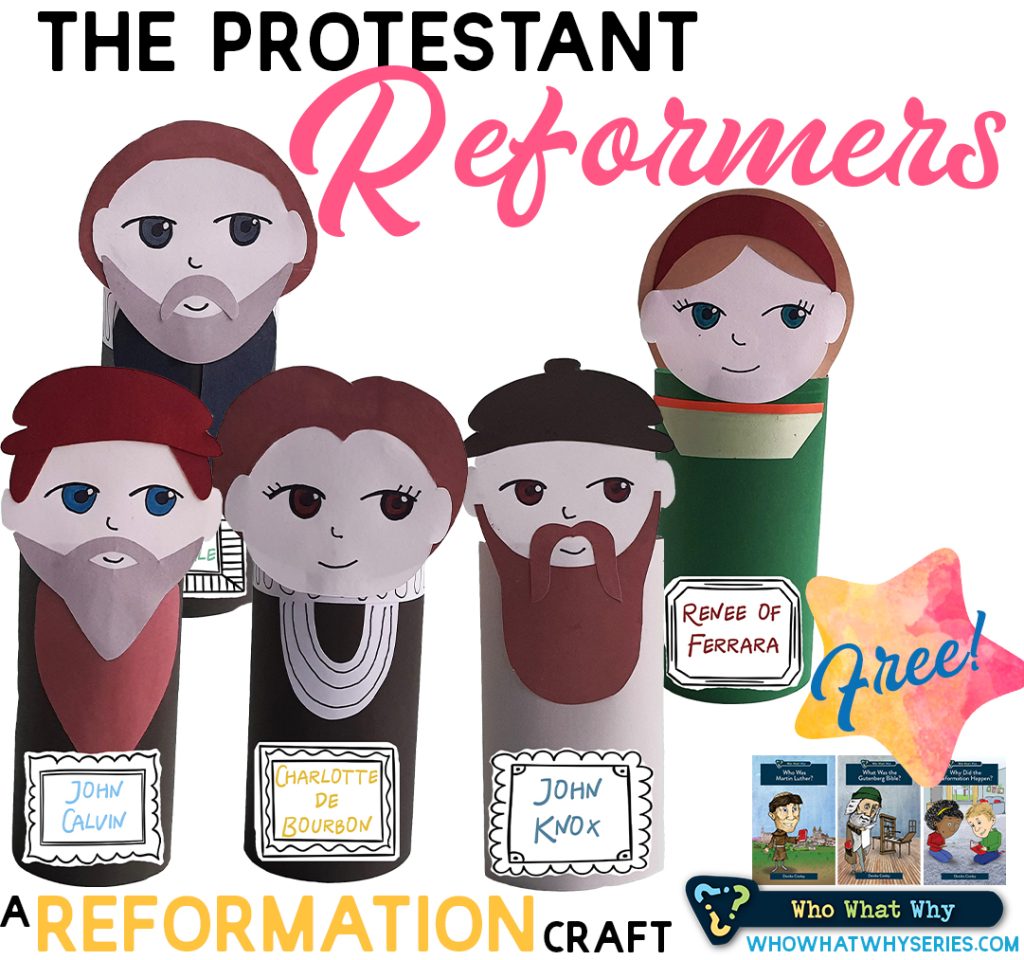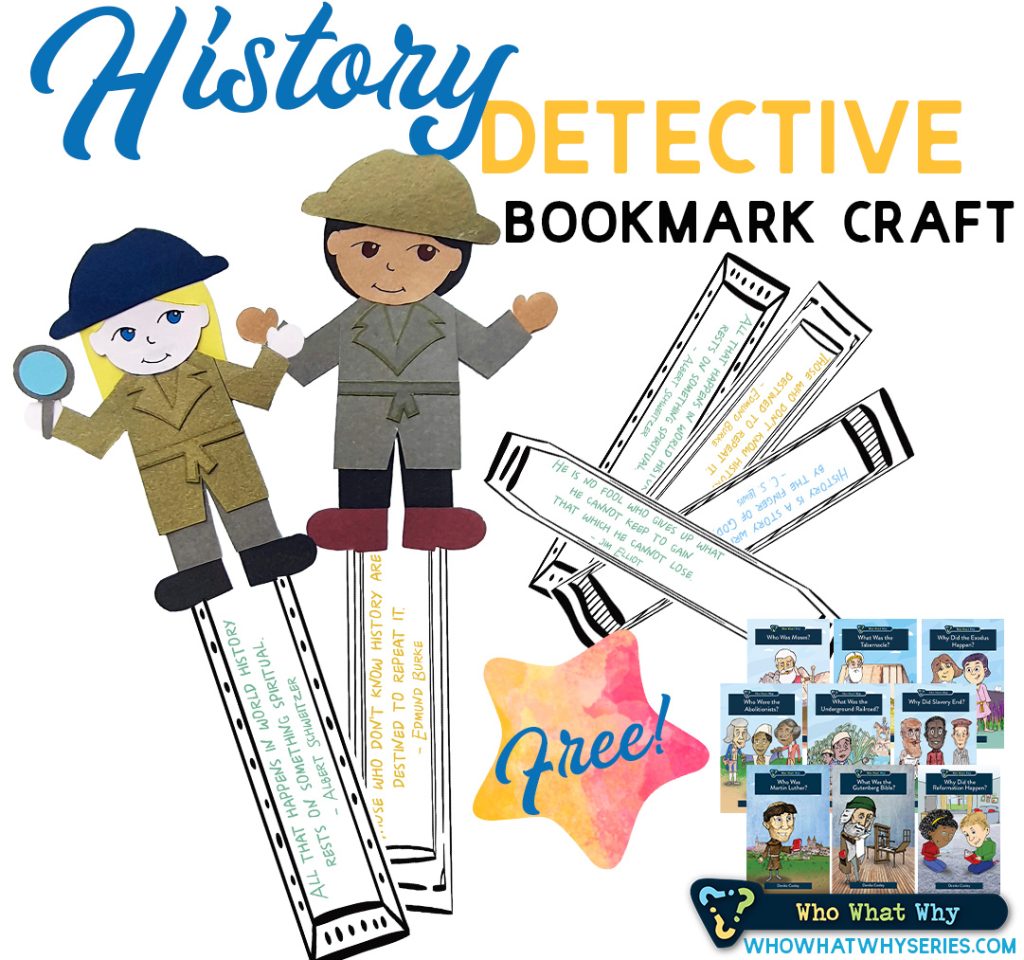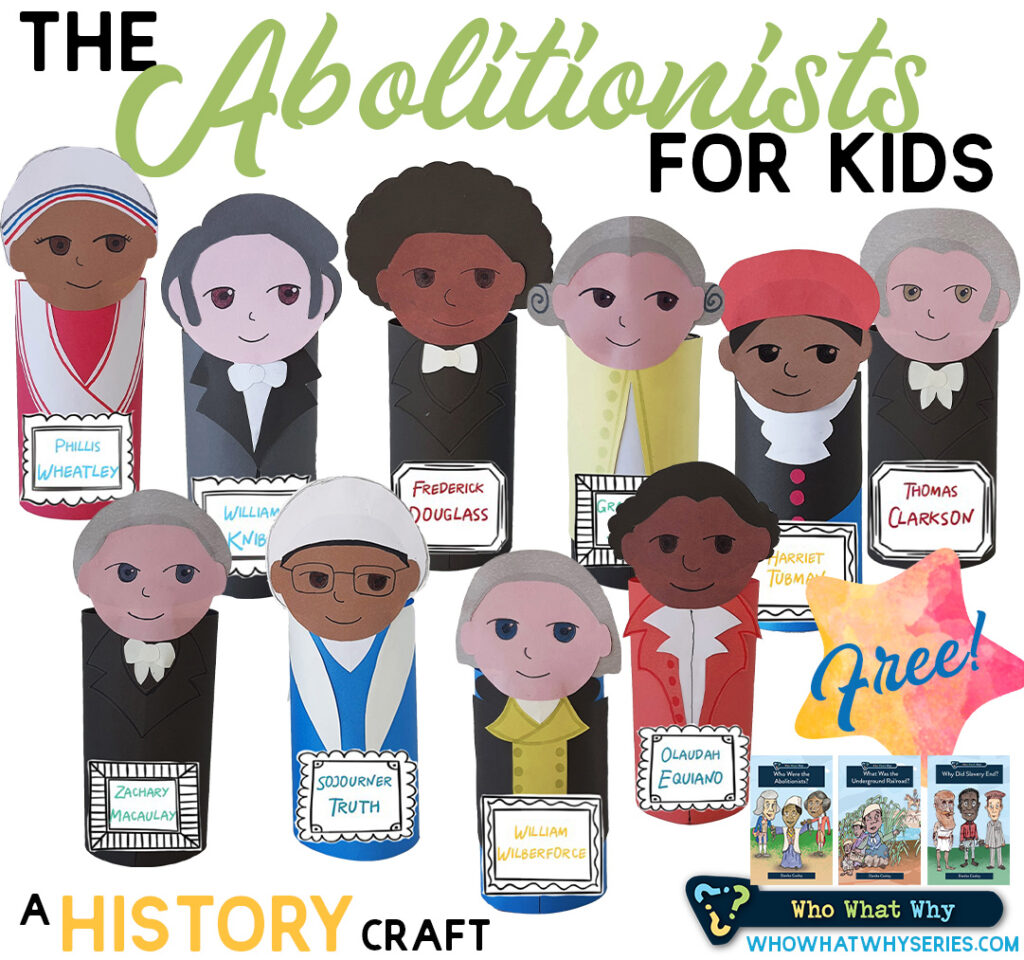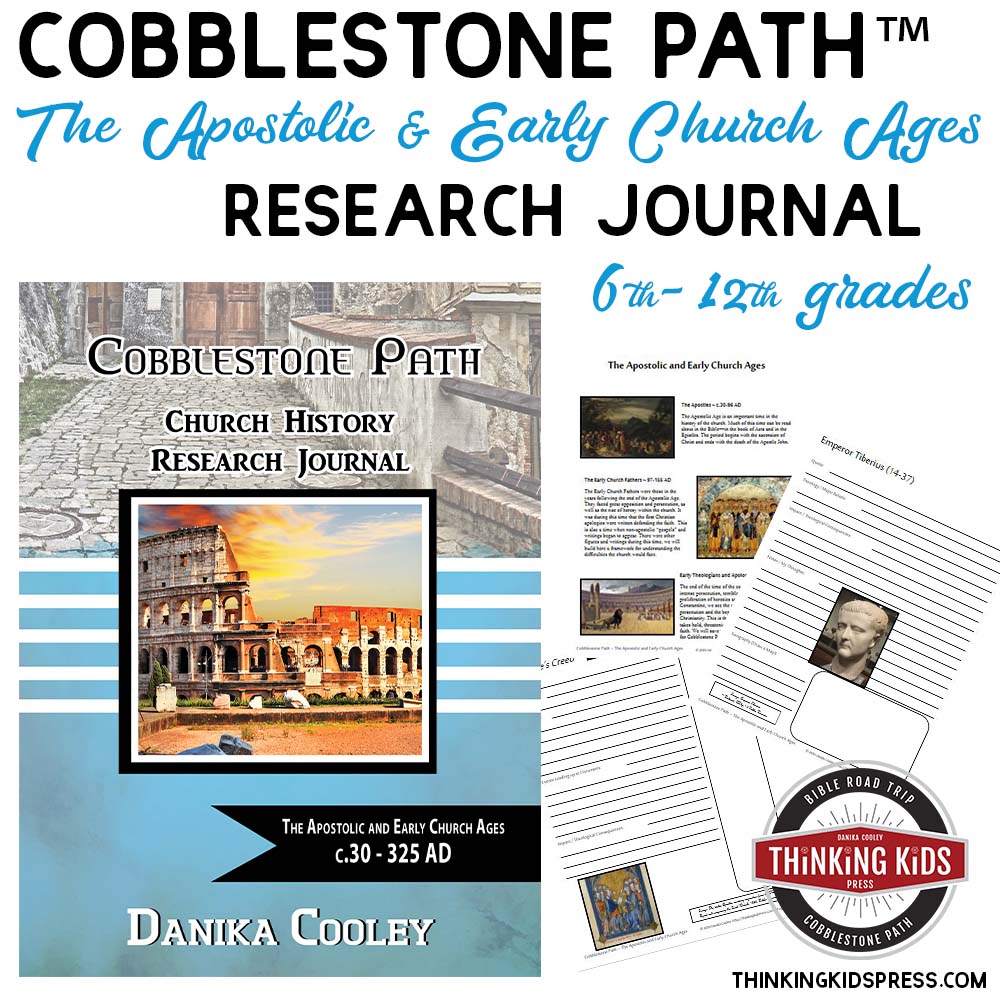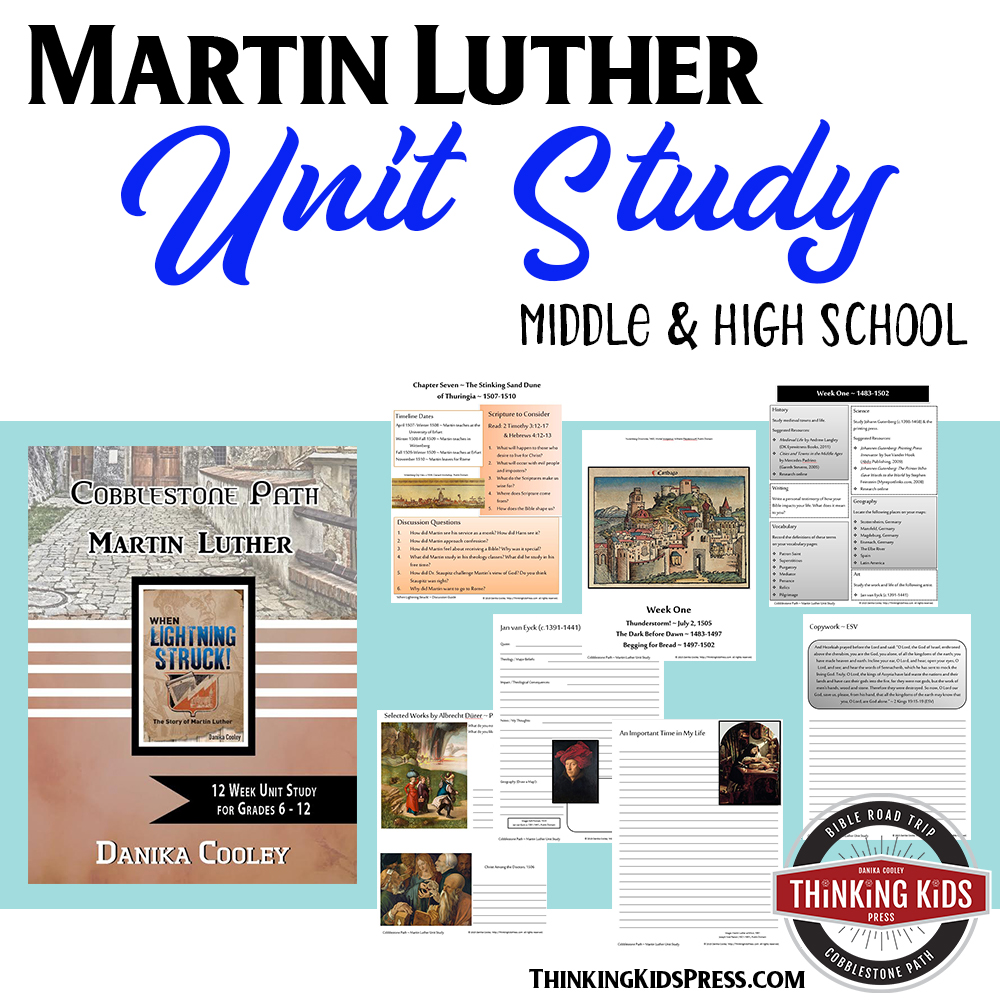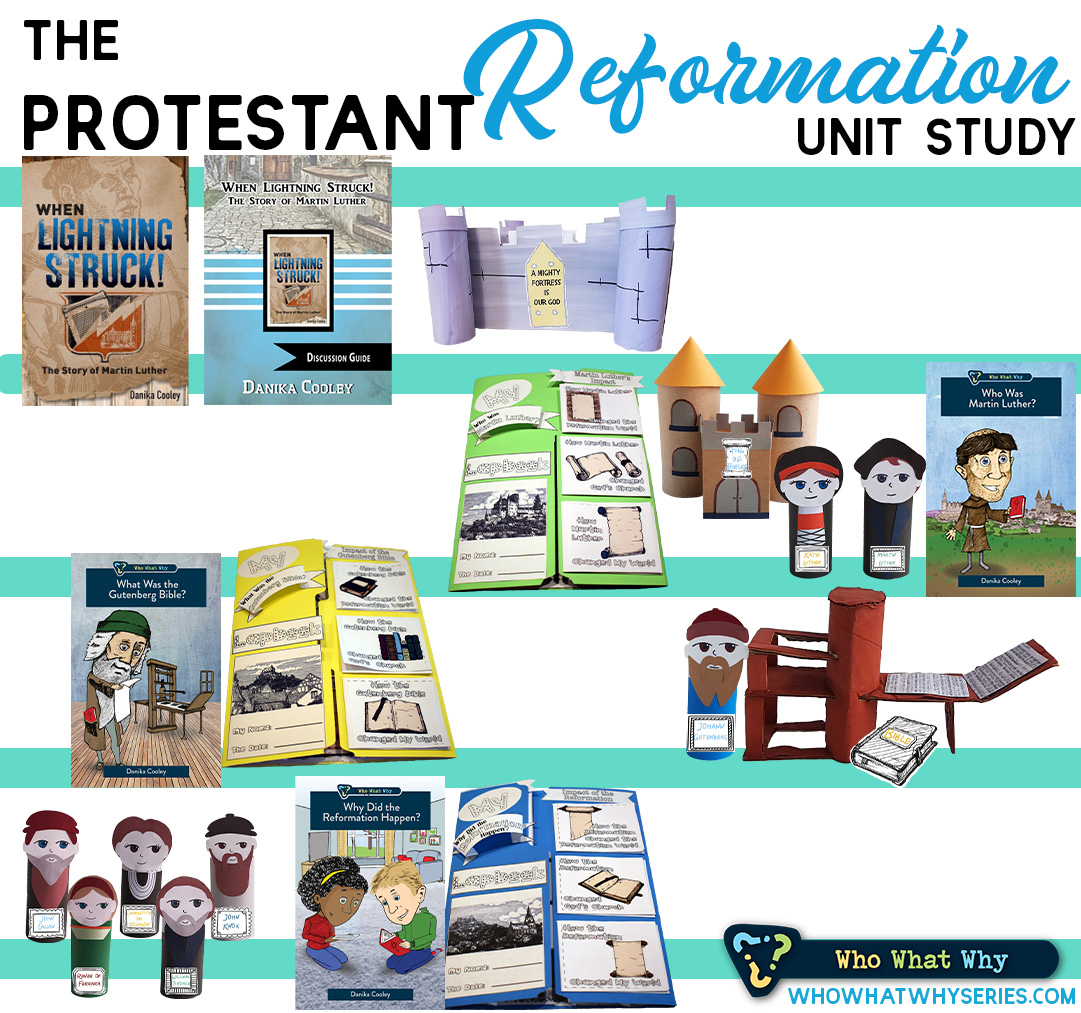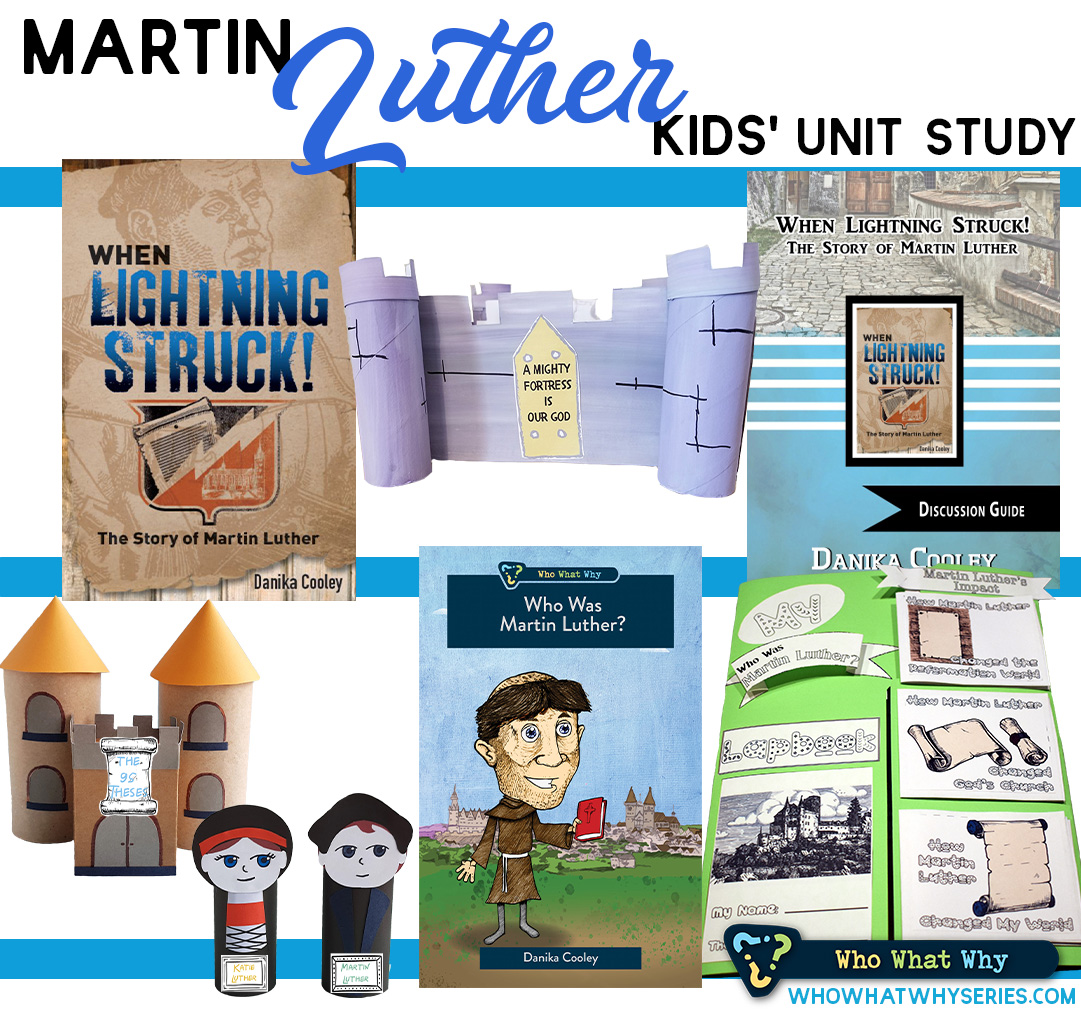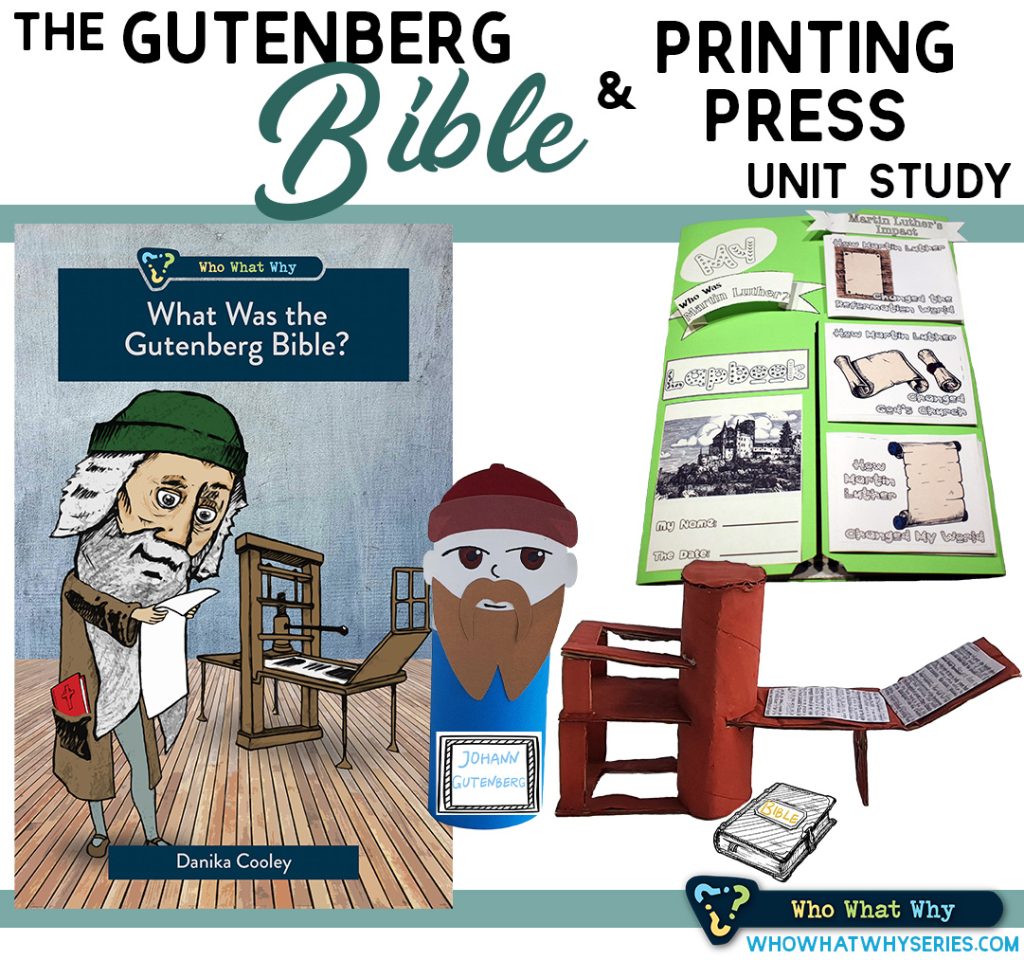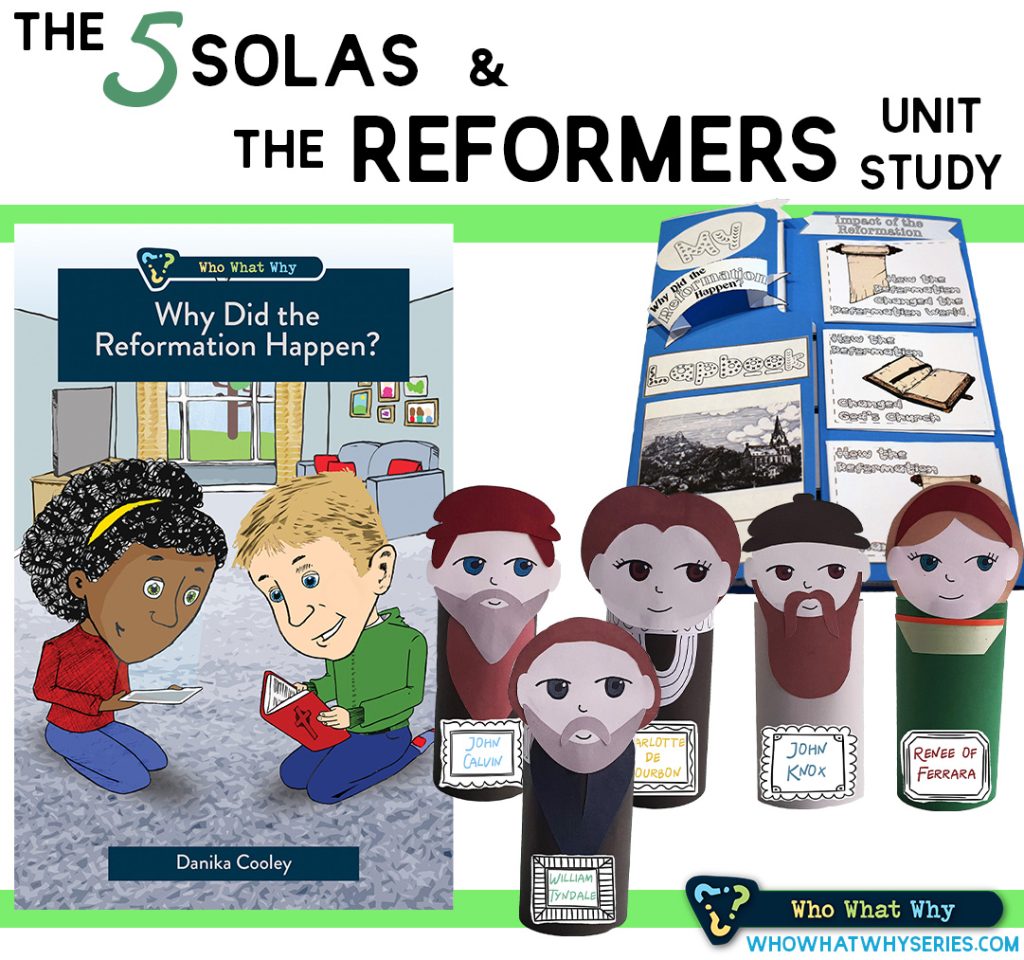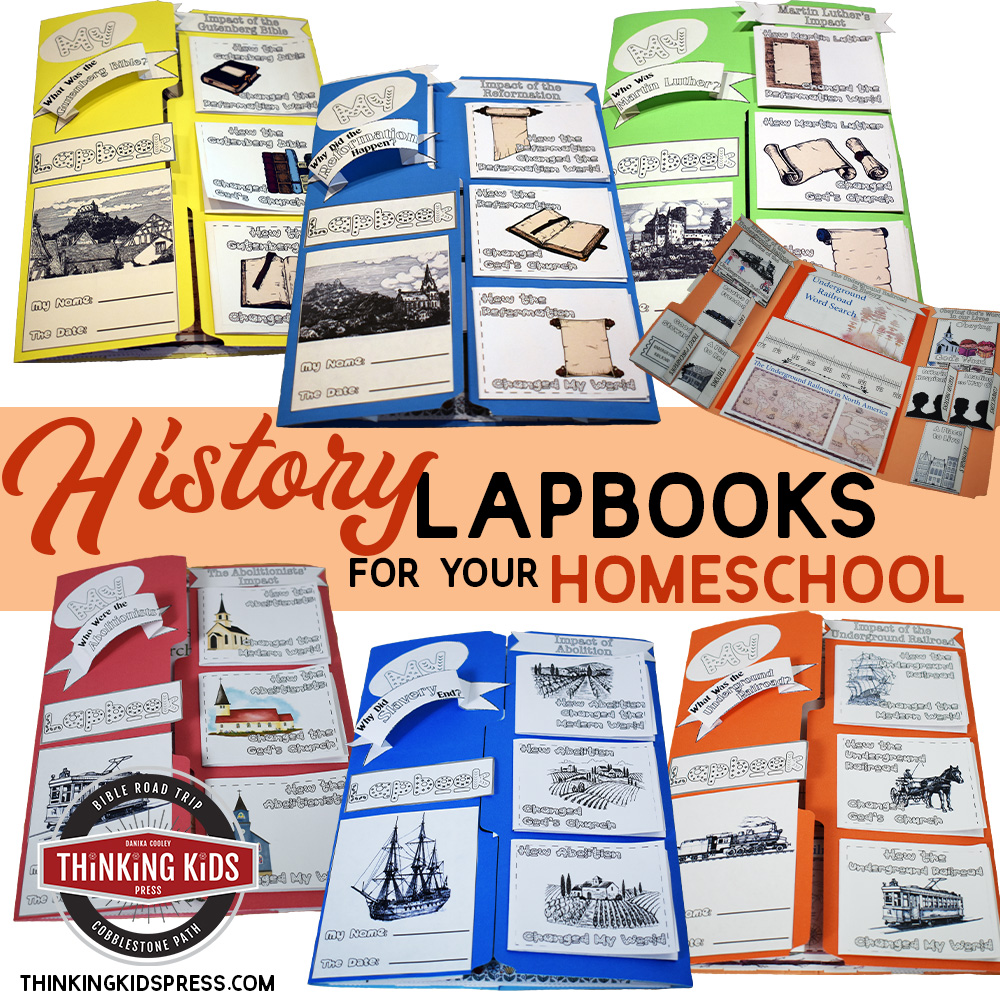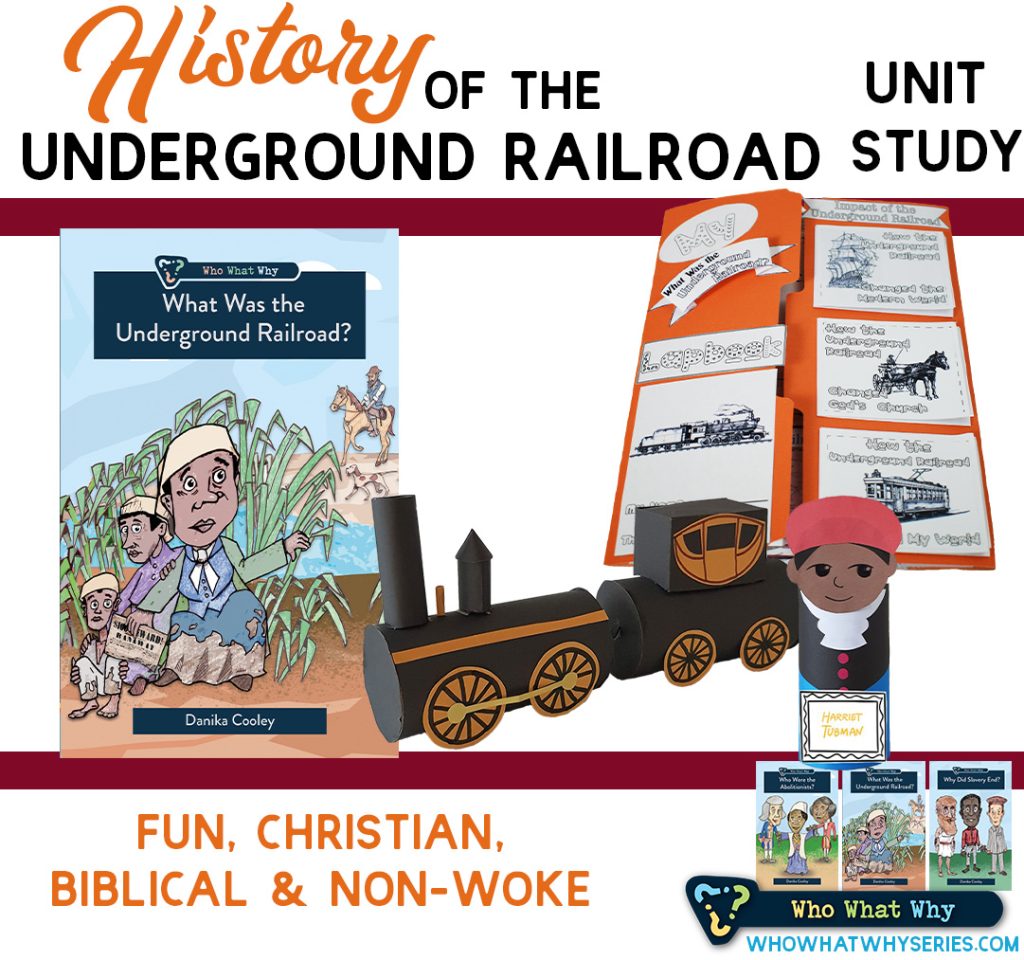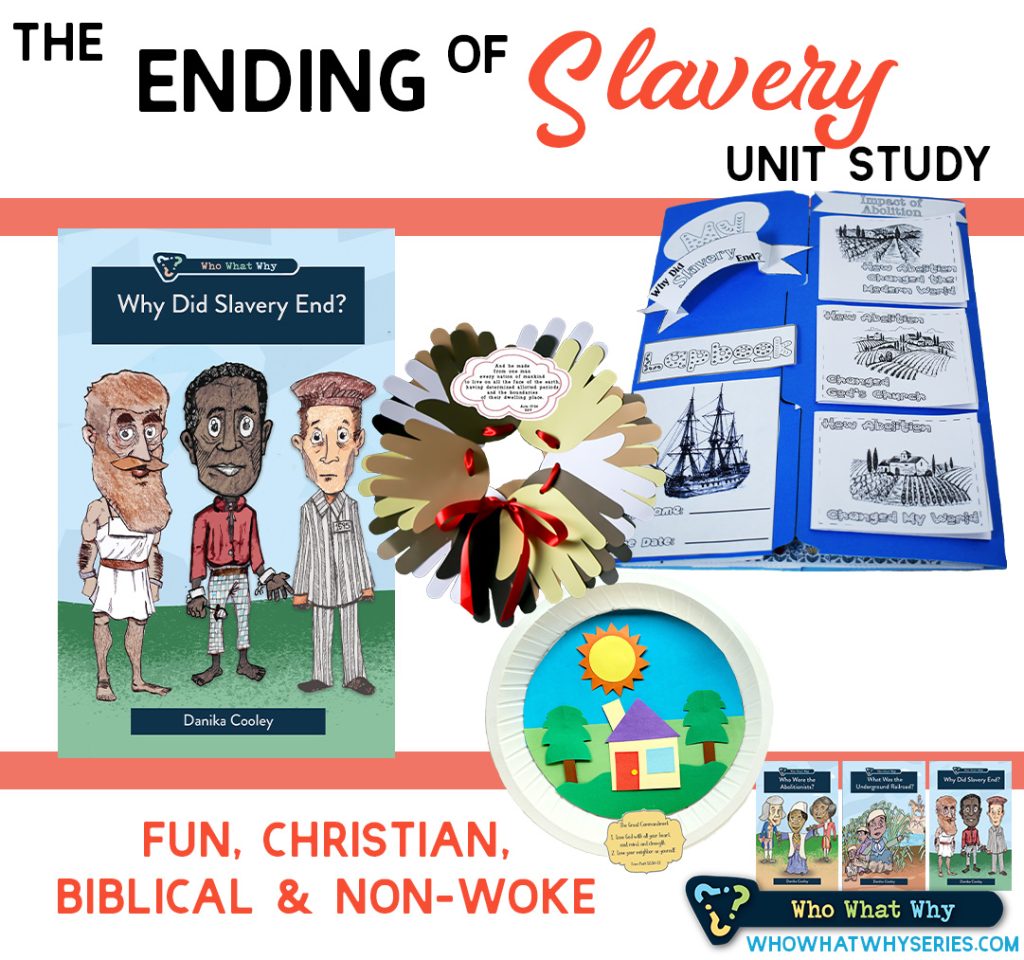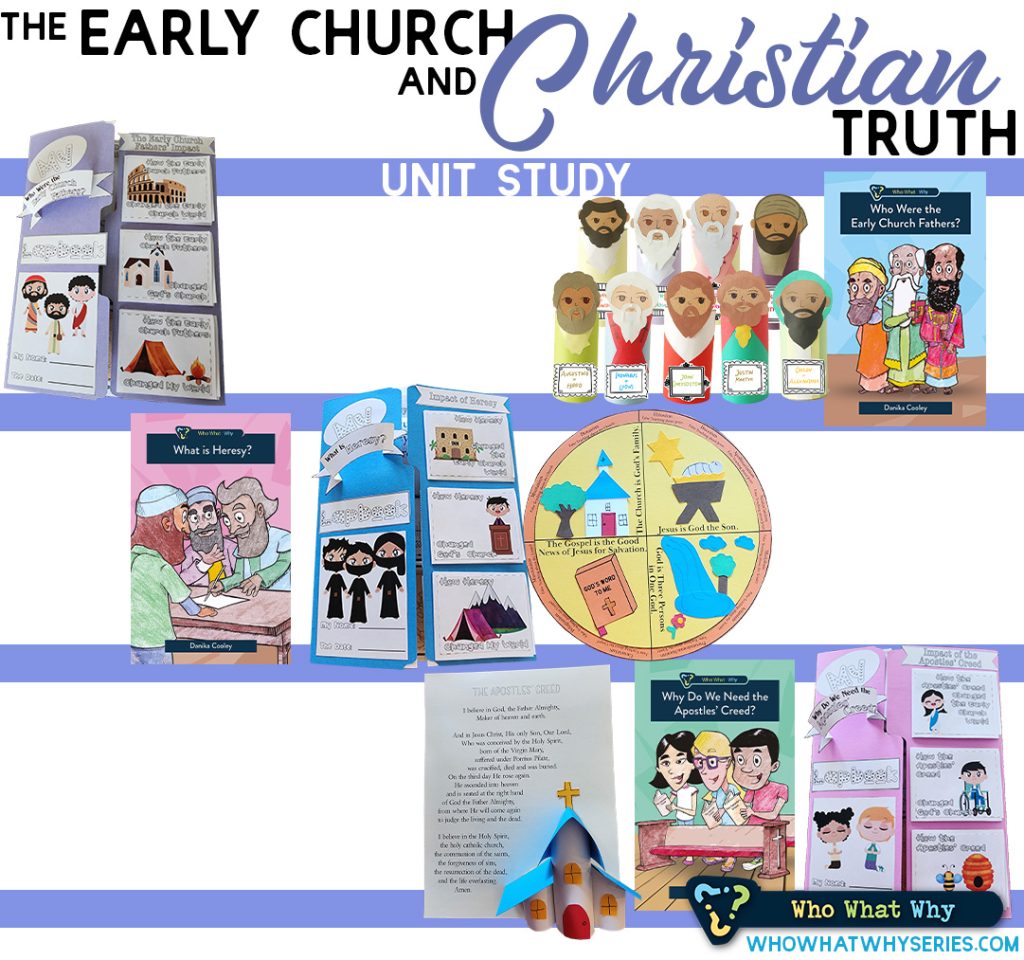

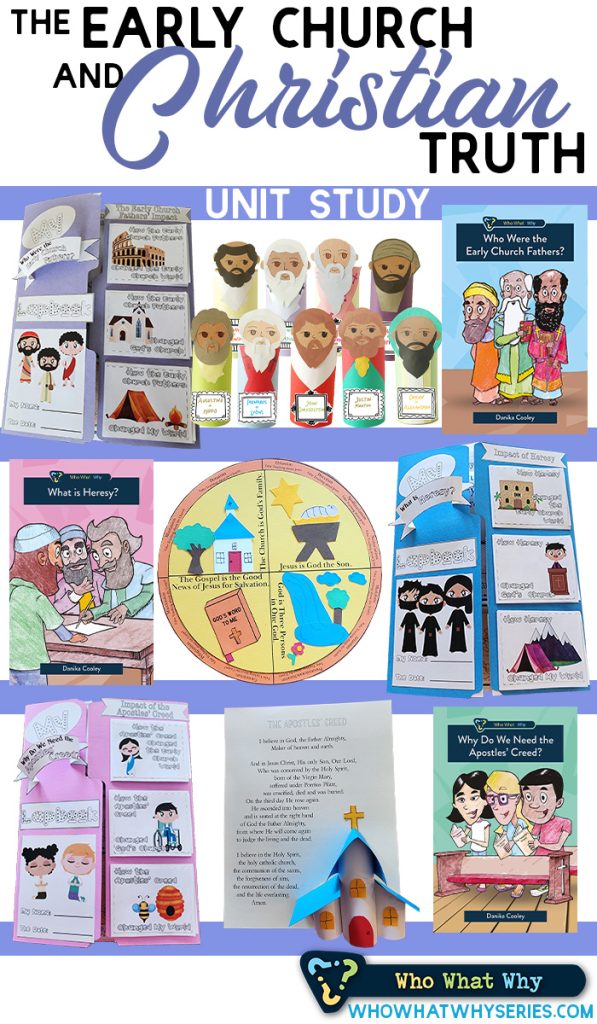
Unit studies usually include one or more books on a subject, and a few interesting hands-on activities. As I write the Who What Why Christian history series, it has been my great joy to create these complementary unit studies, with free lapbooks and crafts, to go along with each set of books. As your children work on hands-on projects, it will help them truly learn the material they’ve read about in the narrative biographies, history, and theology books.
This Early Church biblical truth unit study includes three small, focused unit studies.
The Early Church
The age of the Early Church lasted from just after the death, resurrection and ascension of Jesus Christ in around 30 AD until the death of Augustine at the fall of Hippo in 430 AD.
During that four hundred year period, the gospel spread rapidly across the Mediterranean world, throughout much of Western and Eastern Europe, Northern Africa, and the Middle East. As God’s Church grew, believers faced periodic persecution and the destructive teaching of heretics. Faithful Christians worked together to summarize and explain the truth of God’s Word.
While the history of the Early Church period seems hazy for many Christians today, it was a vital time for the definition and defense of biblical truth. The Early Church Fathers were Bible teachers and theologians who worked to defend the faith through writing and preaching. Thousands of Church leaders from across the Mediterranean world met together over the centuries in ecumenical councils to agree upon creeds, confessions, and definitions of our faith, holding teachings up to the scrutiny of God’s inspired Word.
We don’t want the history of our faith to be cloudy for our kids. That leaves them open to destructive ideas and teachings later in their lives. Instead, we want them to understand the history of God’s Church. It is vital that they recognize the work of faithful Christians who were determined to defend and teach biblical truth. We also want them to be able to recognize the false teachings that attacked God’s truth. These teachings continue to reoccur throughout Church history, and are repackaged as new ideas even today.
This unit study on the Early Church and Christian Truth gives you an easy, hands-on way to teach your kids about:
- The lives and work of the Early Church Fathers
- The important theological decisions of the ecumenical councils that all true Christians hold to today
- Four vital biblical truths and twelve early heresies that attacked those truths
- Our earliest summary and confession of our faith, the Apostles’ Creed
- God’s hand in history and in the lives of individual believers.
When we teach our kids about Christian history, we equip them to identify and understand present-day assaults on the truth taught to us in God’s Word.

A Unit Study about Early Church History and Biblical Truth
Teaching history selectively, and without looking through the lens of Scripture, can be damaging to our children.
We want our kids to learn about what actually happened in history, but we also want them to know what God’s Word says about the ideas, decisions, and actions that brought about major historical and theological events. The Bible should be a part of your child’s every day language and worldview. That is the whole point of the Who What Why series. It is not enough to teach our kids about what went wrong and right in the distant past. We want them to be able to identify why it was wrong or right.
That truth needs to be taught in a kid-friendly, fun way.
There is a sudden swing among young people today to “return” to the roots of their faith. While this impulse for deeper theological truth and tradition is good, many are falling into the “messy middle” of Christian history. We are seeing many in their twenties and thirties joining theological traditions that arose and were defined during the Middle Ages. (For a clear explanation of that history, be sure to grab What Was the Medieval Church?.) During the Reformation, we saw a return to clear biblical teaching and a desire to examine Scripture and the work of the Early Church Fathers. Today, however, we are witnessing a return to a time of tradition and confusion, with religion that adds to God’s Word and obscures God’s clear commands for his followers.
On the other hand, many young people are pursuing heretical teachings that lie far outside the bounds of Scripture. In their search for spirituality, they are falling into paganism, occult practices, or pseudo-Christianity. The old heresies are dressed up in new clothes, parading through the world our children live in.
Christian history and theology are important. We want to teach our kids:
- What God’s Word says
- How God used his people to contend for the Christian faith, as the Holy Spirit outlined it for us in God’s Word
- How we can respond today to those who would malign the truth of who God is, who Jesus is and the work he did for believers, the gospel message, and the role of God’s Church.
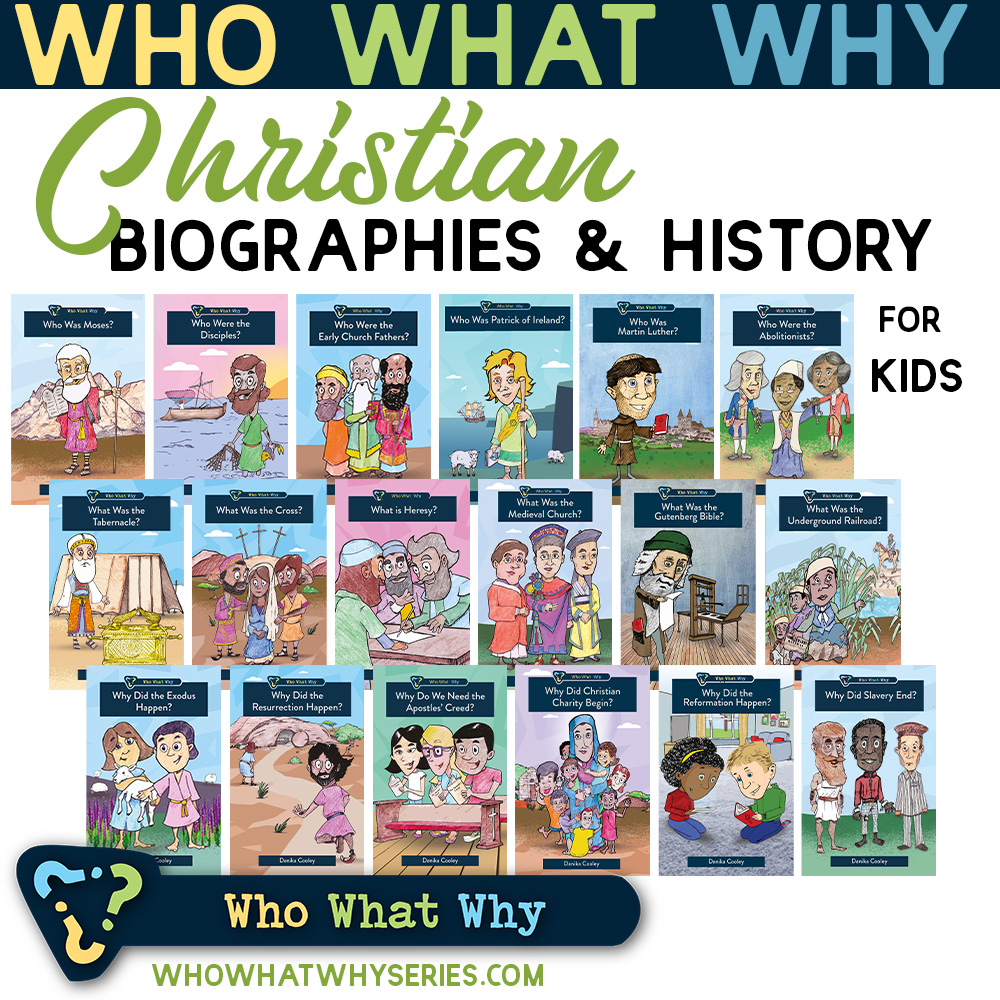
The Who What Why Christian history series approaches important history through the lens of Scripture. Your kids will be able to apply what they learn to their lives today. You can prepare them to know and contend for their Christian faith.
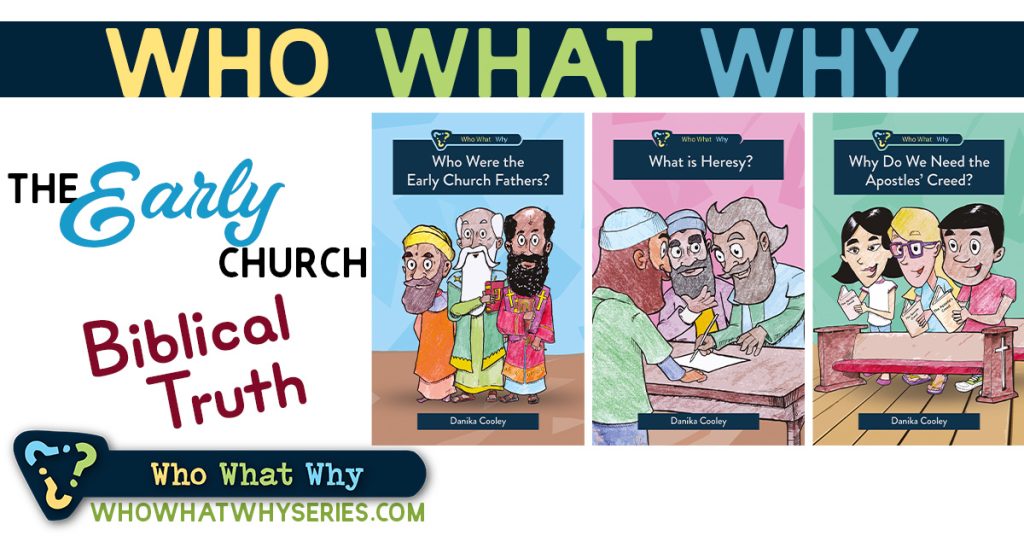 You can get all three Who What Why | Biblical Truth | Early Church books in a bundle (and save!) over at Thinking Kids Press.
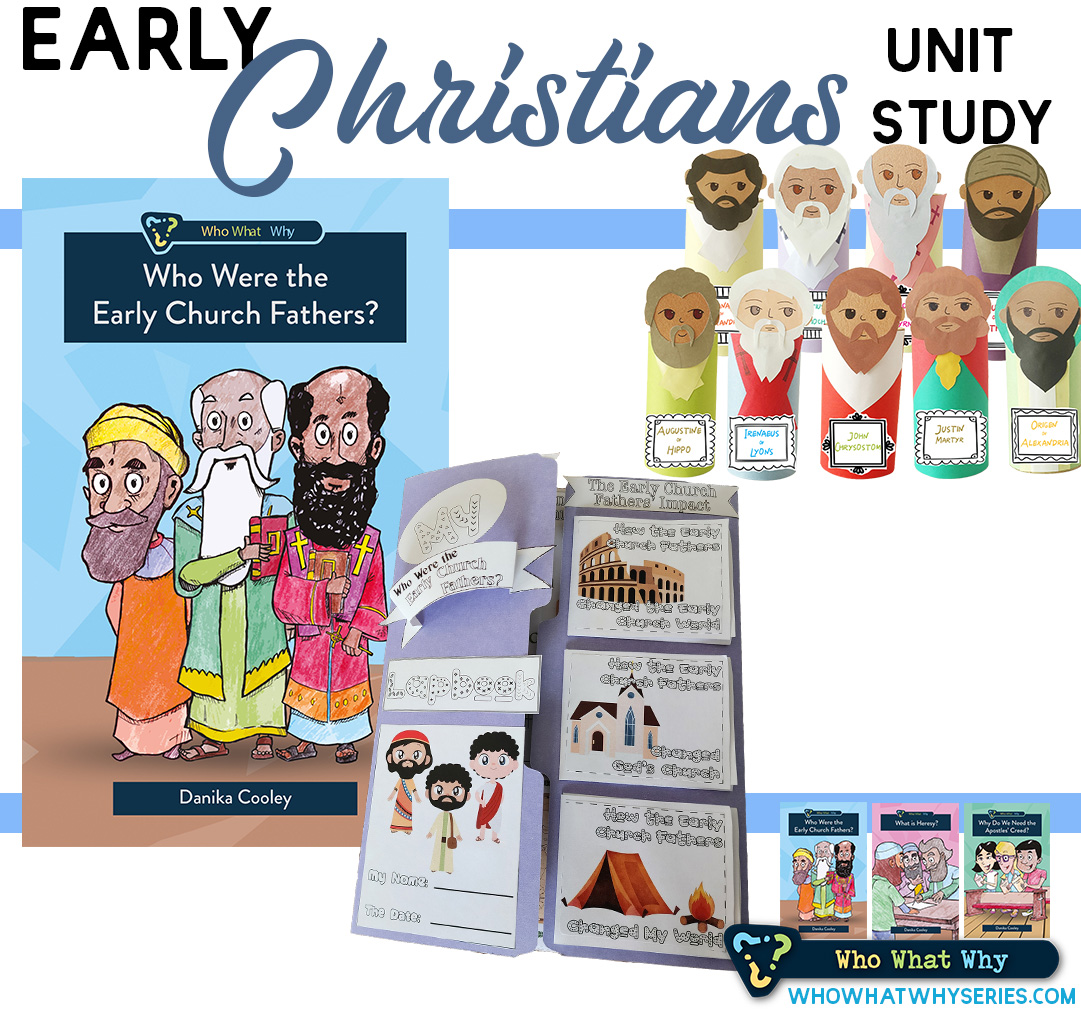
The Early Church Fathers Who Defended the Faith
The Early Church Fathers were heroes who fought for and defended the truth found in God’s Word. These faithful men used their words–and their lives–to destroy arguments and lofty opinions, taking their thoughts captive to obey Christ. Today, we still use their definitions and explanations to better understand the knowledge of God as he has provided it to us in his Word.
Your kids will study the lives of nine important Early Church Fathers:
- Ignatius of Antioch (c. 50 – c. 110)
- Polycarp of Smyrna (c. 70 – c. 156)
- Justin Martyr (c. 100 – c. 165)
- Irenaeus of Lyons (130-202)
- Tertullian of Carthage (c. 160 – c. 220)
- Origen of Alexandria (c. 185-254)
- Athanasius of Alexandria (c. 300-373)
- John Chrysostom (347-407)
- Augustine of Hippo (354-430)


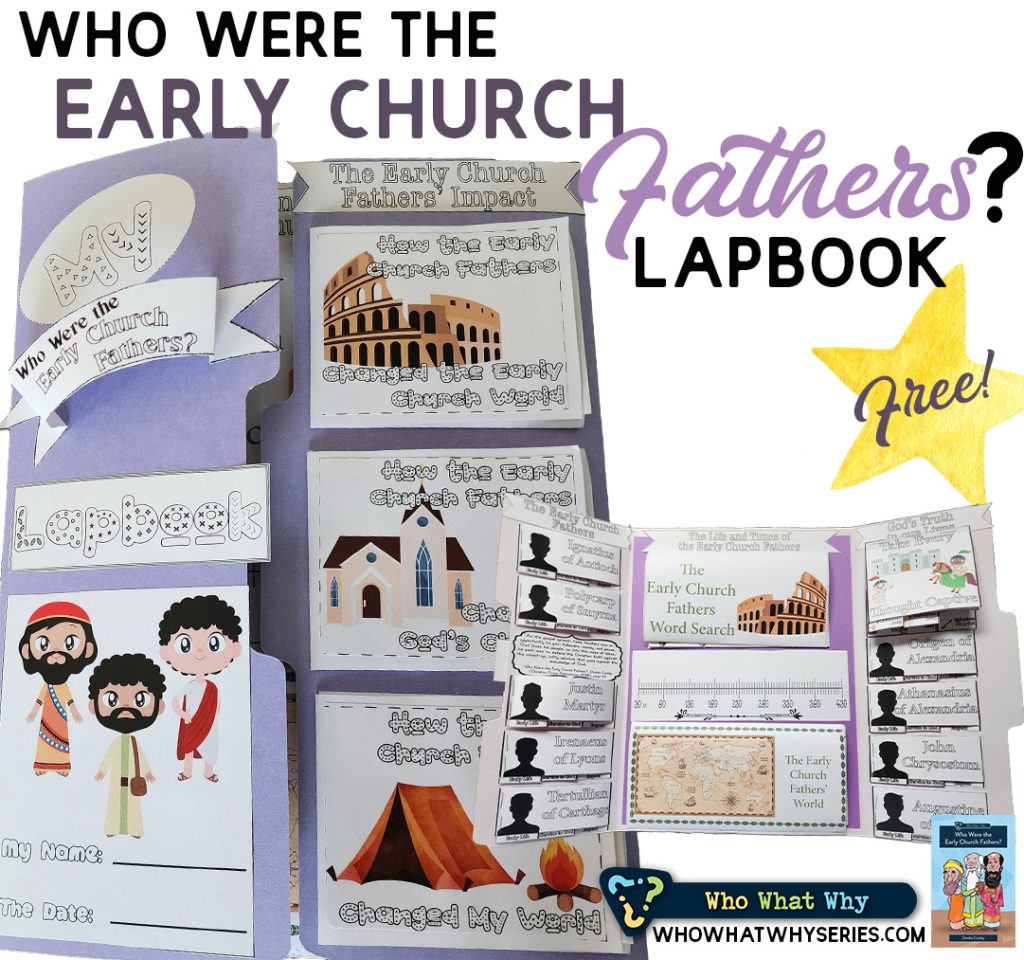
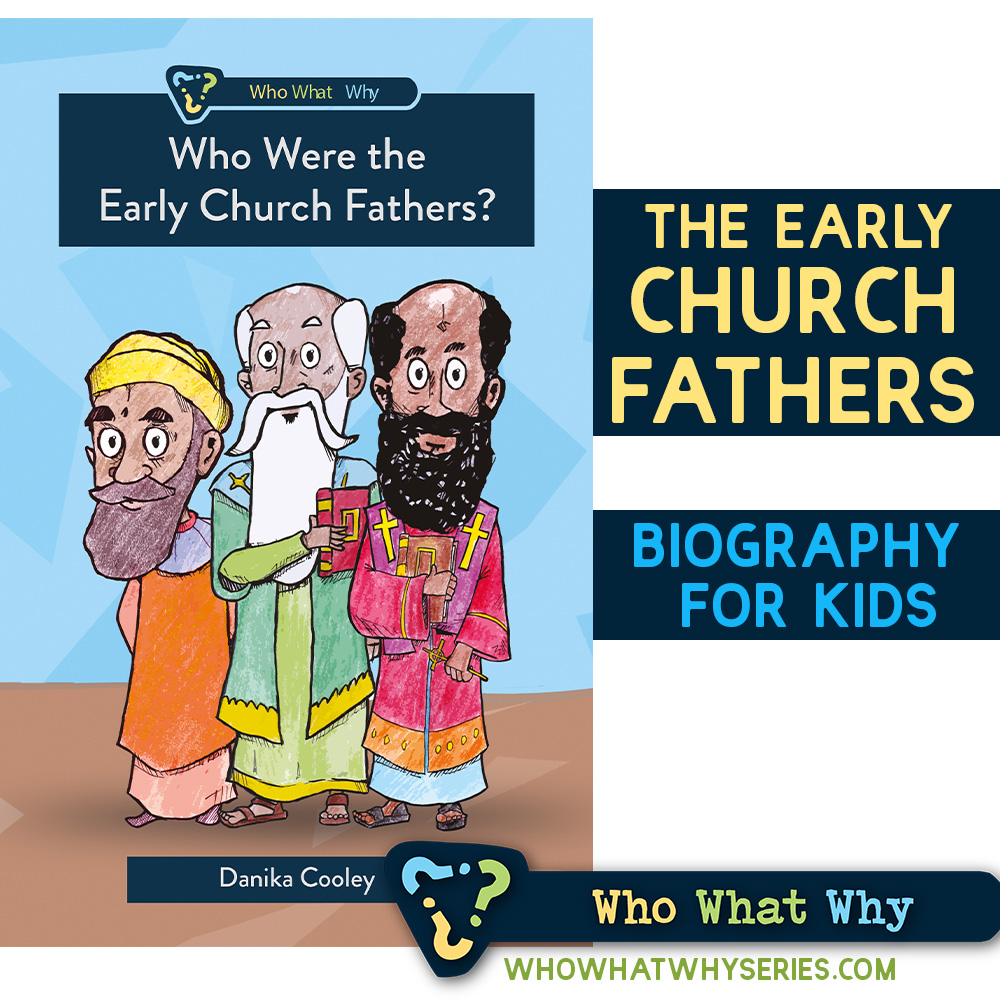
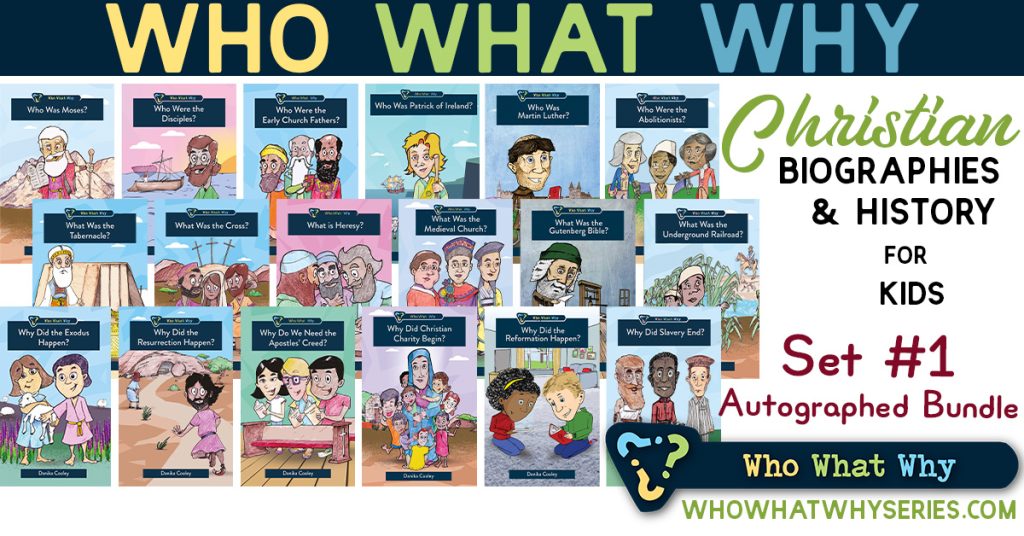
Your unit study on the Early Church Fathers includes a fun, 95-page biography, Who Were the Early Church Fathers?, with each chapter covering the life of one of nine influential Early Christians.
- Who Were the Early Church Fathers? by Danika Cooley | Who Were the Early Church Fathers? (Christian Focus Publications, 2026) shares the biographies of nine important Early Church Fathers from Western and Eastern Europe, Northern Africa, and the Middle East.
- You can also purchase Who Were the Early Church Fathers? from Thinking Kids Press. Or, purchase all three Who What Why | Early Church Biblical Truth books together in a bundle.
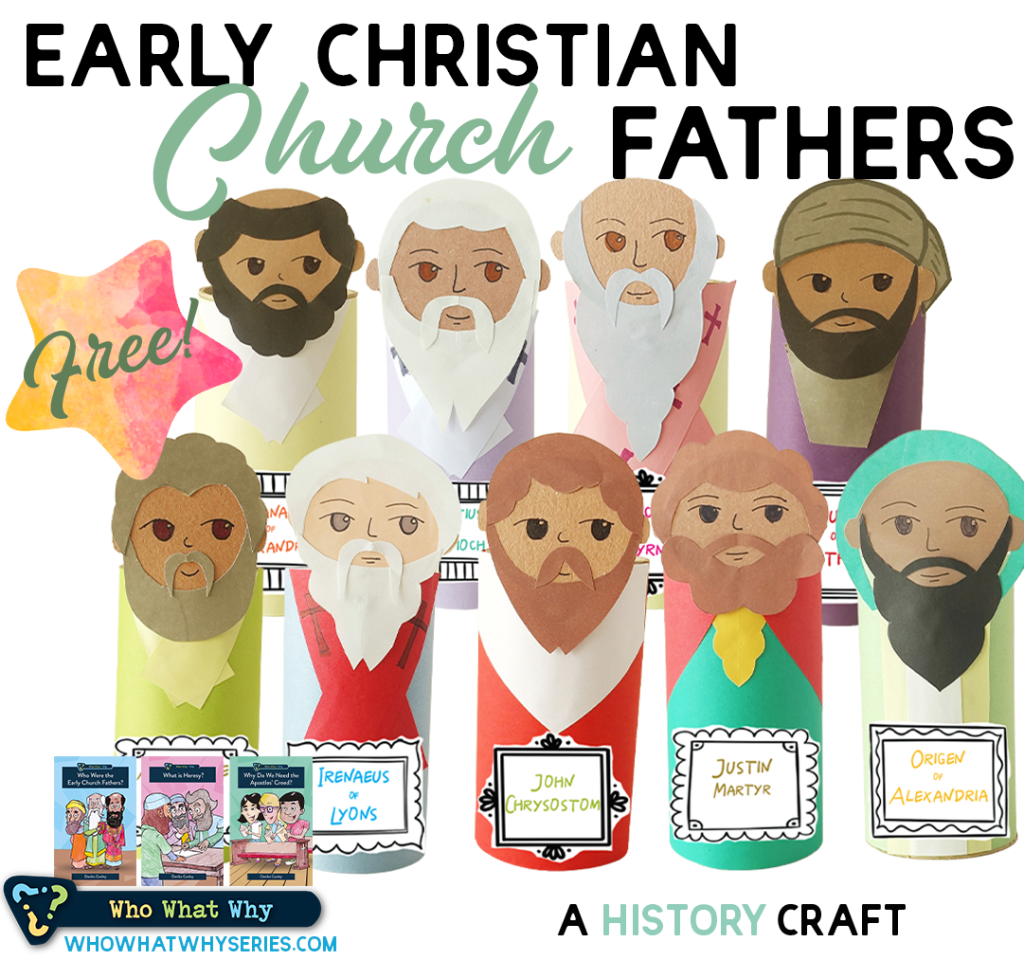
- The Early Christian Church Fathers History Craft | Based on actual representations of the historic people, your kids will create toilet paper roll busts of each of the nine Christian history figures they’ve studied. As they do, they’ll remember the stories of the important men who defended the Christian faith.
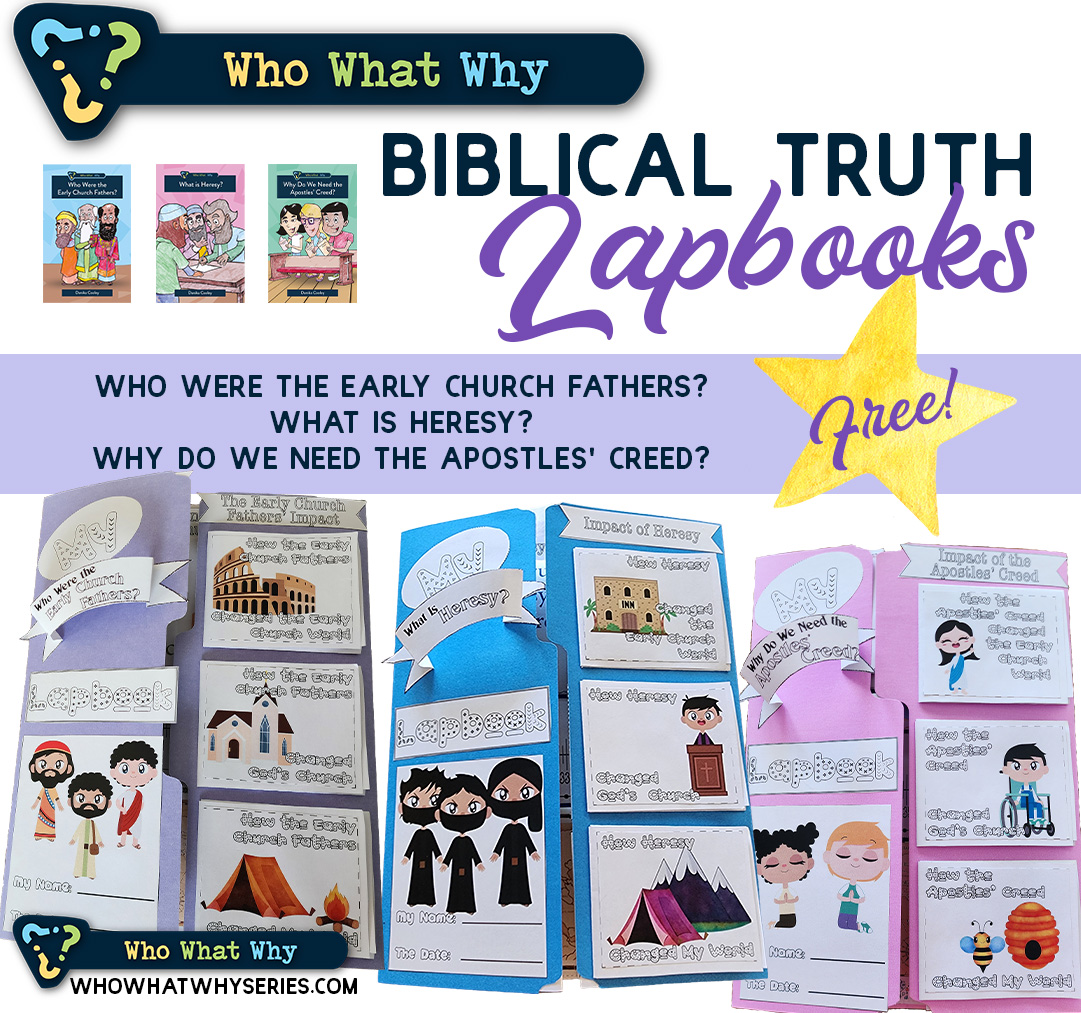
- Who Were the Early Church Fathers? Lapbook | The lapbook completes your unit study of the Early Church Fathers, allowing your kids to record what they’ve learned about:
- The impact of the Early Church Fathers on the Early Church world, on the Church, and on your child’s world.
- The Early world. Your child will learn about what it was like to live during the time of the Early Church.
- The people involved in each Christian history story.
- Biblical and historical vocabulary.
- The timeline of each story.
- The geography of each Early Church story.
- Theology: 2 Corinthians 10:3-6.
This hands-on study of how God used his people to teach and defend biblical truth.
Four Christian Truths Your Kids Need to Know
False teaching is insidious because at first examination, it can seem correct. After all, it usually includes some truth, and generally contains ideas that are appealing to our flesh.
Sound doctrine, on the other hand, is straight-up Bible truth. It is the teaching of God’s Word, summarized and outlined for us. By it we can examine the teachings of men and know whether they are true–or if they are lies. Scripture calls us to contend for the faith that was delivered to us in God’s Word, the Bible. It also calls out the ungodly heretics (false teachers) who have crept into the church, perverting the gospel and denying our Lord and Master, Jesus Christ. (See Jude 3-4).
In the time of the Early Church, heresy abounded. There were twelve main heresies that attacked four vital Bible truths. In this unit study, your kids will learn four important doctrines, the twelve historic lies that confronted God’s teaching to us, and the councils and teachers who fought against the twisting of Scripture.

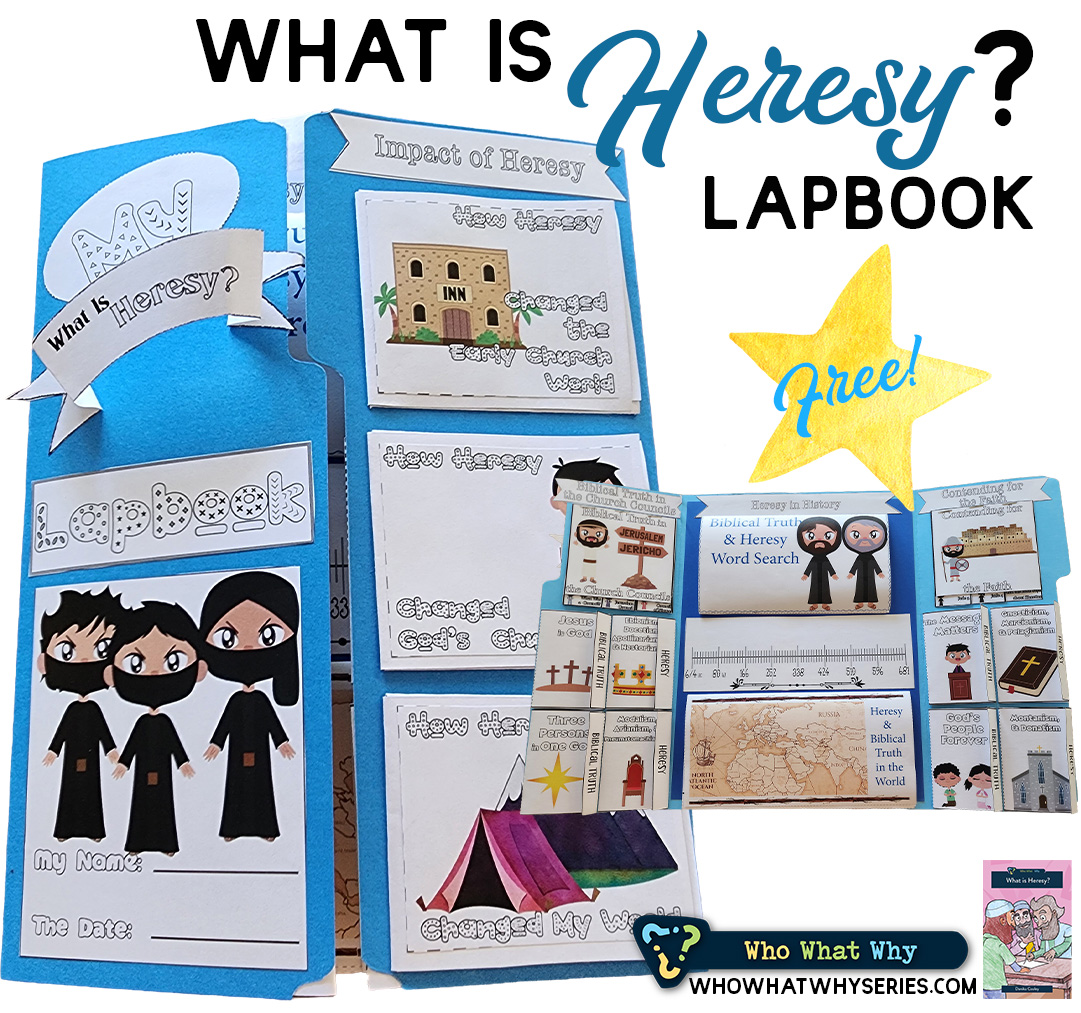
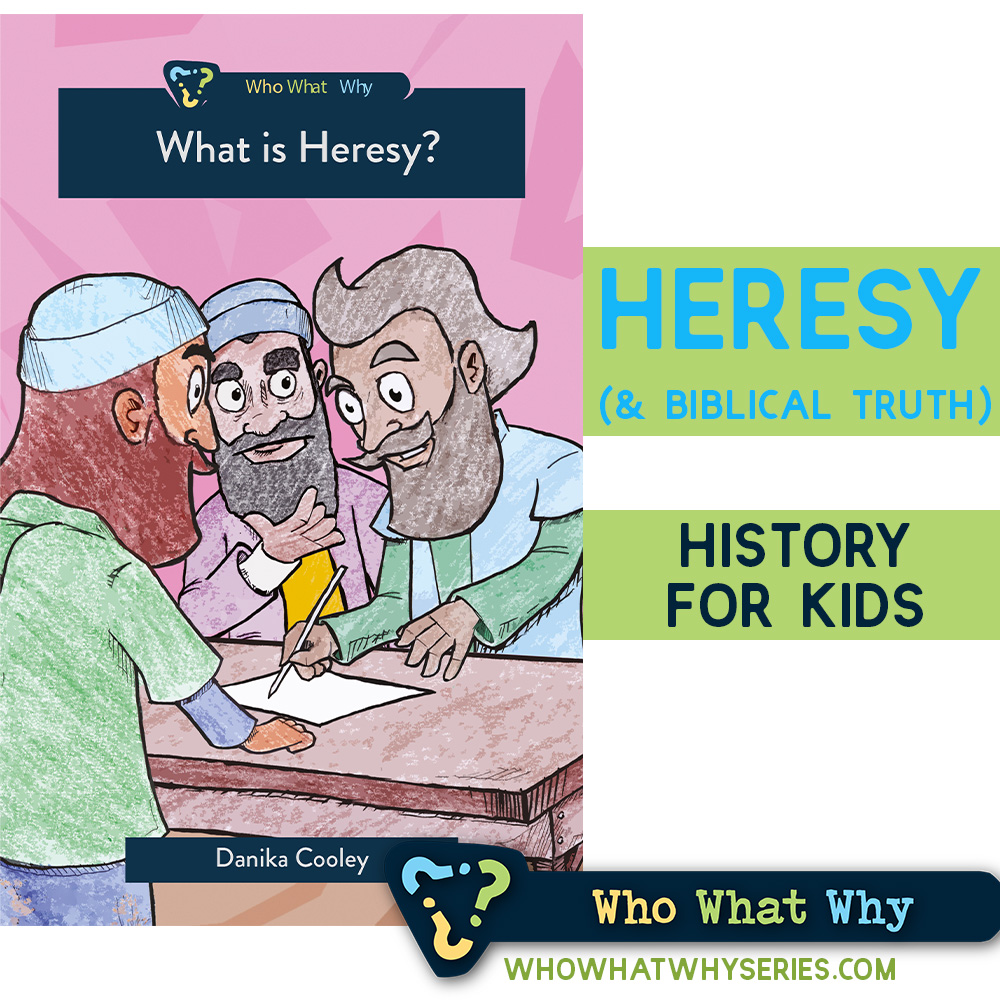
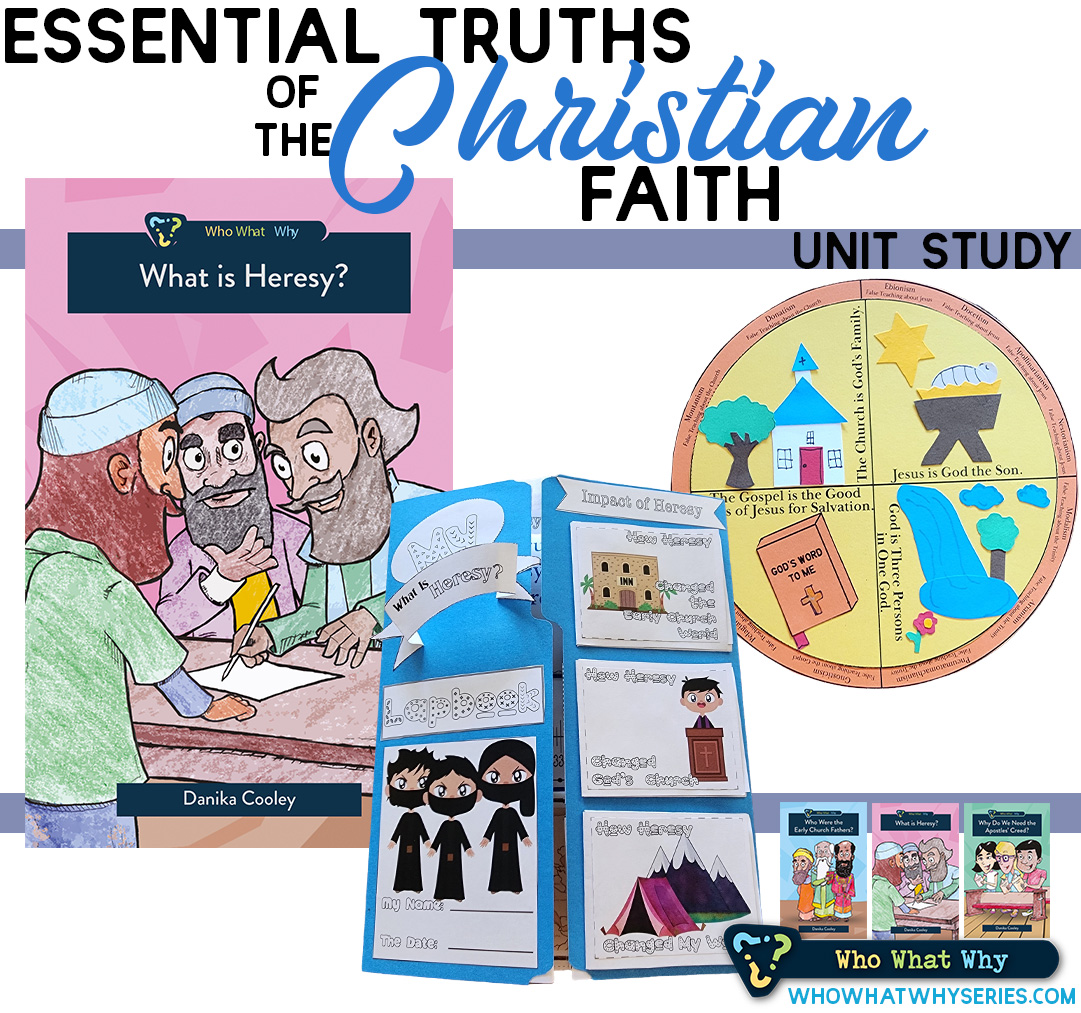
Your unit study on heresy and biblical truth includes a fun, 95-page biography, What Is Heresy?, clear biblical explanations of who Jesus is and the work he did for us, God’s triune nature, the true message of the gospel of Jesus Christ, and God’s design and plan for the Church. Your kids will also learn about twelve early heresies and why they violated Scripture, how early Christians fought against these lies, and the work and decisions of the ecumenical councils.
- What Is Heresy? by Danika Cooley | What Is Heresy? (Christian Focus Publications, 2026) is an engaging narrative about the fight for biblical truth in the Early Church. Your kids will study four important biblical truths, and learn about twelve lies that attacked the truth of God’s Word.
- You can also purchase What Is Heresy? from Thinking Kids Press. Or, purchase all three Who What Why | Early Church Biblical Truth books together in a bundle.
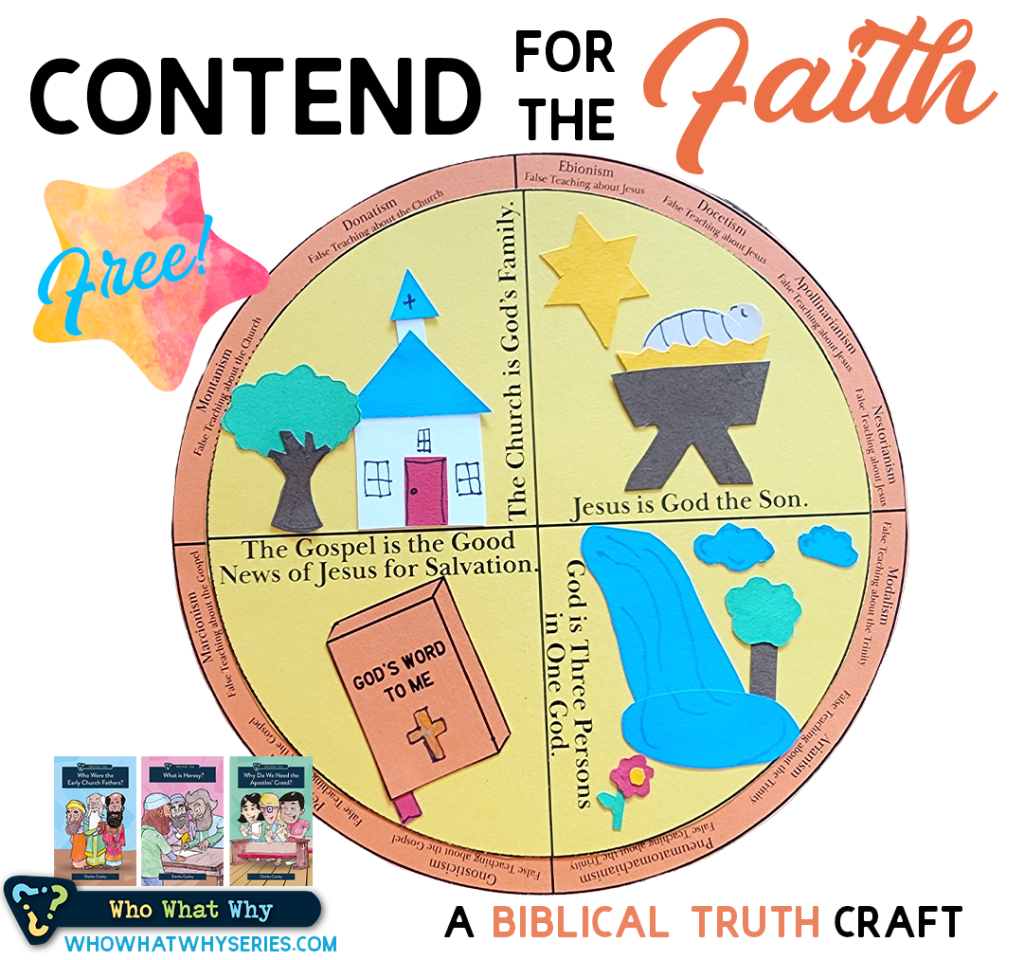
- Contend for the Faith Wheel Craft | This fun history craft will help kids create visual representations of four important biblical truths, and remember the historic heresies that attacked each truth. It’s a great way to create a visual image of what they’ve learned.
- What Is Heresy? Lapbook | With the heresy and biblical truths lapbook, your children will delve deeper into what they’ve learned, including:
- The impact of the Early Church Fathers, heresy, and the Apostles’ Creed on the Early Church world, on the Church, and on your child’s world.
- The Early world. Your child will learn about what it was like to live during the time of the Early Church.
- The people involved in each Christian history story.
- Biblical and historical vocabulary.
- The timeline of each story.
- The geography of each Early Church story.
- Theology: Jude 3-4 and John 8:31-36.
This study of heresy and biblical truth will help your kids learn more about Scripture and sound doctrine, defending the faith, and the lies people have told about God’s Word.
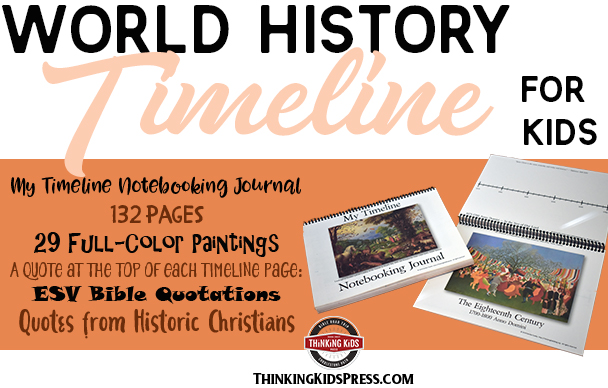
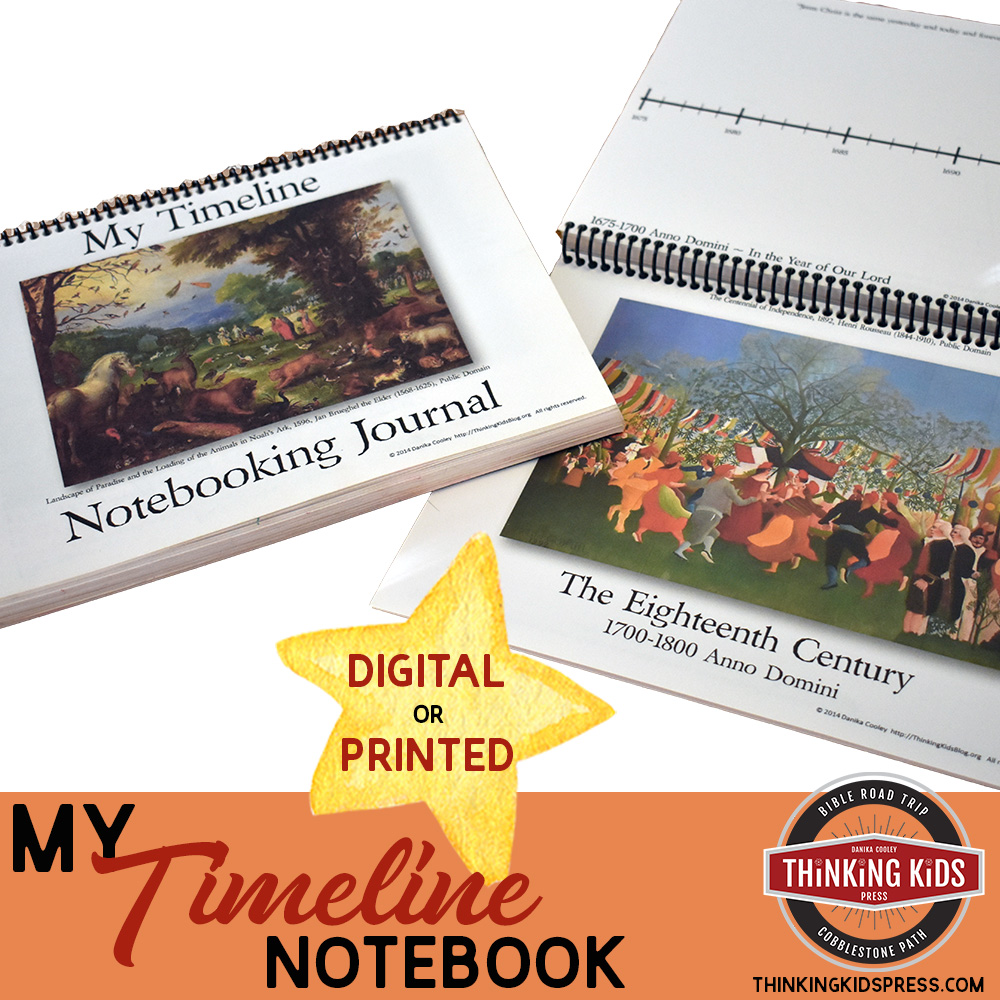
Every Who What Why Christian history book has a timeline with relevant dates. Your kids can keep track of dates from their studies in history with the My Timeline Journal!
I Believe In God’s Truth | The Apostles’ Creed
The Bible is a big book that must be read and examined rightly. As the gospel spread and the Early Church grew, early Christian leaders wrote a summary of the main message of Scripture, called the Rule of Faith. Christians could then examine teachings according to the basic tenets of our faith.
Eventually, the Church wrote a summary of our belief that was easy for believers to memorize and recite as a confession of their Christian faith.
For three hundred years, new believers spent three years in a special class, learning about the teachings of the Bible and how to live for Jesus. On the night before Resurrection Sunday (Easter), these newly graduated initiates were baptized. As a part of their baptism, the believers recited the Apostles’ Creed.
By 700 AD, churches everywhere were using the Apostles’ Creed as a part of their worship services. Today, our children benefit from knowing, understanding, and claiming this simple statement of biblical truth.

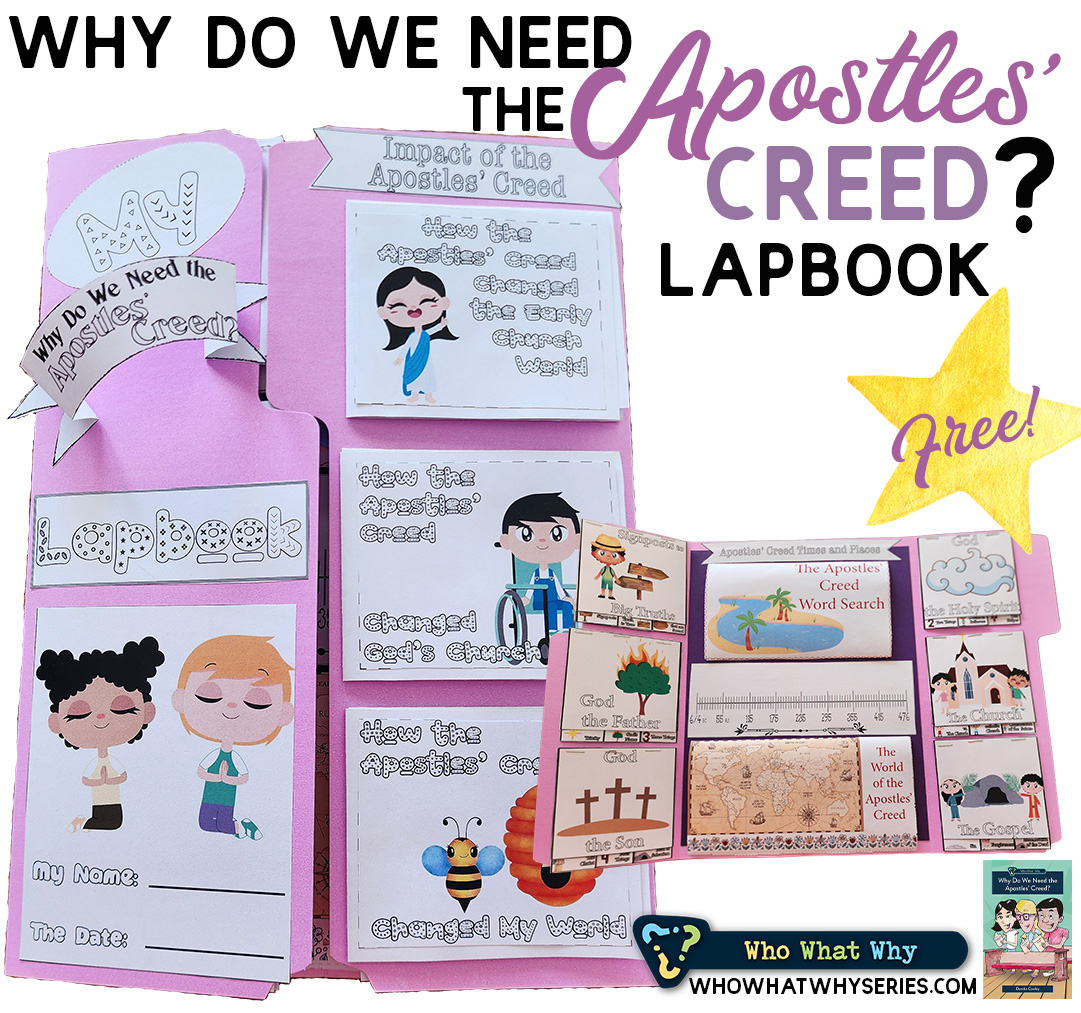
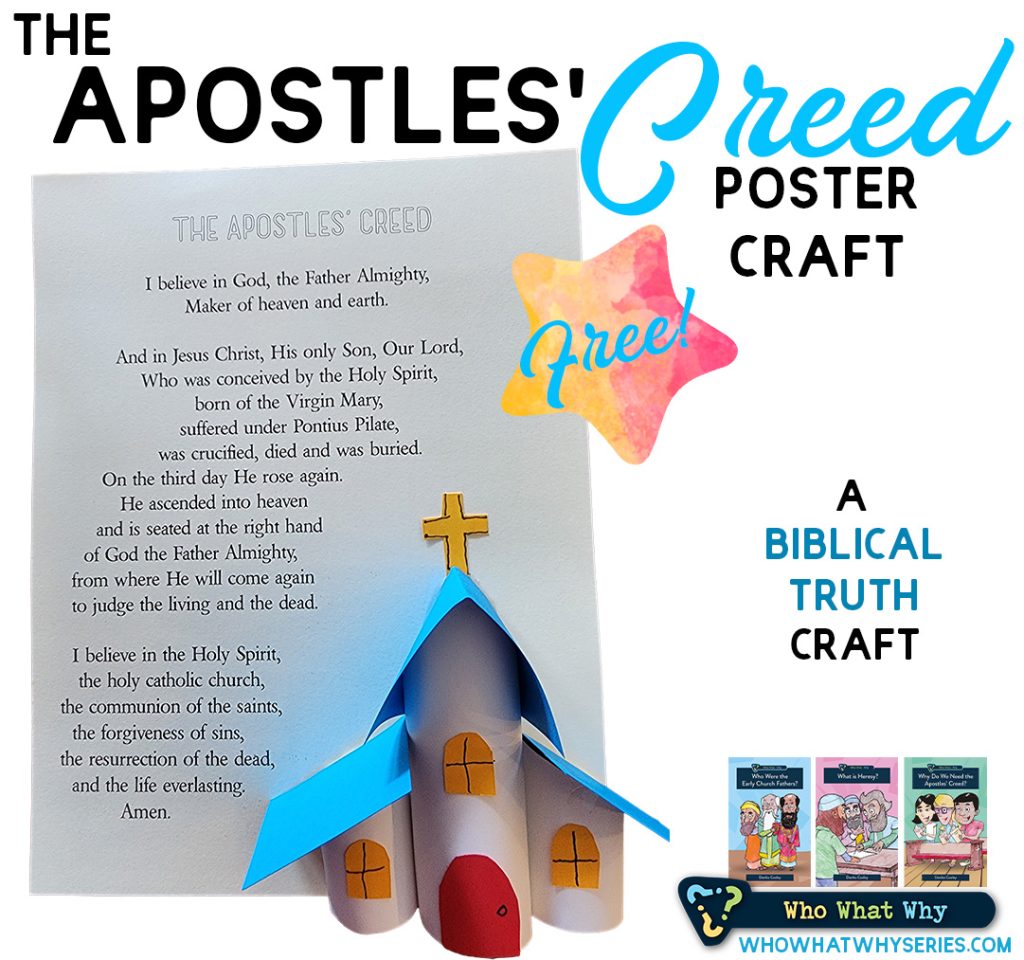
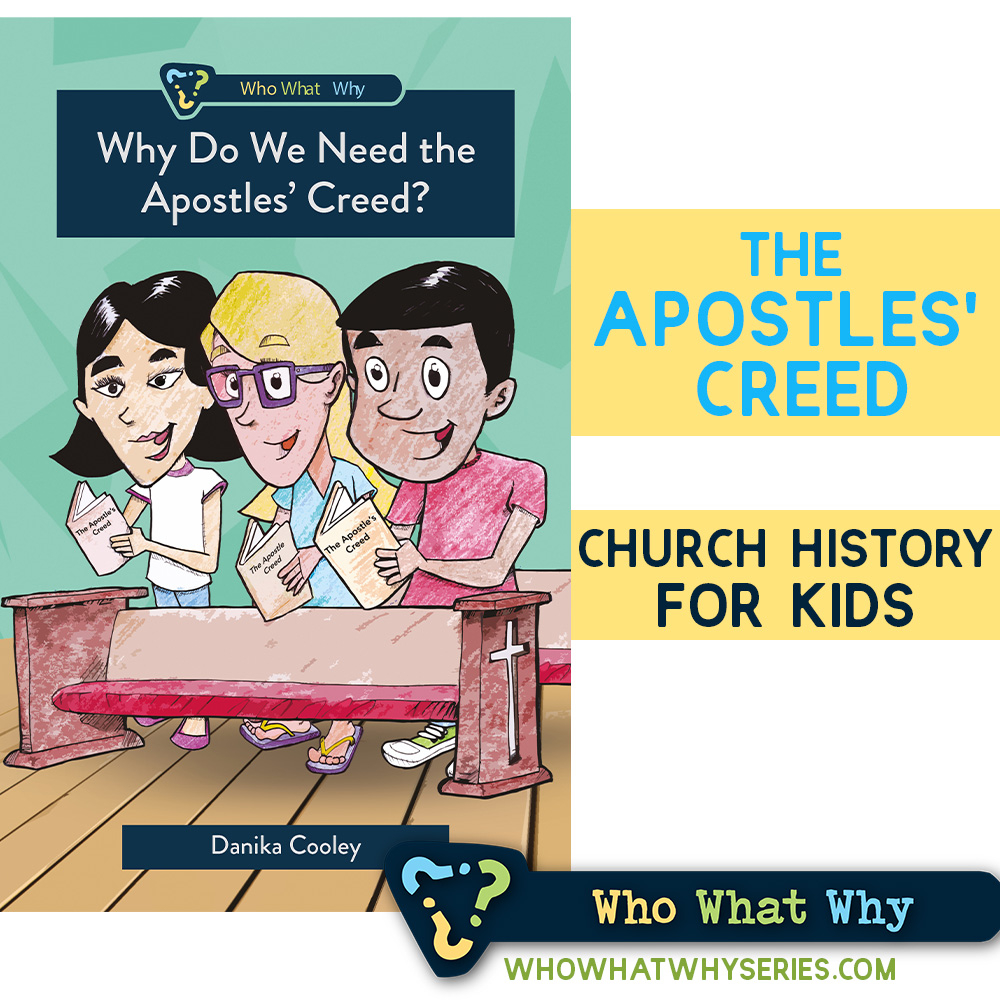
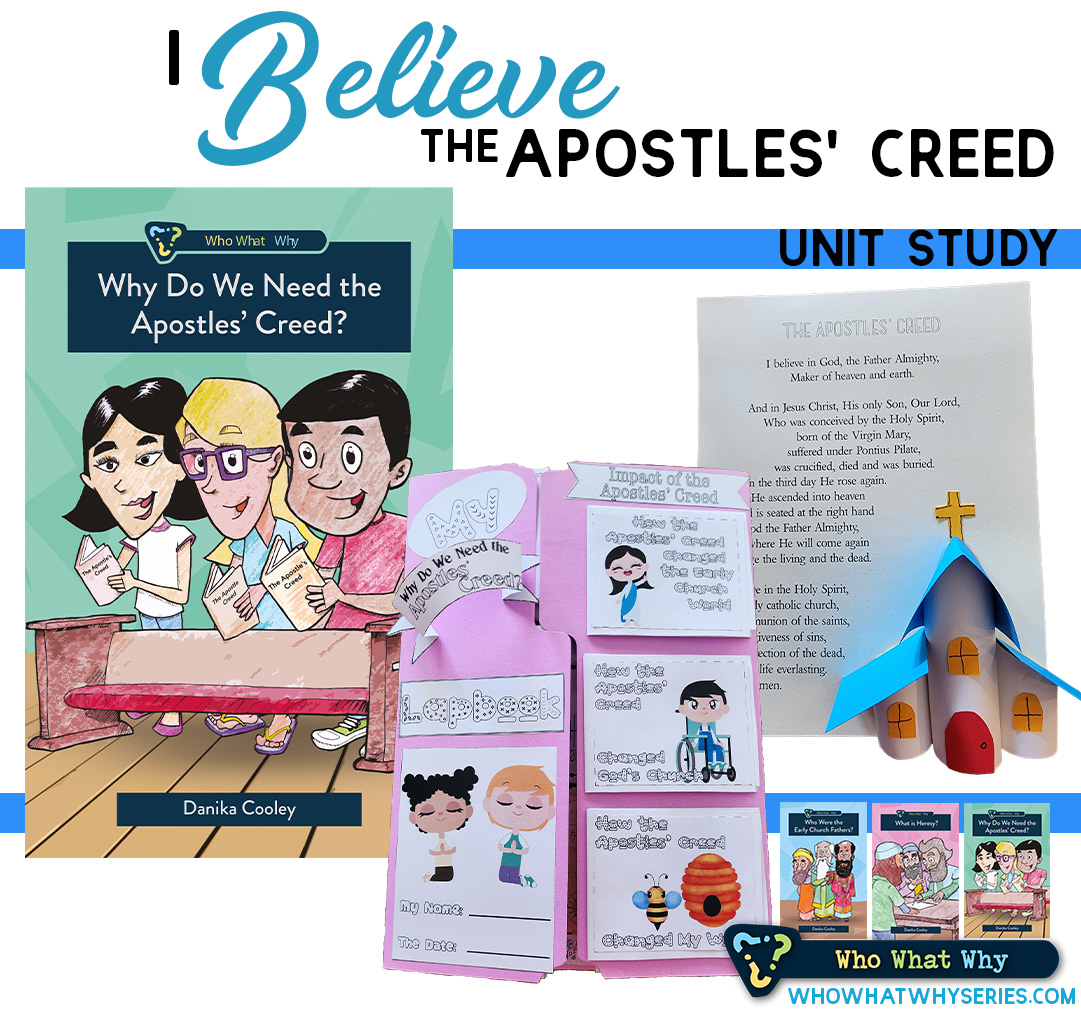
Your unit study on the Apostles’ Creed includes a fun, 95-page biography, Why Do We Need the Apostles’ Creed?, with a history of the creed and phrase-by-phrase explanations of its meaning. This study is packed with Scripture.
- Why Do We Need the Apostles’ Creed? by Danika Cooley | Why Do We Need the Apostles’ Creed? is an engaging book (Christian Focus Publications, 2026) covers the history and phrase-by-phrase meaning of the Apostles’ Creed, outlining and explaining clear biblical doctrine for your kids.
- You can also purchase Why Do We Need the Apostles’ Creed? from Thinking Kids Press. Or, purchase all three Who What Why | Early Church Biblical Truth books together in a bundle.
- The Apostles’ Creed Printable Poster Craft | Your kids can practice reciting the Apostles’ Creed after they make their own cute copy with this fun church craft.
- Why Do We Need the Apostles’ Creed? Lapbook | Kids will use this hands-on lapbook to record what they’ve learned about:
- The impact of the Apostles’ Creed on the Early Church world, on the Church, and on your child’s world.
- The Early world. Your child will learn about what it was like to live during the time of the Early Church.
- The people involved in each Christian history story.
- Biblical and historical vocabulary.
- The timeline of each story.
- The geography of each Early Church story.
- Theology: Biblical truth about God the Father, God the Son, the Incarnation and the Cross, the Resurrection and the Ascension, God the Holy Spirit, the Church, and the Gospel.
This study of the history of the Early Church, those who fought for biblical truth, and the sound doctrine your kids need to know will prepare your children to contend for their faith.
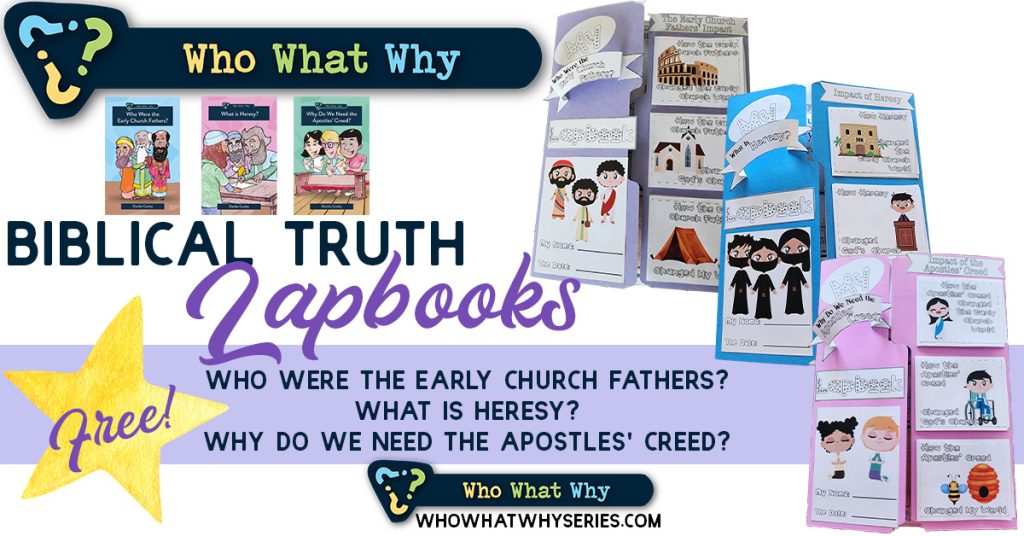
Learn more about the Who What Why series and get your FREE Biblical Truth Lapbooks here.
Bible Resources for Your Kids
Learn More HereLearn More HereLearn More HereLearn More HereLearn More HereLearn More Here

Christian Biographies for Kids | Christian History for Kids | Theology for Kids
Christian History Matters for Our Kids.
History matters. Now, more than ever, we see how important it is for our children to know and understand history and the Bible.
Here’s why:
- God is the sovereign ruler of all things. It’s important for our kids to see his hand in the history of nations and in the lives of both peasants and kings.
- Christian history is the story of our family history. Our kids get to see how people who love Jesus follow him.
- Understanding history can help our kids learn historic and biblical theology. They learn what the Bible says and what that means for us. They also see when the study of Scripture has taken important turns that have changed the Church.
- Reading Christian biographies and history can be a wonderful way for kids to think outside their own time and culture. God’s Church spans centuries and includes people from every nation.
- Christian biographies help kids consider their own faith, walk with Jesus, and the impact their witness may one day have on others–and on history.

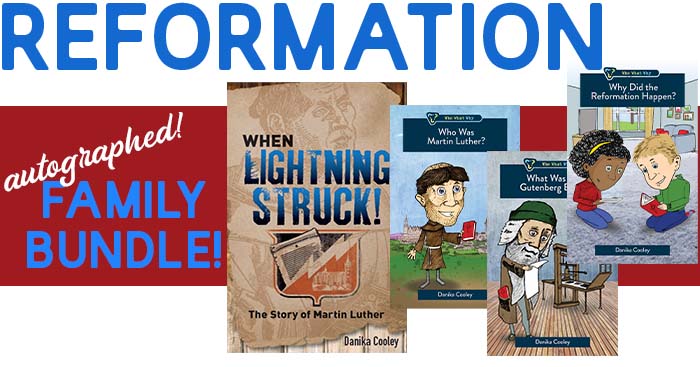
Grab the autographed Reformation Family Bundle!
More Thinking Kids Posts You’ll Love!