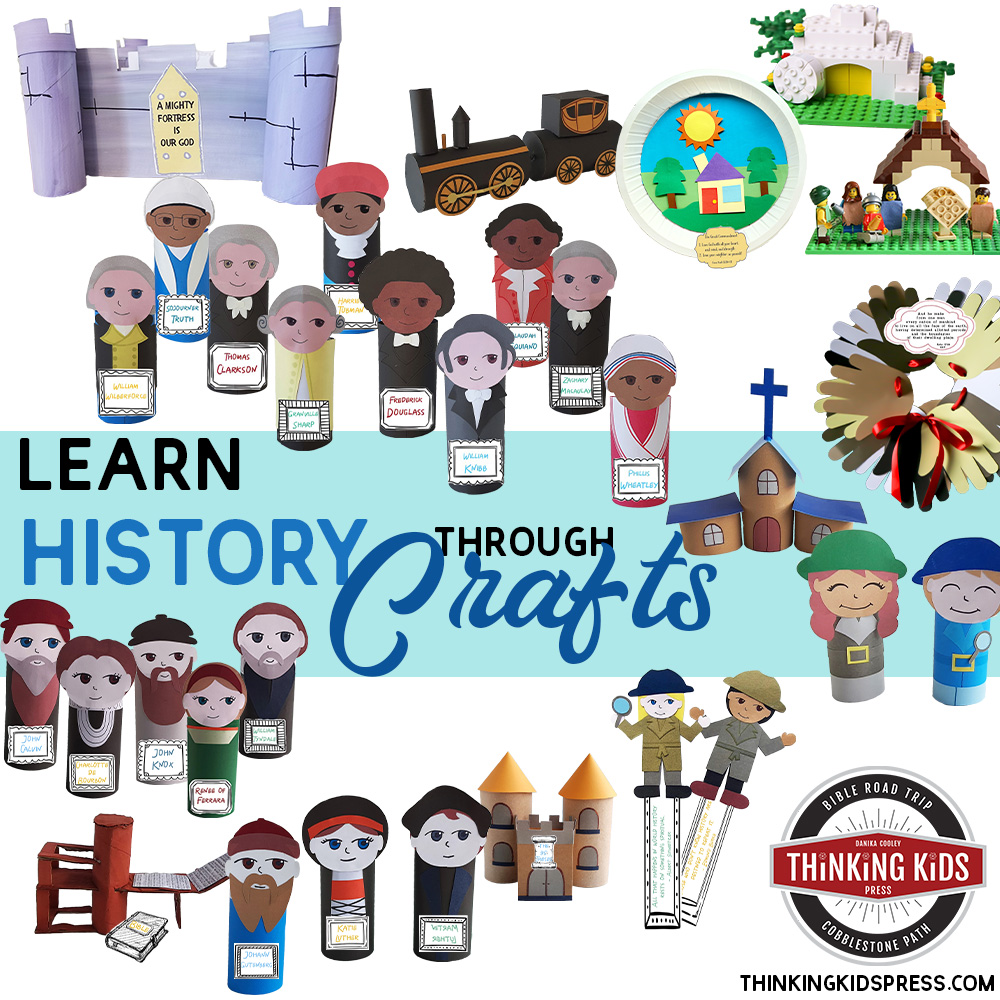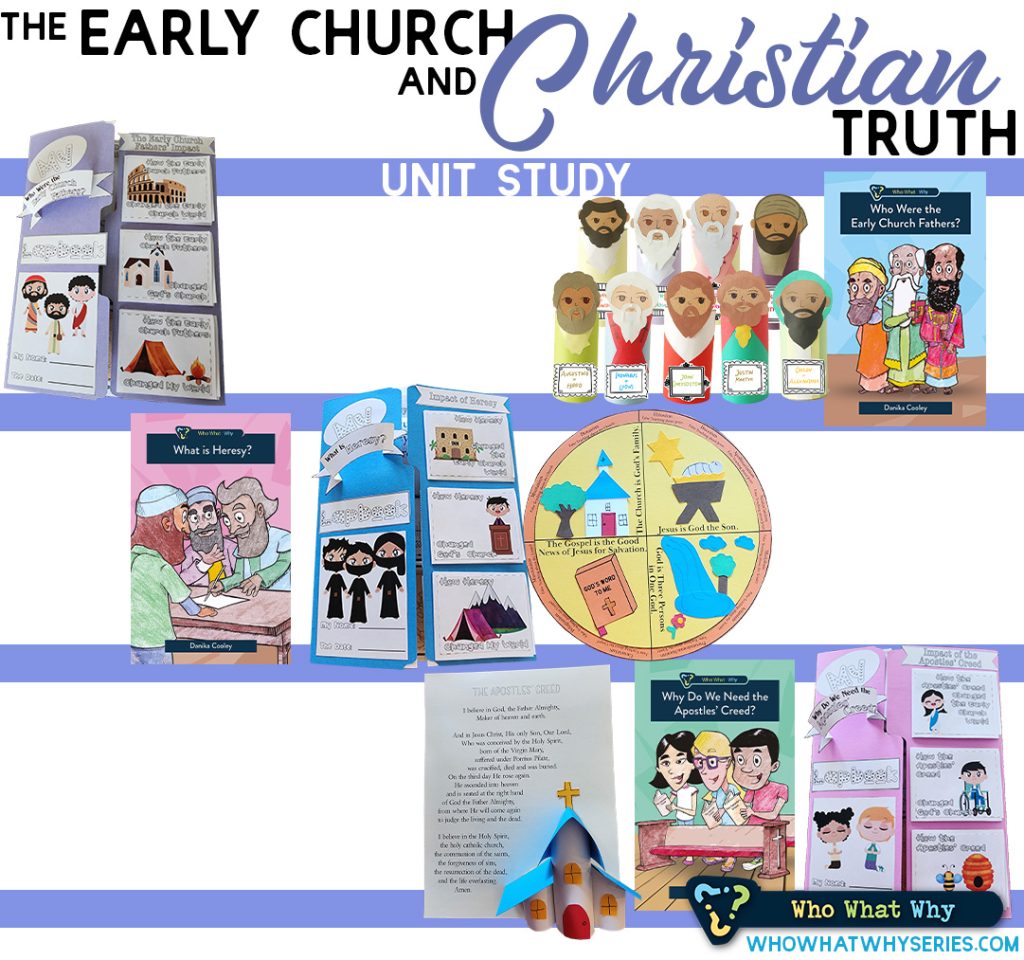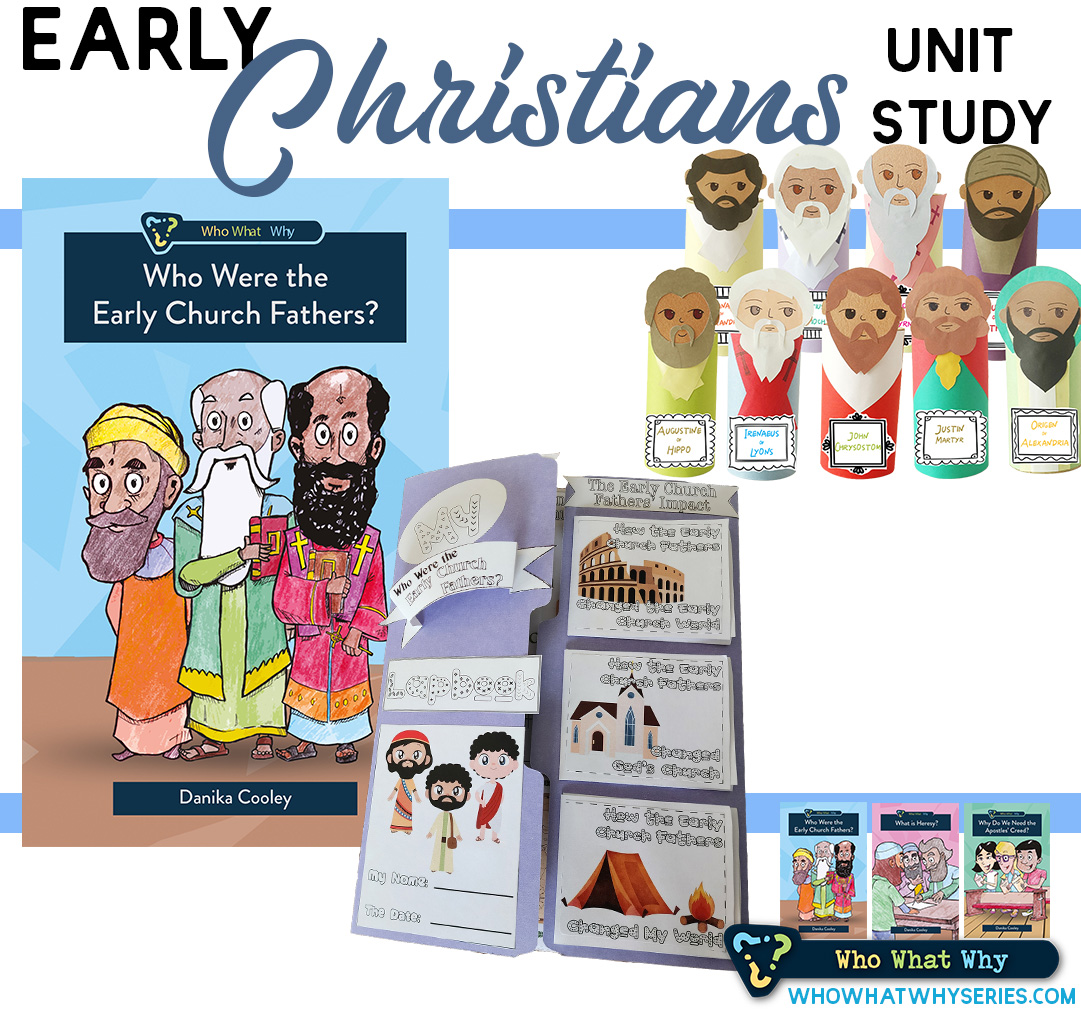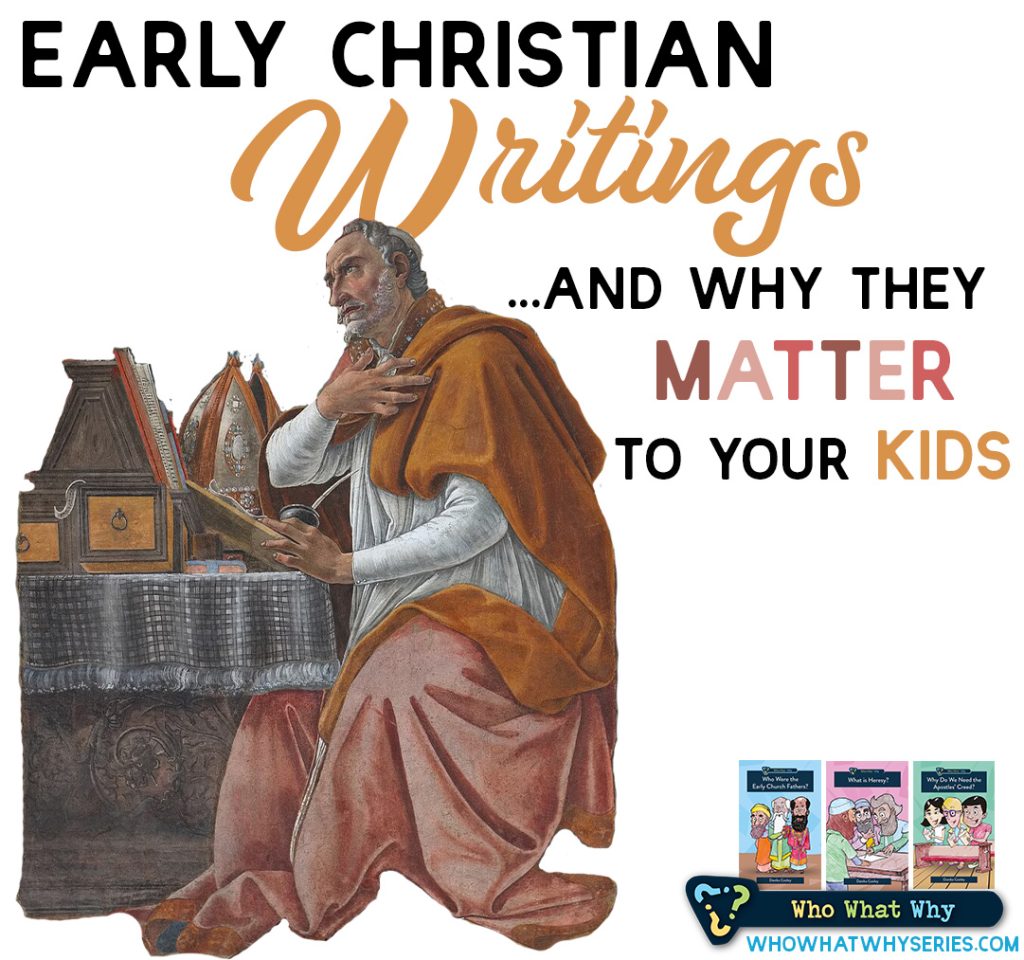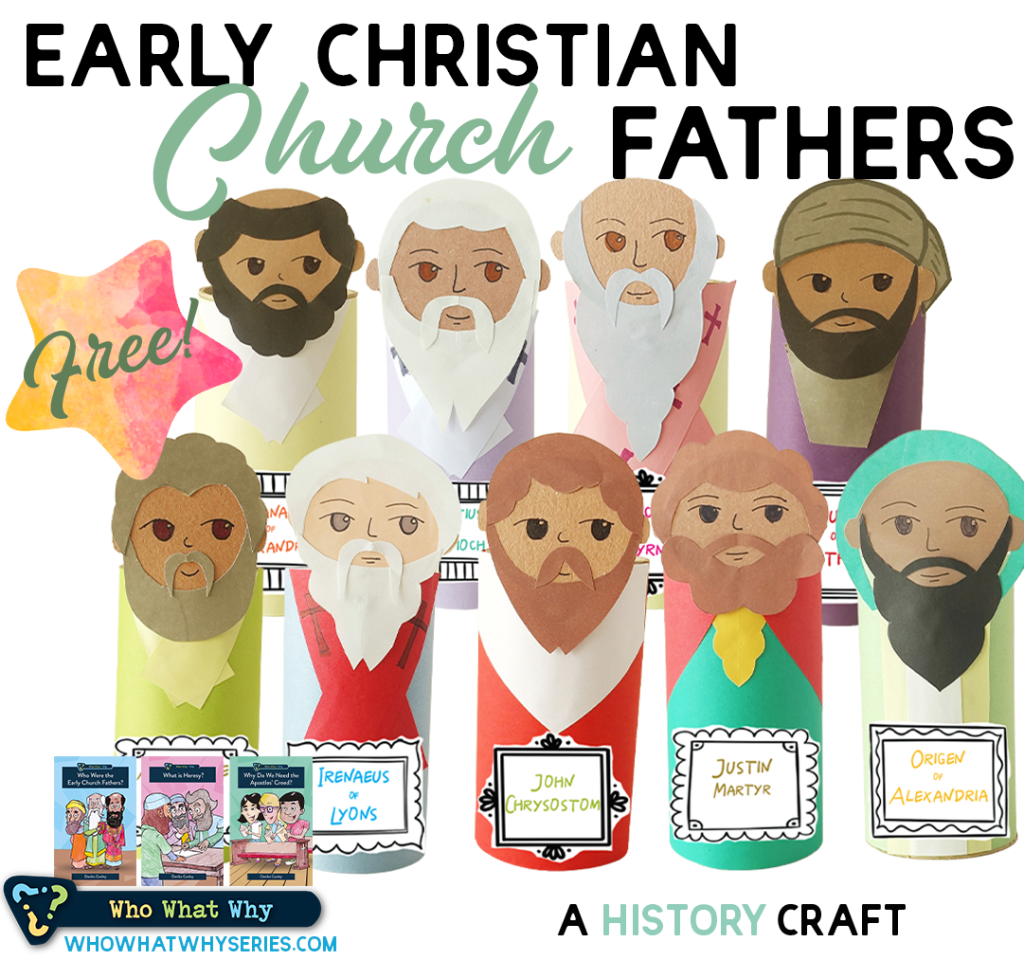

Help kids learn more about the Early Christian Church. They will know the names of nine important early Christians with this history craft.
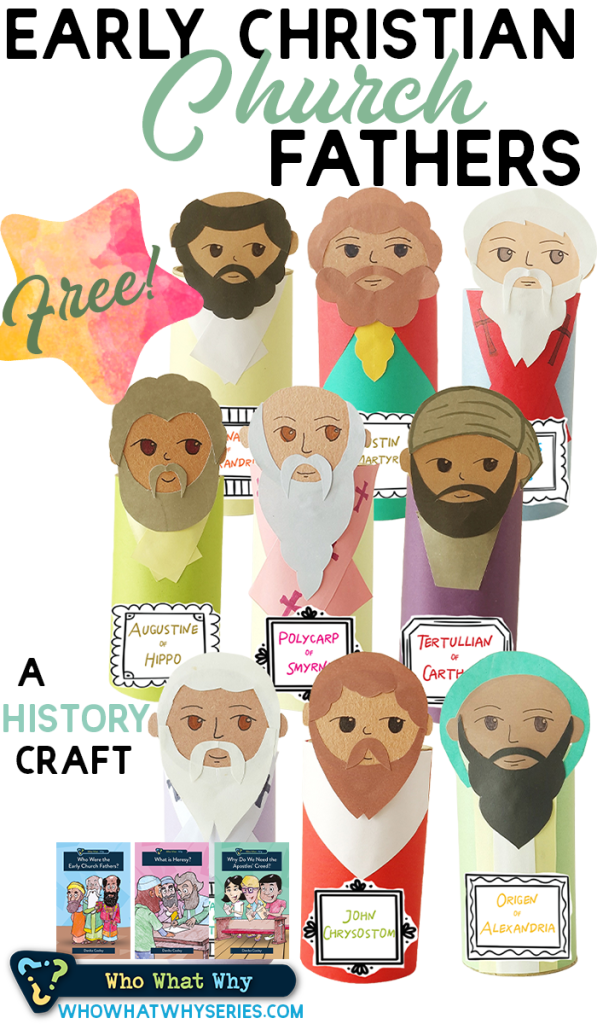
As the gospel of Jesus Christ spread across the Mediterranean world, many came to salvation in Christ. There were people, too, who fought against truth and worked toward the destruction of God’s people.
Early Christian Church
During this time, God raised up faithful men in Western and Eastern Europe, Northern Africa, and the Middle East who taught and defended biblical truth. These stalwart theologians and Bible teachers also summed up the important truths of God’s Word and set them into creeds that were easy for Christians to learn and repeat. Today, our children still learn the truths the Early Church Fathers clarified for us.
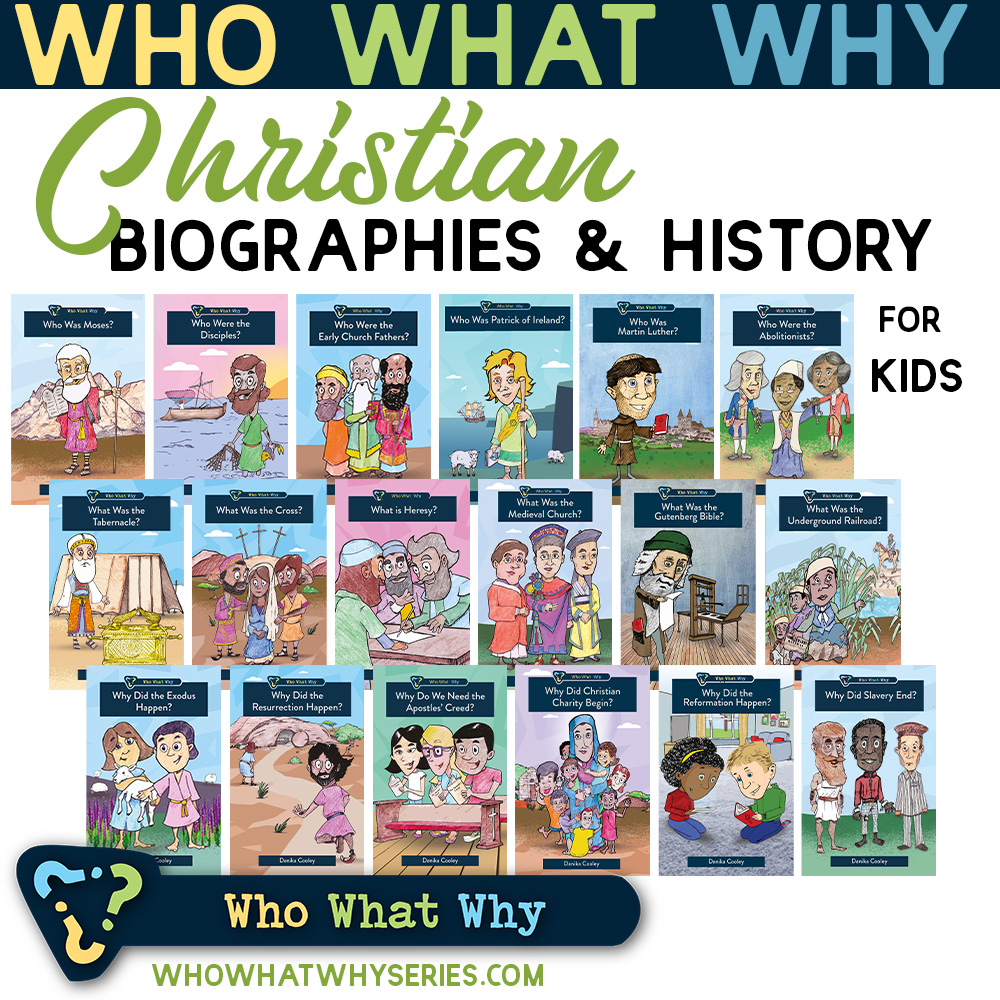
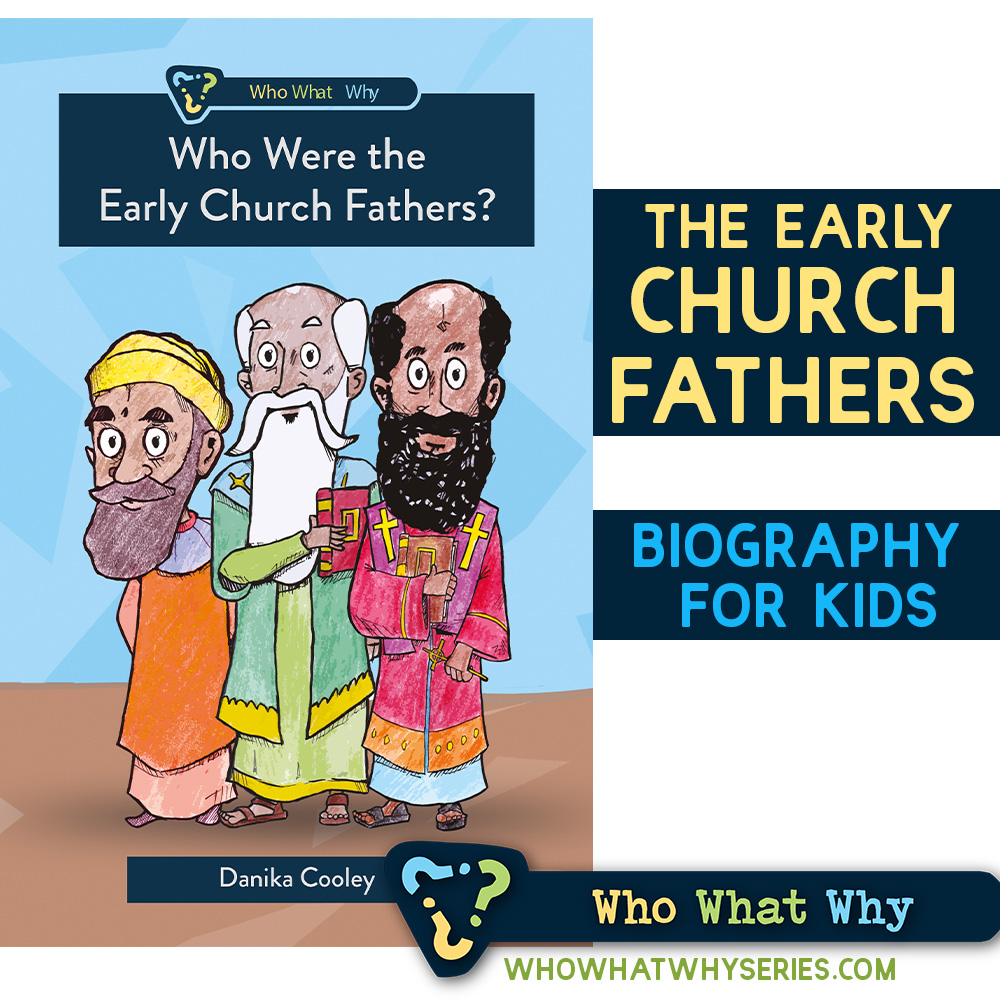
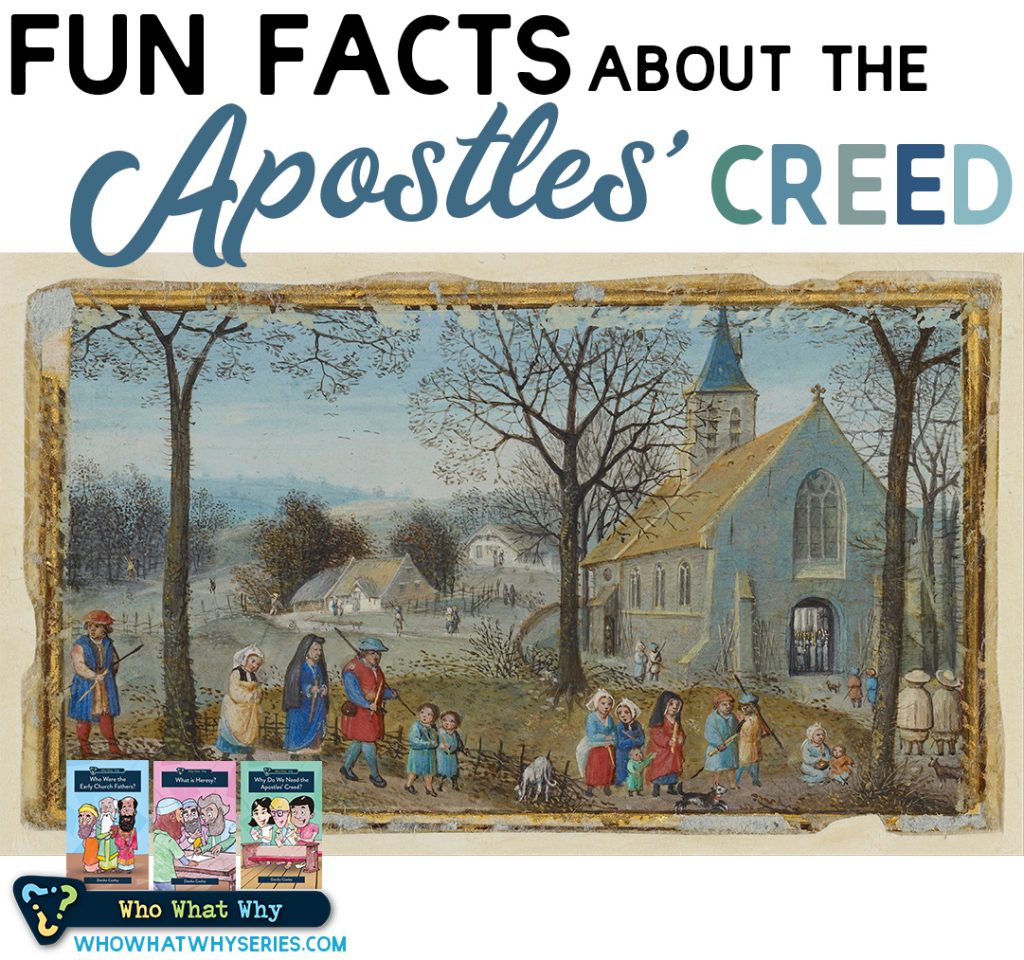
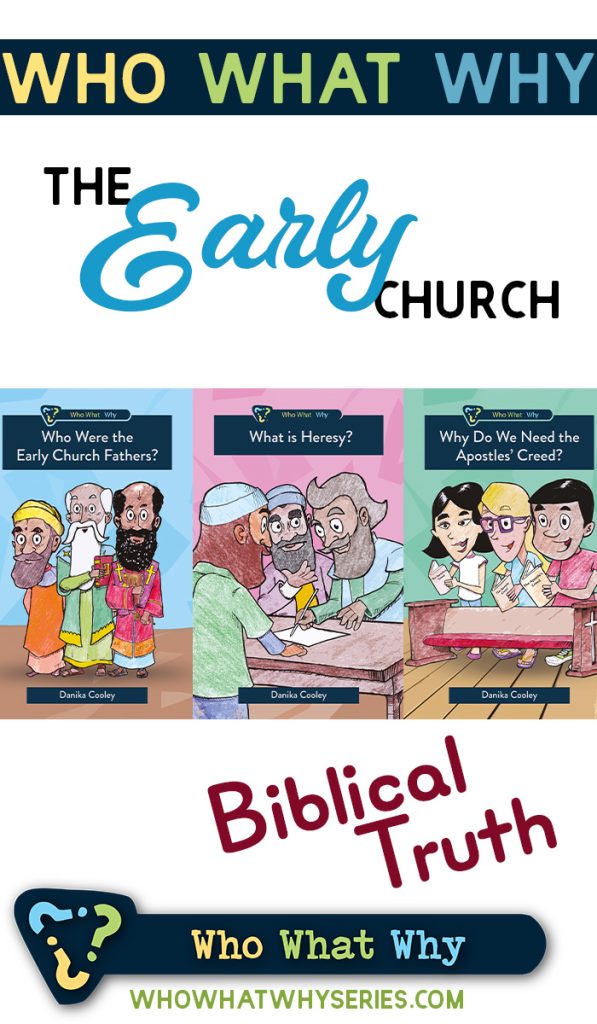
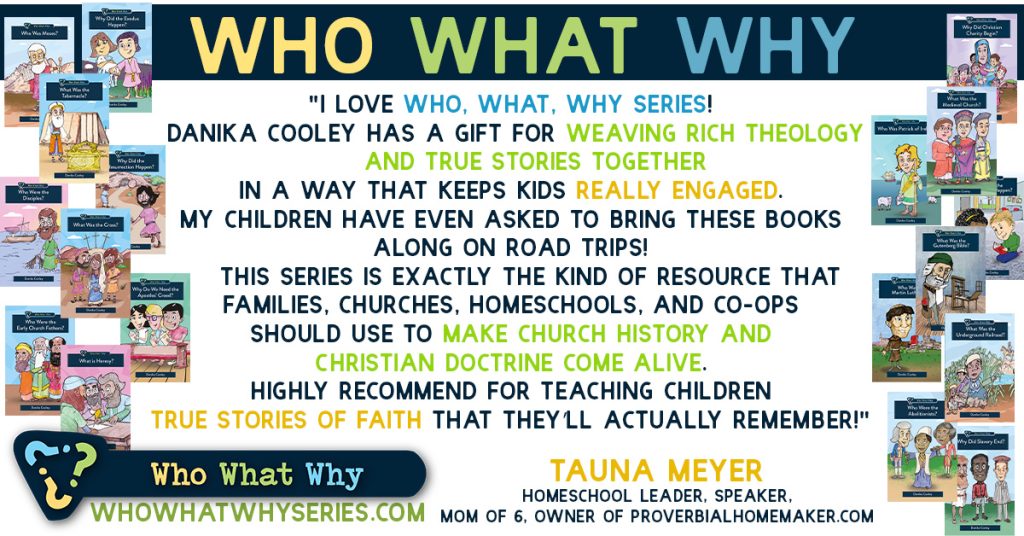
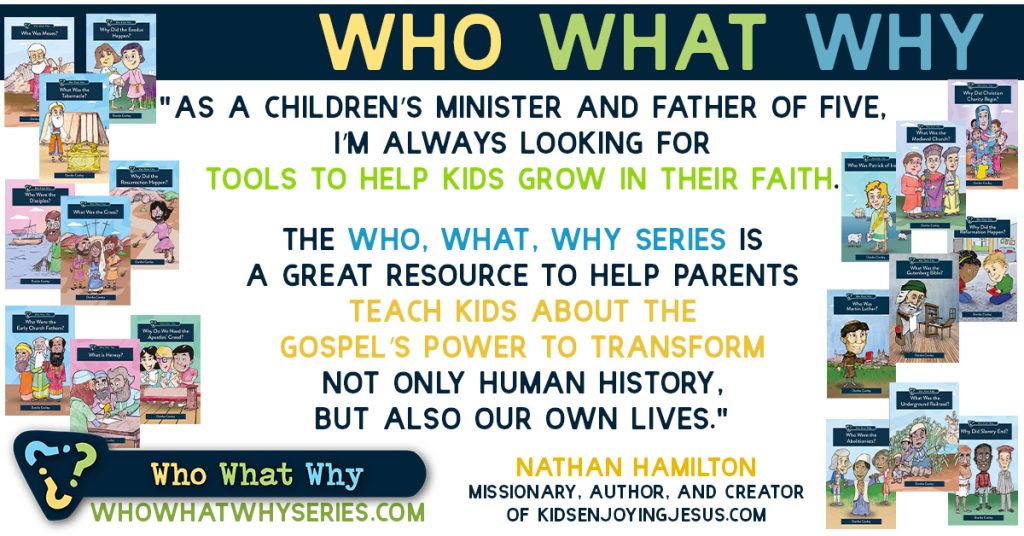
Your kids can read all about the Early Church Fathers and their defense of the faith in my narrative biography from Christian Focus Publications, Who Were the Early Church Fathers?. The book is a fun way for your kids to learn about nine faithful men who loved Jesus and defended the Christian faith.
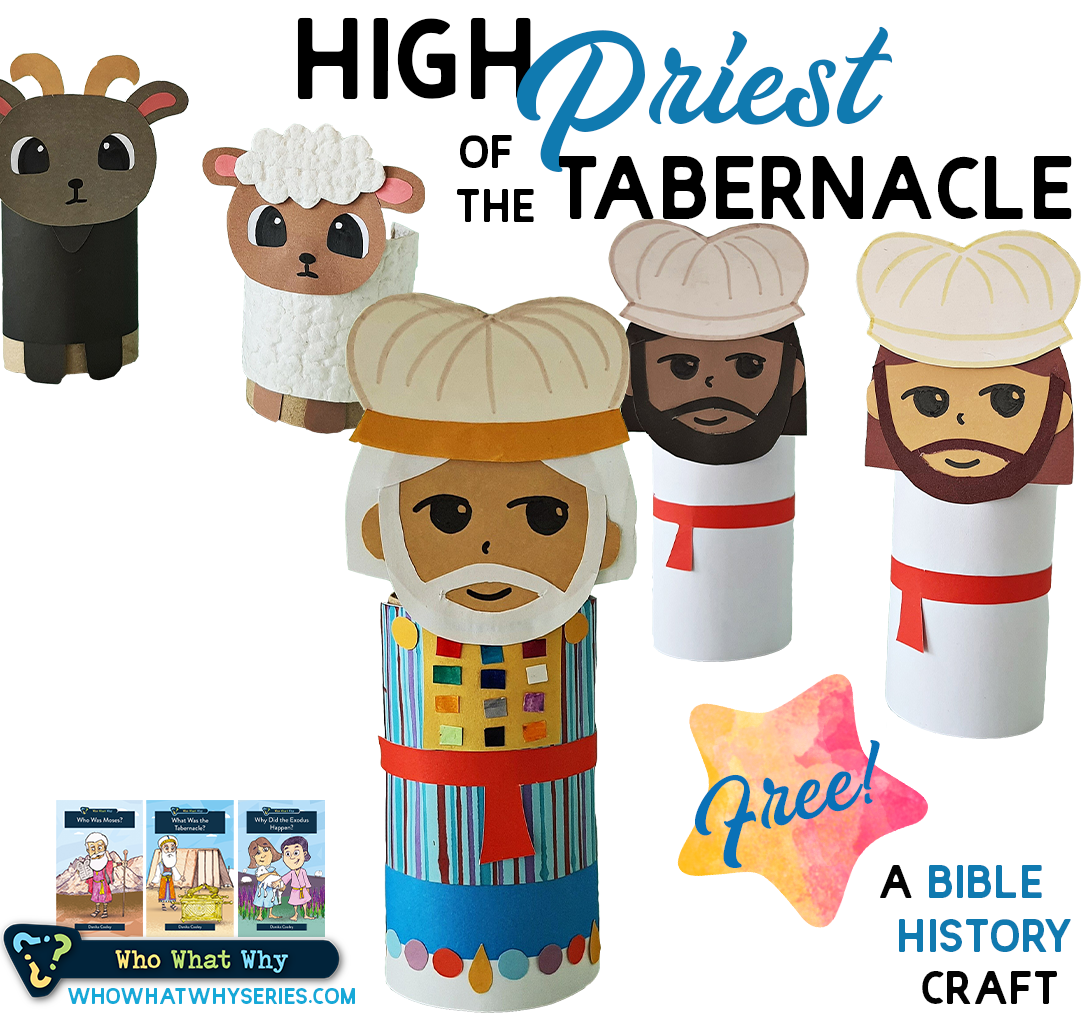
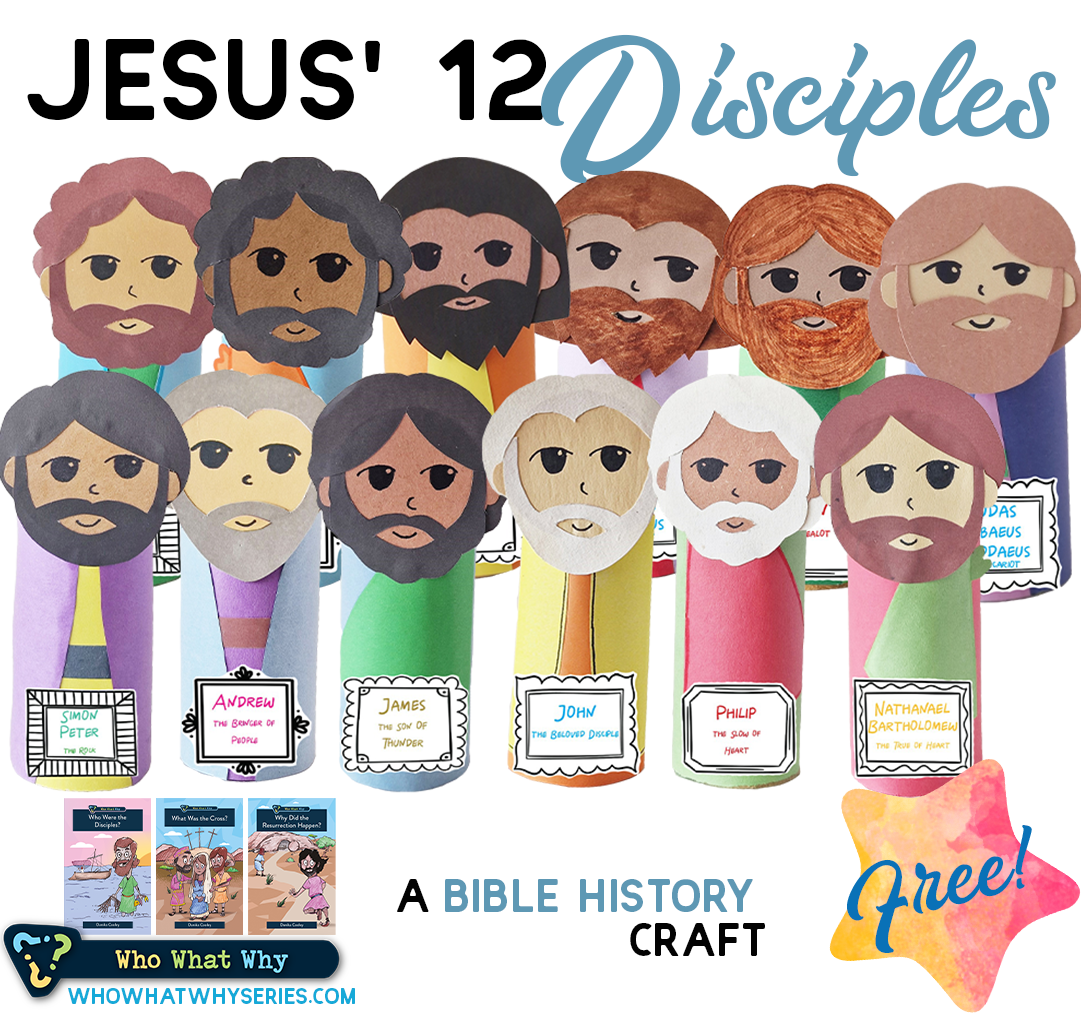
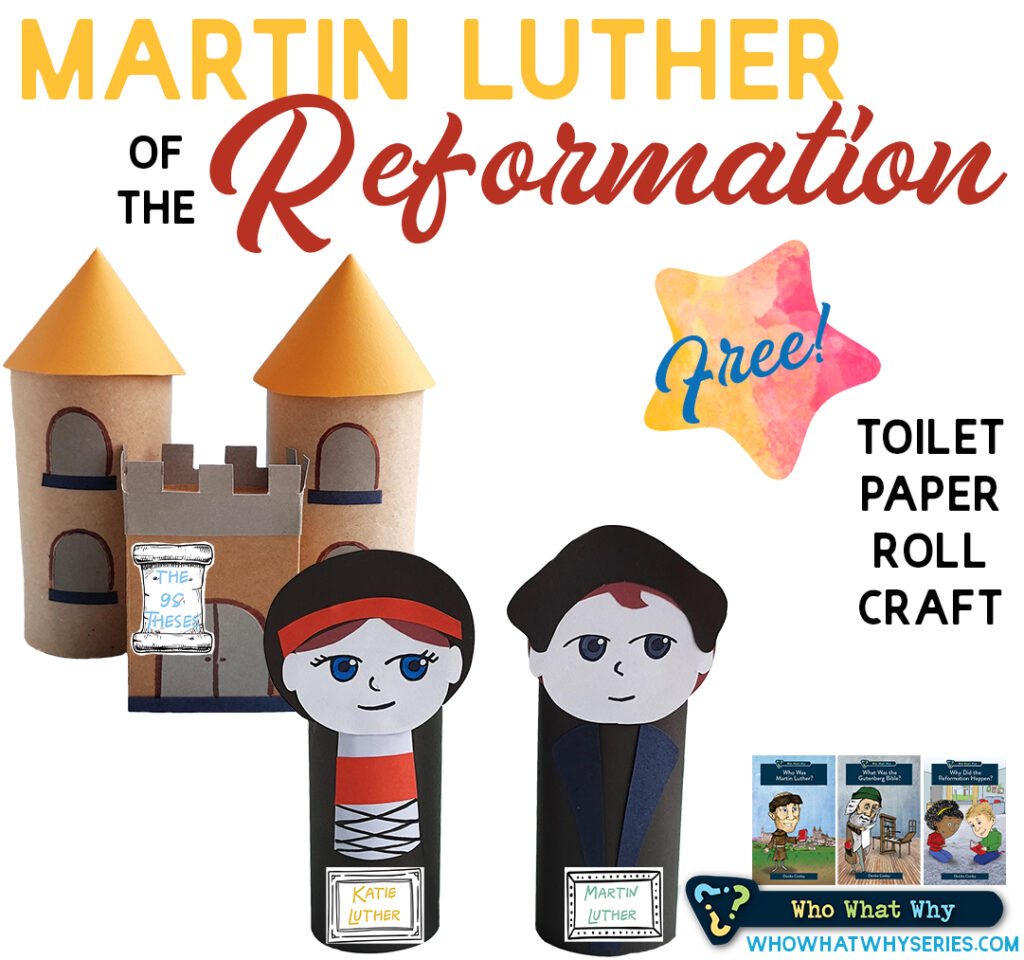
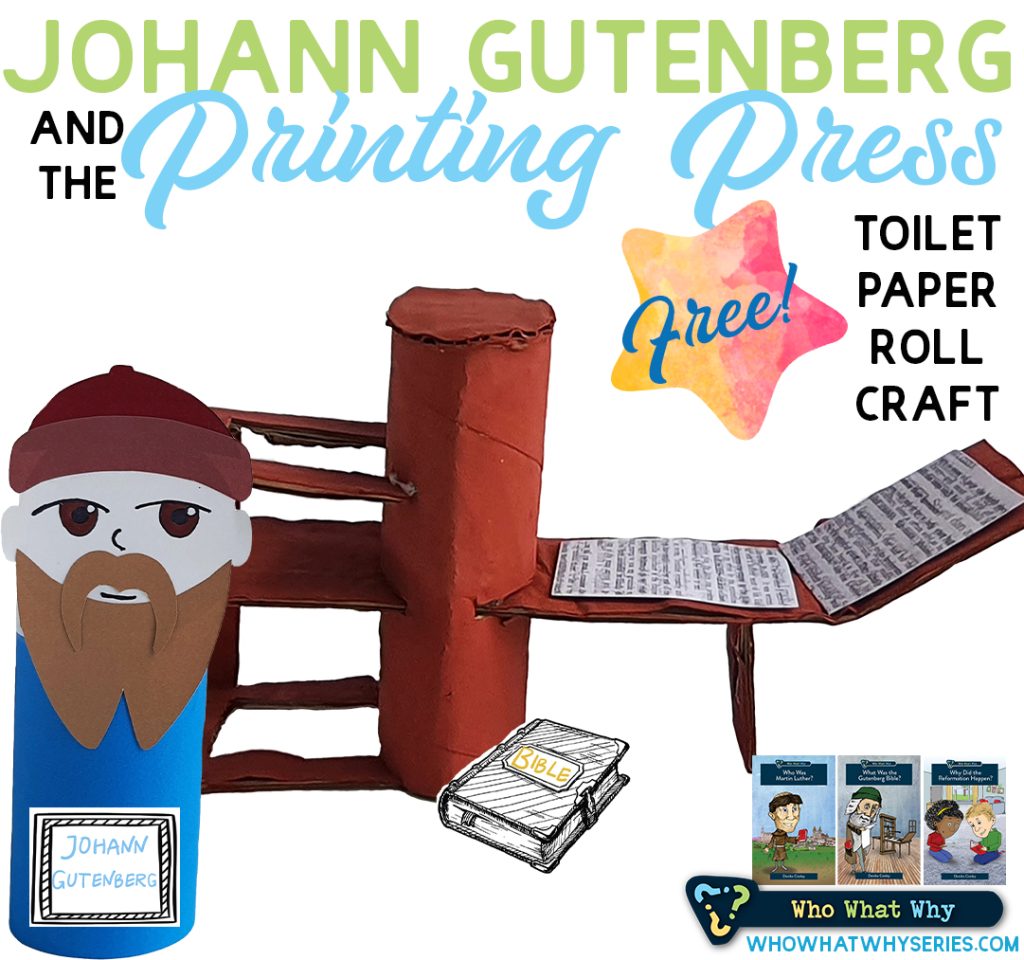
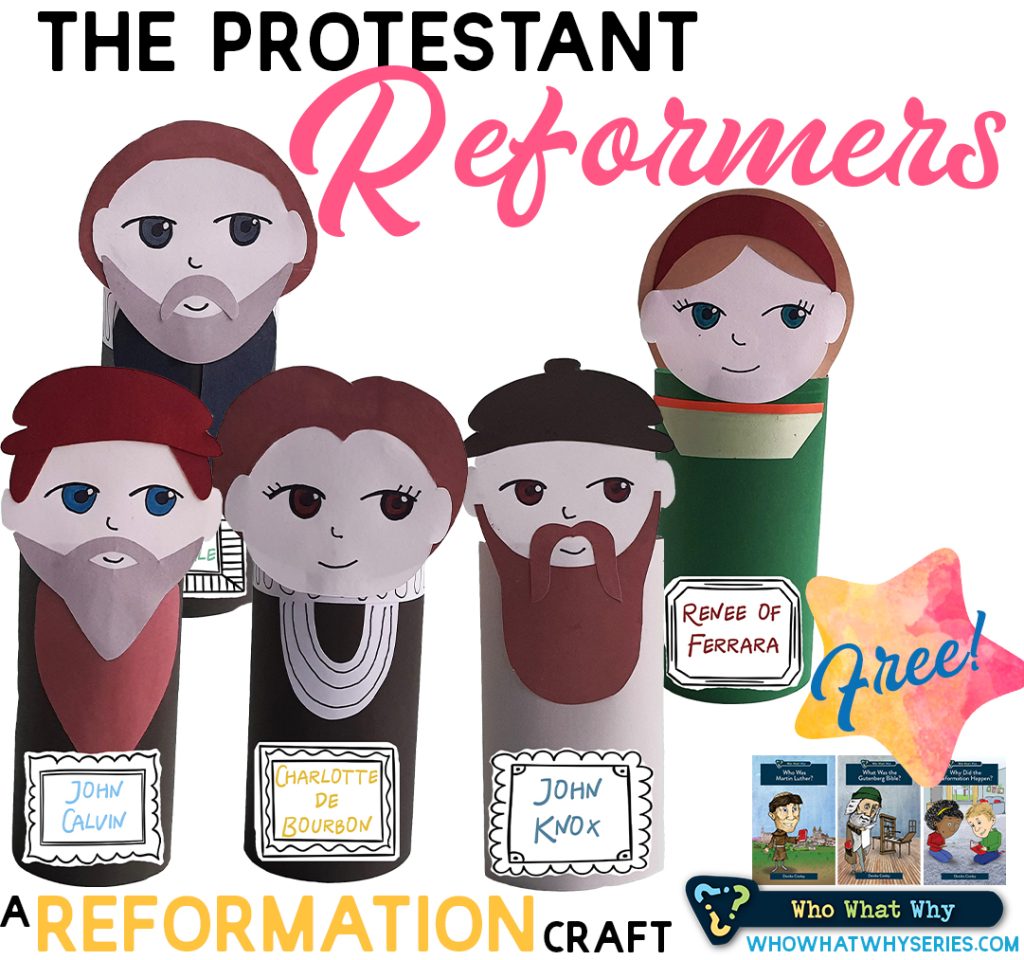
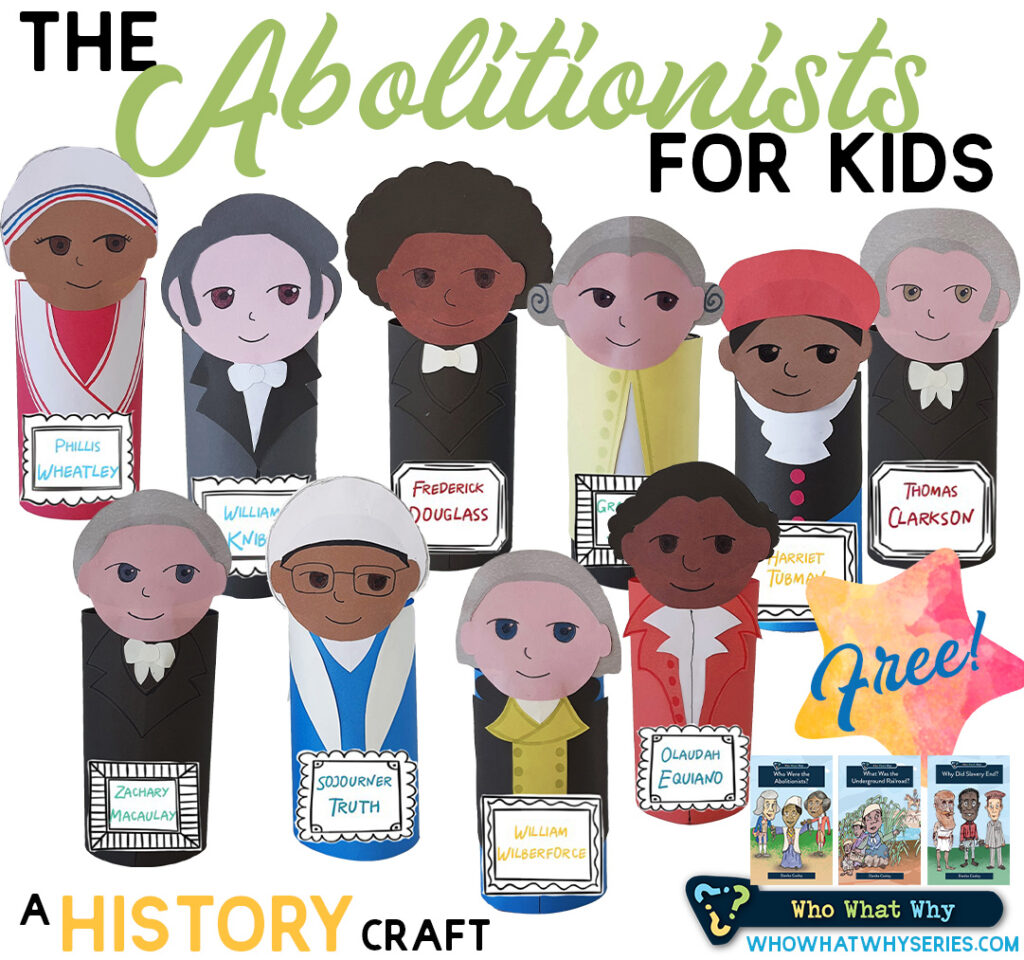
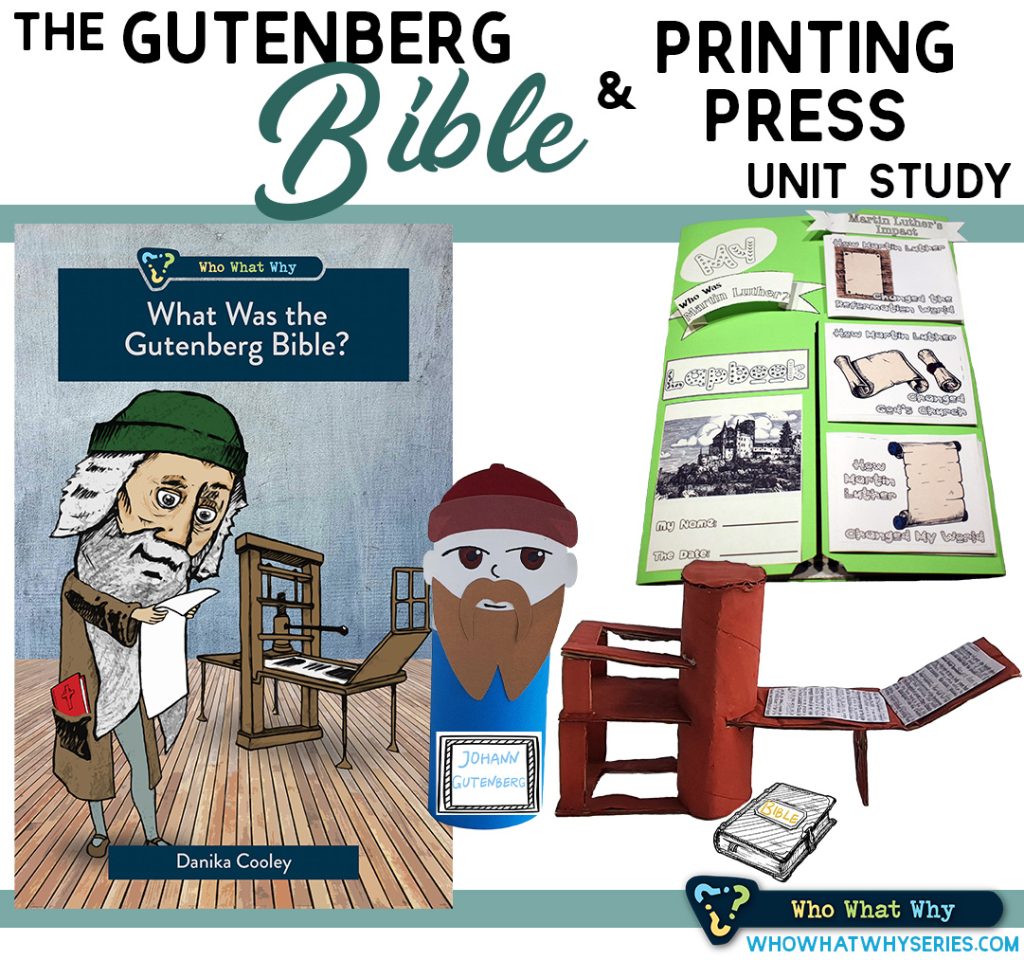
This fun craft will allow your kids to construct nine Early Church Fathers.
Who Were the Early Church Fathers?
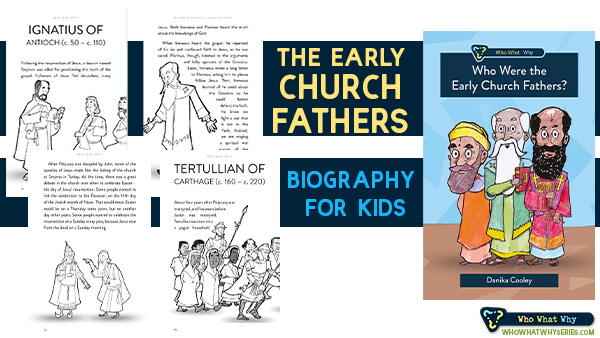
Who Were the Early Church Fathers? by Danika Cooley is an engaging and inspiring introduction to nine remarkable men who helped shape the Christian faith during its earliest and most challenging years. Written especially for middle-grade readers, this narrative biography brings history to life with vivid storytelling and meaningful lessons from the lives of nine men in the early church.
As the early church spread across the Roman Empire, it faced intense persecution, false teaching, and confusion. God raised up leaders–known as the Early Church Fathers–to defend the truth of the gospel and guide believers. Through their courage, wisdom, and faith, they helped preserve the message of Jesus for generations to come.
Inside this book, readers will:
- Meet influential figures like Ignatius, Polycarp, Augustine, and Athanasius
- Learn how the early church responded to challenges and false teachings
- Discover key Christian beliefs and why they matter
- Be inspired by real stories of courage, sacrifice, and faith
With helpful features like a timeline, sidebars, and engaging narrative chapters, this book makes complex history accessible and meaningful.
Perfect for young readers, families, and classrooms, Who Were the Early Church Fathers? invites a new generation to explore the past–and be inspired to stand firm in truth today.
As the gospel spread, false teachers saw an opportunity to gain followers, money, and power. God loves his people, so into this mess of ideas, he sent men to defend the Christian faith against the mixed-up, lofty opinions that were against the knowledge of God.
Who Were the Early Church Fathers?, Danika Cooley (Christian Focus Publications, 2026), page 12
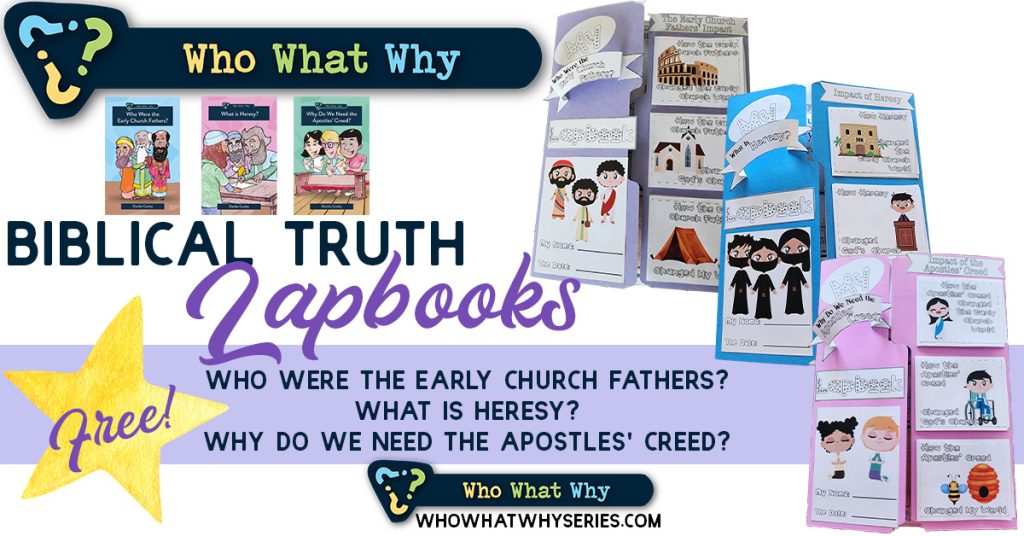
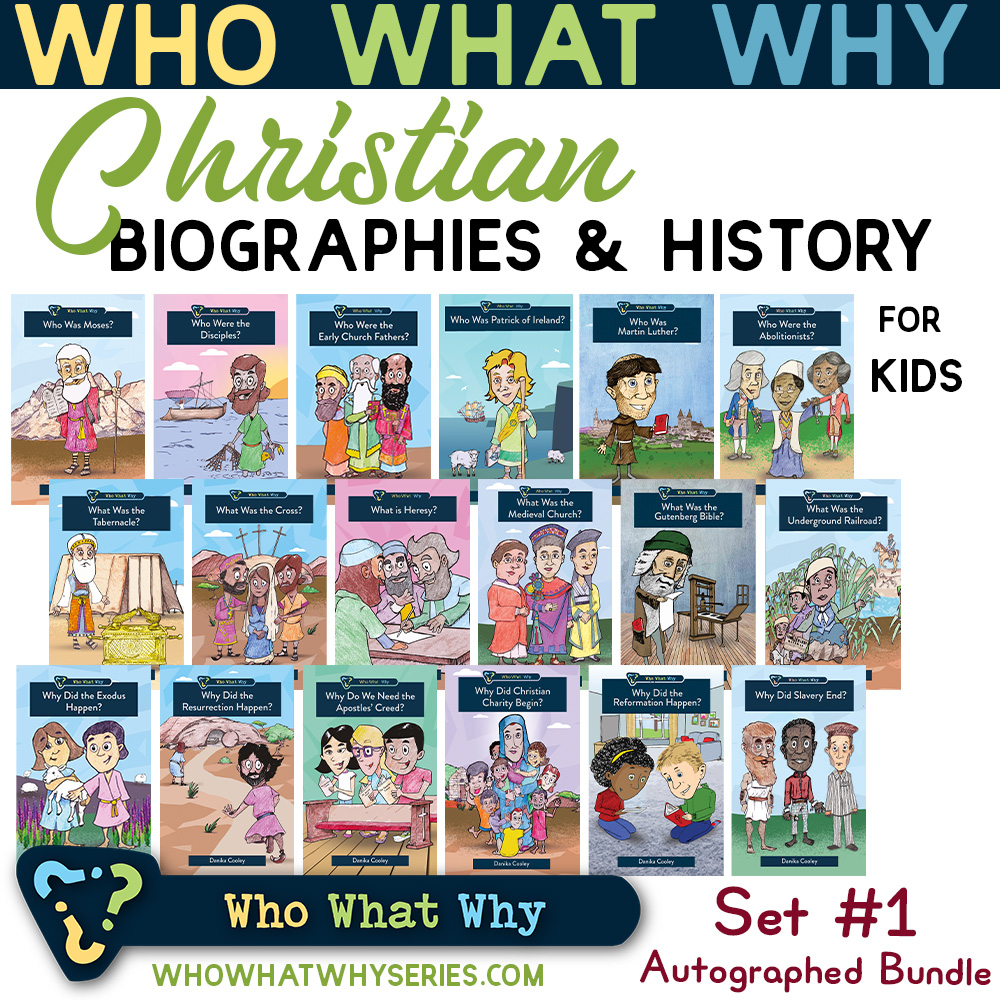
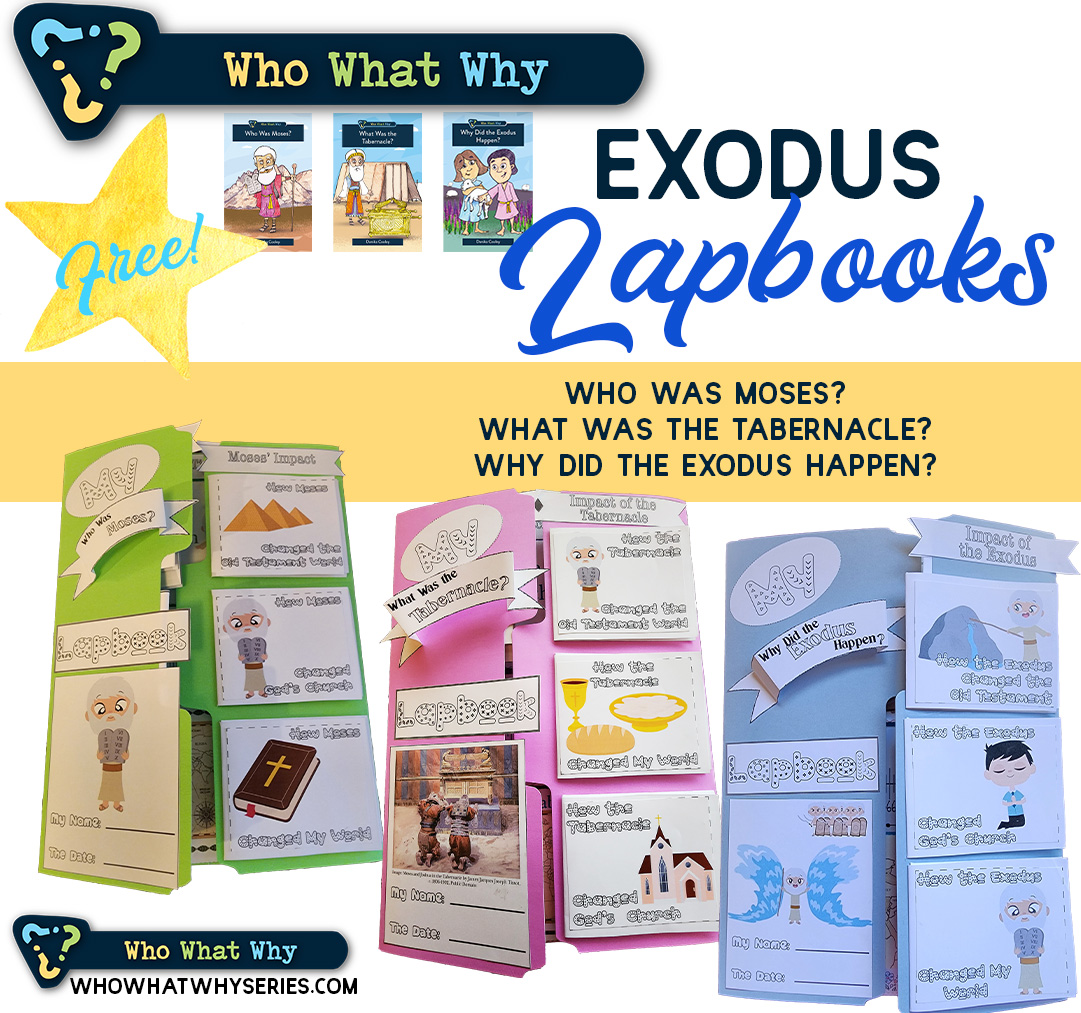
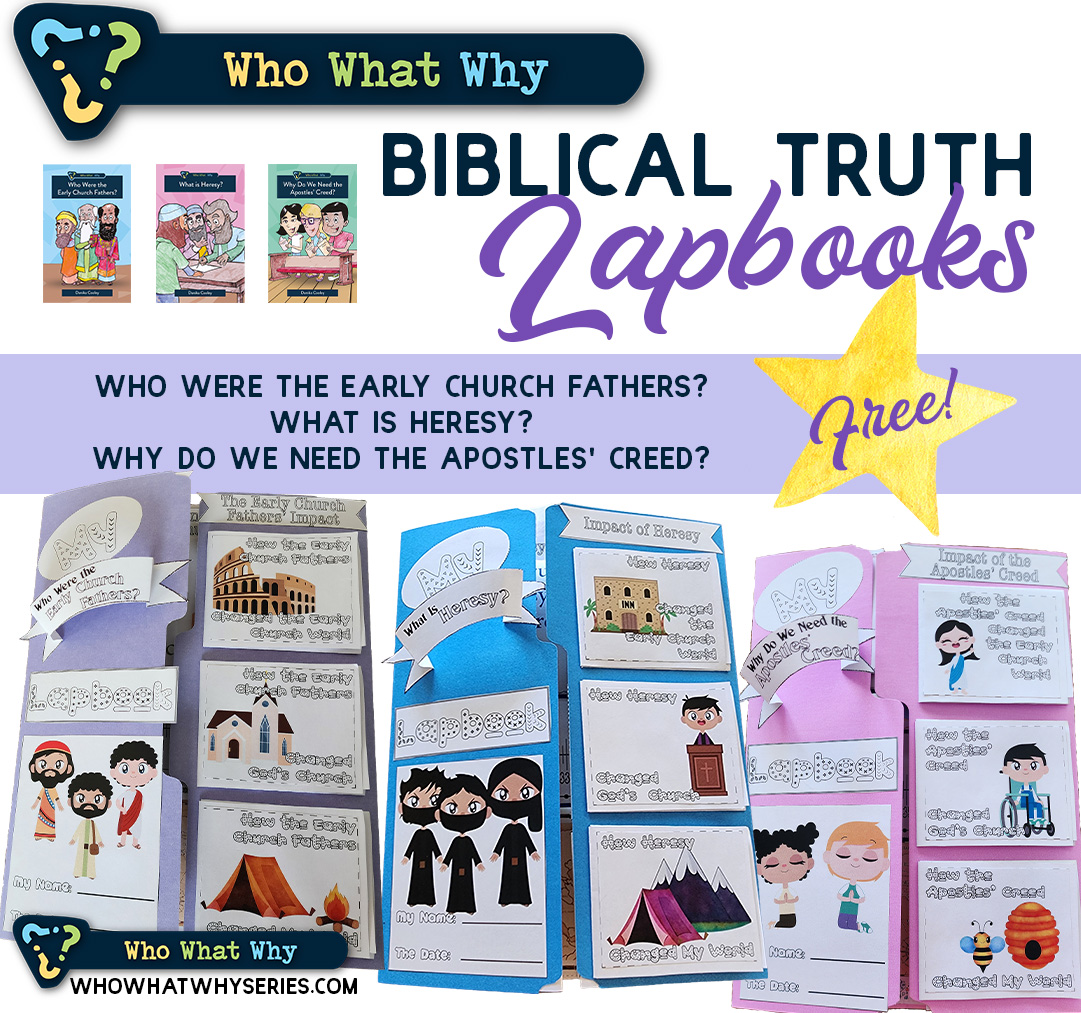
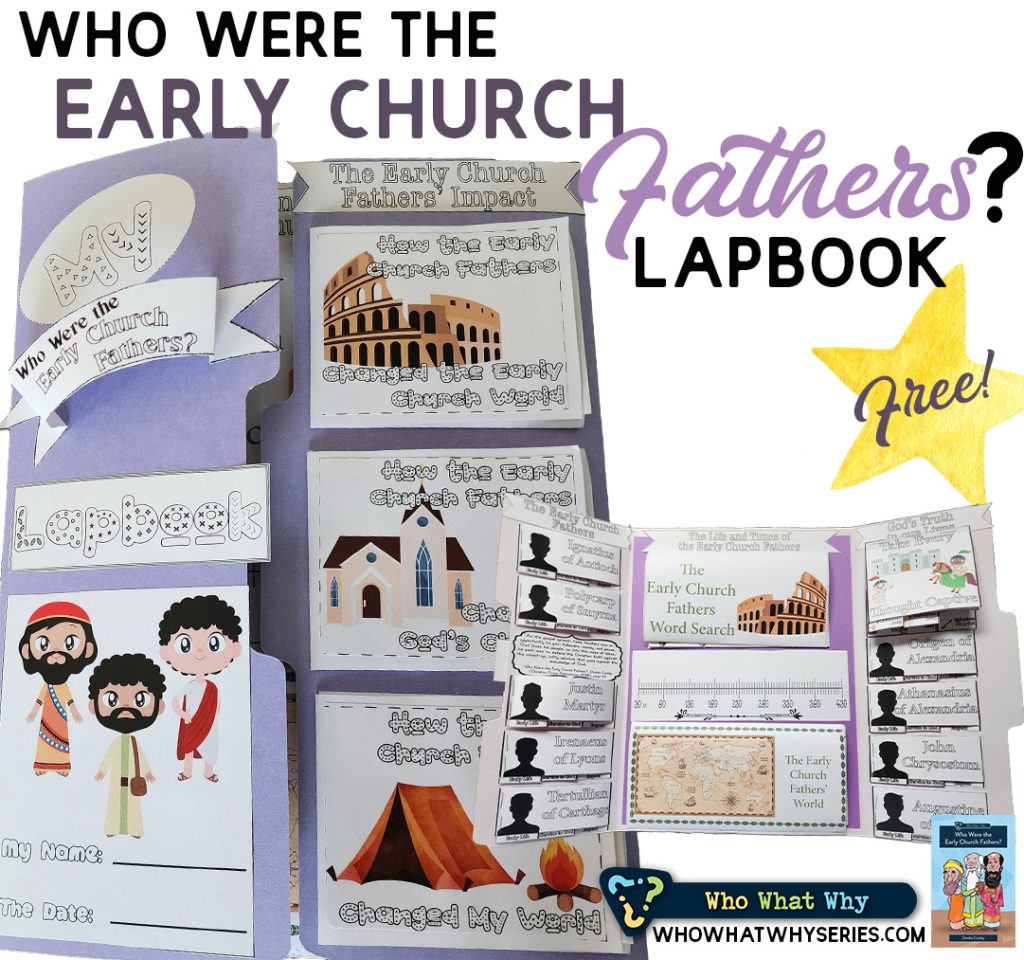
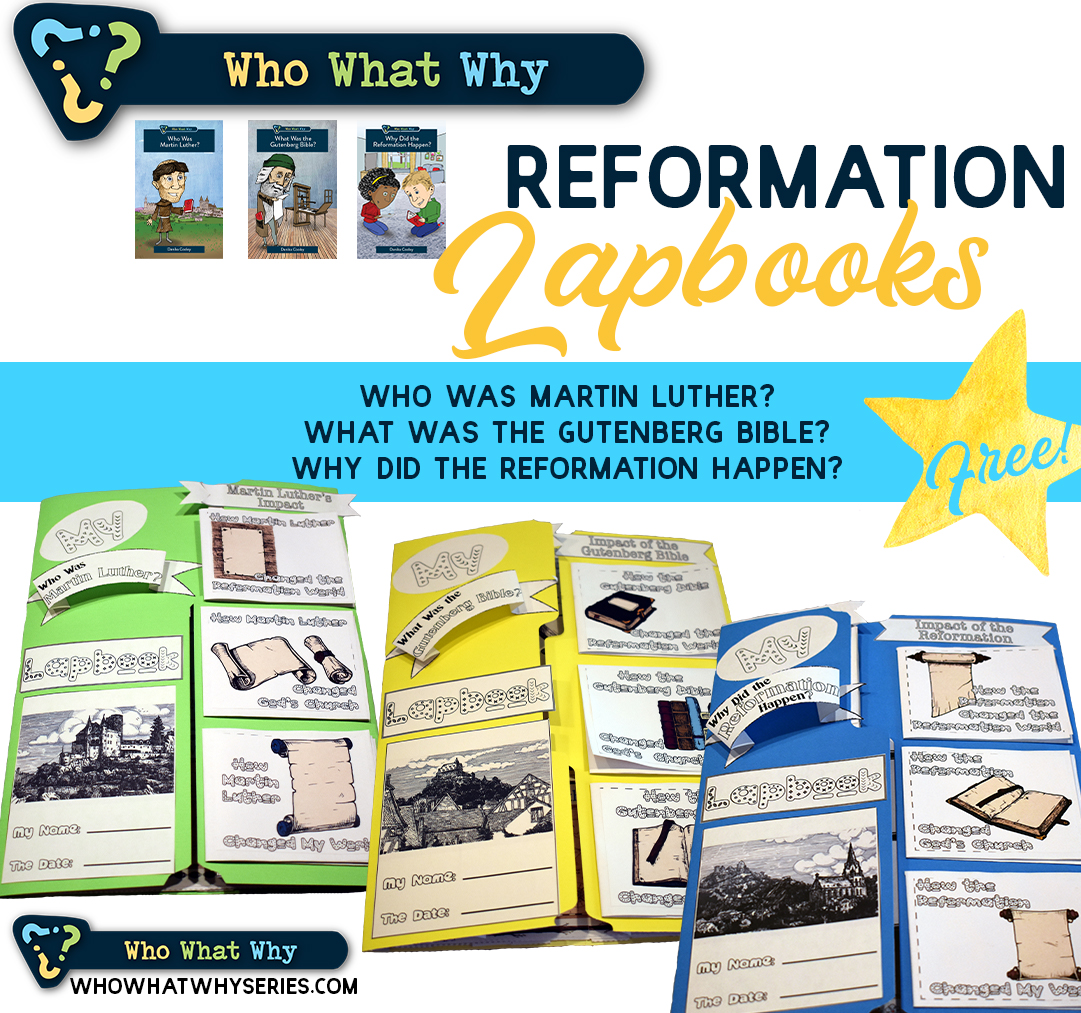
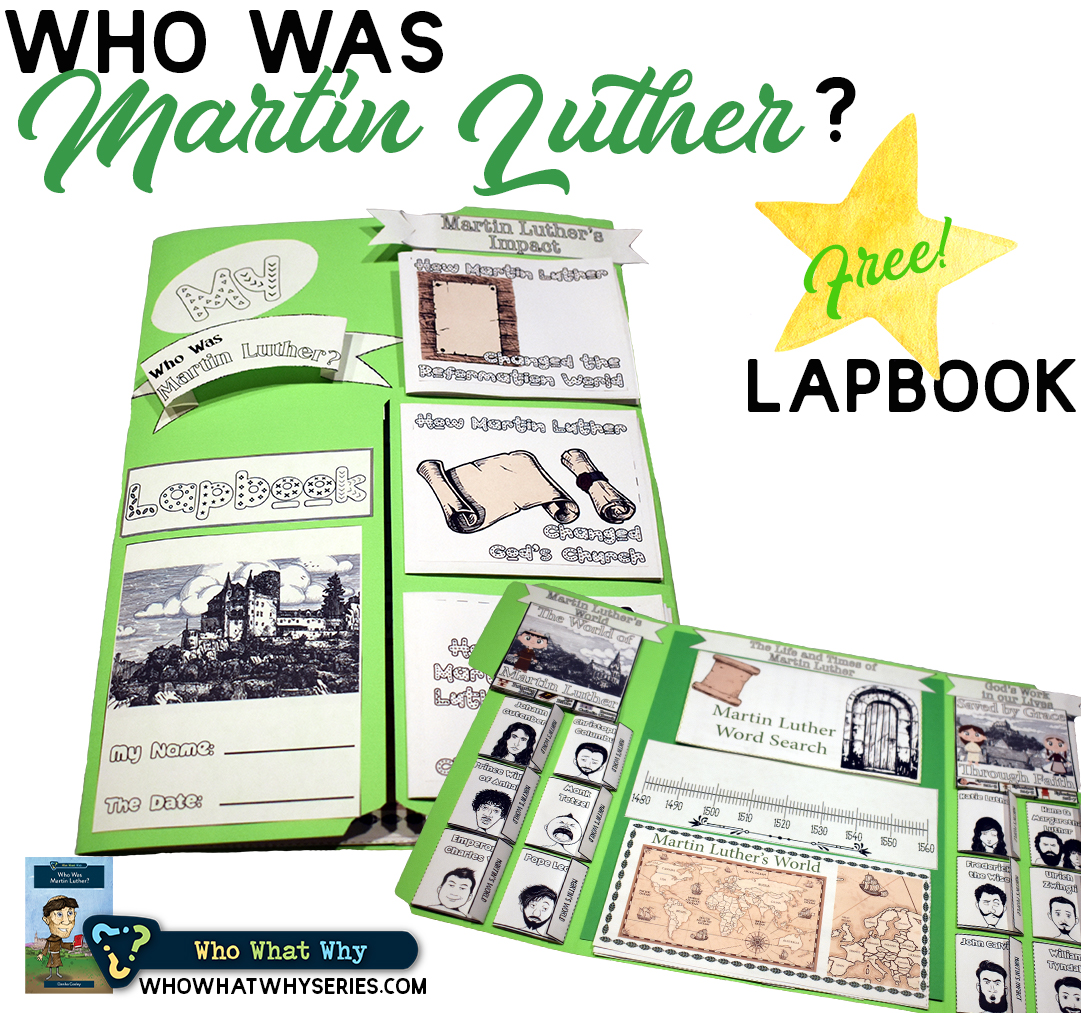
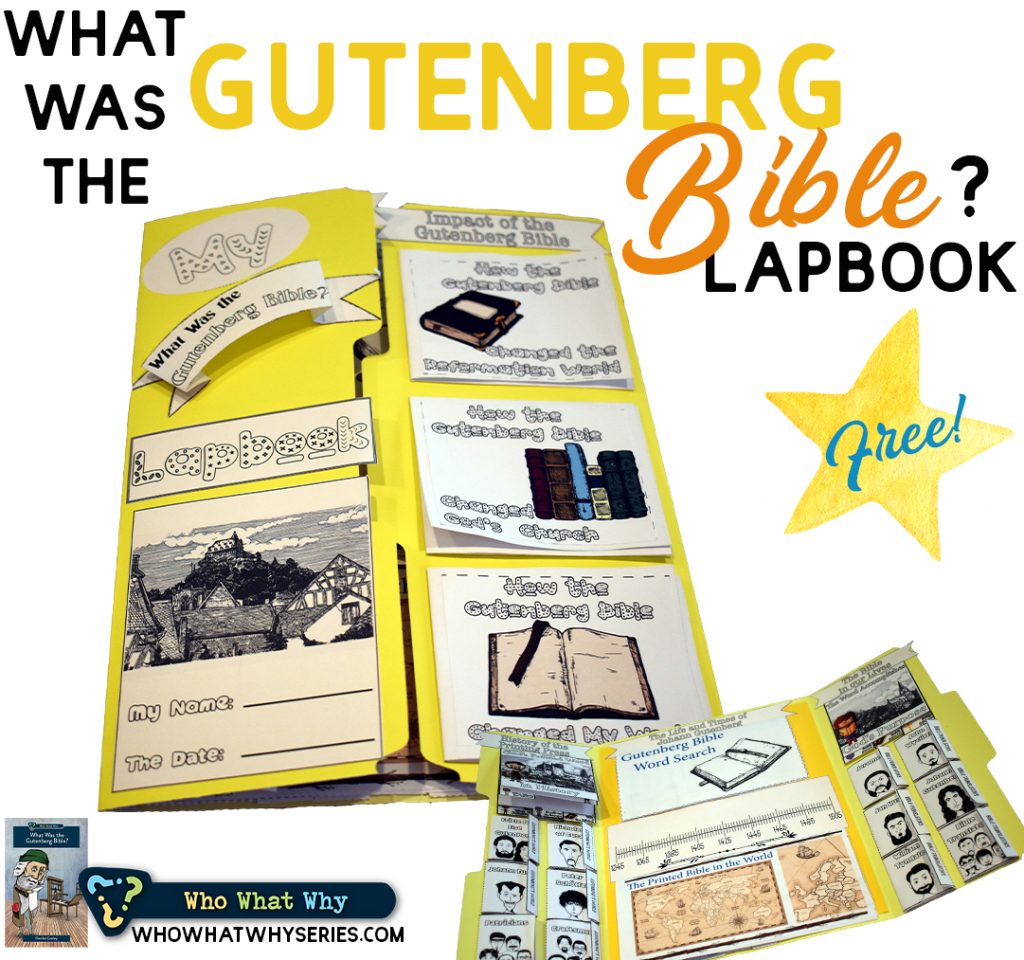
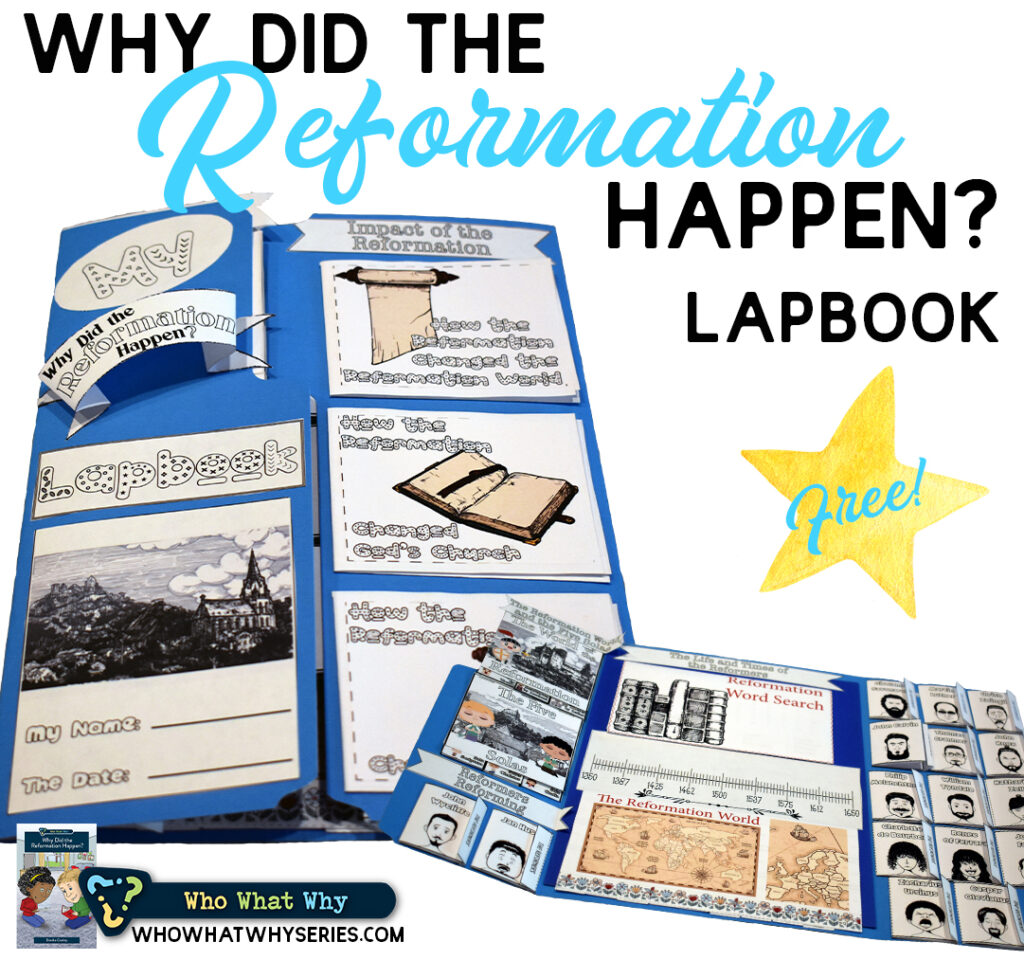
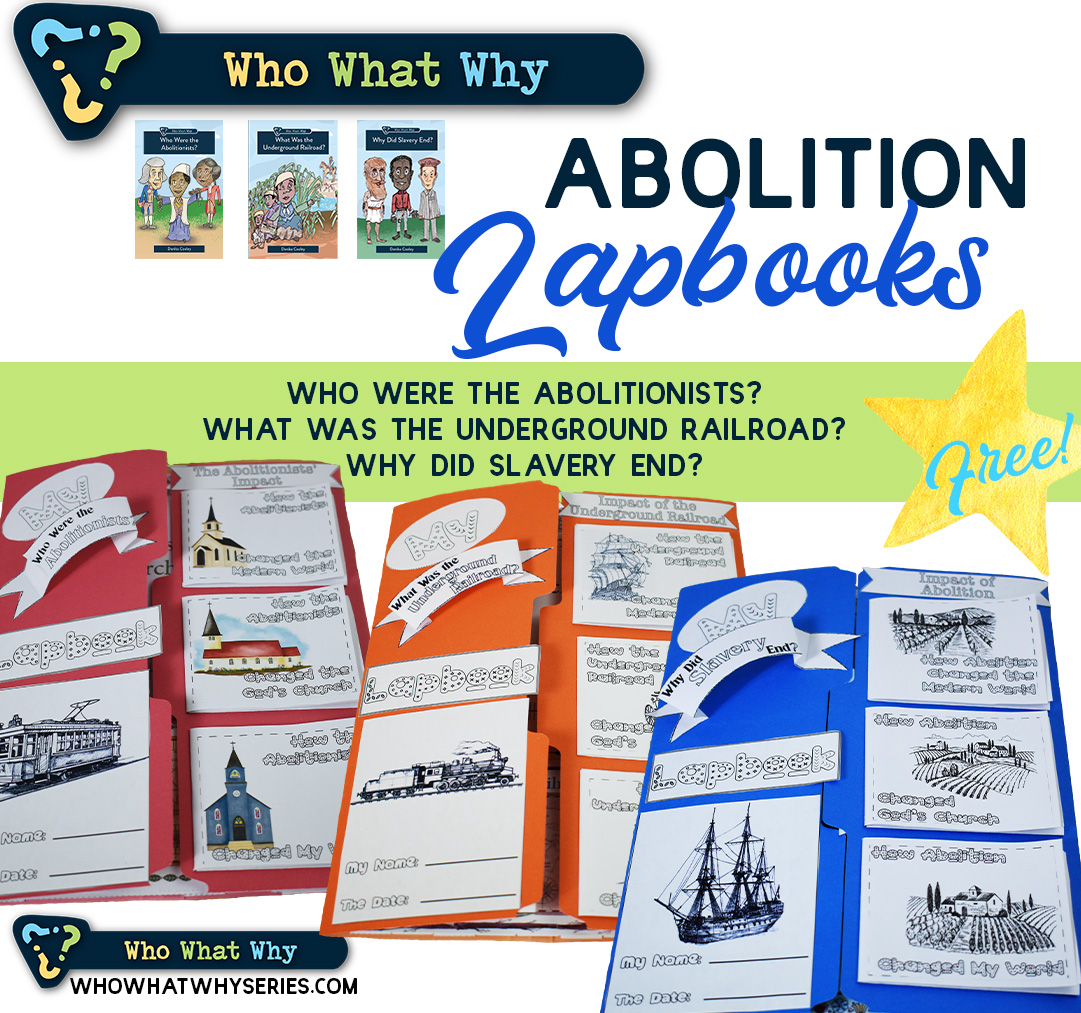
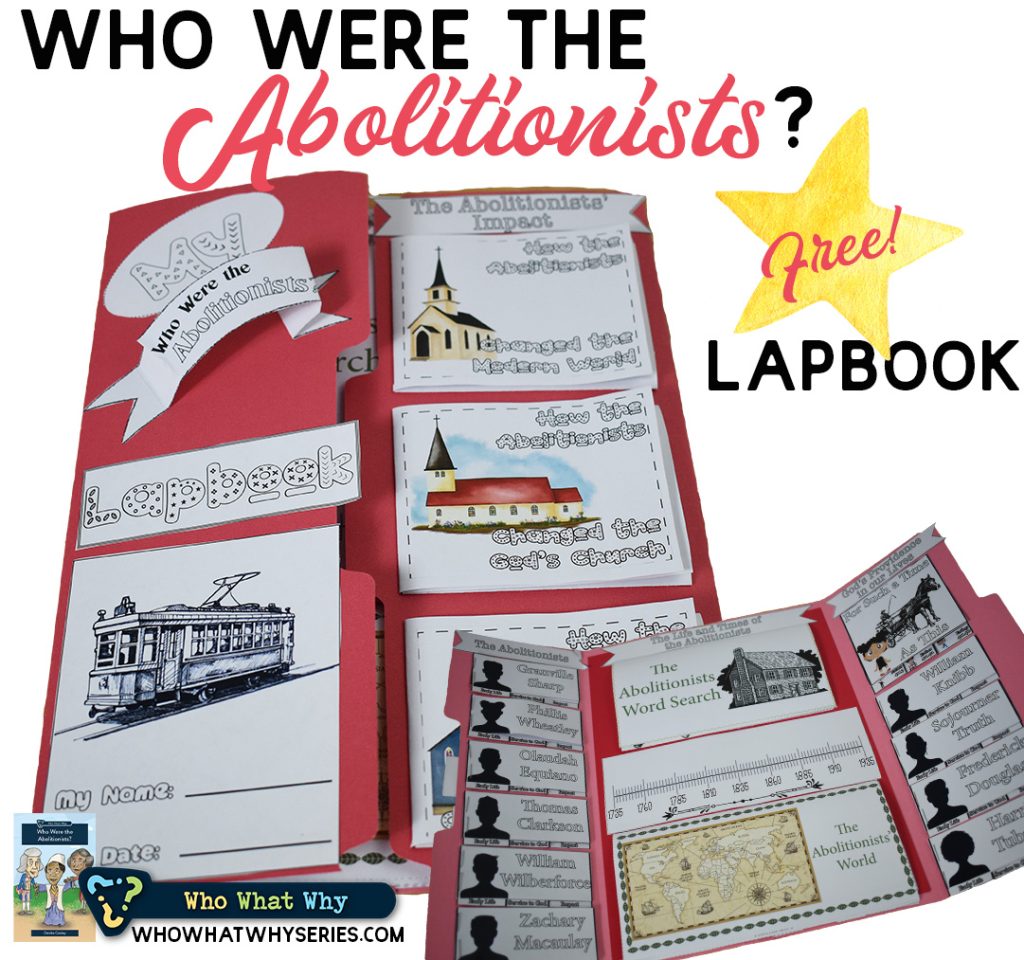
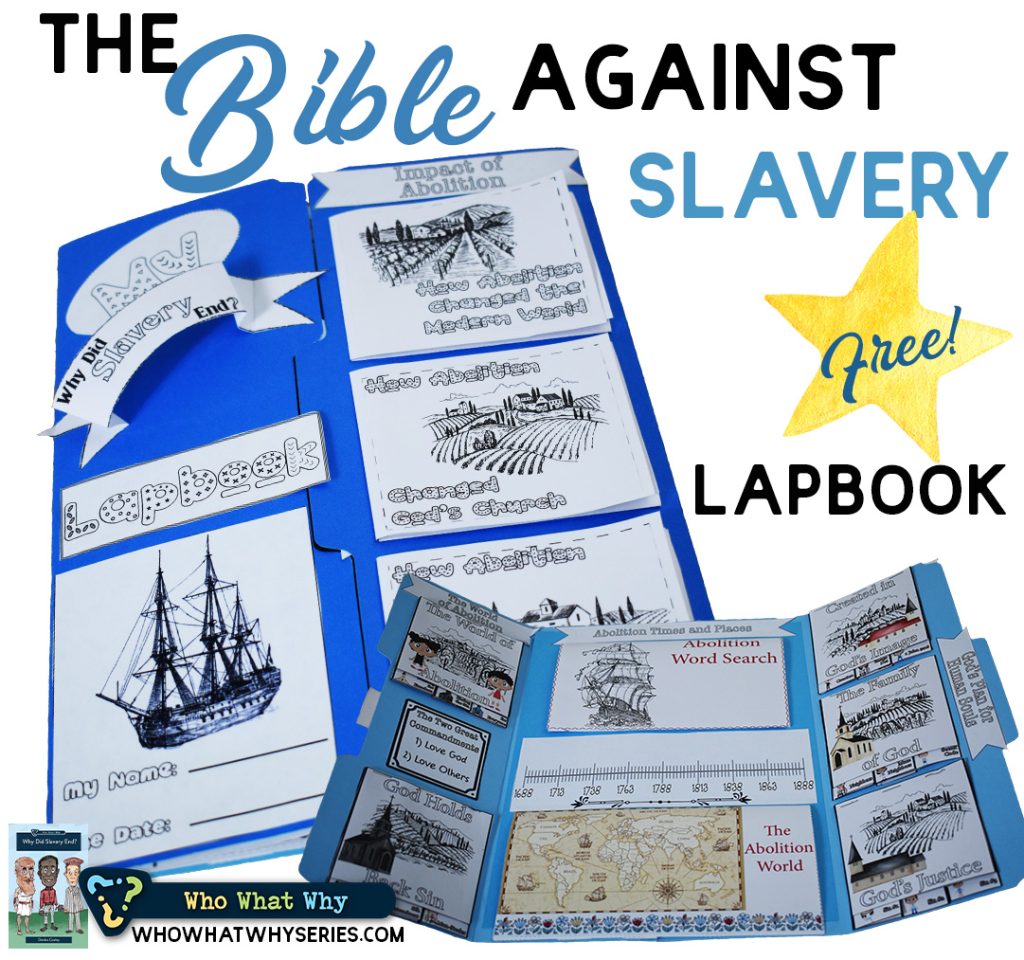
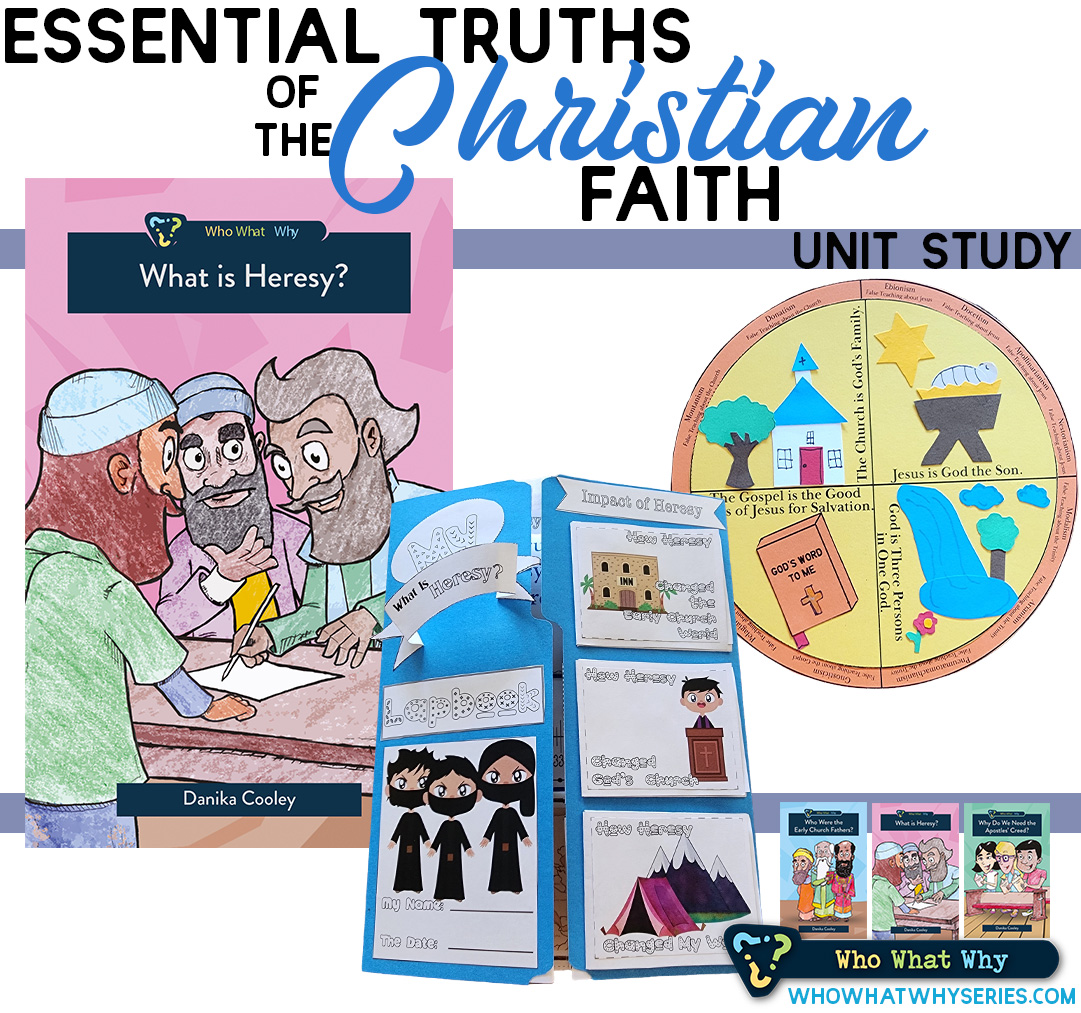
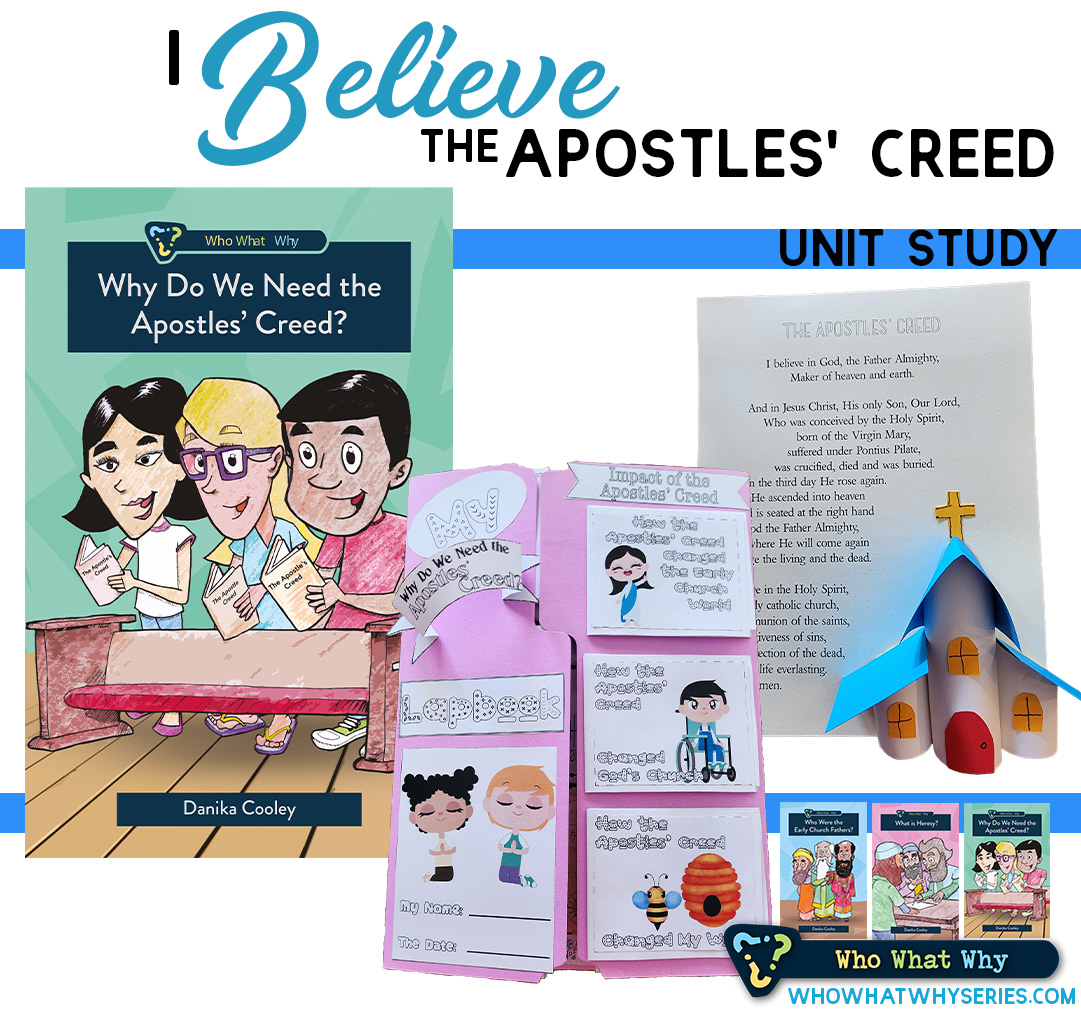
Learn more about the Who What Why series and get your FREE Biblical Truth Lapbooks here.
Early Christians
You can help your kids commemorate what they’re learning about Early church history in a hands-on way! Check out this fun video of the Early Christian Church Fathers Craft!
Early Christian Church Fathers Craft Supplies
You’ll need a few supplies to make your Early Church Fathers craft:
- Cardstock (colored and white)
- Scissors
- Glue
- Pencil
- Permanent Marker
- Toilet Paper Rolls
- Printable Templates with Instructions
- Don’t forget this fun book that will teach your kids about important early Christians: Who Were the Early Church Fathers?









Early Christian Church Fathers Craft | Instructions
Your child’s representation of nine influential early Christians is a great way to help them consider what they learn as they read Who Were the Early Church Fathers? from the Who What Why series!
1) Print your templates and labels.
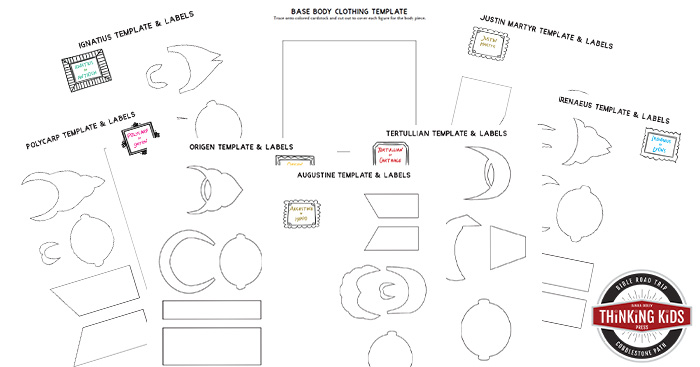
Print the Early Church Fathers templates and labels on cardstock. Each figure will need a base body clothing layer. You will use the same rectangular piece for each figure.
2) Assemble your Ignatius of Antioch and Polycarp of Smyrna figures.
Print the Ignatius template page from the step-by-step instructions and cut out the pieces.

Lay the template pieces over the cardstock in the colors your child would like to use. Trace the pieces on the cardstock and cut out the pieces. 
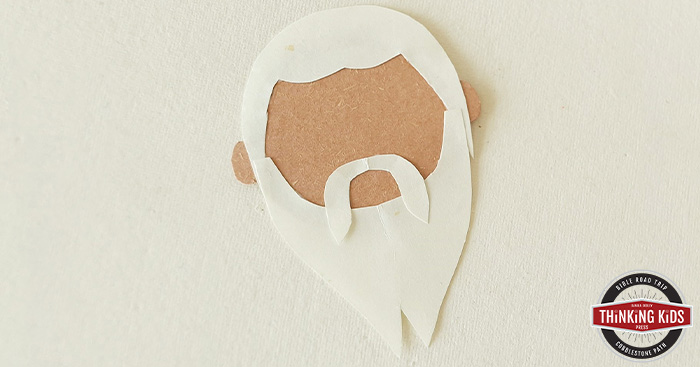
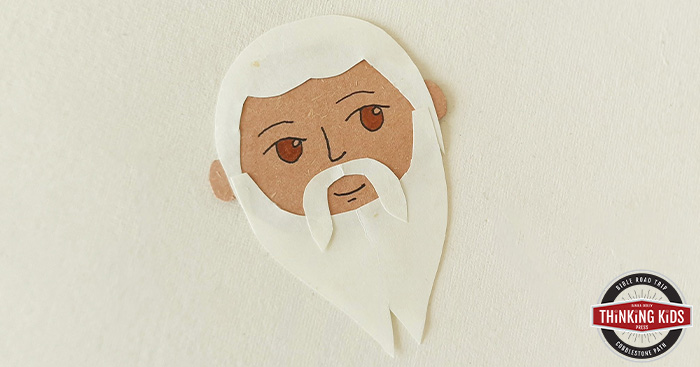
Glue the hair to the top of the head. Then, glue the beard to the lower part of the face. Glue the mustache onto the face, leaving room for a mouth. Then, use a permanent marker to create a face, as shown. Use another permanent marker to color in the eyes.

Glue the neckline pieces across the middle top of the body piece, as shown. If your child wishes, they can use a permanent marker to create crosses on the neckpiece. Note: These decorations are common in icons–the paintings of earlier Christians. However, we don’t think the Early Church Fathers actually decorated their outfits.
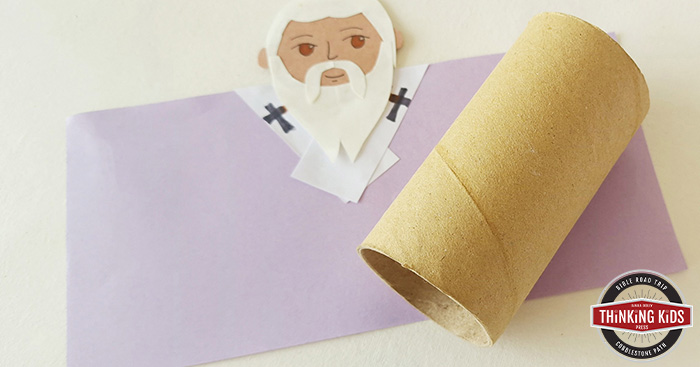
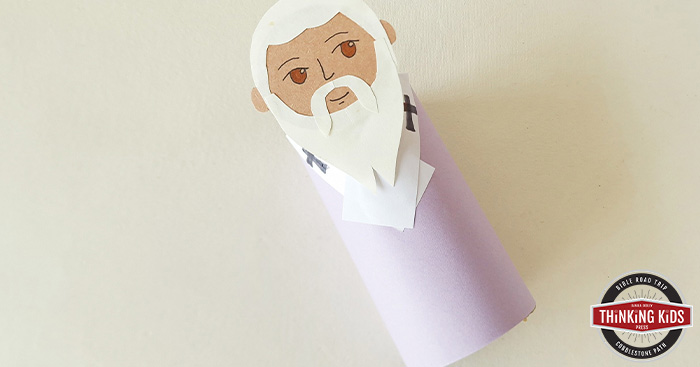
Glue the head to the middle top of the colored cardstock tunic. Then, glue the body and head around the toilet paper roll.
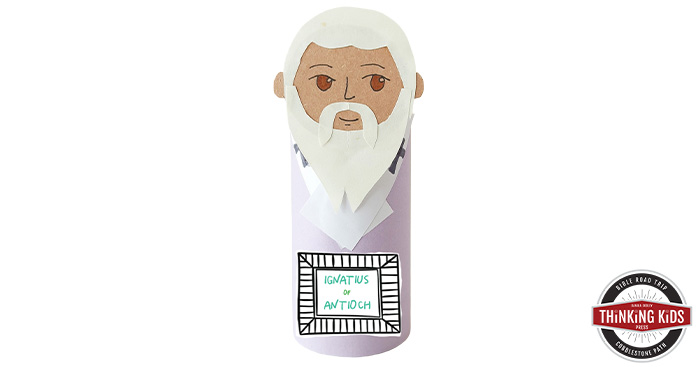
Last, glue the label for Ignatius of Antioch to the front of the figure.


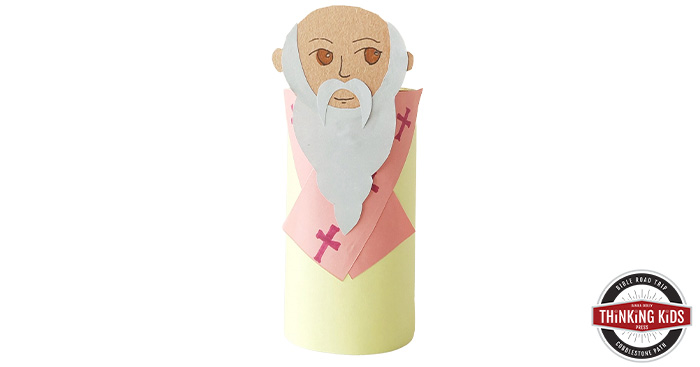
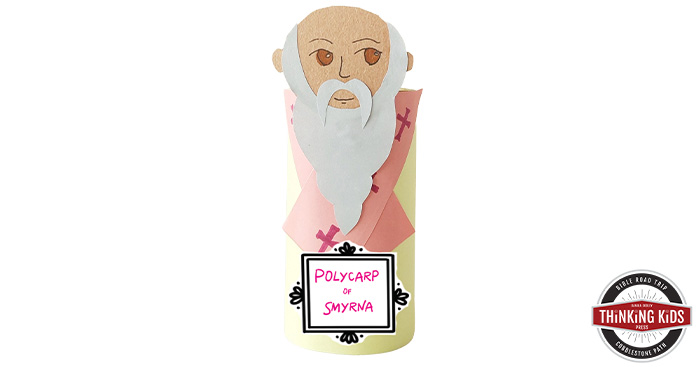
Repeat the steps to create your Polycarp of Smyrna figure.
3) Assemble your Justin Martyr figure.
Print the Justin Martyr template page from the step-by-step instructions and cut out the pieces.
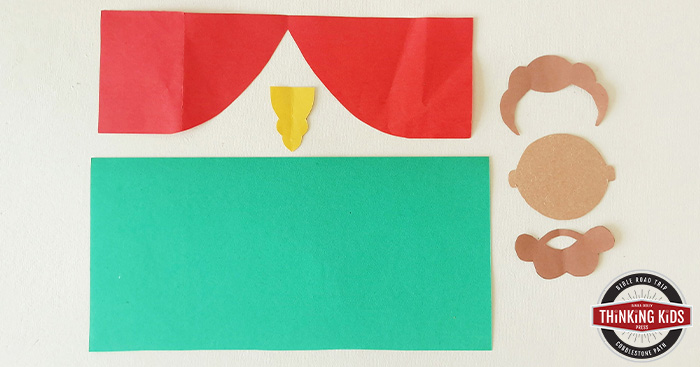
Lay the template pieces over the cardstock in the colors your child would like to use. Trace the pieces on the cardstock and cut out the pieces.
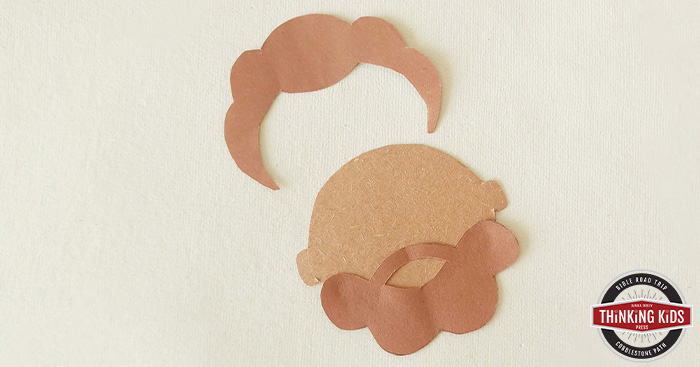
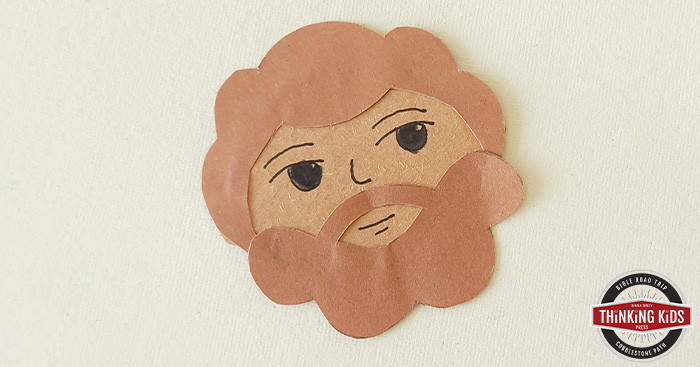
Glue the hair to the top of the head. Then, glue the beard and mustache to the lower part of the face. Then, use a permanent marker to create a face, as shown. Use another permanent marker to color in the eyes.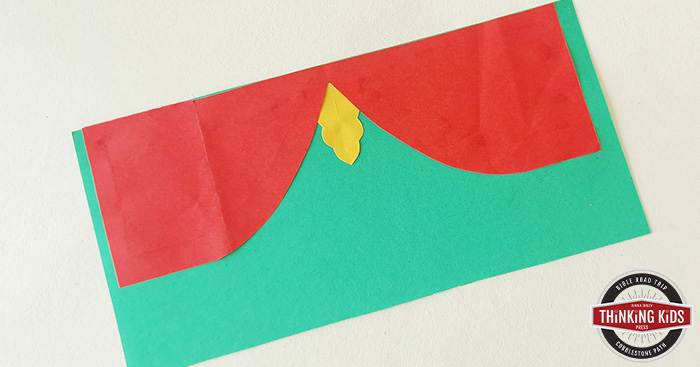
Glue the neckline piece across the middle top of the body piece with the decorative shirt opening in the middle underneath, as shown.
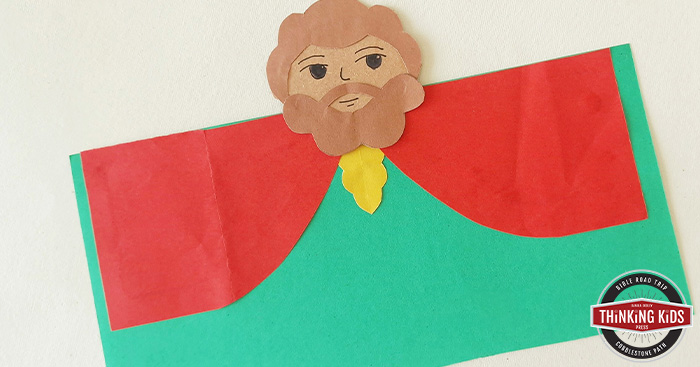
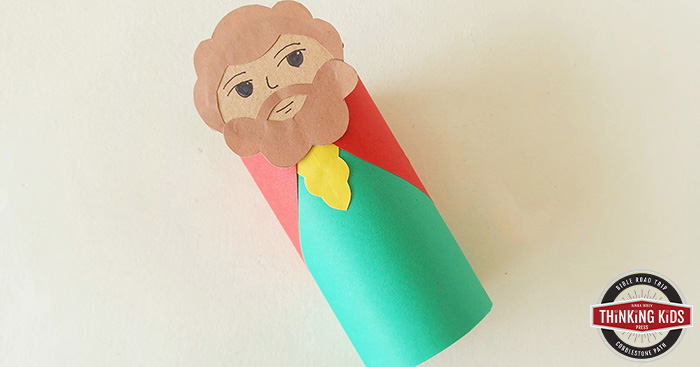
Glue the head to the middle top of the colored cardstock tunic. Then, glue the body and head around the toilet paper roll.
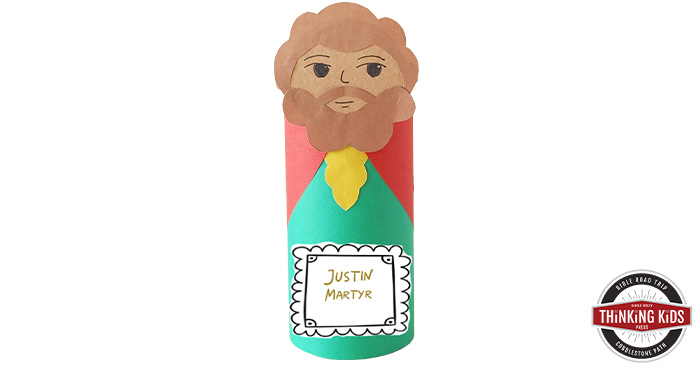
Last, glue the label for Justin Martyr to the front of the figure.
4) Assemble your Ireneaus of Lyons and Tertullian of Carthage figures.
Print the Ireneaus template page from the step-by-step instructions and cut out the pieces.

Lay the template pieces over the cardstock in the colors your child would like to use. Trace the pieces on the cardstock and cut out the pieces.


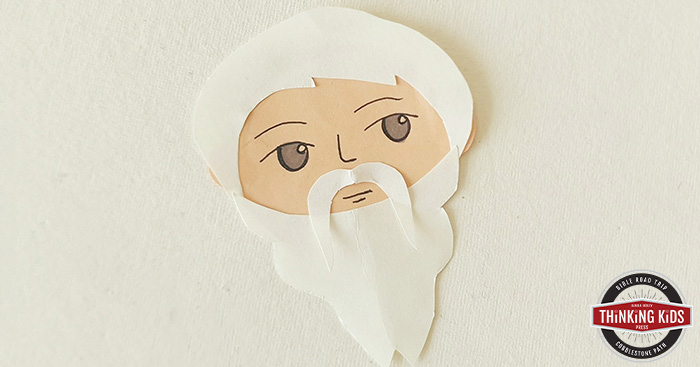
Glue the hair to the top of the head. Then, glue the beard to the lower part of the face. Glue the mustache onto the face, leaving room for a mouth. Then, use a permanent marker to create a face, as shown. Use another permanent marker to color in the eyes.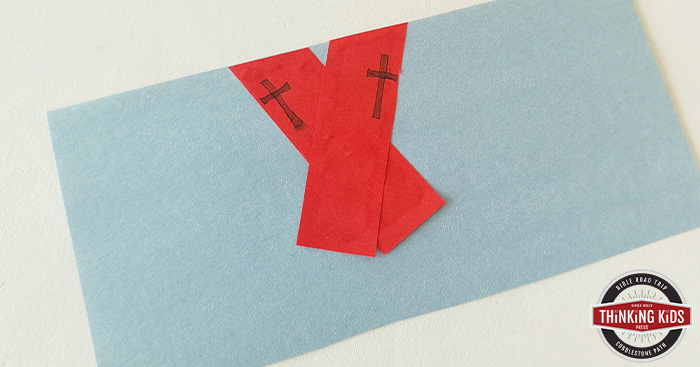
Glue the scarf pieces across the middle top of the body piece, as shown. If your child wishes, they can use a permanent marker to create crosses on the scarf. Note: These decorations are common in icons–the paintings of earlier Christians. However, we don’t think the Early Church Fathers actually decorated their outfits.
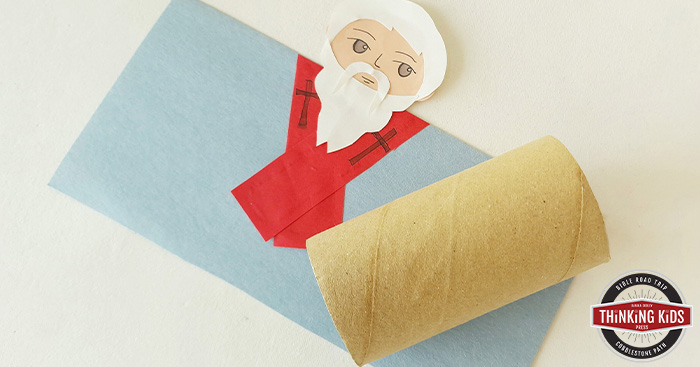
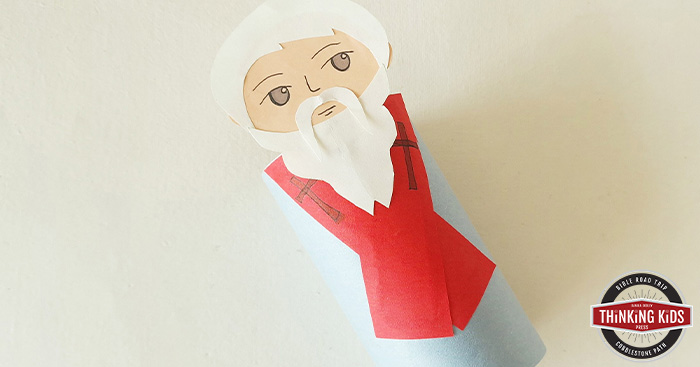
Glue the head to the middle top of the colored cardstock tunic. Then, glue the body and head around the toilet paper roll.

Last, glue the label for Ireneaus of Lyons to the front of the figure.
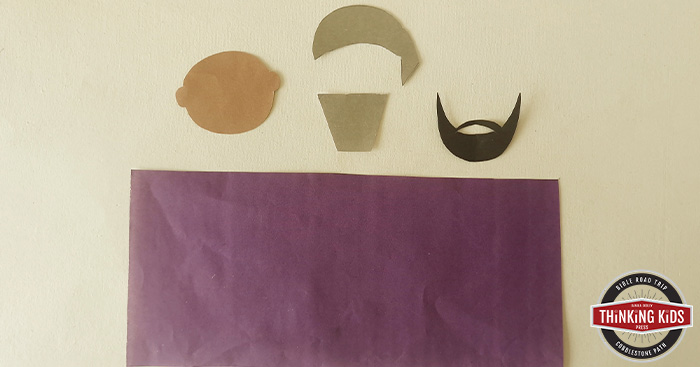
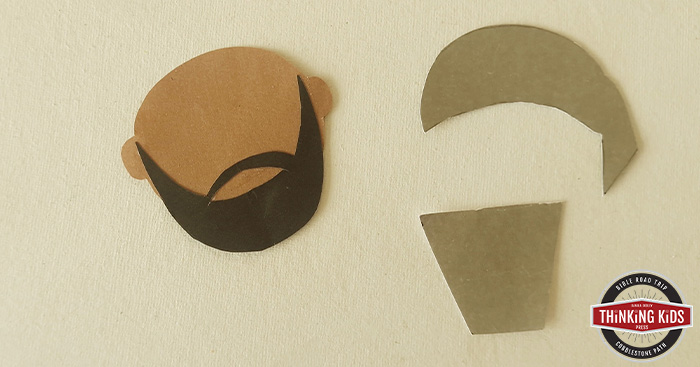
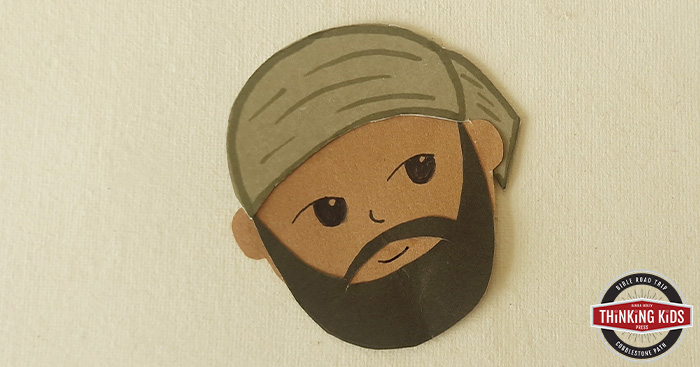

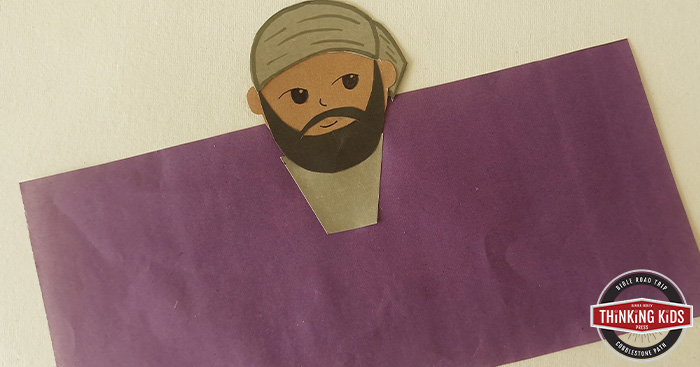
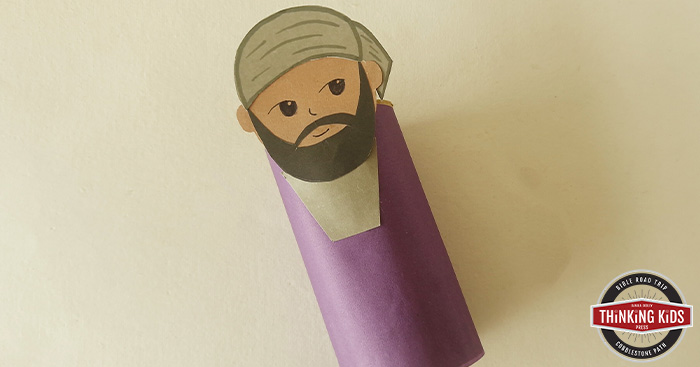
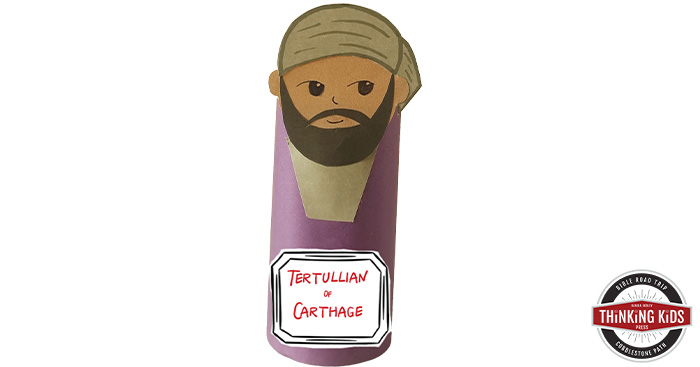
Repeat the steps to create your Tertullian of Carthage figure.
5) Assemble your Origen of Alexandria, Athanasius of Alexandria, John Chrysostom, and Augustine of Hippo figures.
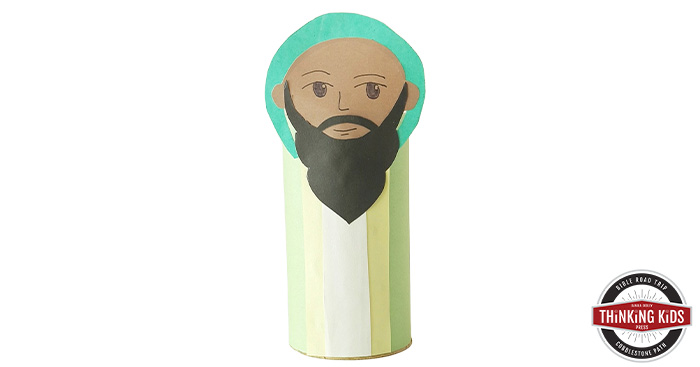
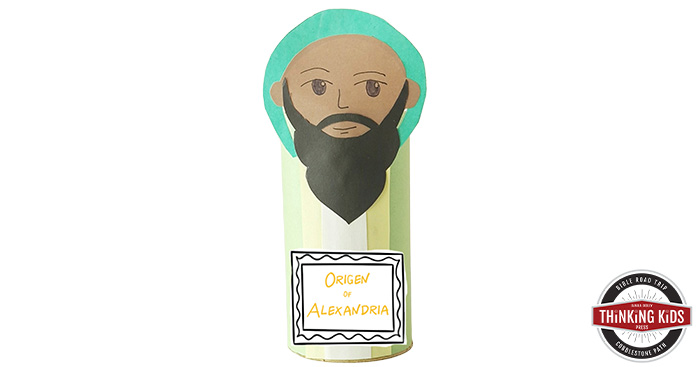
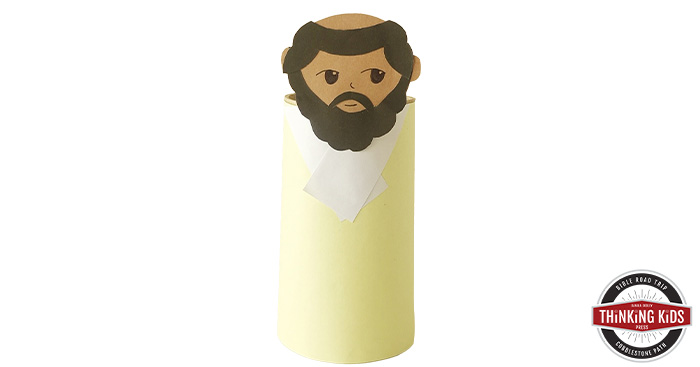
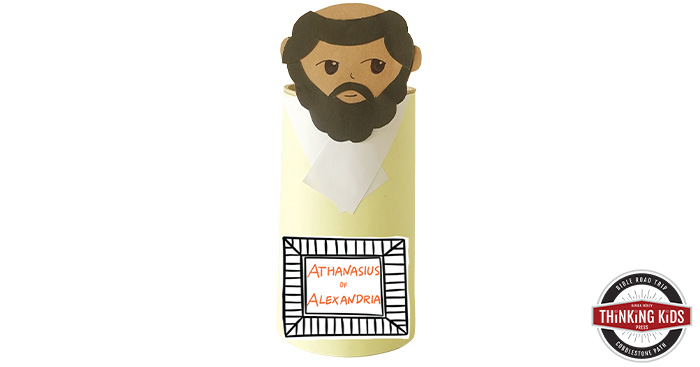
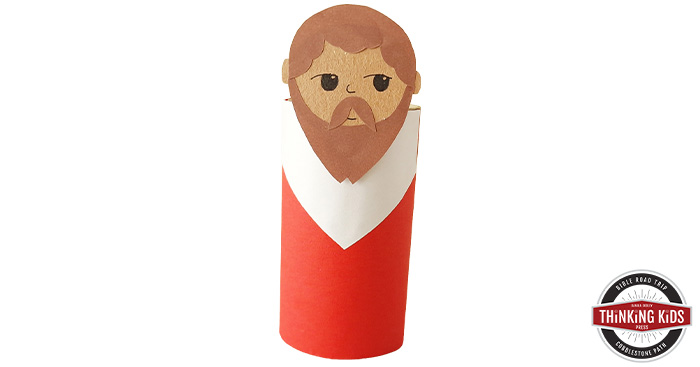
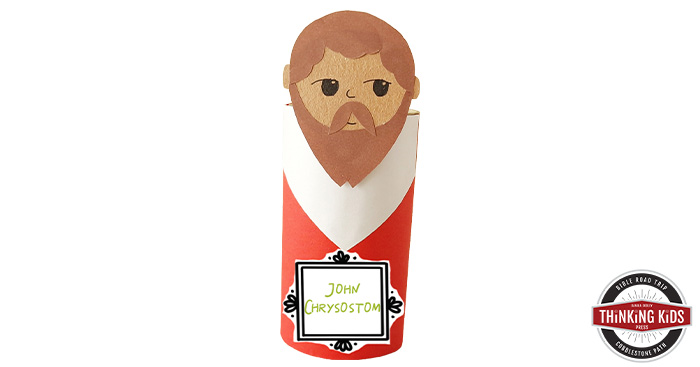
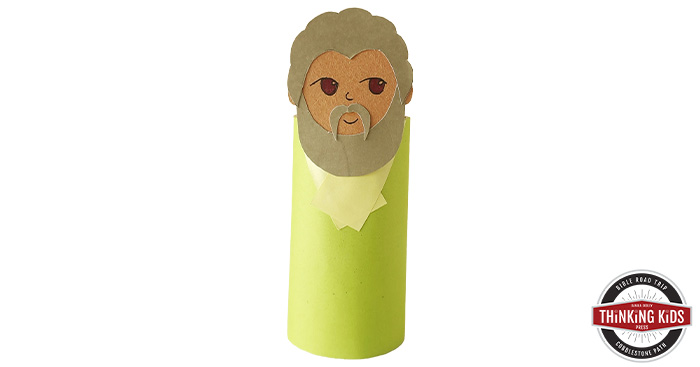
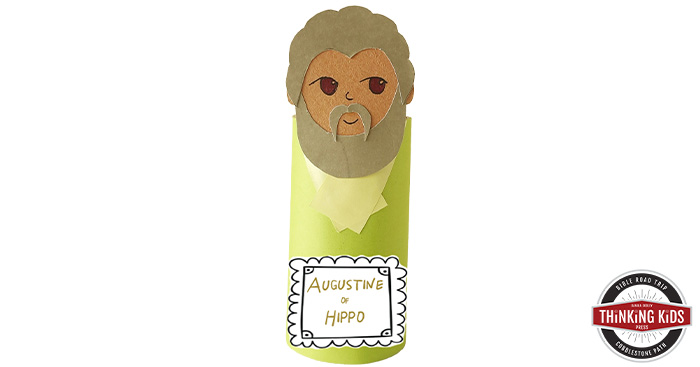
Repeat the steps to create your Origen, Athanasius, John, and Augustine figures.
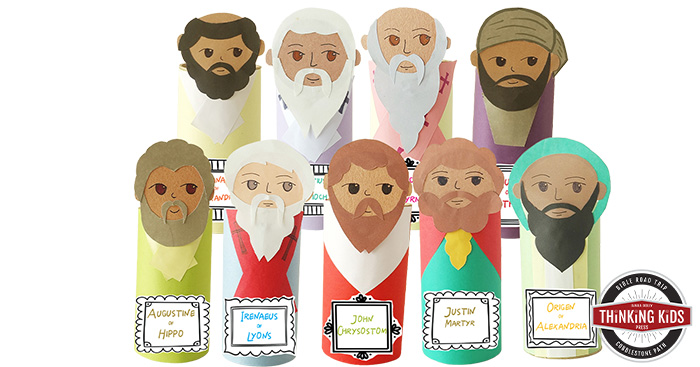
Display your craft as you read Who Were the Early Church Fathers? to remember how the Early Christians defended our biblical faith!
Learn more about the Who What Why series and get your FREE Biblical Truth Lapbooks here.
Bible Resources for Your Kids
Learn More HereLearn More HereLearn More HereLearn More HereLearn More HereLearn More Here

Christian Biographies for Kids | Christian History for Kids | Theology for Kids
Christian History Matters for Our Kids.
History matters. Now, more than ever, we see how important it is for our children to know and understand history and the Bible.
Here’s why:
- God is the sovereign ruler of all things. It’s important for our kids to see his hand in the history of nations and in the lives of both peasants and kings.
- Christian history is the story of our family history. Our kids get to see how people who love Jesus follow him.
- Understanding history can help our kids learn historic and biblical theology. They learn what the Bible says and what that means for us. They also see when the study of Scripture has taken important turns that have changed the Church.
- Reading Christian biographies and history can be a wonderful way for kids to think outside their own time and culture. God’s Church spans centuries and includes people from every nation.
- Christian biographies help kids consider their own faith, walk with Jesus, and the impact their witness may one day have on others–and on history.

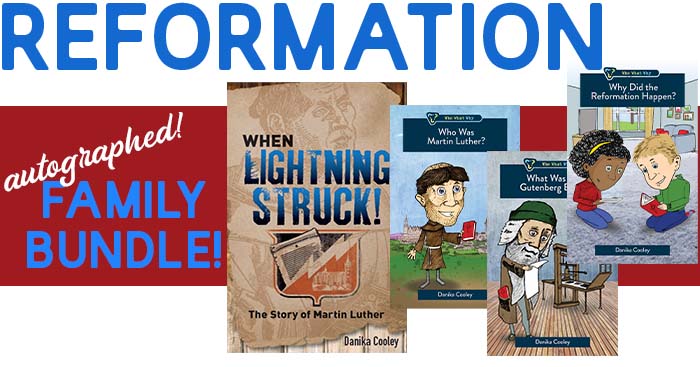
Grab the autographed Reformation Family Bundle!
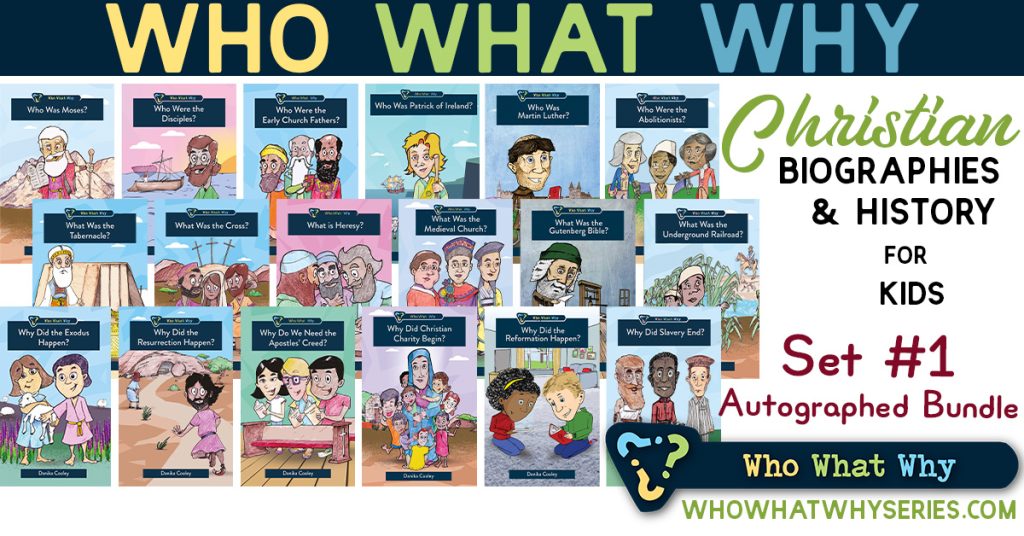
More Thinking Kids Posts You’ll Love!